Deprecated: Creation of dynamic property WP_Term::$cat_ID is deprecated in /homepages/20/d390878058/htdocs/nostranger/home/wp-includes/category.php on line 378
Deprecated: Creation of dynamic property WP_Term::$category_count is deprecated in /homepages/20/d390878058/htdocs/nostranger/home/wp-includes/category.php on line 379
Deprecated: Creation of dynamic property WP_Term::$category_description is deprecated in /homepages/20/d390878058/htdocs/nostranger/home/wp-includes/category.php on line 380
Deprecated: Creation of dynamic property WP_Term::$cat_name is deprecated in /homepages/20/d390878058/htdocs/nostranger/home/wp-includes/category.php on line 381
Deprecated: Creation of dynamic property WP_Term::$category_nicename is deprecated in /homepages/20/d390878058/htdocs/nostranger/home/wp-includes/category.php on line 382
Deprecated: Creation of dynamic property WP_Term::$category_parent is deprecated in /homepages/20/d390878058/htdocs/nostranger/home/wp-includes/category.php on line 383
Deprecated: Creation of dynamic property WP_Term::$cat_ID is deprecated in /homepages/20/d390878058/htdocs/nostranger/home/wp-includes/category.php on line 378
Deprecated: Creation of dynamic property WP_Term::$category_count is deprecated in /homepages/20/d390878058/htdocs/nostranger/home/wp-includes/category.php on line 379
Deprecated: Creation of dynamic property WP_Term::$category_description is deprecated in /homepages/20/d390878058/htdocs/nostranger/home/wp-includes/category.php on line 380
Deprecated: Creation of dynamic property WP_Term::$cat_name is deprecated in /homepages/20/d390878058/htdocs/nostranger/home/wp-includes/category.php on line 381
Deprecated: Creation of dynamic property WP_Term::$category_nicename is deprecated in /homepages/20/d390878058/htdocs/nostranger/home/wp-includes/category.php on line 382
Deprecated: Creation of dynamic property WP_Term::$category_parent is deprecated in /homepages/20/d390878058/htdocs/nostranger/home/wp-includes/category.php on line 383
Deprecated: Creation of dynamic property WP_Term::$cat_ID is deprecated in /homepages/20/d390878058/htdocs/nostranger/home/wp-includes/category.php on line 378
Deprecated: Creation of dynamic property WP_Term::$category_count is deprecated in /homepages/20/d390878058/htdocs/nostranger/home/wp-includes/category.php on line 379
Deprecated: Creation of dynamic property WP_Term::$category_description is deprecated in /homepages/20/d390878058/htdocs/nostranger/home/wp-includes/category.php on line 380
Deprecated: Creation of dynamic property WP_Term::$cat_name is deprecated in /homepages/20/d390878058/htdocs/nostranger/home/wp-includes/category.php on line 381
Deprecated: Creation of dynamic property WP_Term::$category_nicename is deprecated in /homepages/20/d390878058/htdocs/nostranger/home/wp-includes/category.php on line 382
Deprecated: Creation of dynamic property WP_Term::$category_parent is deprecated in /homepages/20/d390878058/htdocs/nostranger/home/wp-includes/category.php on line 383
Deprecated: Creation of dynamic property WP_Term::$cat_ID is deprecated in /homepages/20/d390878058/htdocs/nostranger/home/wp-includes/category.php on line 378
Deprecated: Creation of dynamic property WP_Term::$category_count is deprecated in /homepages/20/d390878058/htdocs/nostranger/home/wp-includes/category.php on line 379
Deprecated: Creation of dynamic property WP_Term::$category_description is deprecated in /homepages/20/d390878058/htdocs/nostranger/home/wp-includes/category.php on line 380
Deprecated: Creation of dynamic property WP_Term::$cat_name is deprecated in /homepages/20/d390878058/htdocs/nostranger/home/wp-includes/category.php on line 381
Deprecated: Creation of dynamic property WP_Term::$category_nicename is deprecated in /homepages/20/d390878058/htdocs/nostranger/home/wp-includes/category.php on line 382
Deprecated: Creation of dynamic property WP_Term::$category_parent is deprecated in /homepages/20/d390878058/htdocs/nostranger/home/wp-includes/category.php on line 383
Deprecated: Creation of dynamic property WP_Term::$cat_ID is deprecated in /homepages/20/d390878058/htdocs/nostranger/home/wp-includes/category.php on line 378
Deprecated: Creation of dynamic property WP_Term::$category_count is deprecated in /homepages/20/d390878058/htdocs/nostranger/home/wp-includes/category.php on line 379
Deprecated: Creation of dynamic property WP_Term::$category_description is deprecated in /homepages/20/d390878058/htdocs/nostranger/home/wp-includes/category.php on line 380
Deprecated: Creation of dynamic property WP_Term::$cat_name is deprecated in /homepages/20/d390878058/htdocs/nostranger/home/wp-includes/category.php on line 381
Deprecated: Creation of dynamic property WP_Term::$category_nicename is deprecated in /homepages/20/d390878058/htdocs/nostranger/home/wp-includes/category.php on line 382
Deprecated: Creation of dynamic property WP_Term::$category_parent is deprecated in /homepages/20/d390878058/htdocs/nostranger/home/wp-includes/category.php on line 383
The post Scottish Highlands: the Land o’ Lochs | Scotland appeared first on No Stranger to Us.
]]>
Part II – Isle of Skye, Harris, and Lewis
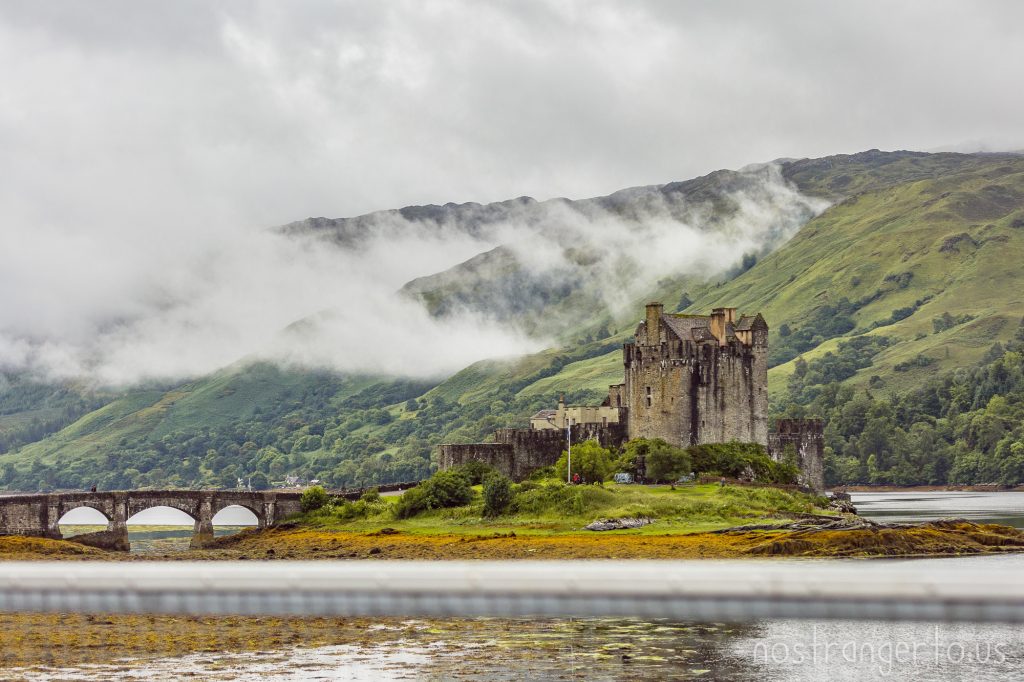
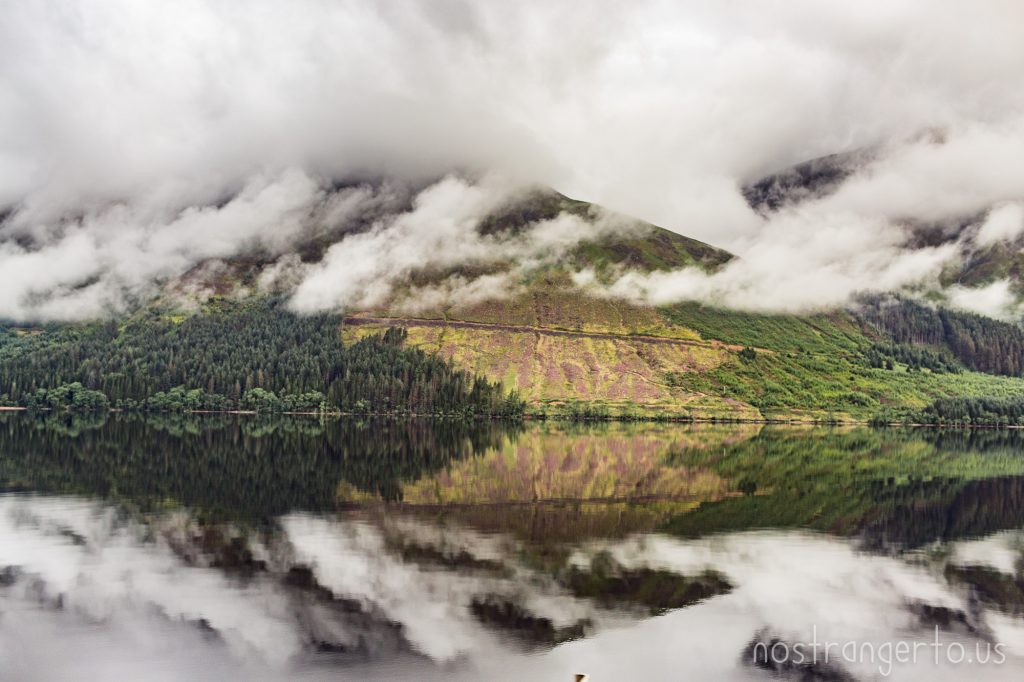
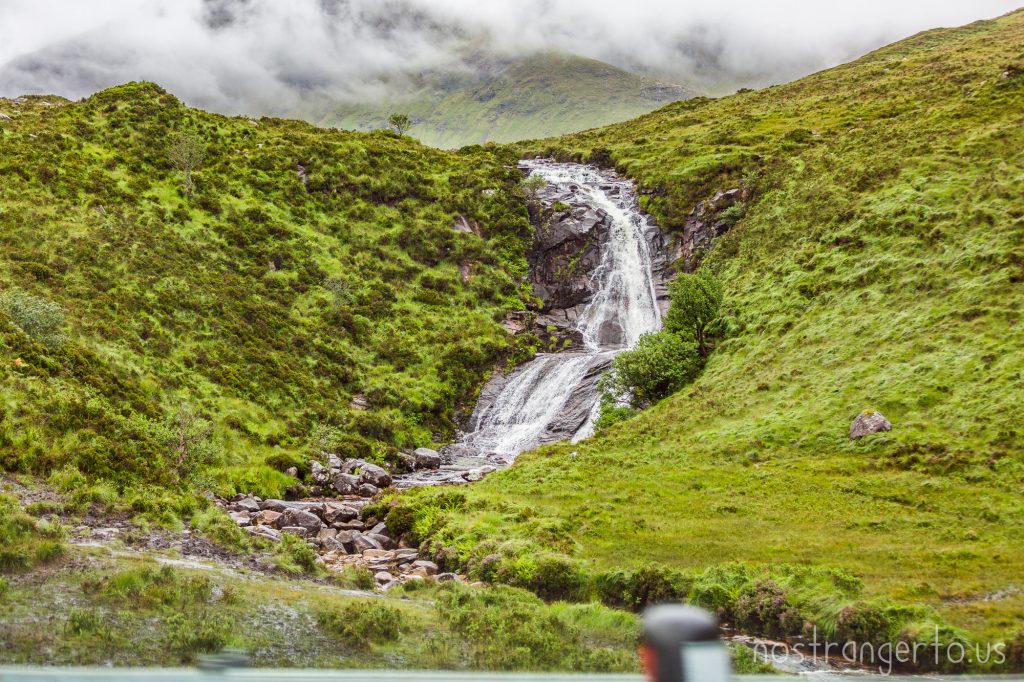
[the_ad id=”1999″]
Day 7 – Inverness and Lochness – Scottish Highlands
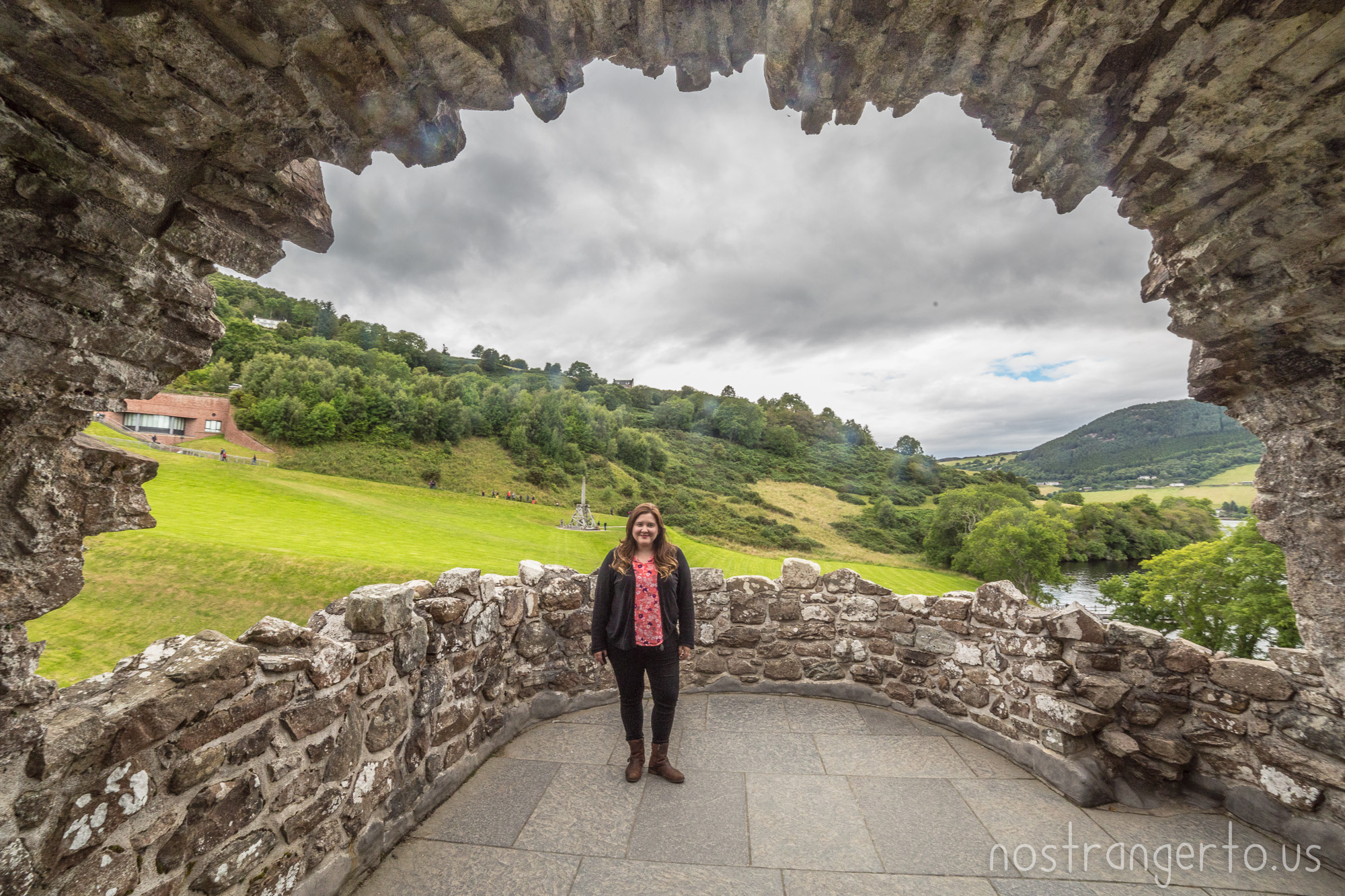
Urquhart_Castle’s history can be traced back almost a millennia to the Picts, early settlers of Scotland. Supposedly a Pict King was converted to Christianity here by St. Columba from Iona. The castle was built in the 7th Century and them intentionally blown up by the British at end of the 18th century to keep the Jacobites from overtaking it. It sits on the edge of Loch Ness, providing a unique view out over the water.
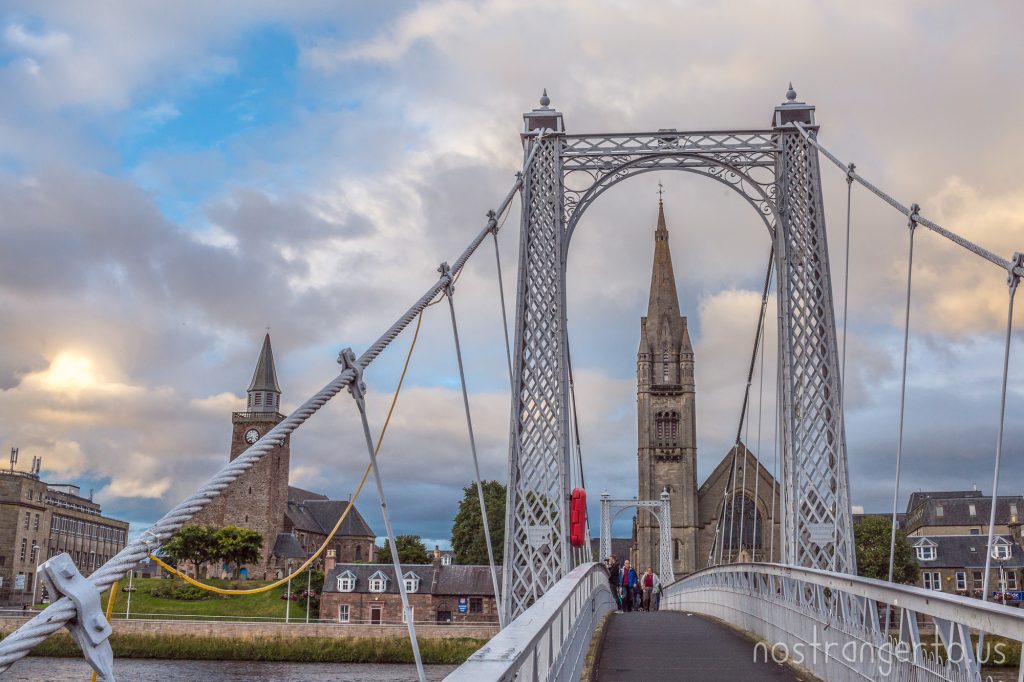
River Ness runs though the town of Inverness, in the Scottish Highland, which is equal parts historic and hip. Inverness is also on the northern coast of the Great Glen Fault. This fault line formed most of the Lochs over 300 million years.
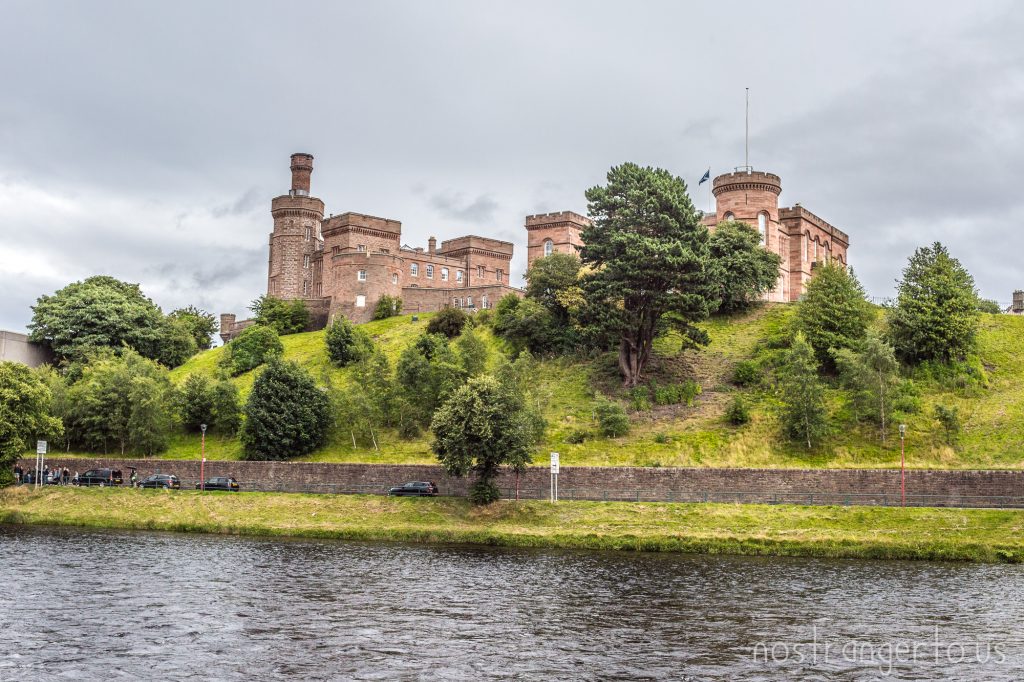
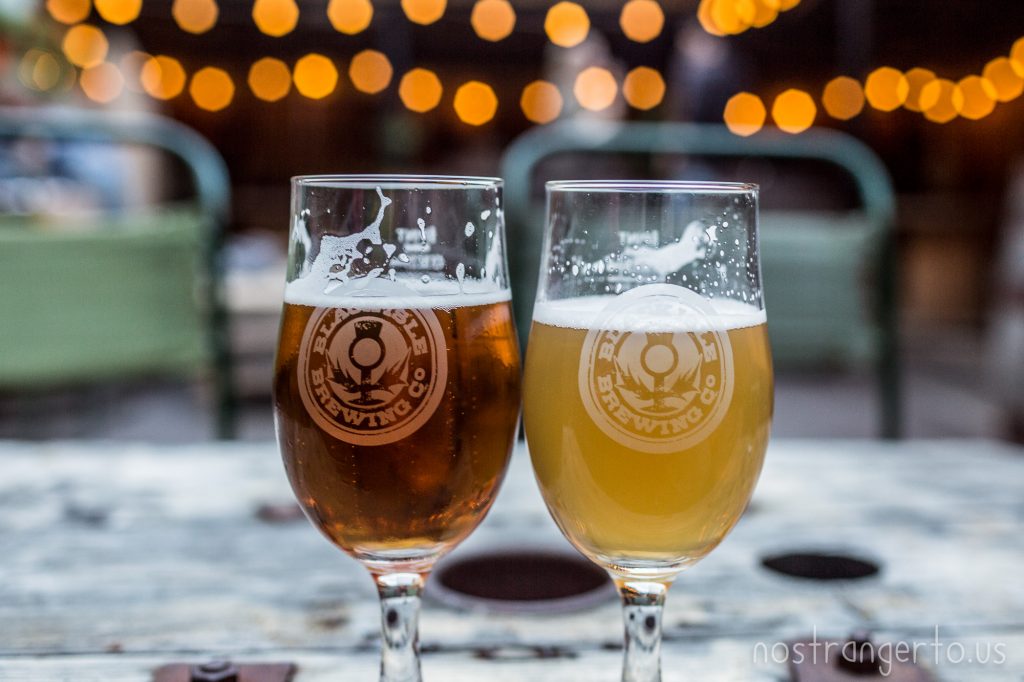
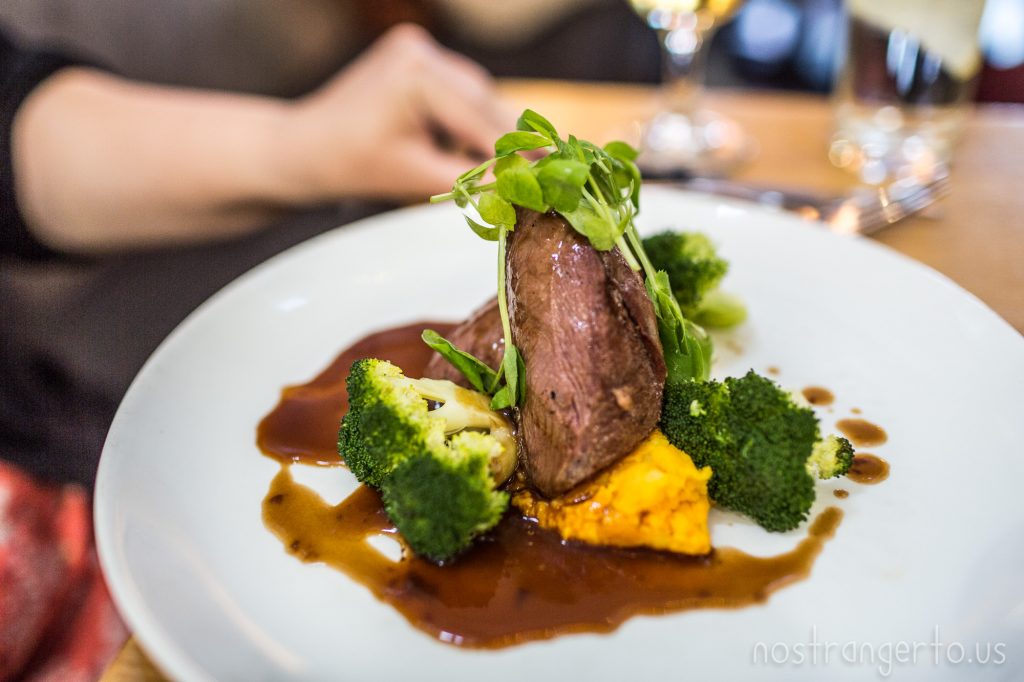
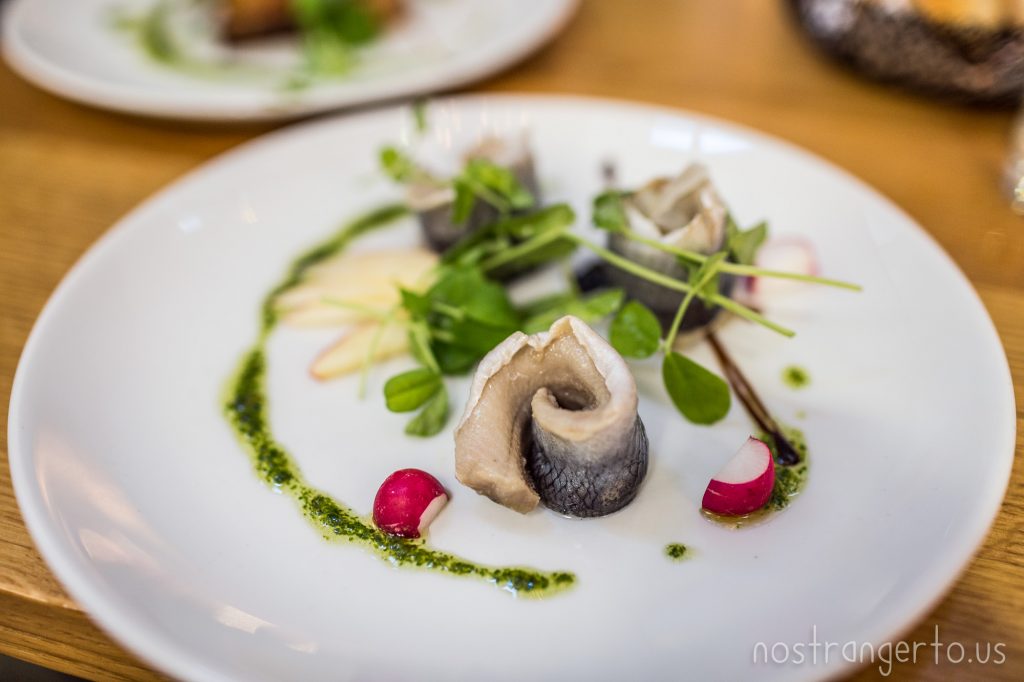
We ate at The Kitchen Restaurant which was an unplanned treat. If you can believe it, we fought over the last piece of pickled herring (if you can believe it!) and shared a fabulous duck entree. We then got gelato at Miele’s Gelatoria, they even have non-dairy options. Finally we ended the night with a few half pints of the local beer at Black Isle Bar. It was a real treat to sample the micro-brew culture of the Scottish Highlands.
Day 8 – Clava Cairns and Culloden – Scottish Highlands
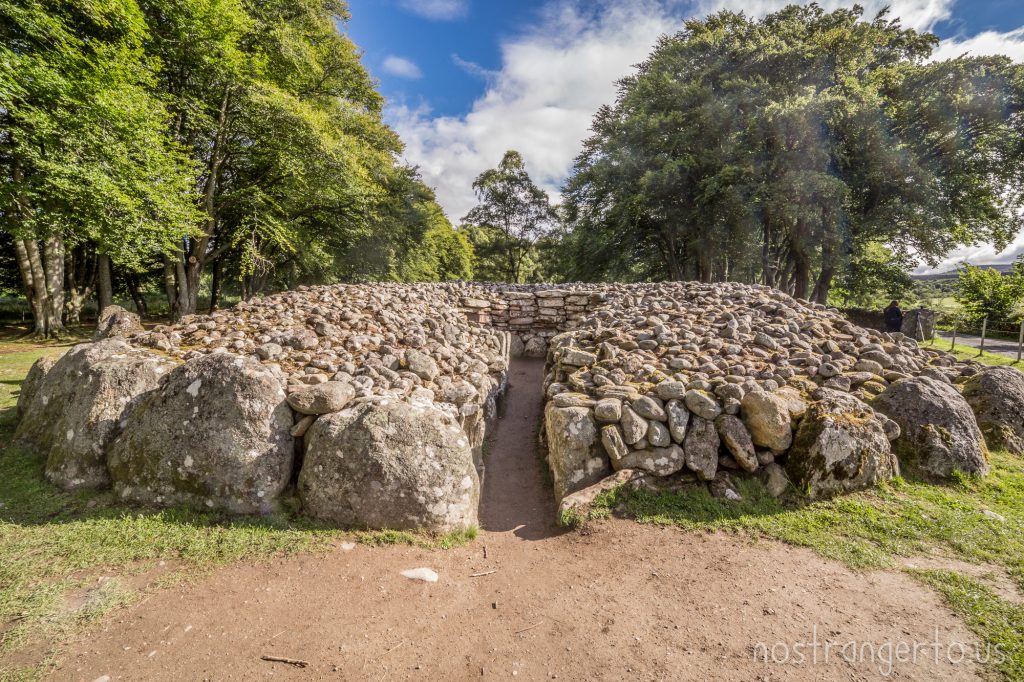
Clava Cairns are ancient Bronze Age burial sites, shaped like a slabbed letter C. (C is for Cairn, that’s good enough for me.) The other edge is large boulders that hold the larger stones. They are about 1.5 meters high and about 30m in diameter. They are found all other the Scottish Highlands and Ireland as well.
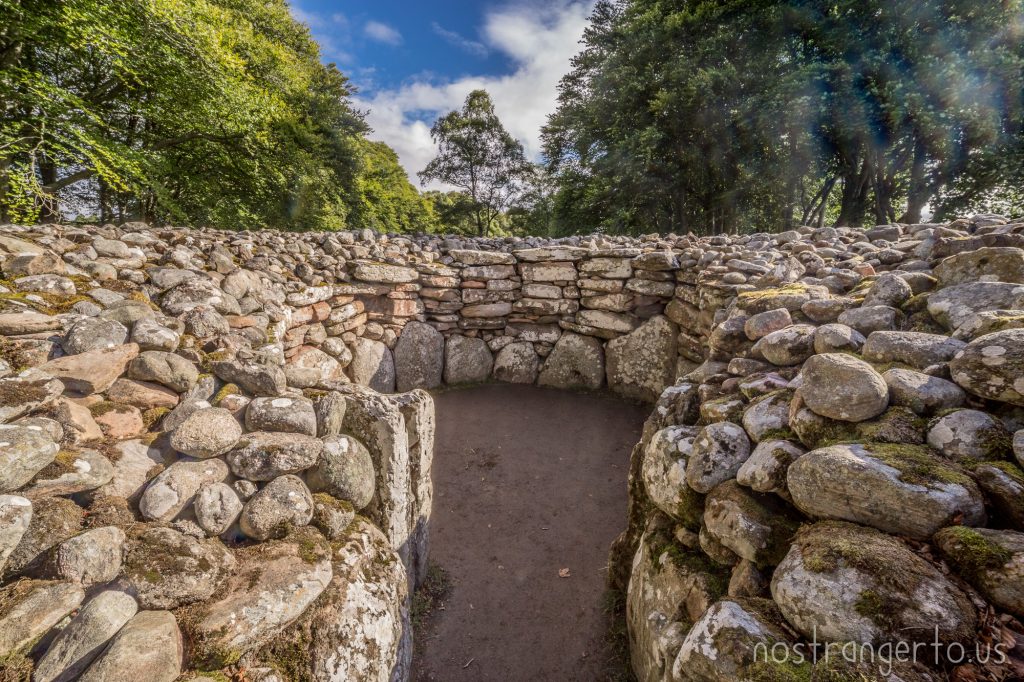
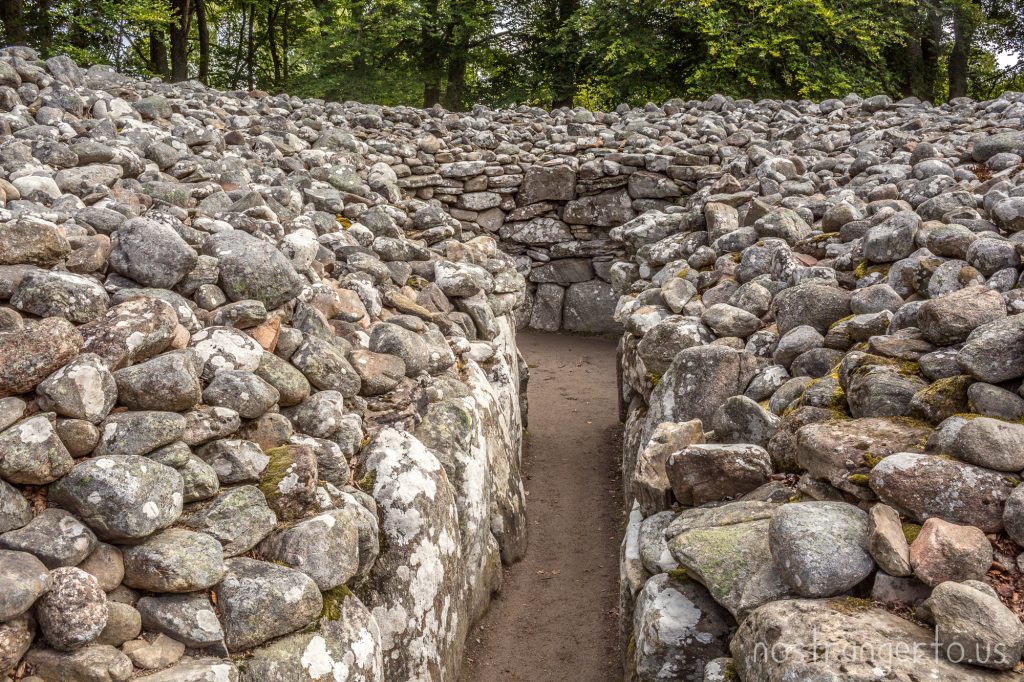
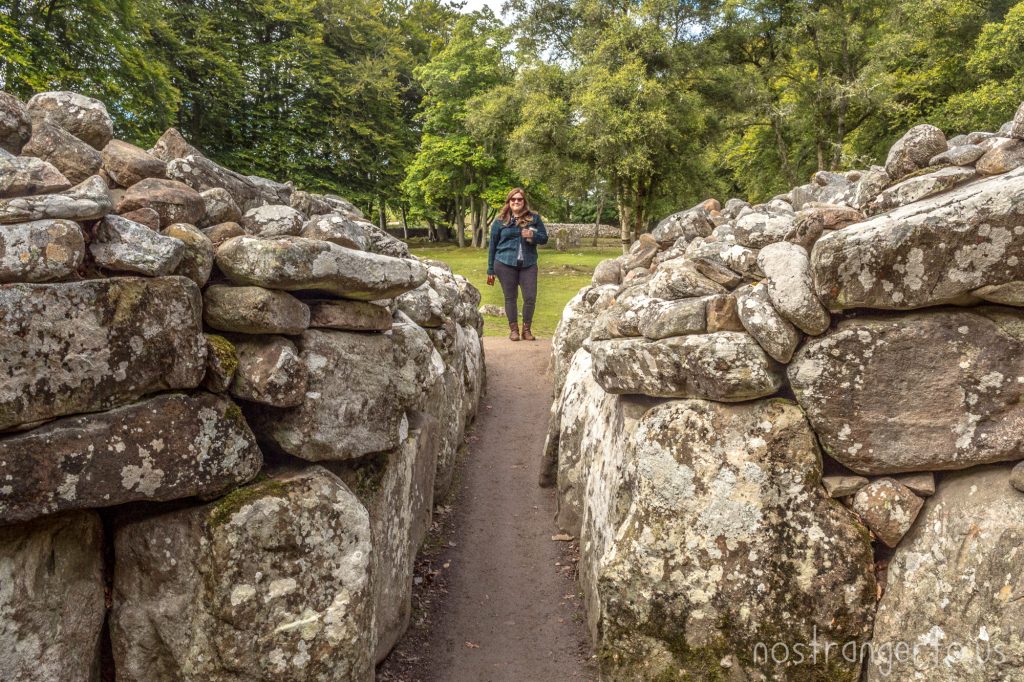
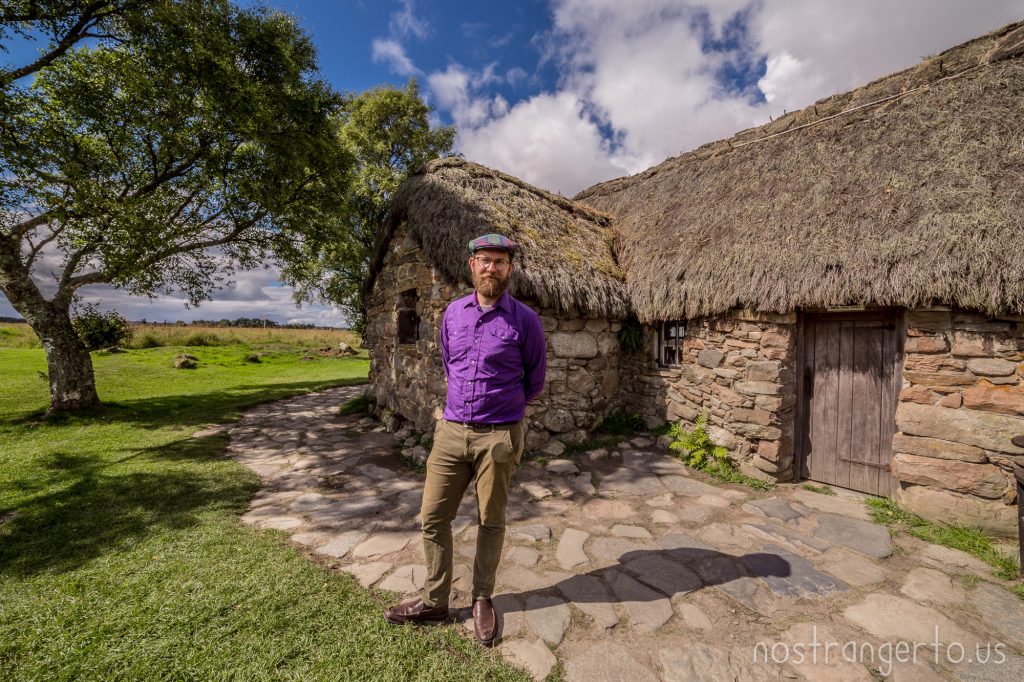
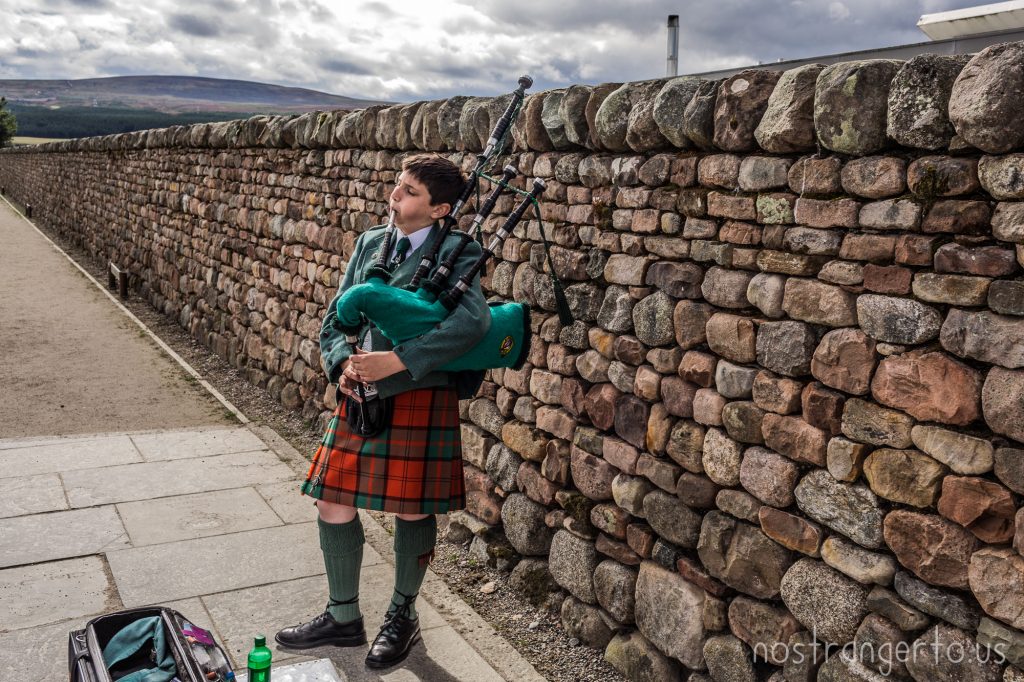
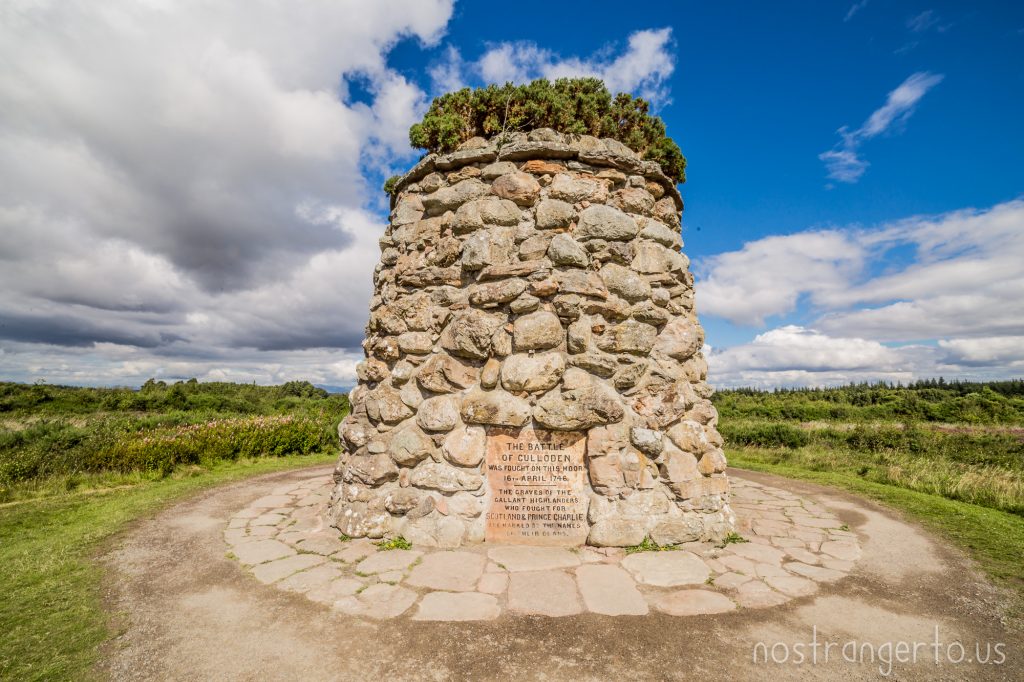
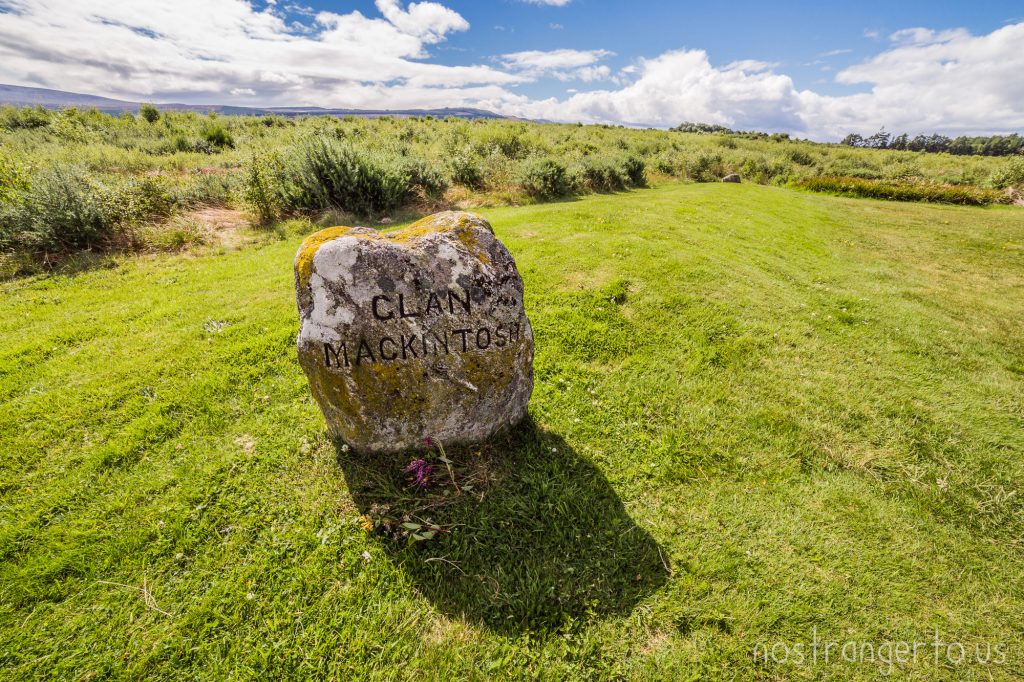
Culloden Battlefield was chalked full of history about a tragic last stand in what could be described as a British civil war. The Scotsman that fought for the insurgency of Bonny Prince Charlie were ill prepared to fight against the heavy artillery of the British government. Yet they bravely and tragically fought the lost cause anyway, which is why it is romantically commemorated. The show Outlander tells the story of the highlander clans from the perspective of a time traveling doctor (no, not THE Doctor, that’s a different show).
Day 9 – Stirling Castle – Stirlingshire, Scotland
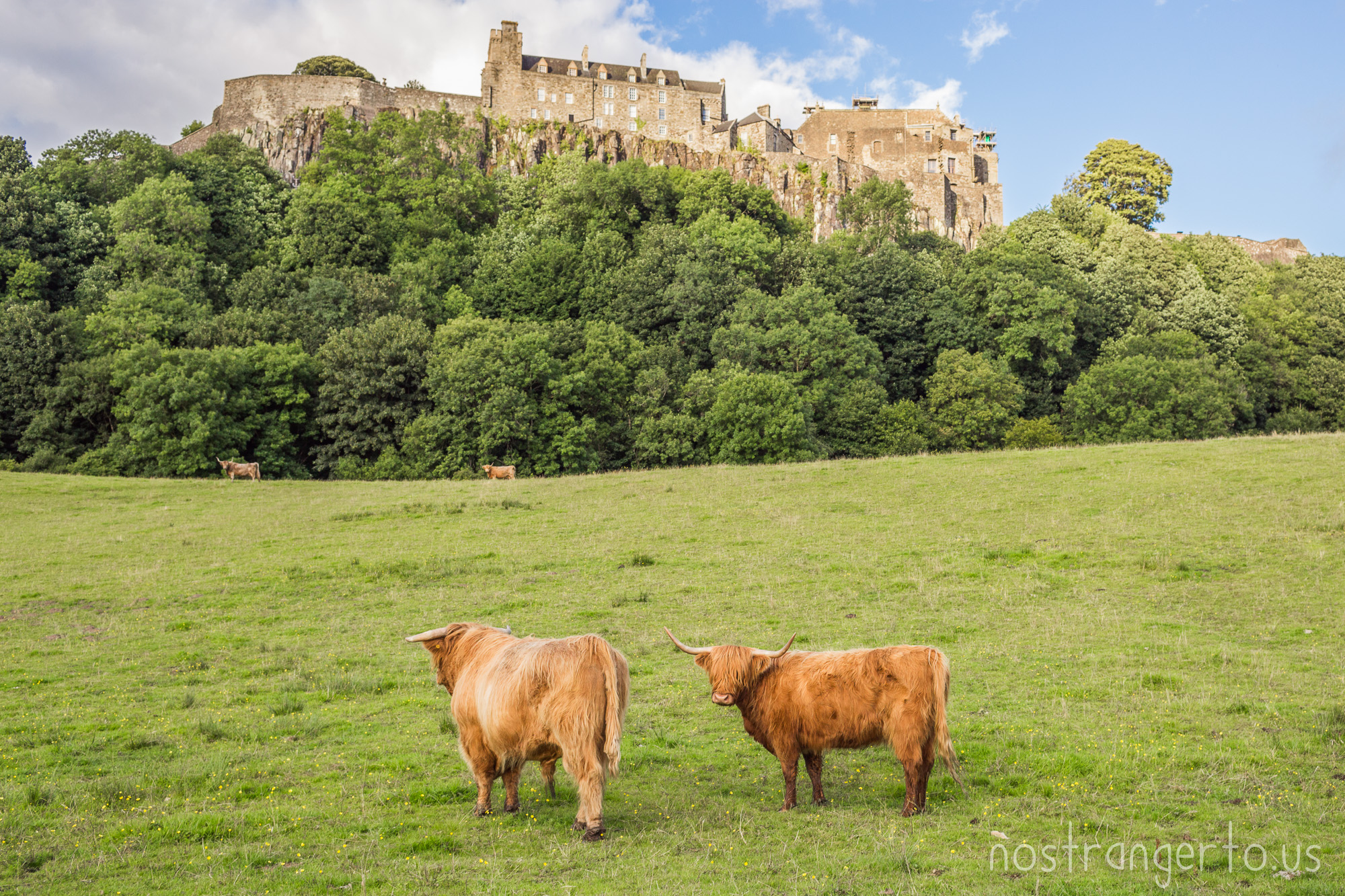
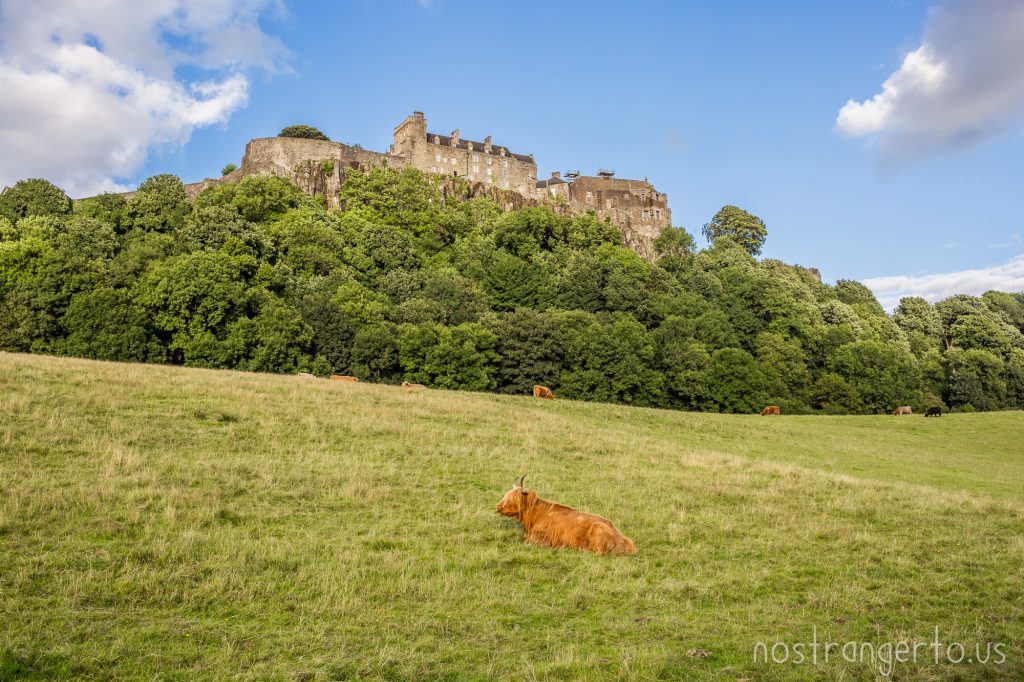
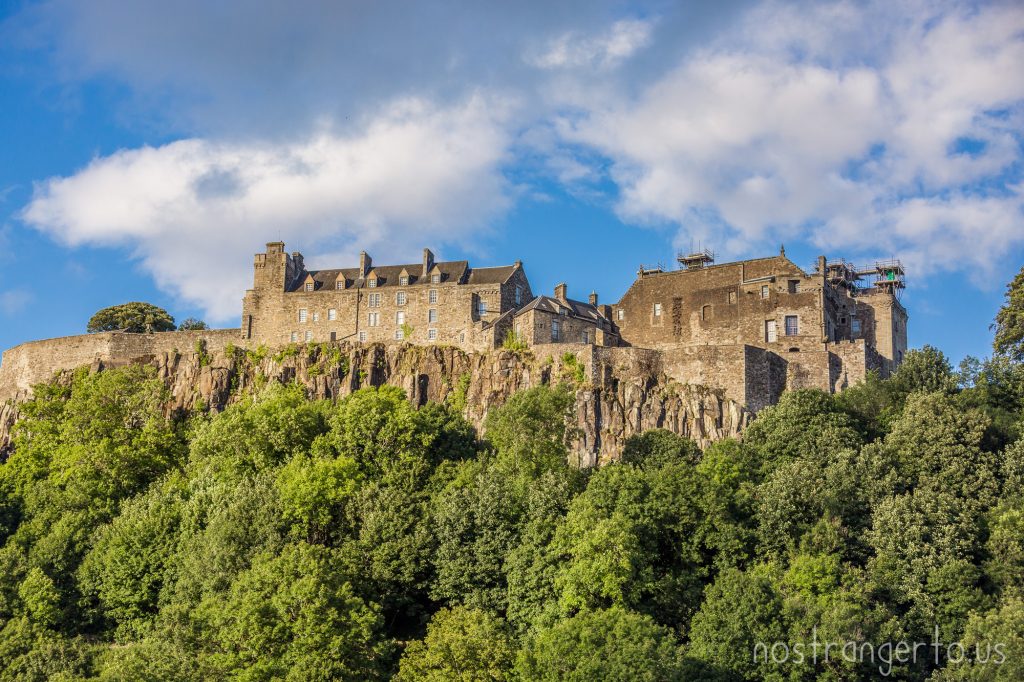
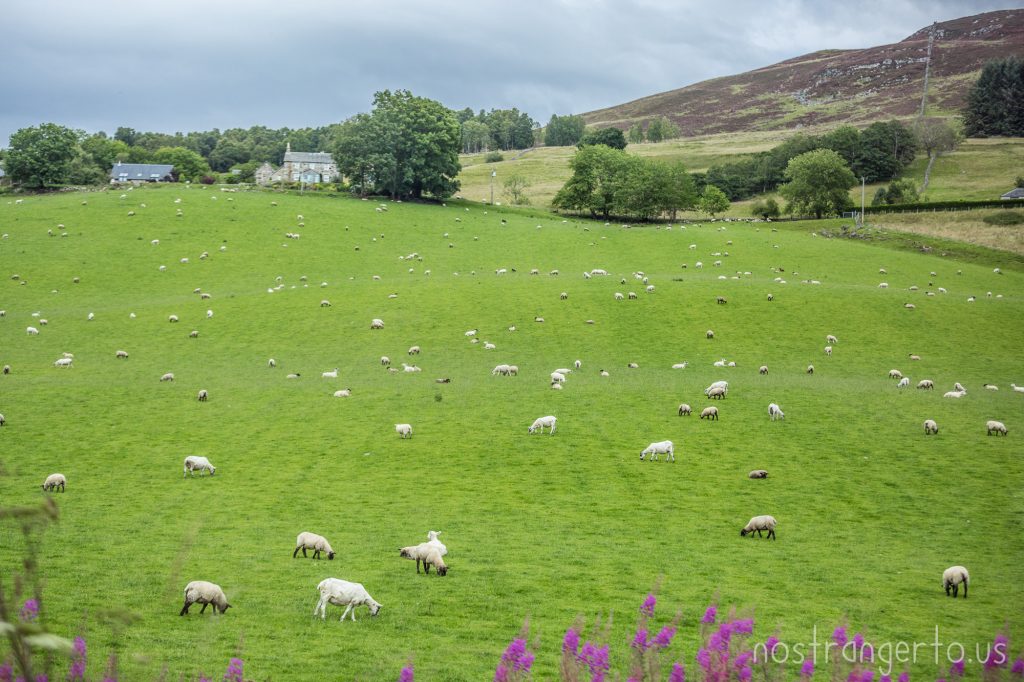
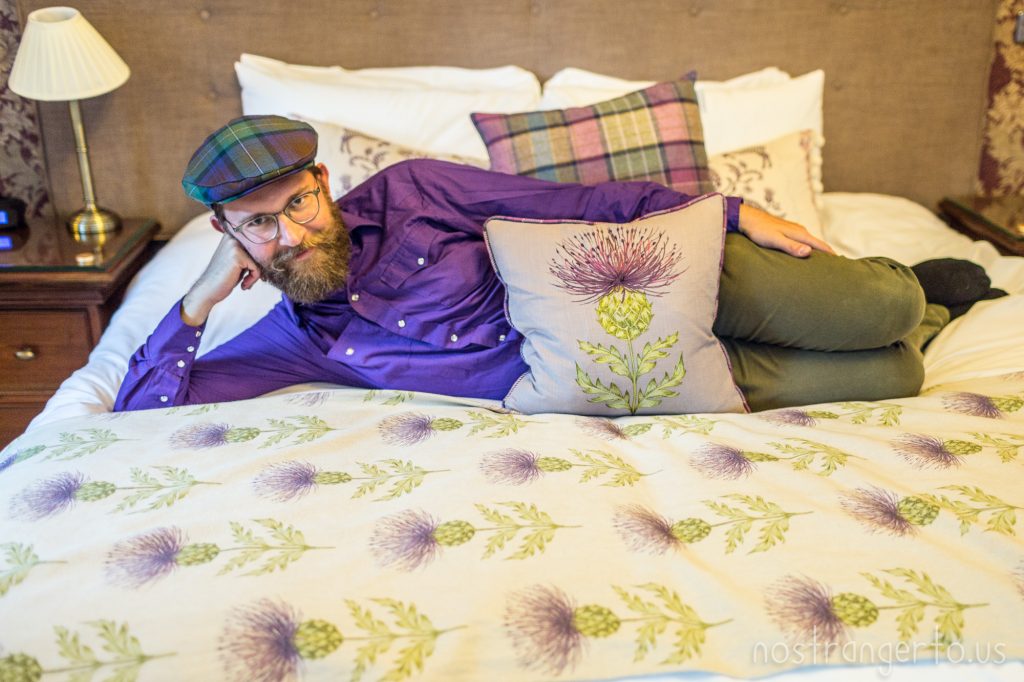
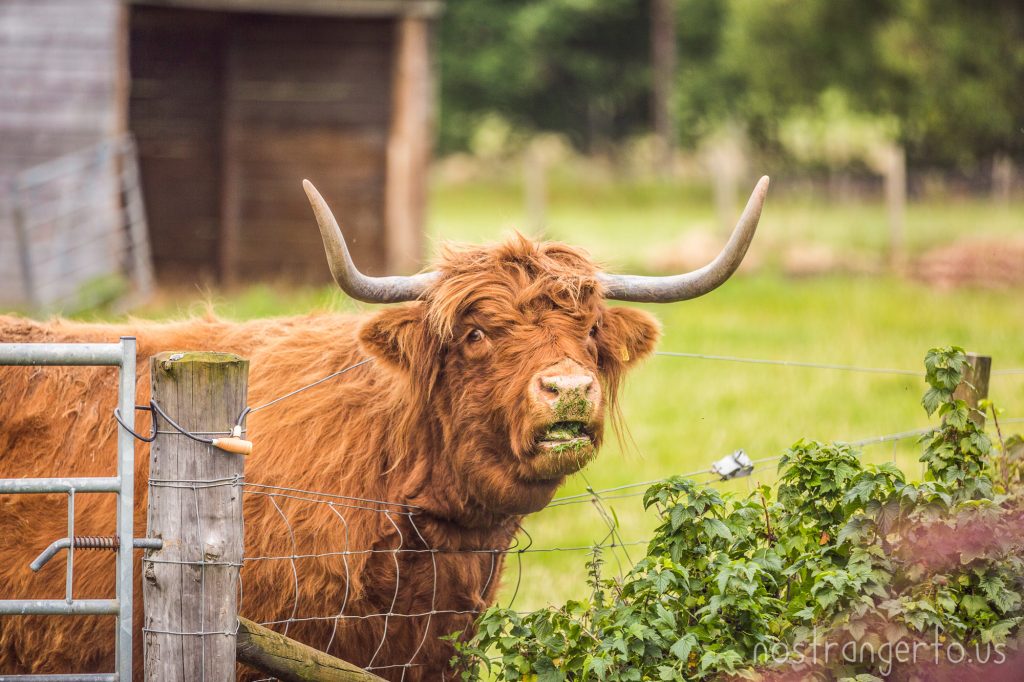
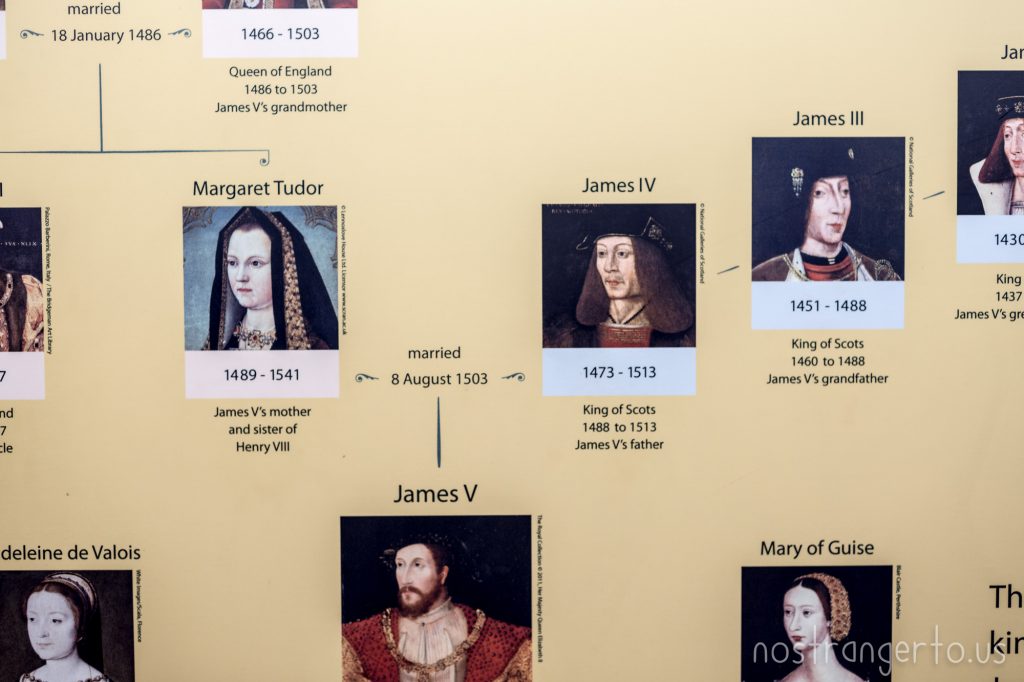
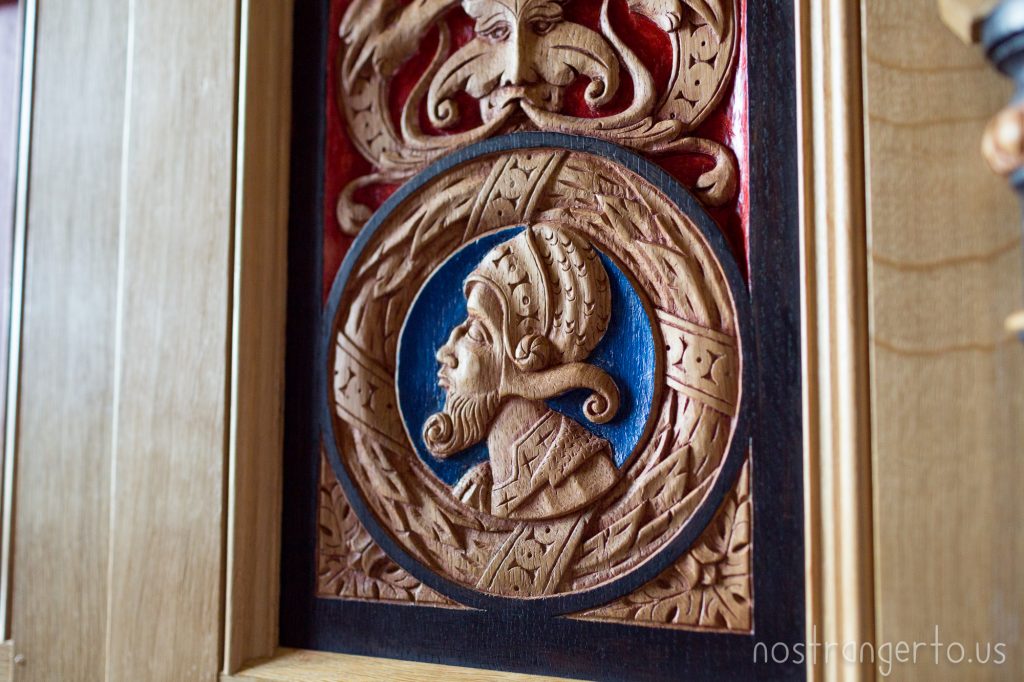
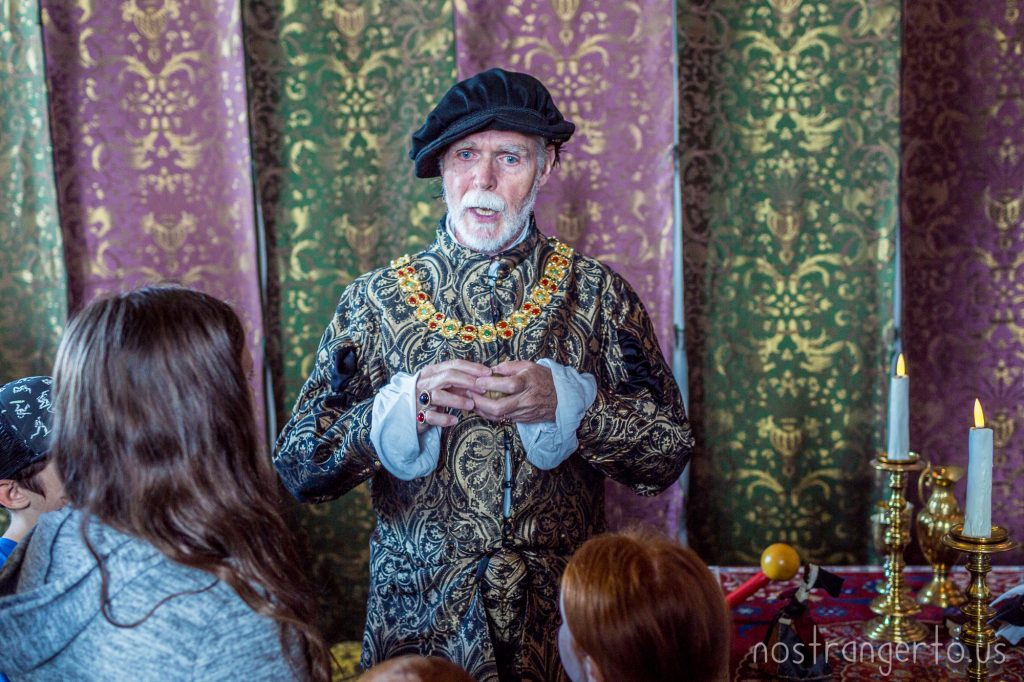
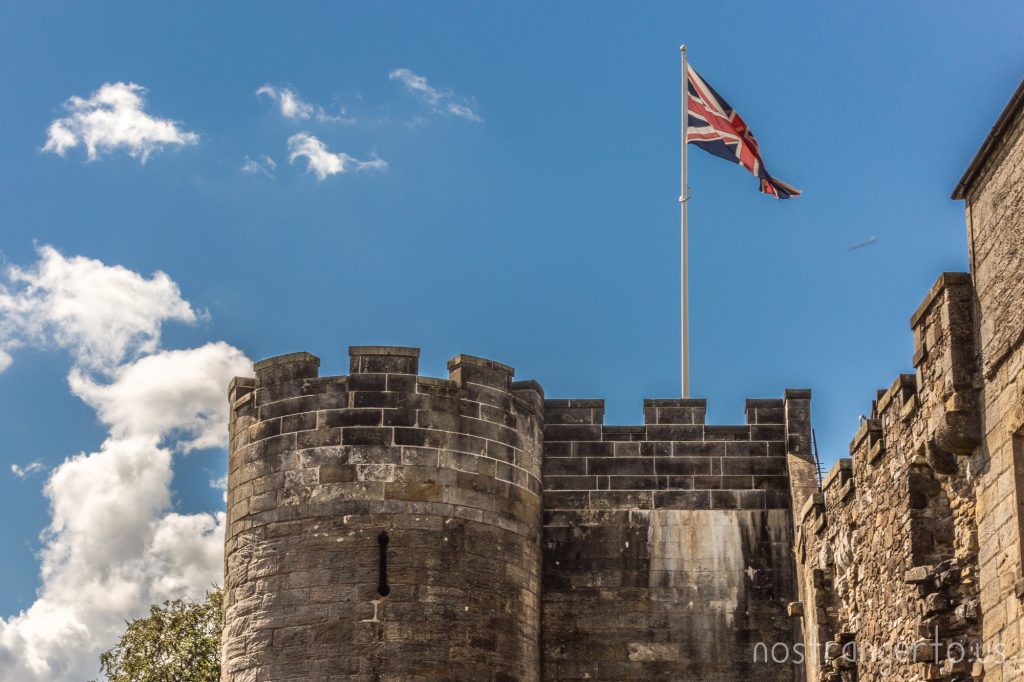
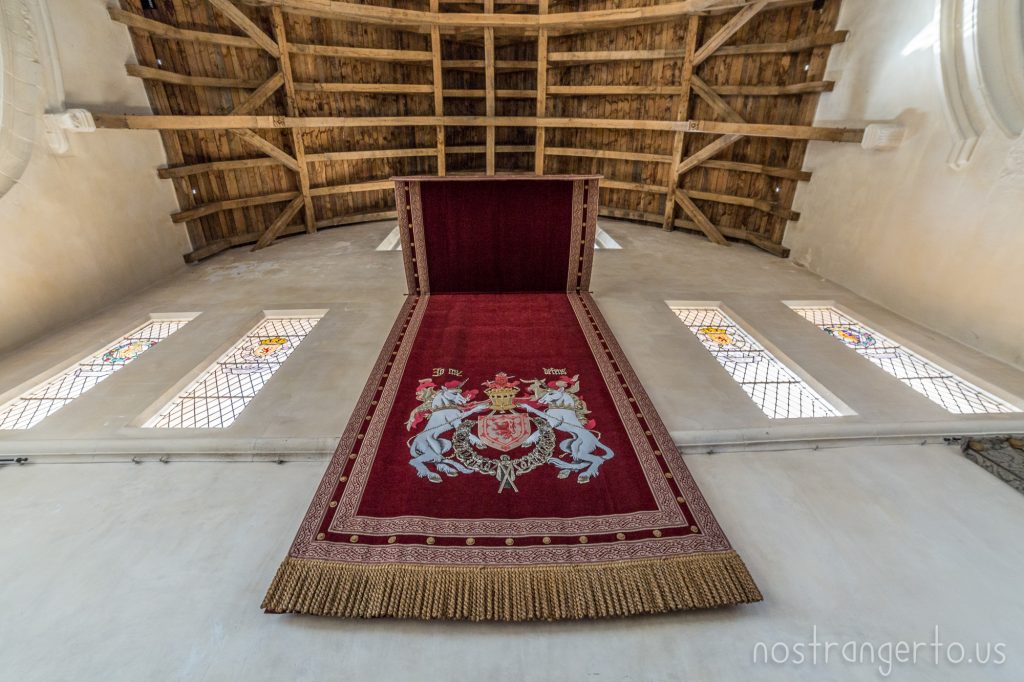
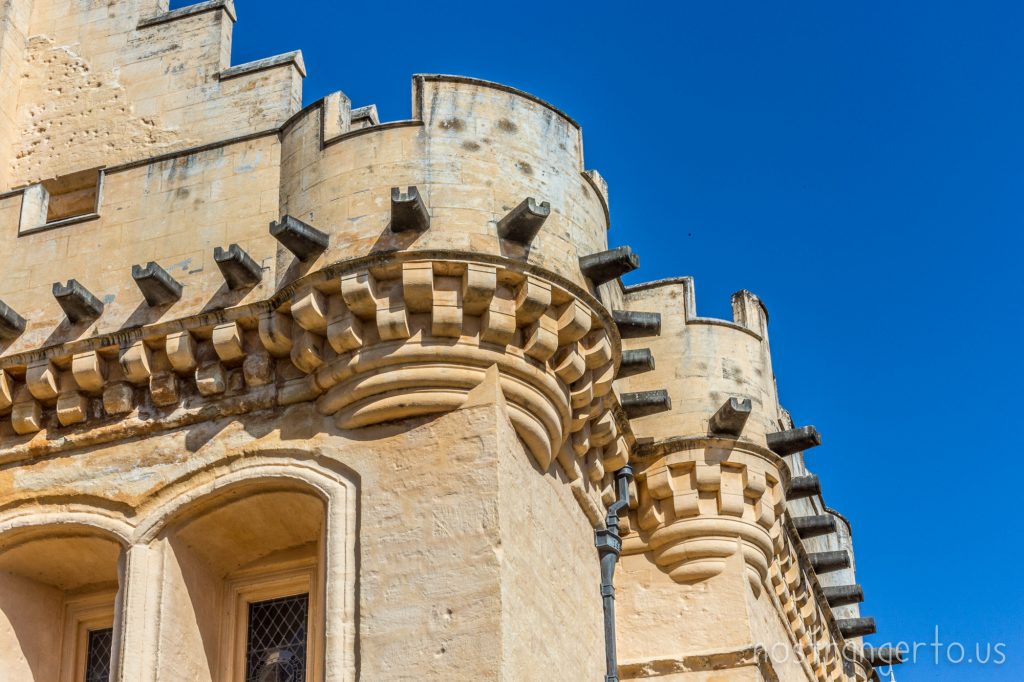
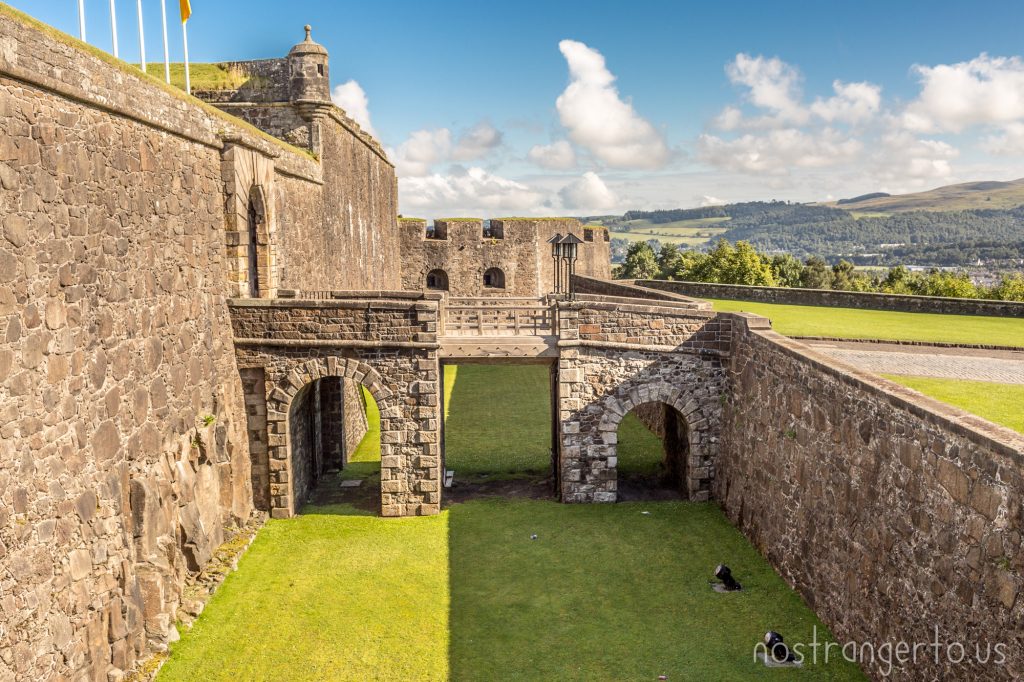
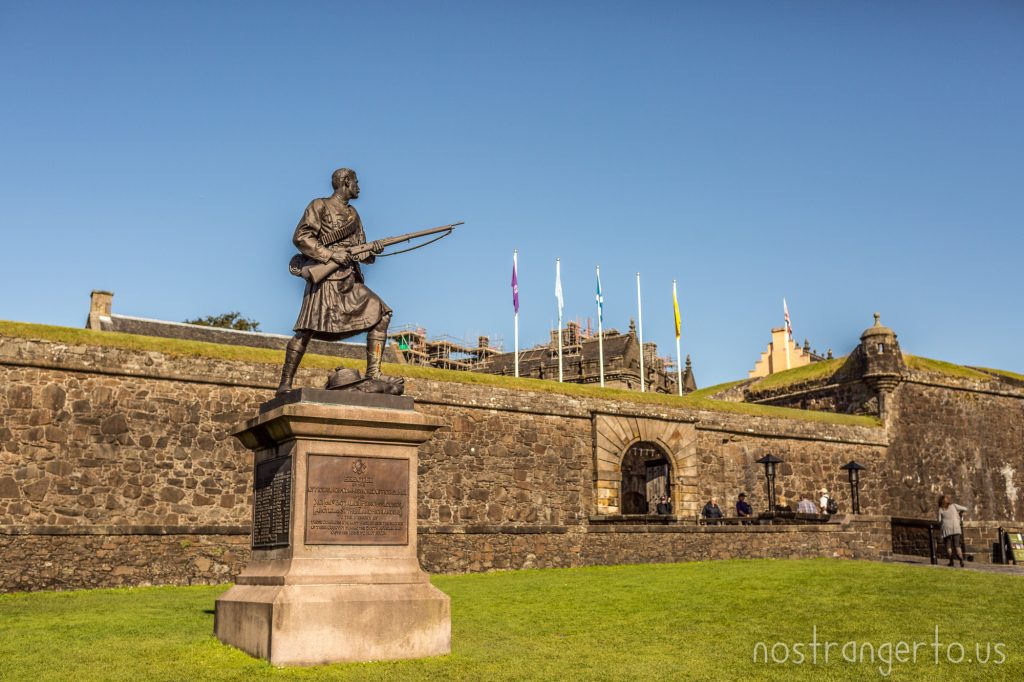
Stirling is just south of the Scottish Highlands, so please forgive us from including in our “Highlands” post. It might have been our favorite town, it is filled with history yet light on the tourists. The old town sits on a hill, with Stirling Castle on top.
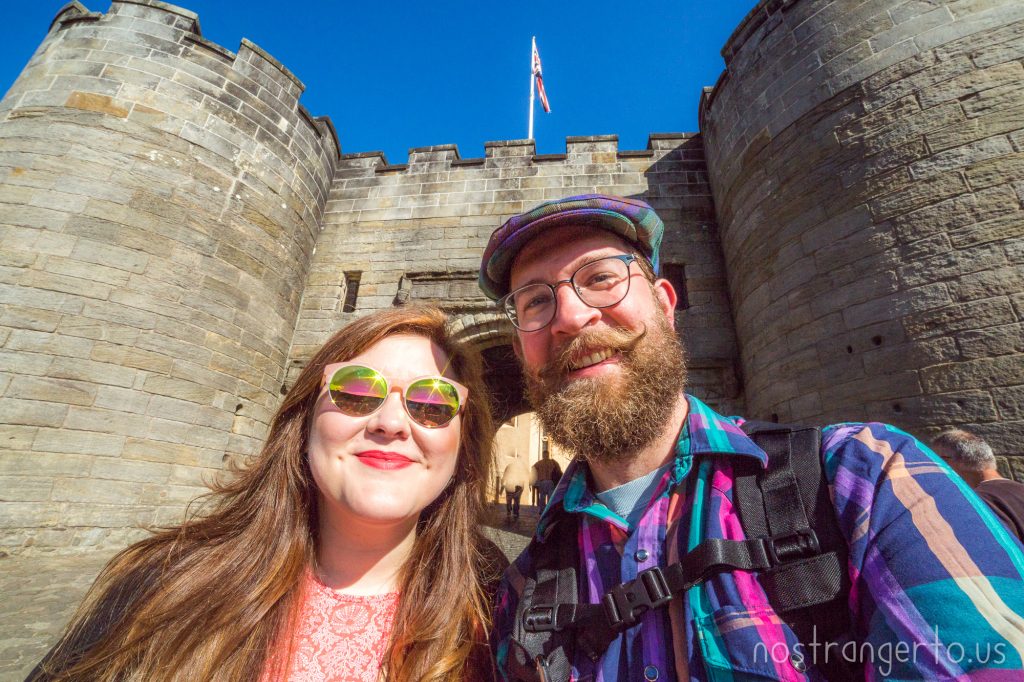
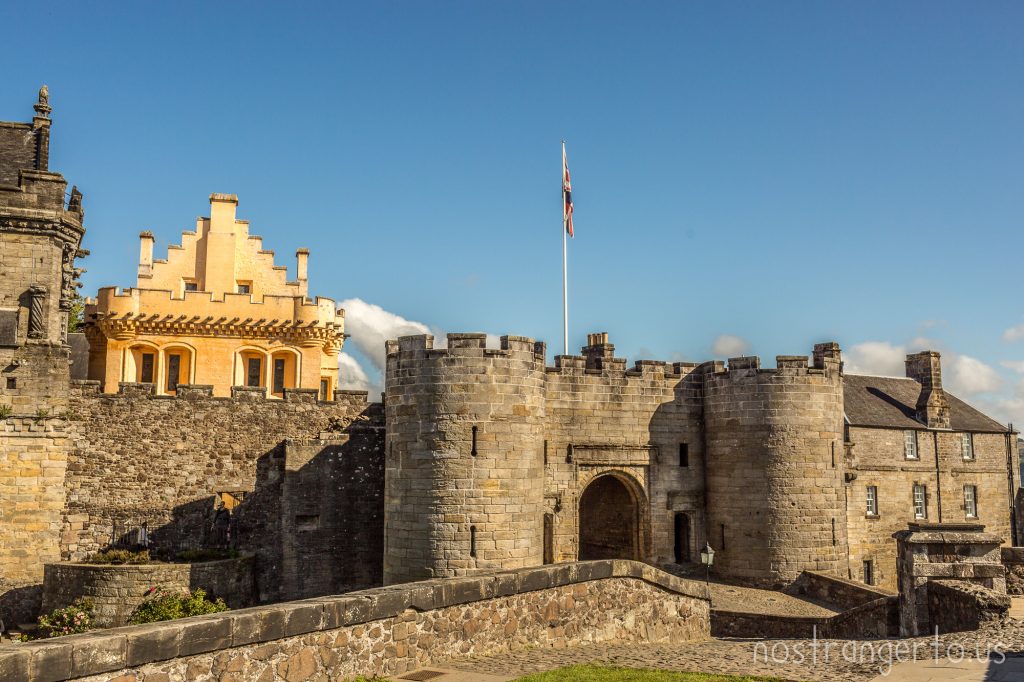
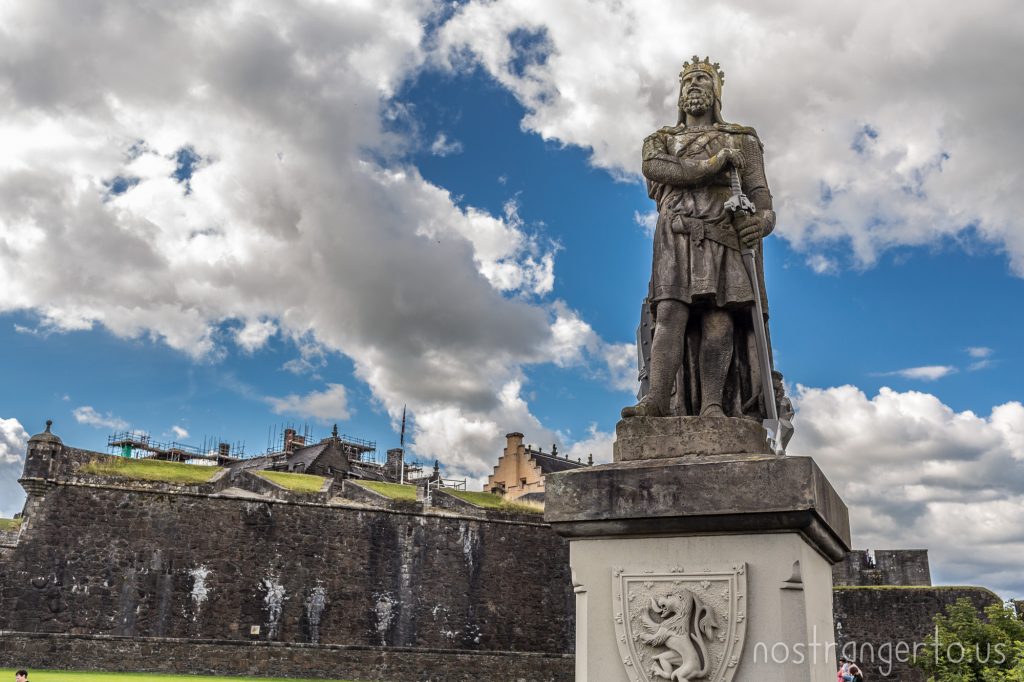
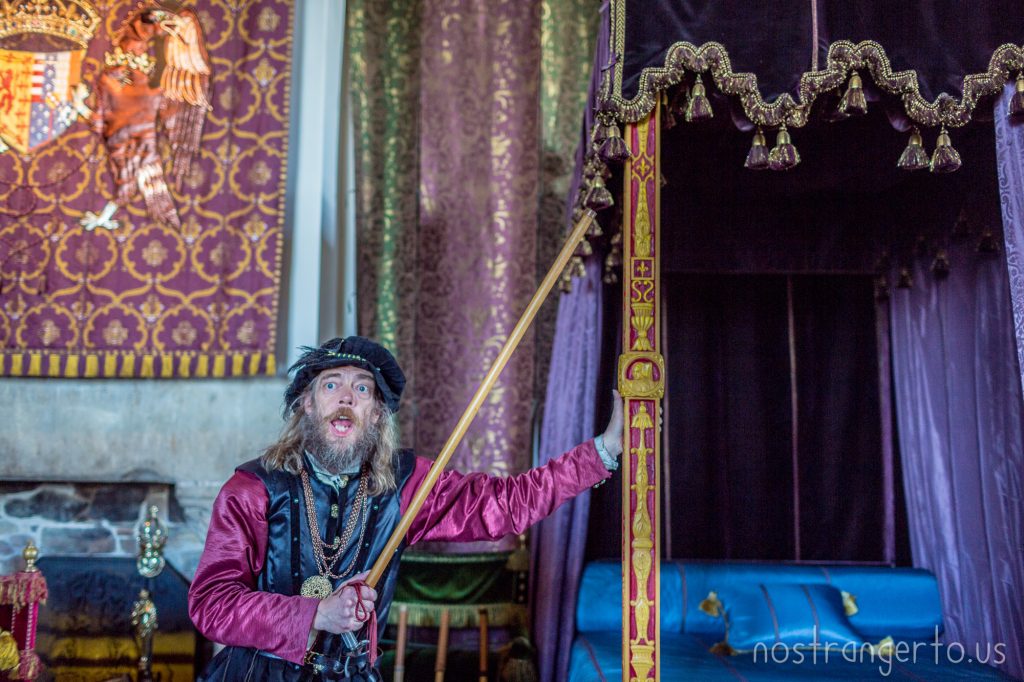
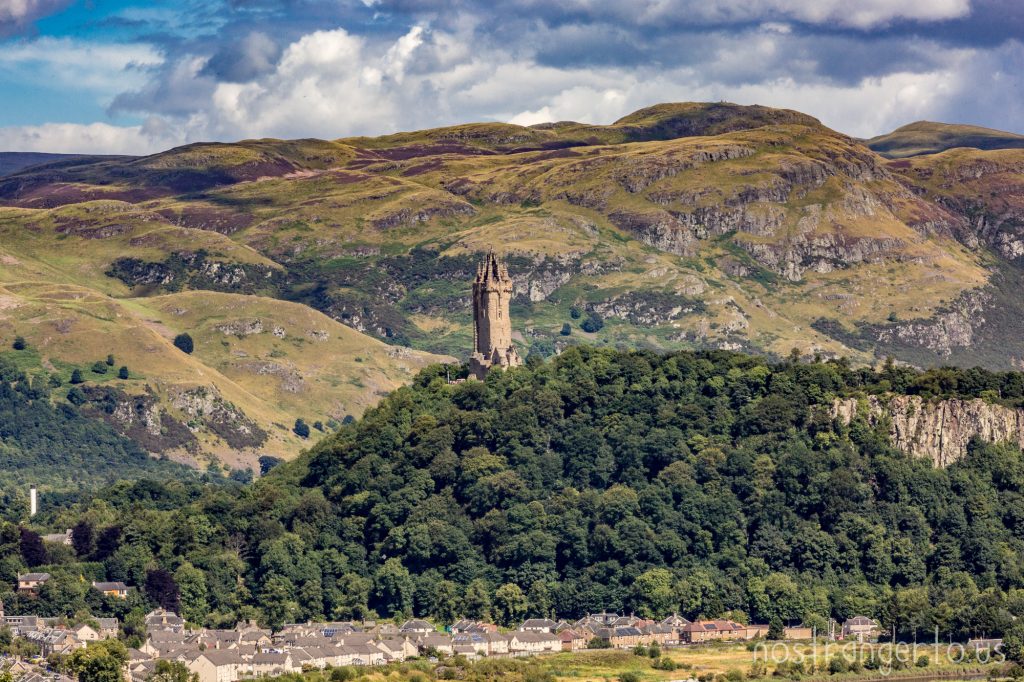
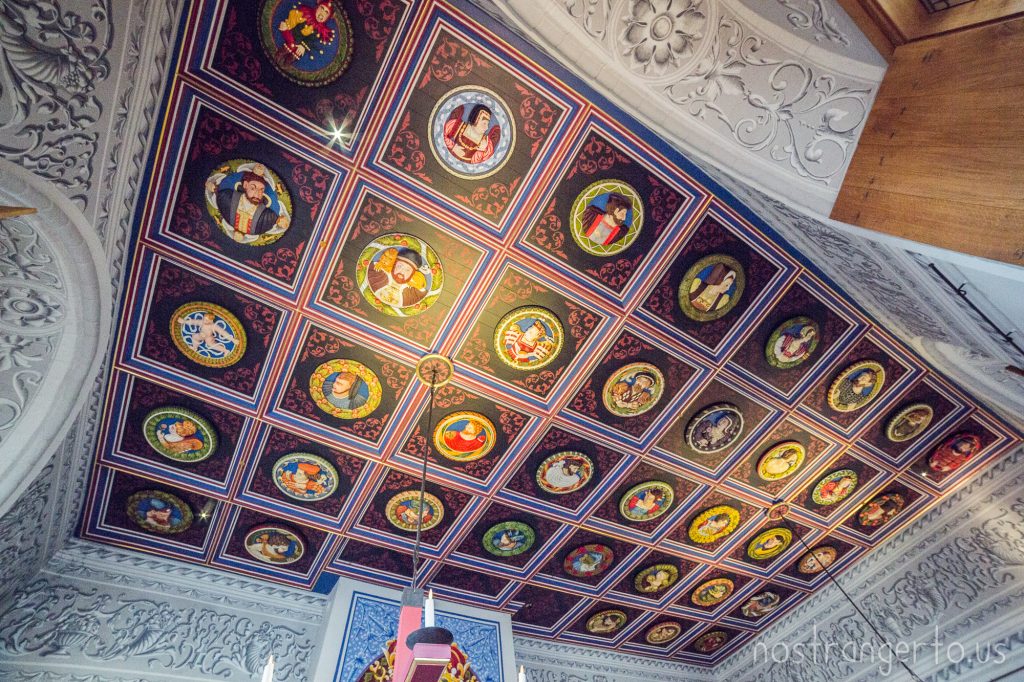
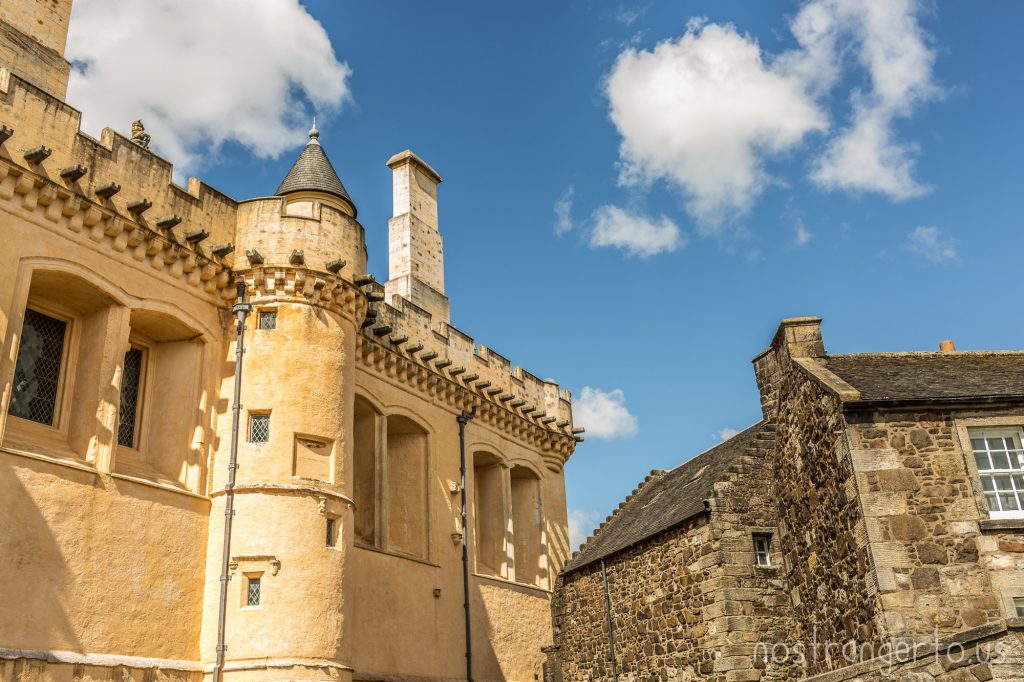
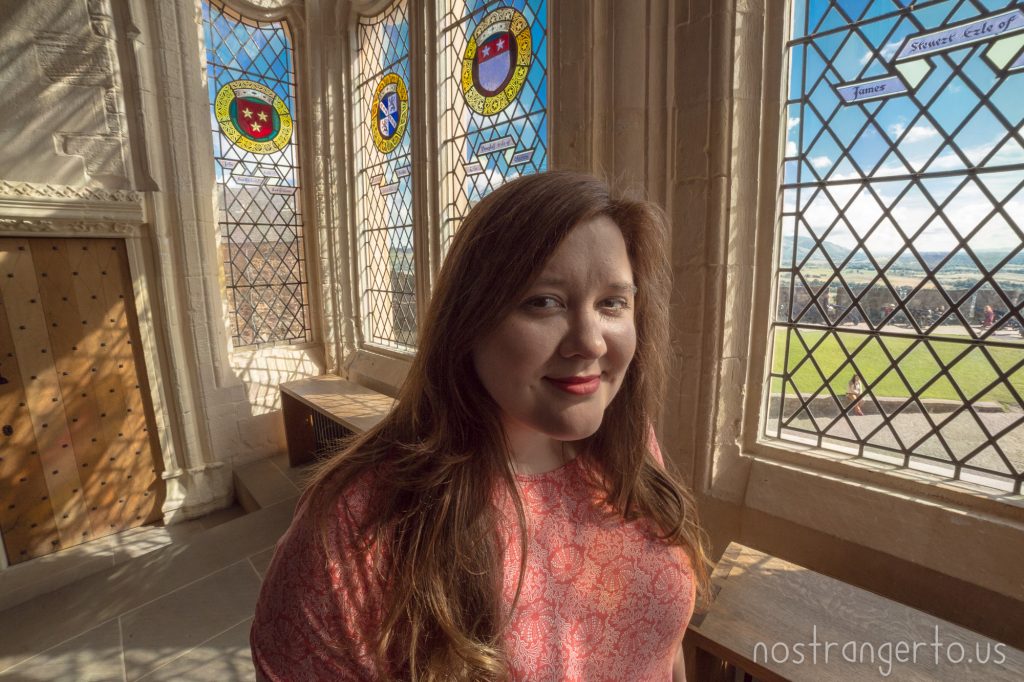
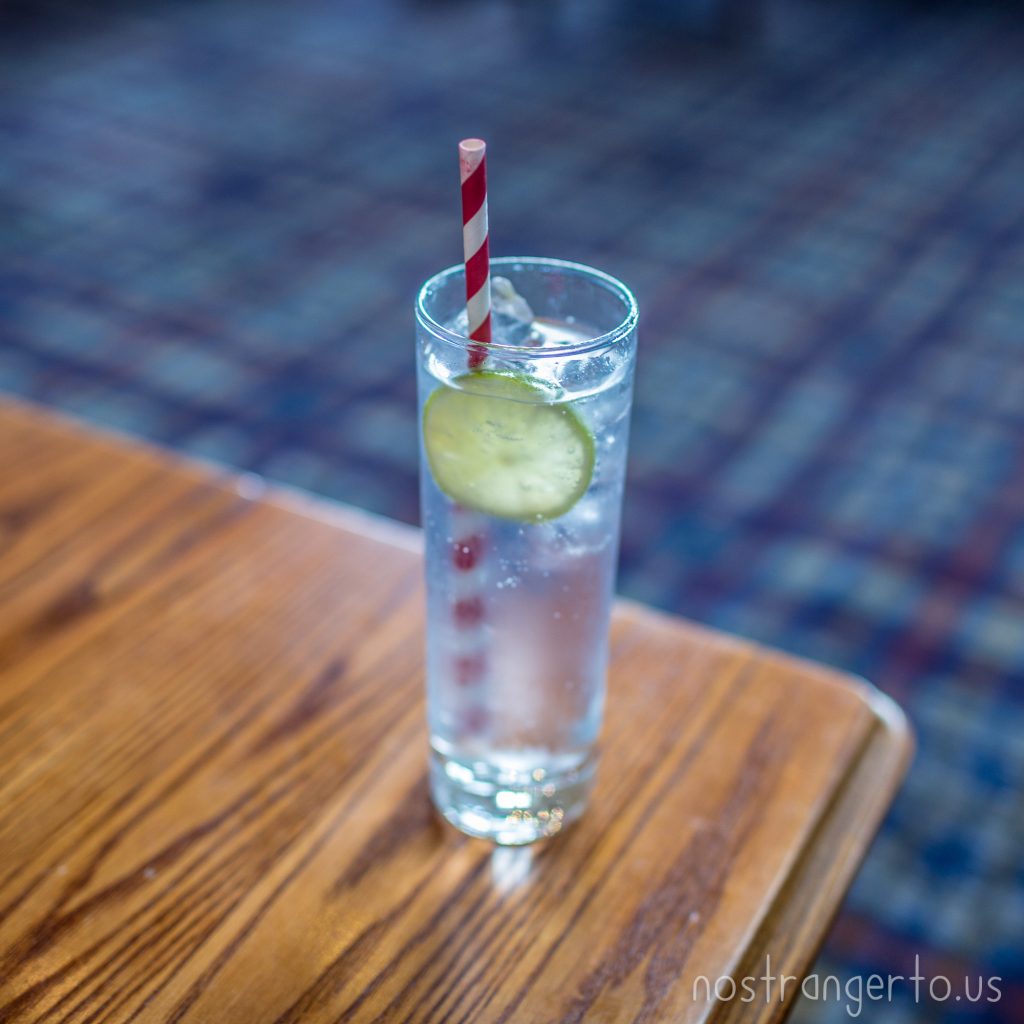
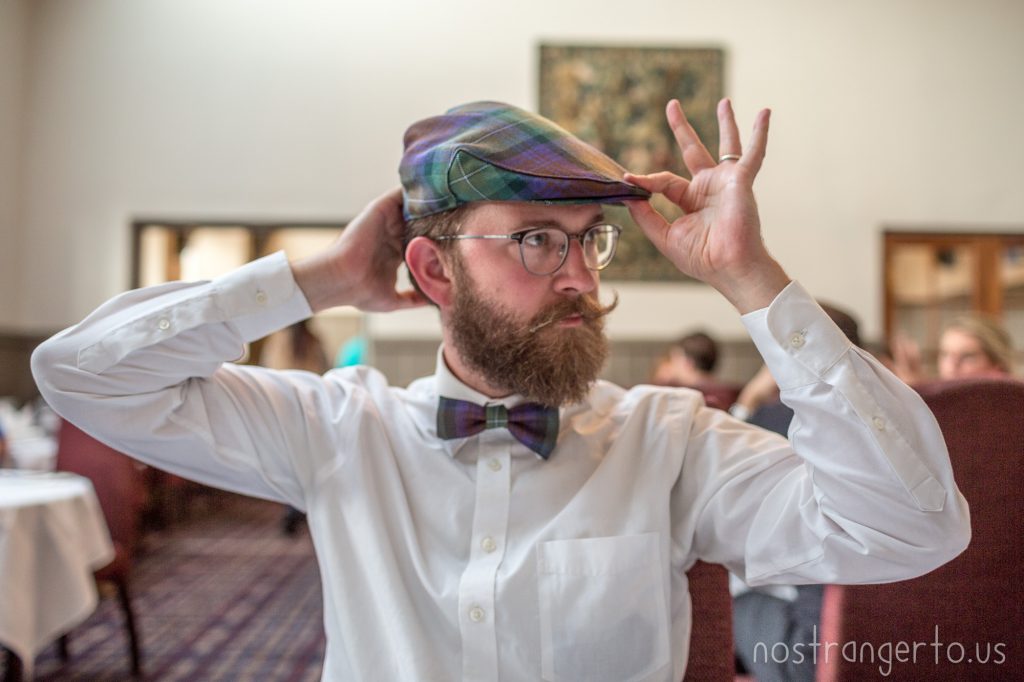
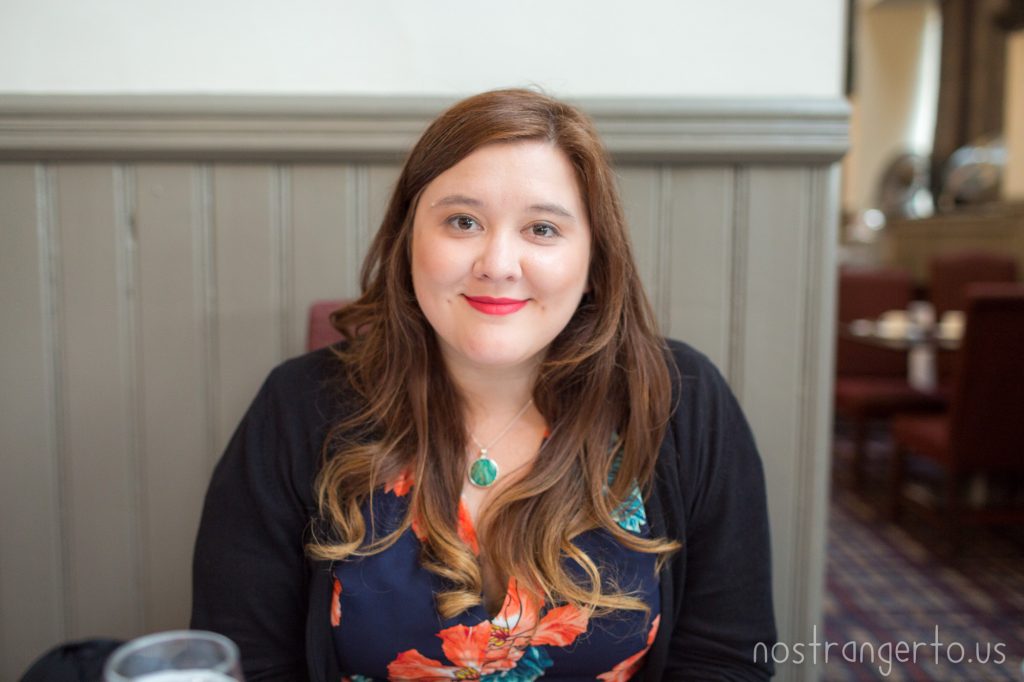
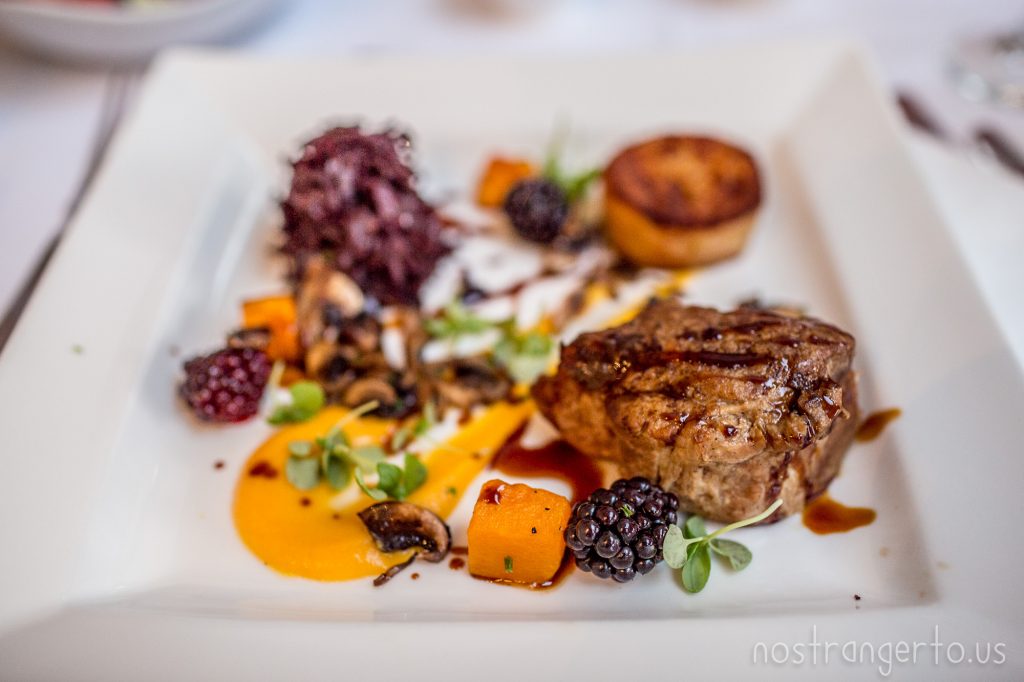
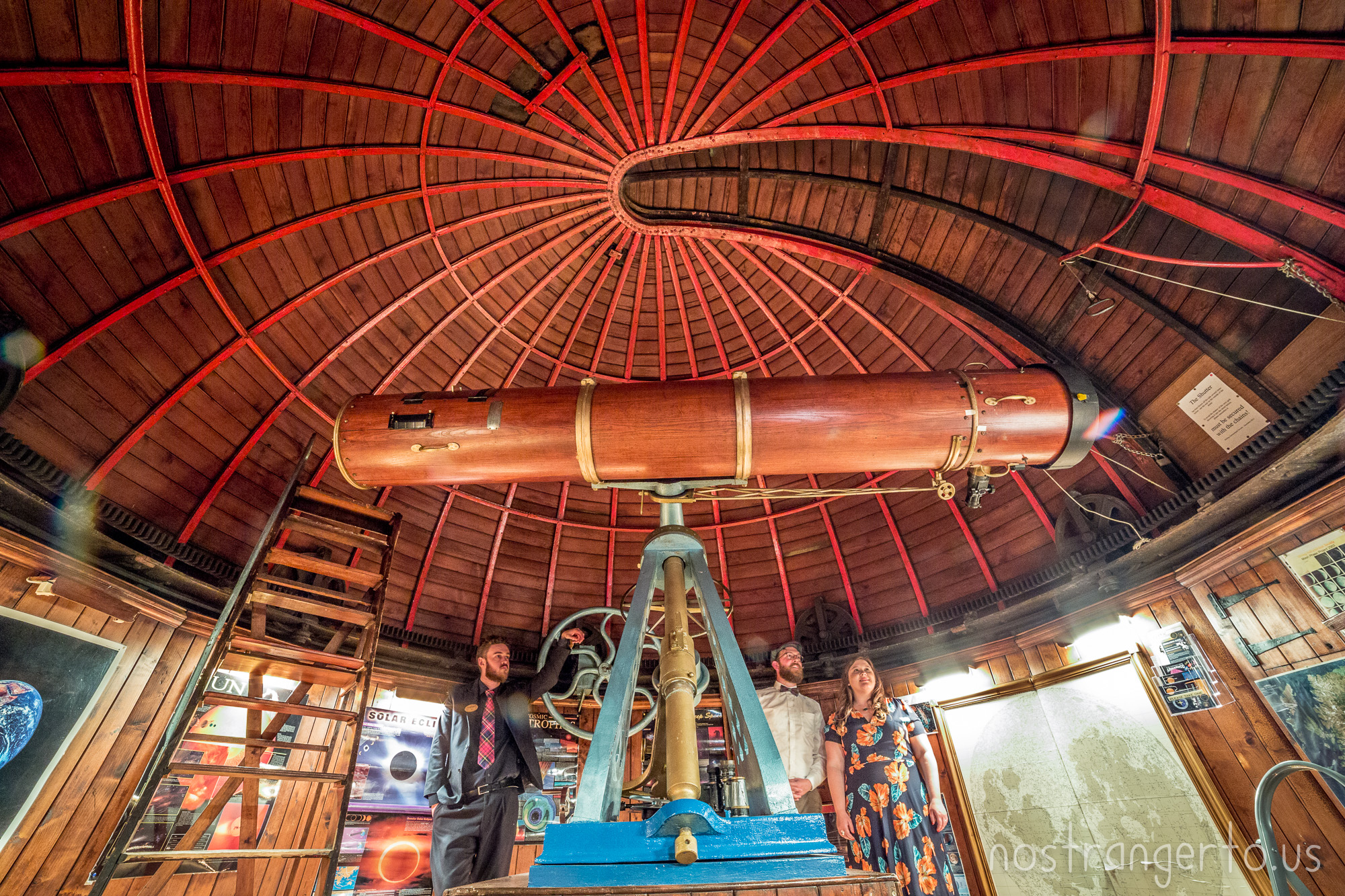
For our anniversary dinner we when to the Stirling Highland Hotel and had a lovely 3 course meal. The big surprise was that Juliette and selected the location because of one unique feature. Their building used to be a high school and in 1888 an observatory was added to house a one of a kind telescope. Cooper was thrilled to photograph this awesome little rotunda with rotating roof. Although the hotel runs tours, only the Stirling Astronomical Society can use the telescope to star gaze. It is worth coming back one day.
Day 10 – Stirlingshire – Scotland
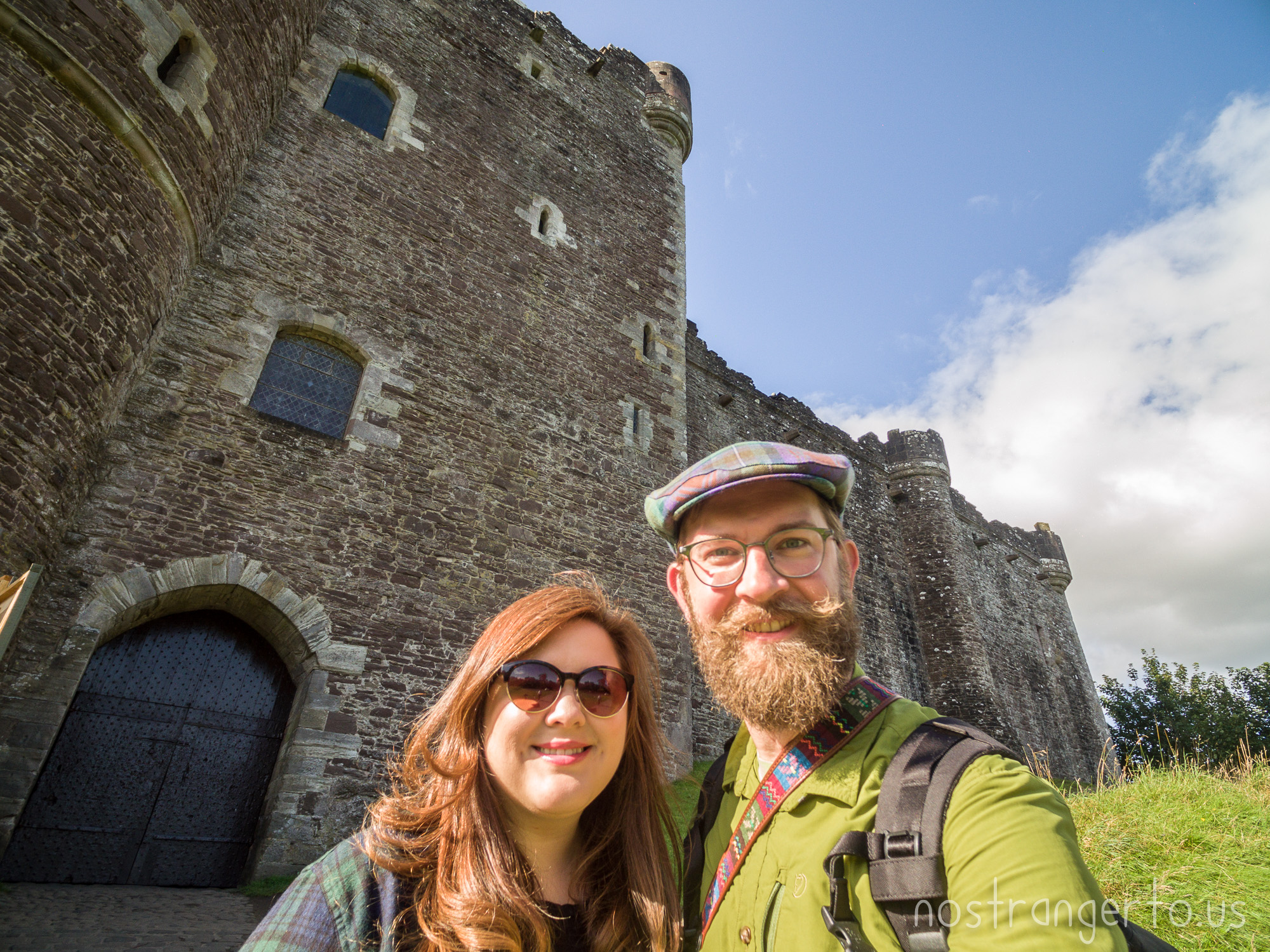
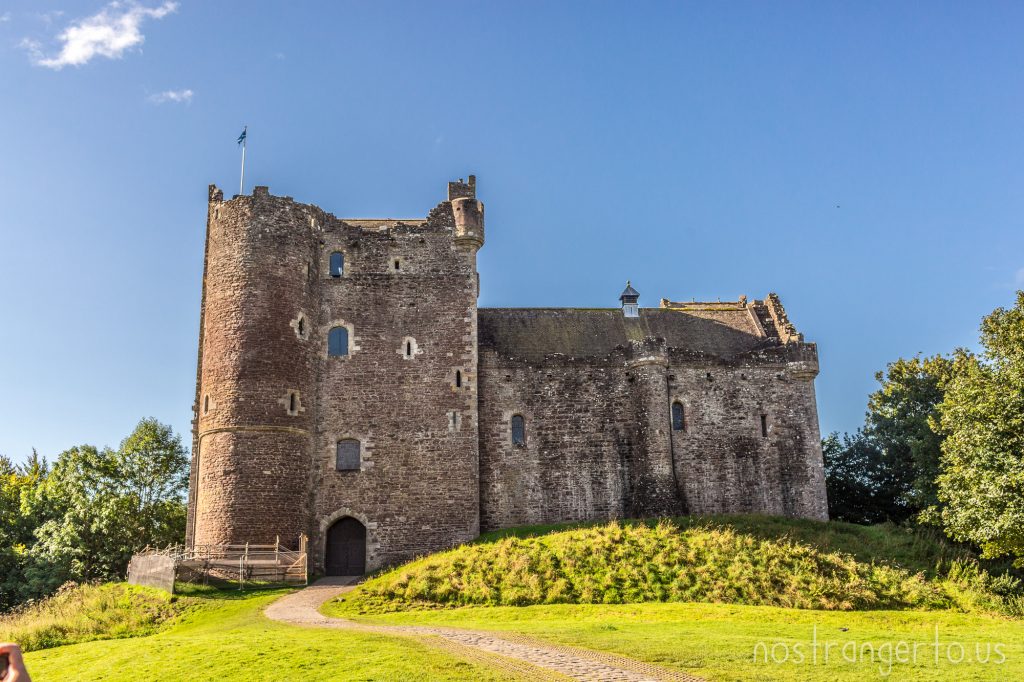
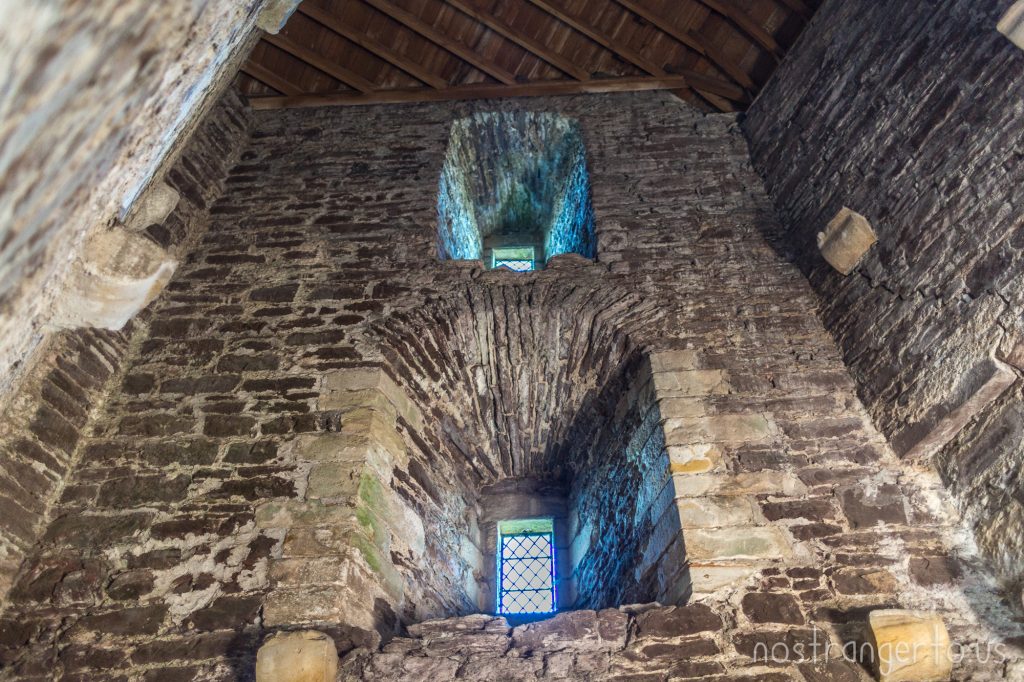
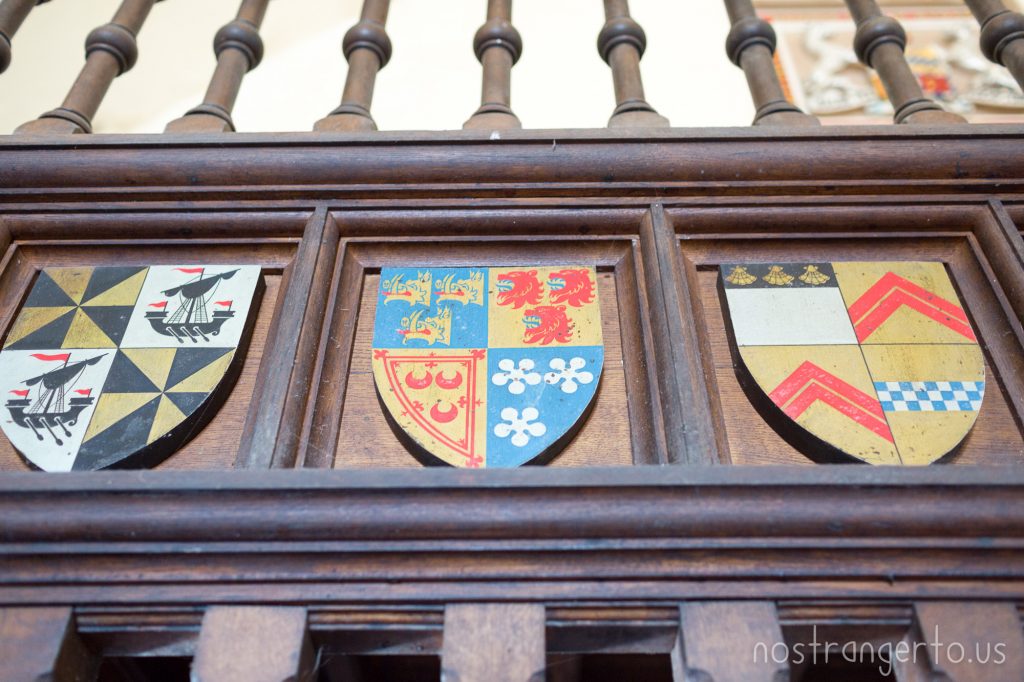
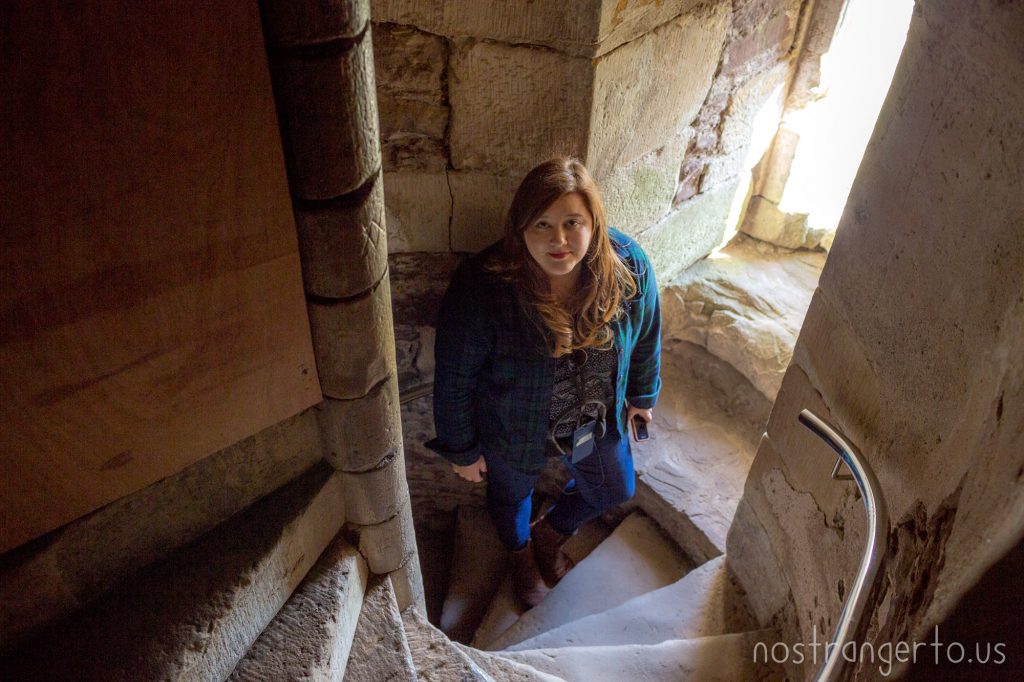
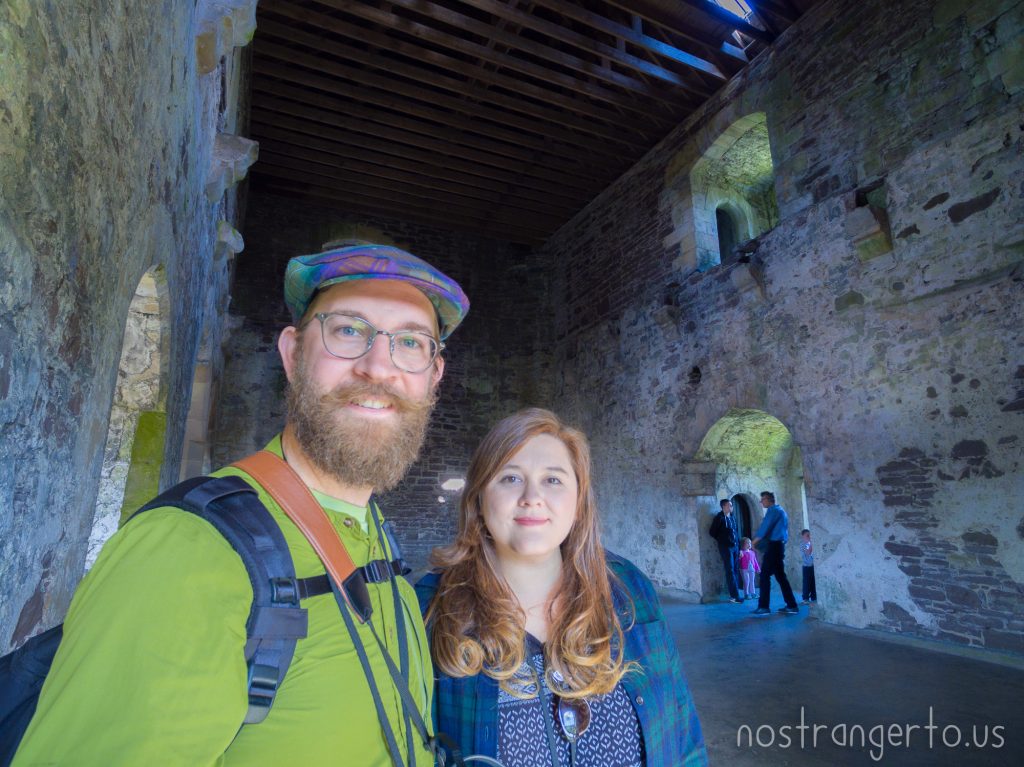
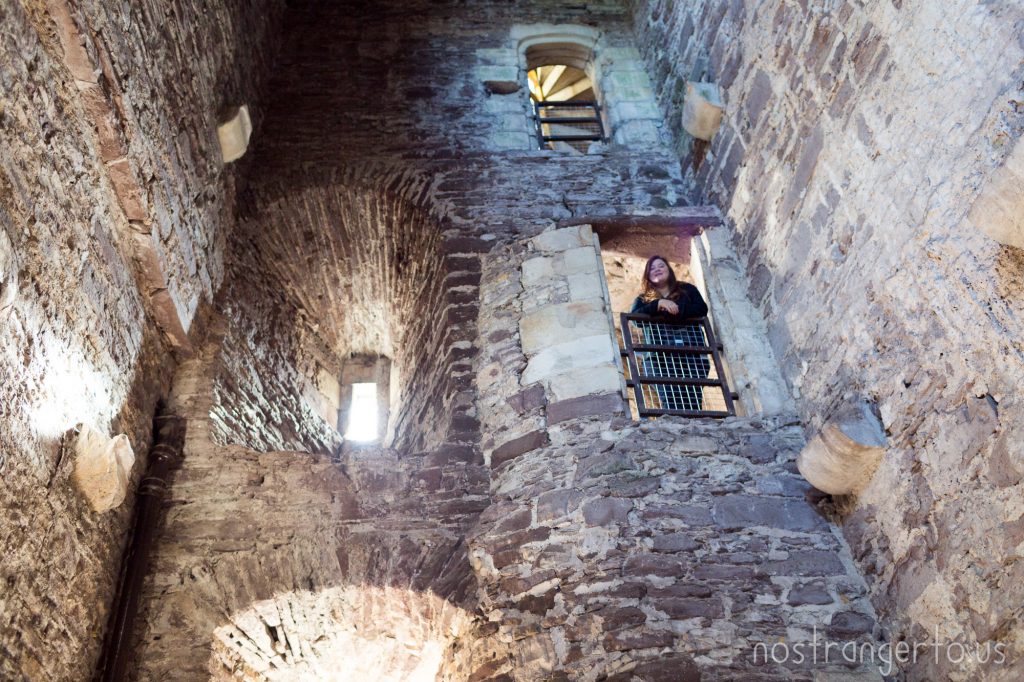
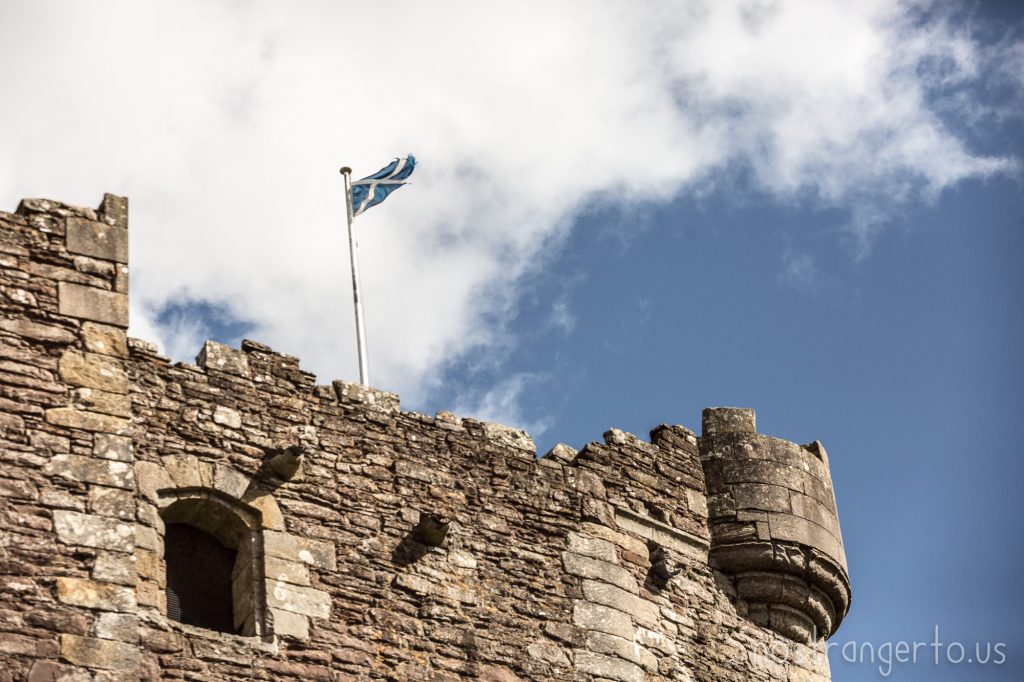
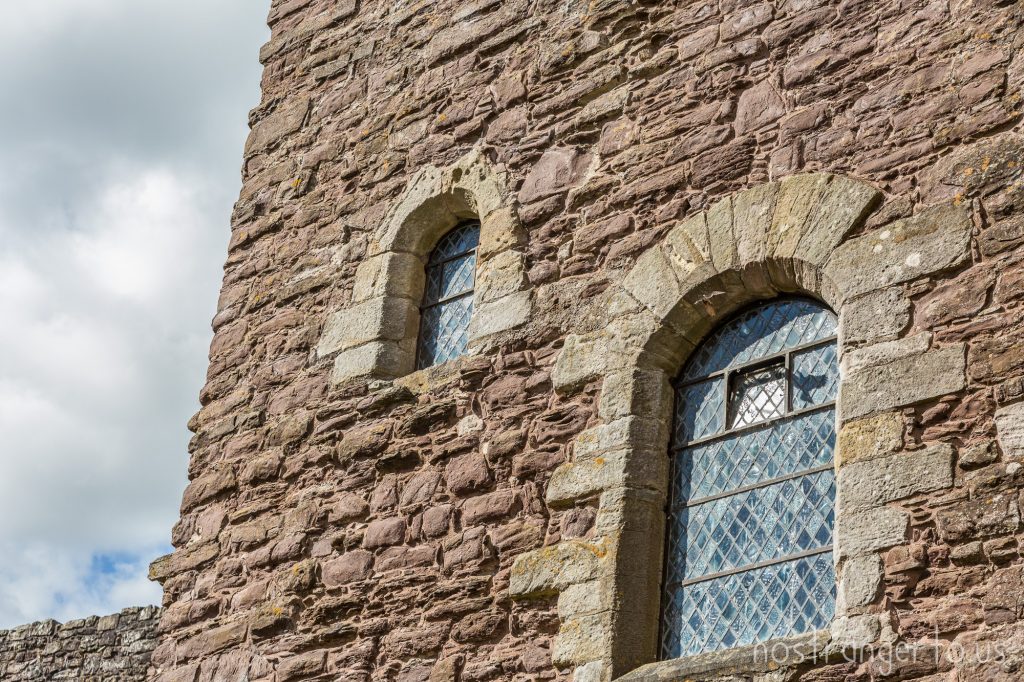
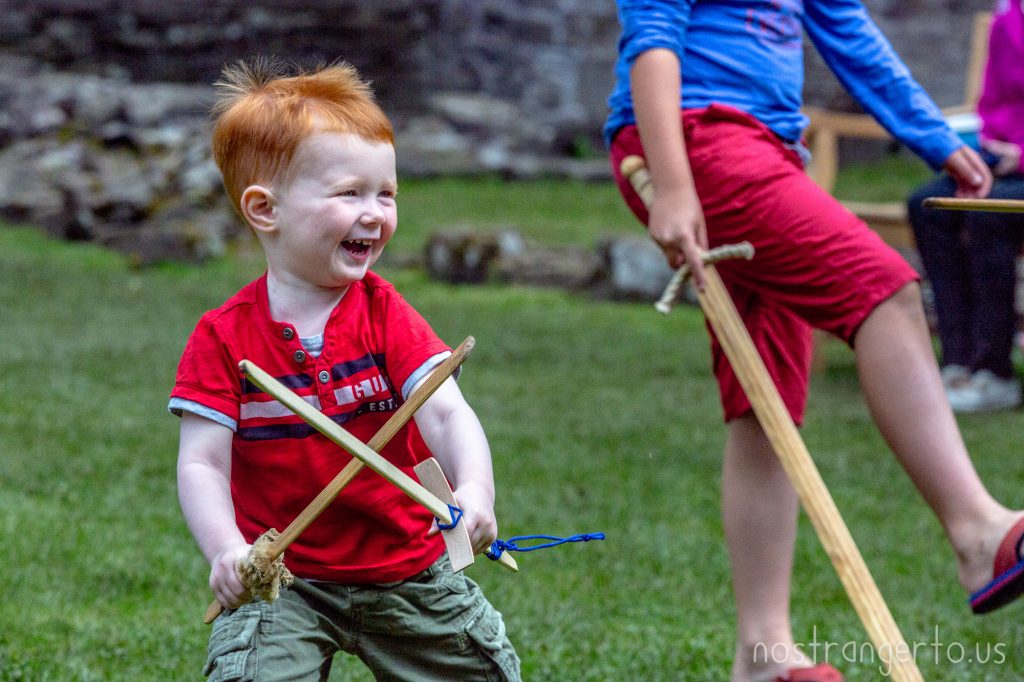
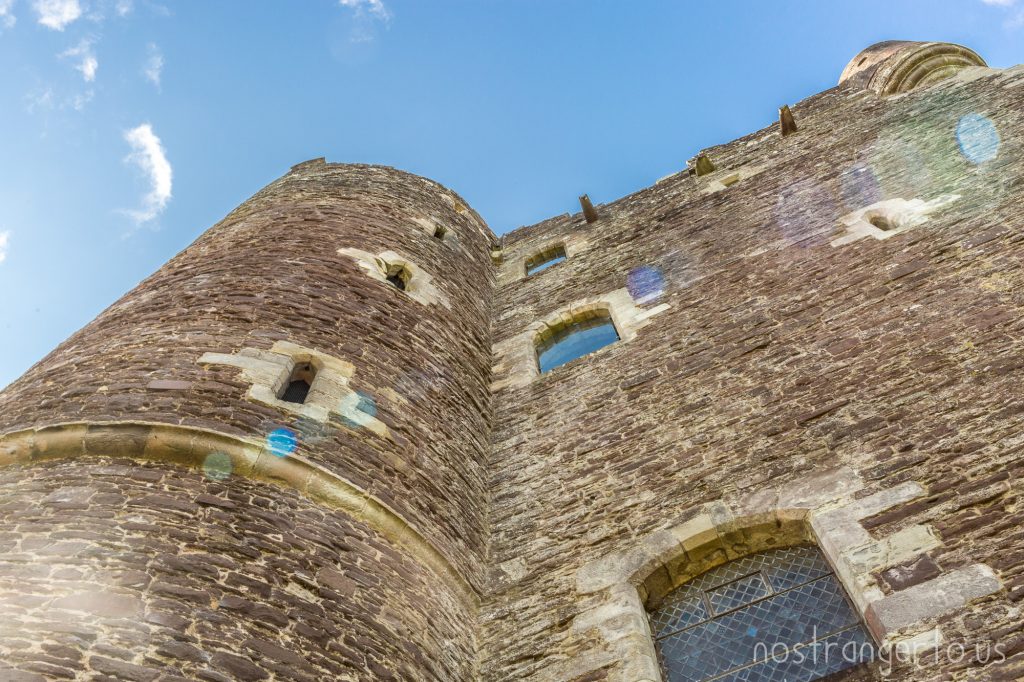
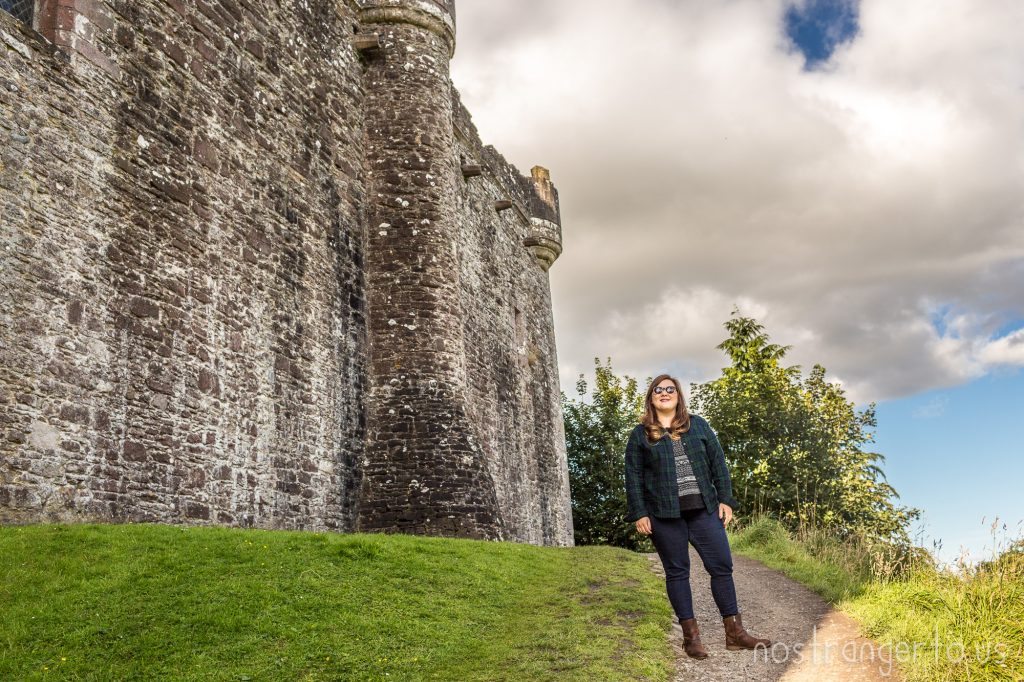
Another treat for pop culture geeks was our visit to Doune Castle, Deanston. You might recognize it from Monty Python and the Holy Grail (if so, according to the very comedic woman running our guest house, you are probably male). Otherwise, and more recently, the castle can be seen in the TV show Outlander as well as Game of Thrones. Visitors are given complimentary headset guides narrated by the Python Director and historian Terry Jones. Outlander fans on the tour are occasionally treated to the dulcet tones of the historical heartthrob Sam Heughan. Come early to this castle to get the best experience, sans large crowds. Be warned, you will run into at least one “Thrones-er”, “Sasanach”, or Knight that says “Ni!”
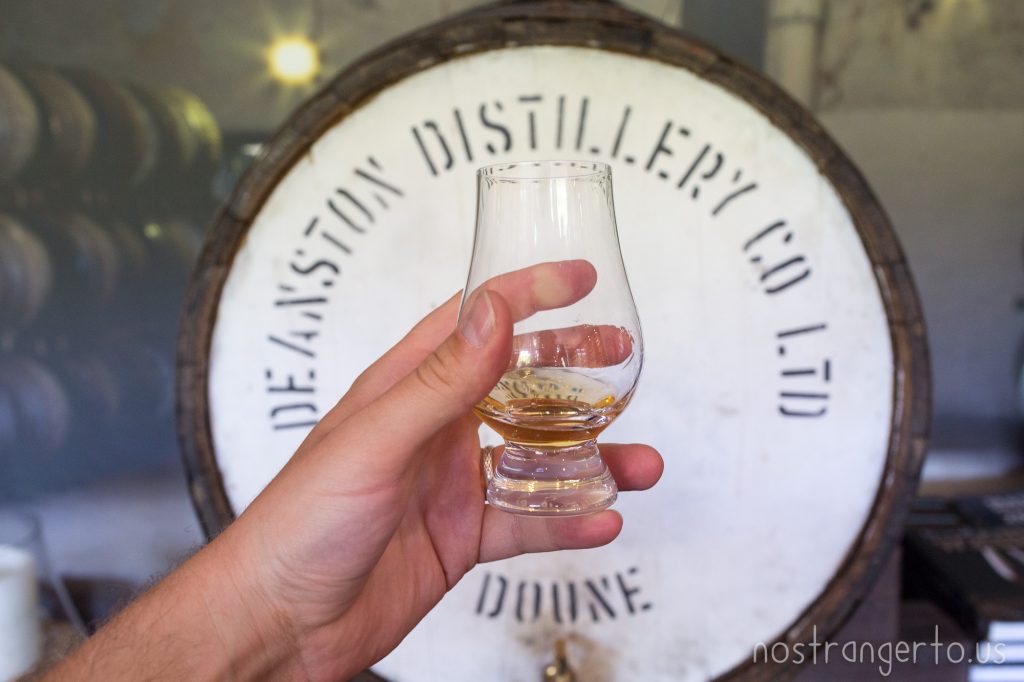
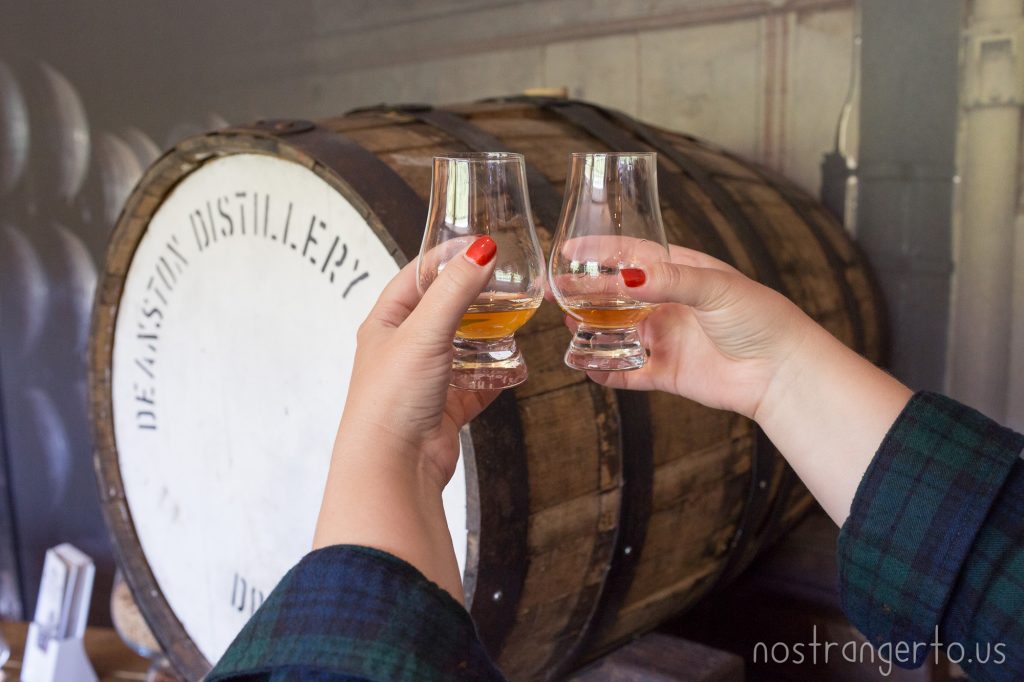
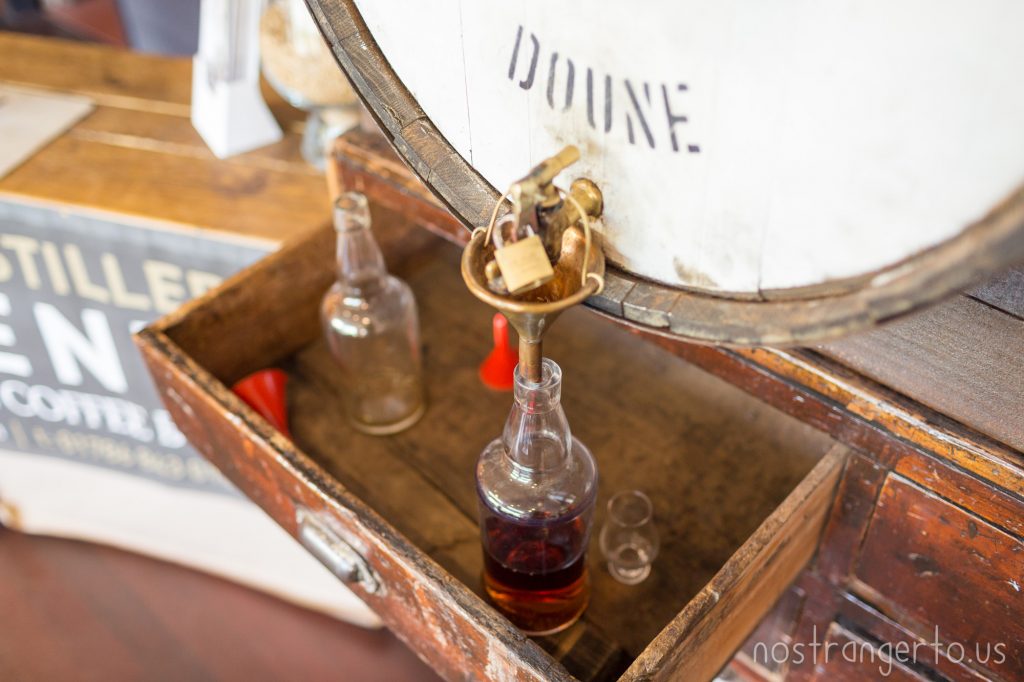
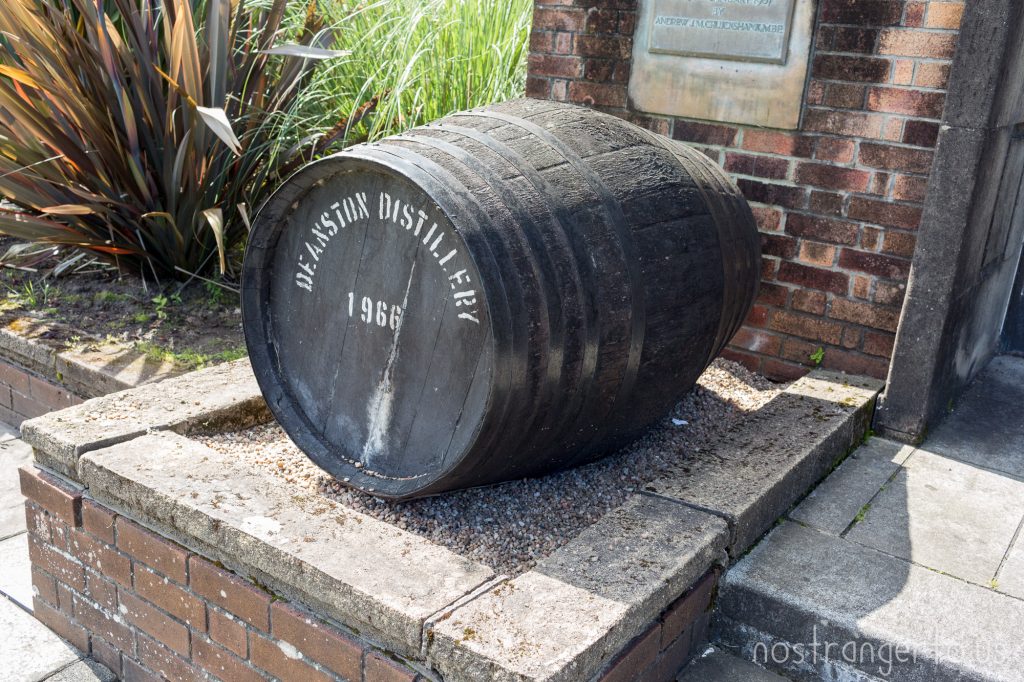
We recommend taking a tour of the Deanston distillery, if the spirit compels you, since it is very close to Doune Castle.

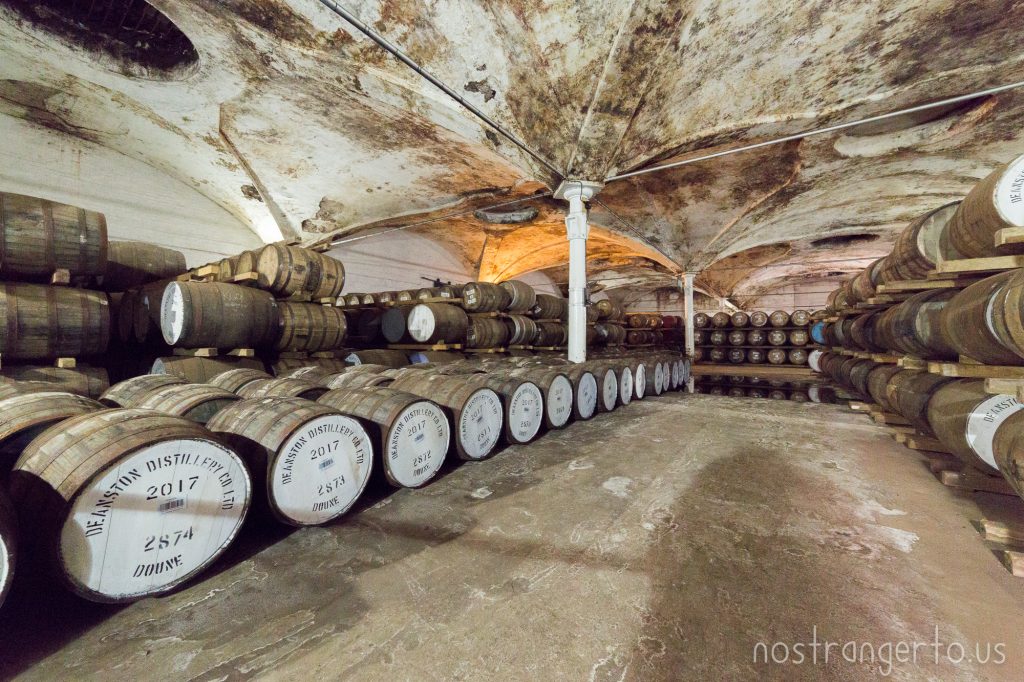
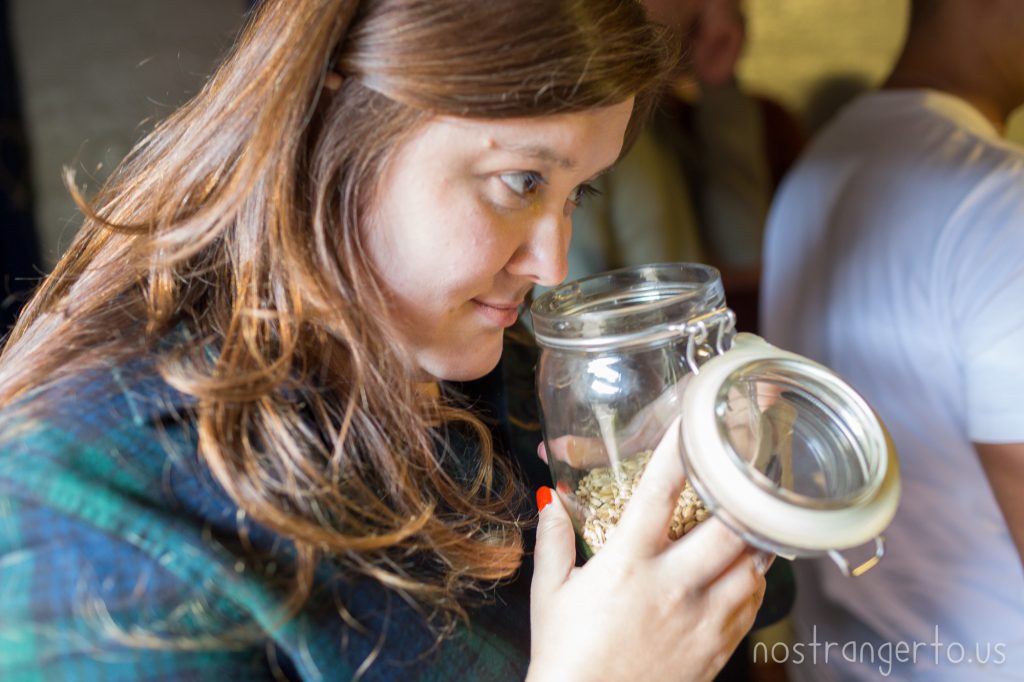
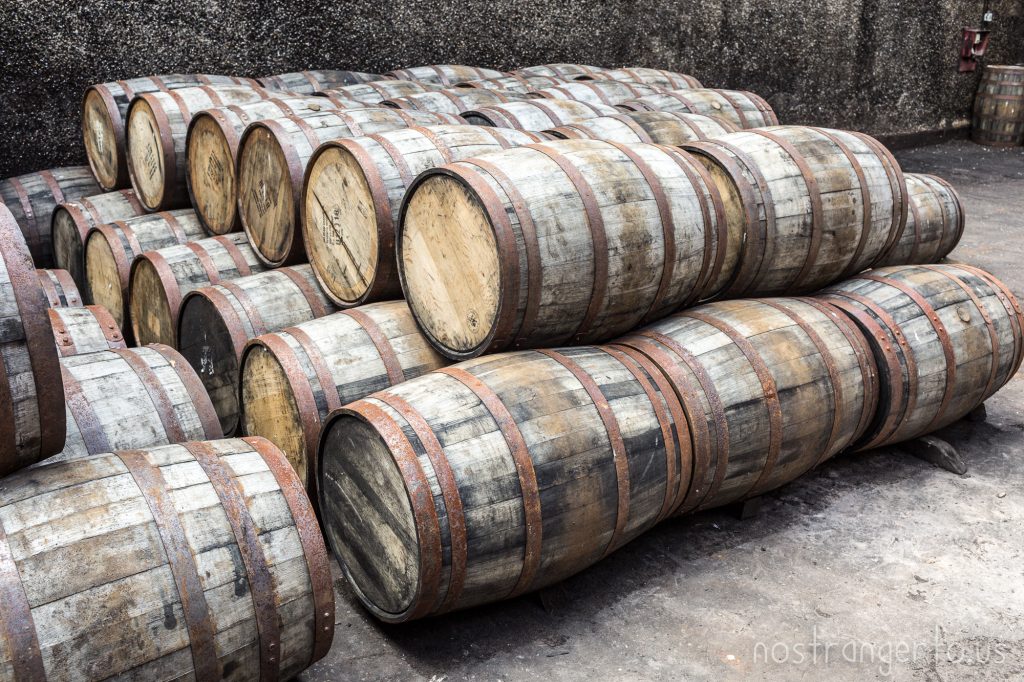
Not only did we get to taste a dram or two but we also got to see the entire facility, including the aging room. Deanston may be the only distillery in the world that relies solely on its own renewable power generation. The facility had previously been a cotton mill, built in 1830, that harnessed the flowing water of the adjacent river Teith to run turbines. After a few upgrades the plant now generates enough energy that the distillery only uses 25% of it, the rest feeds the grid!
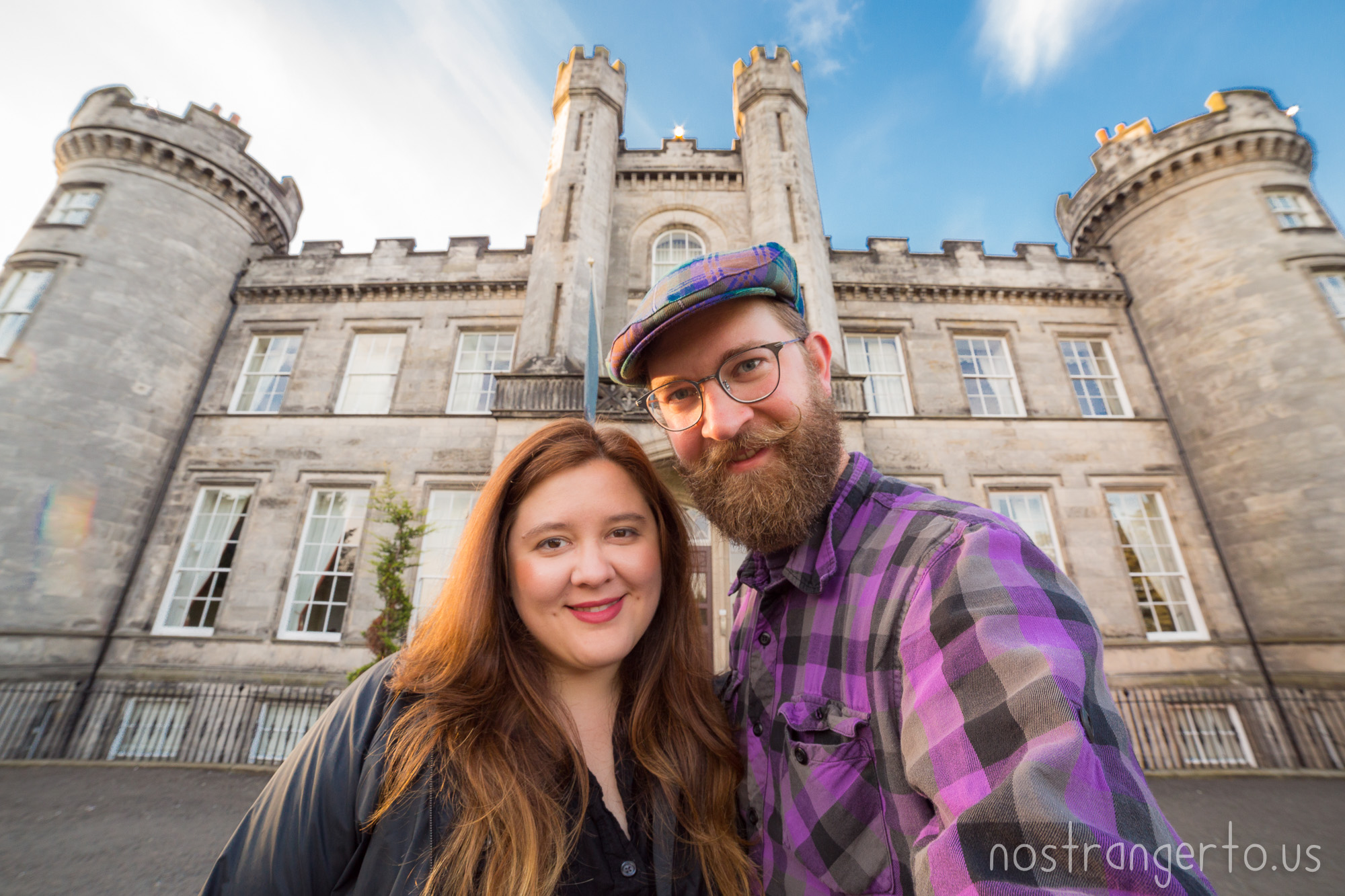
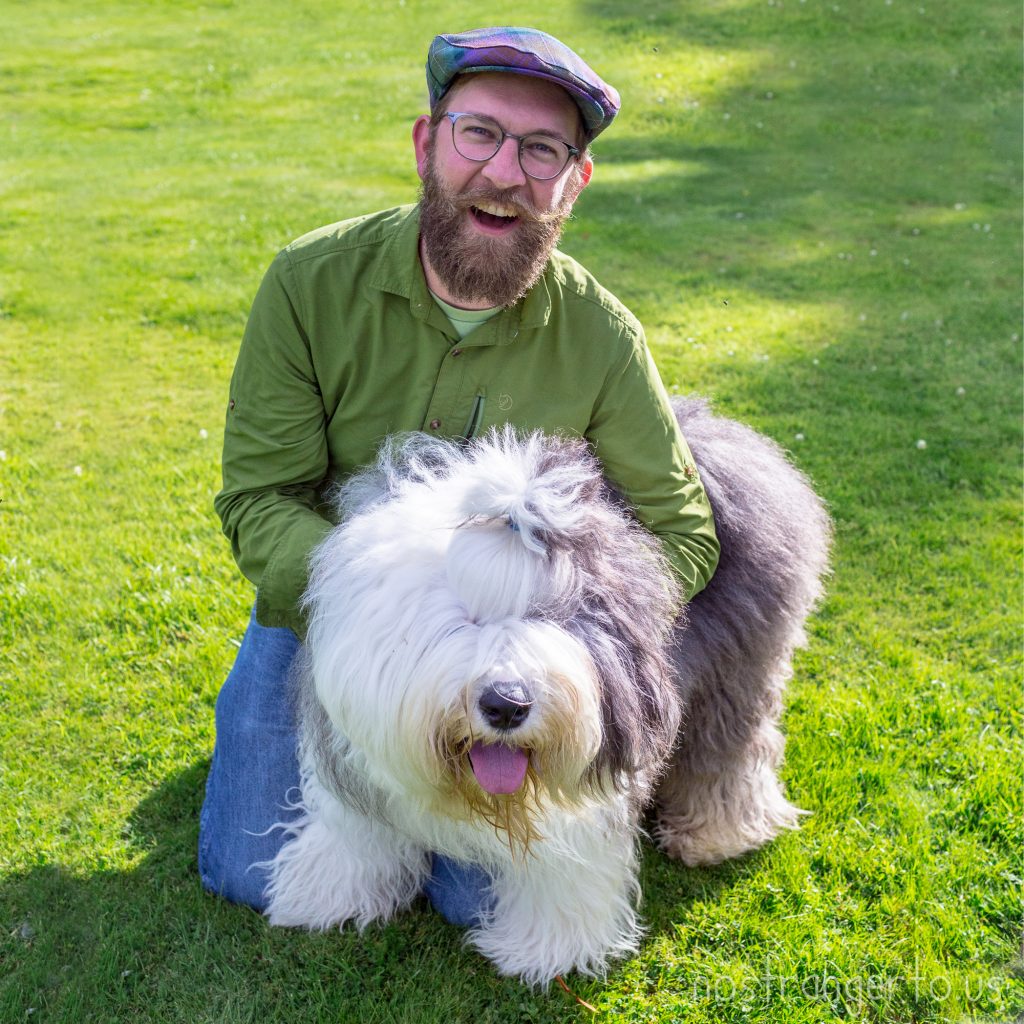
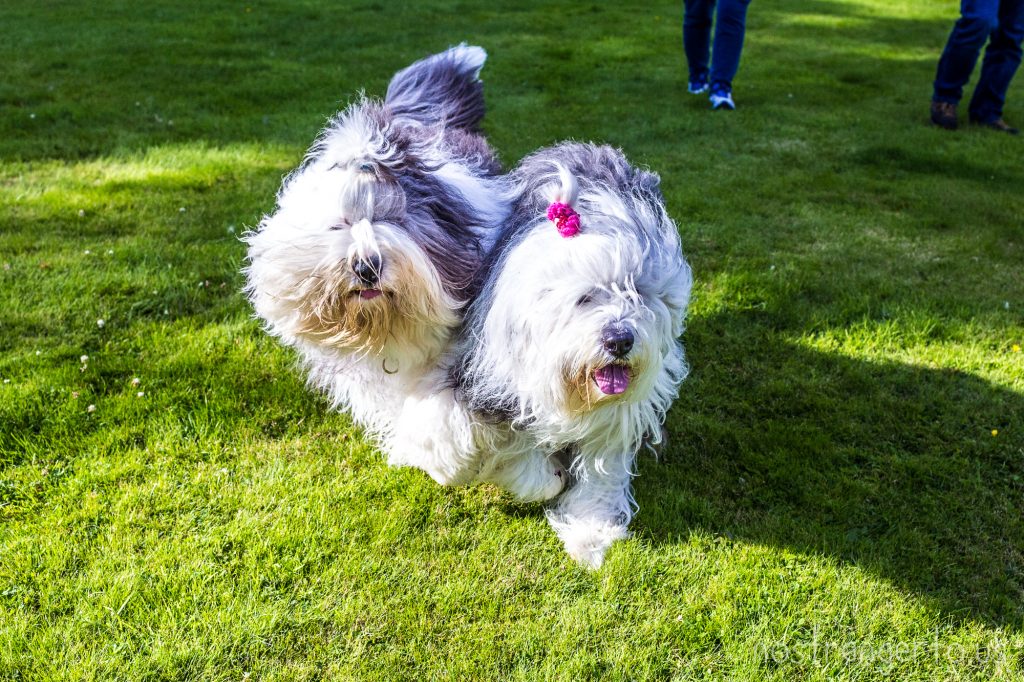
Airth castle is a funky hotel in Airth. There we met Wallace McIntosh, an old English Sheep Dog. He ran right for Cooper, who was tickled purple!
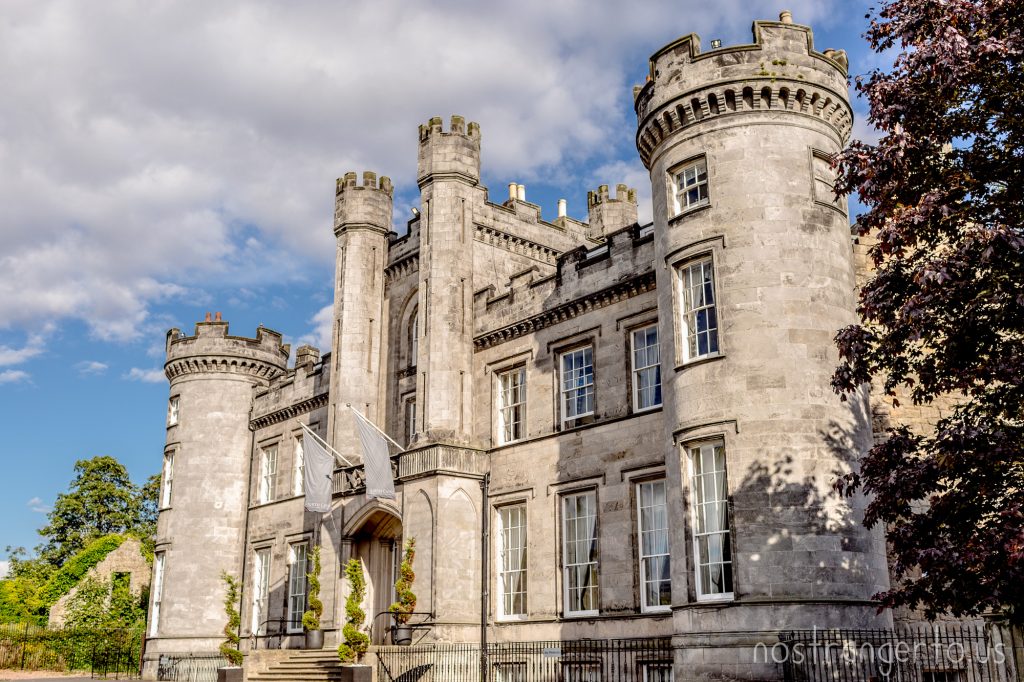
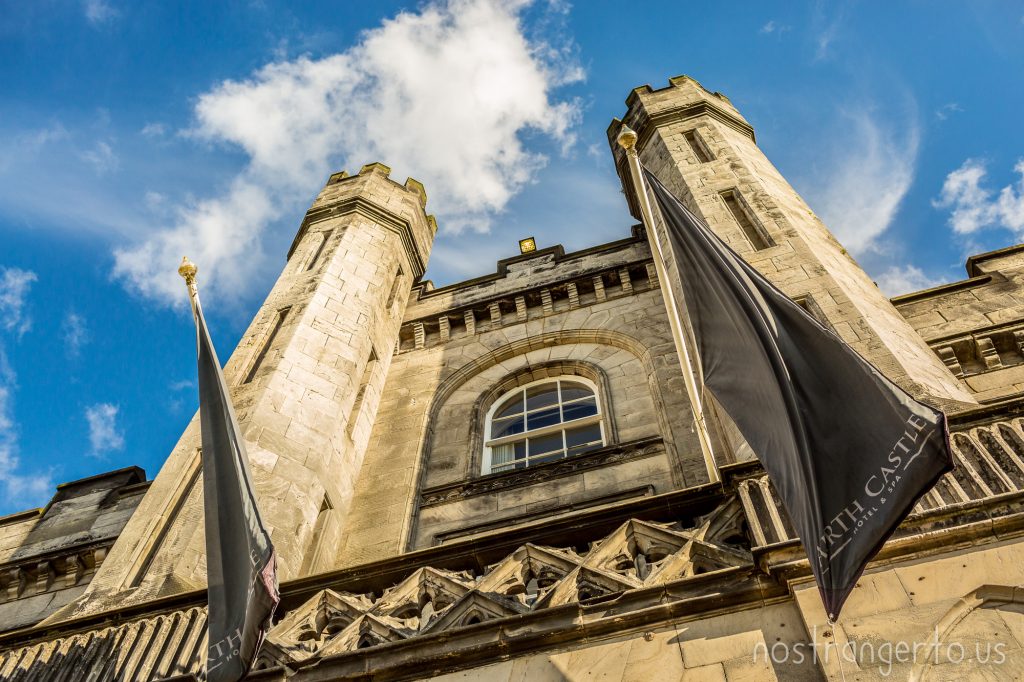
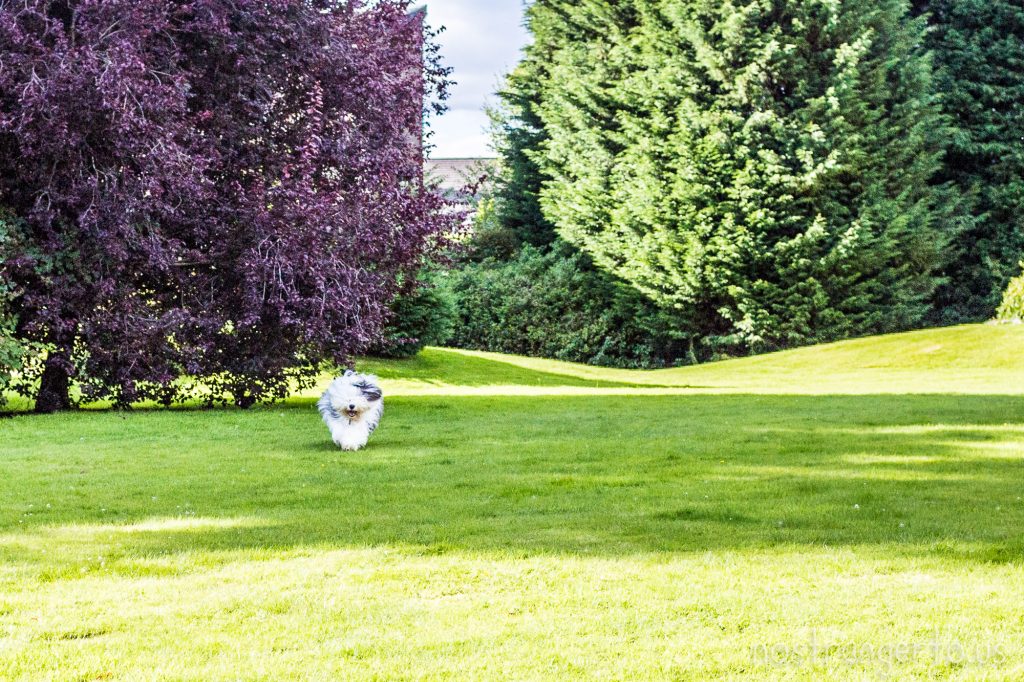
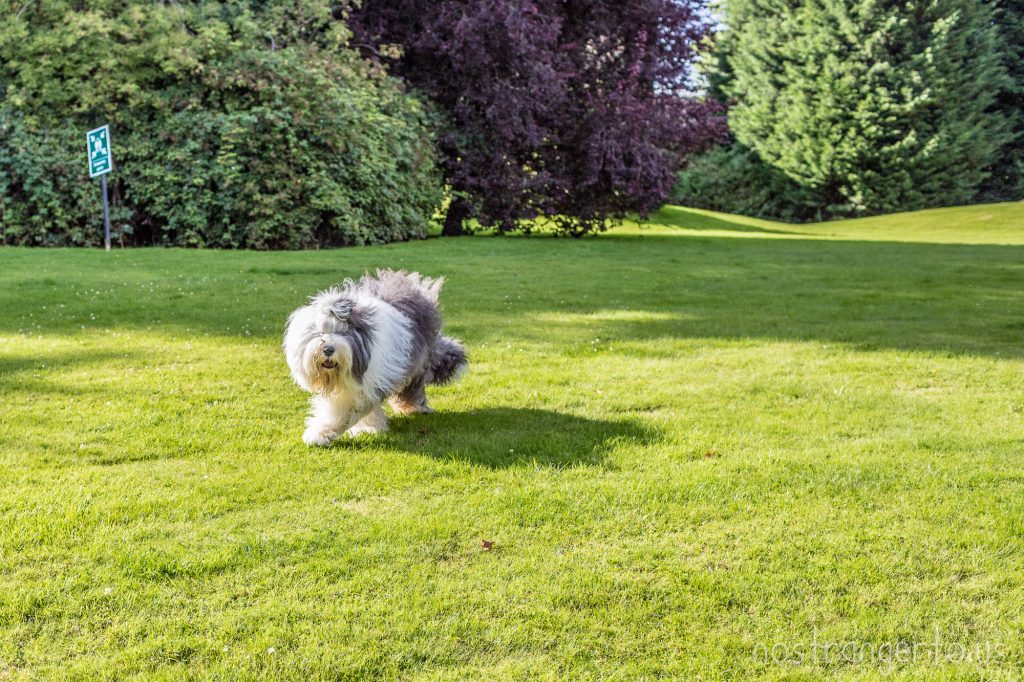
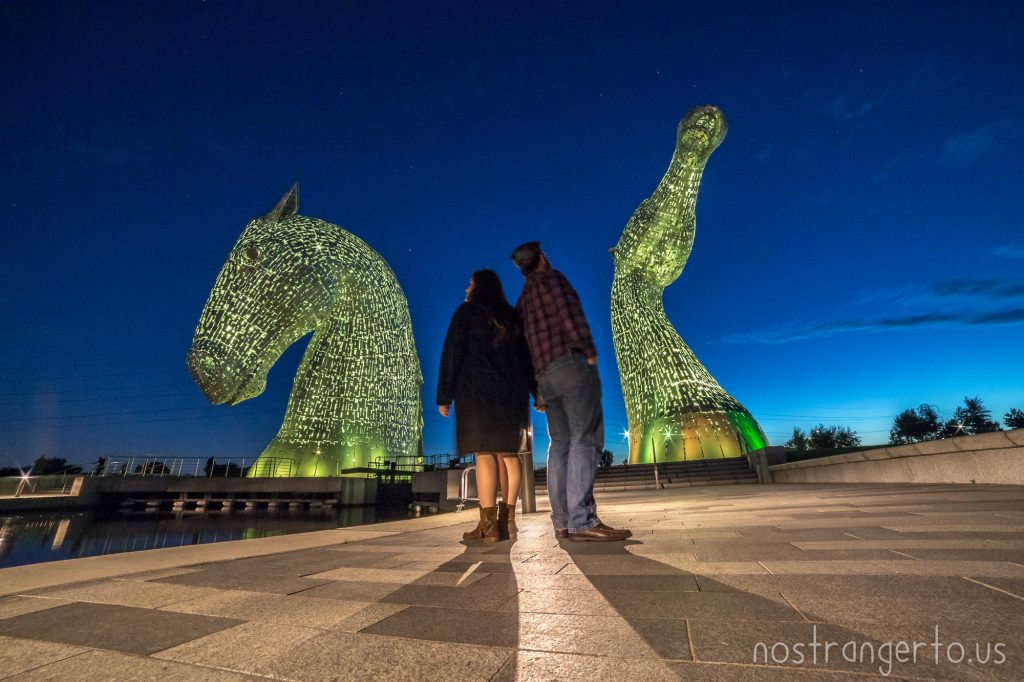
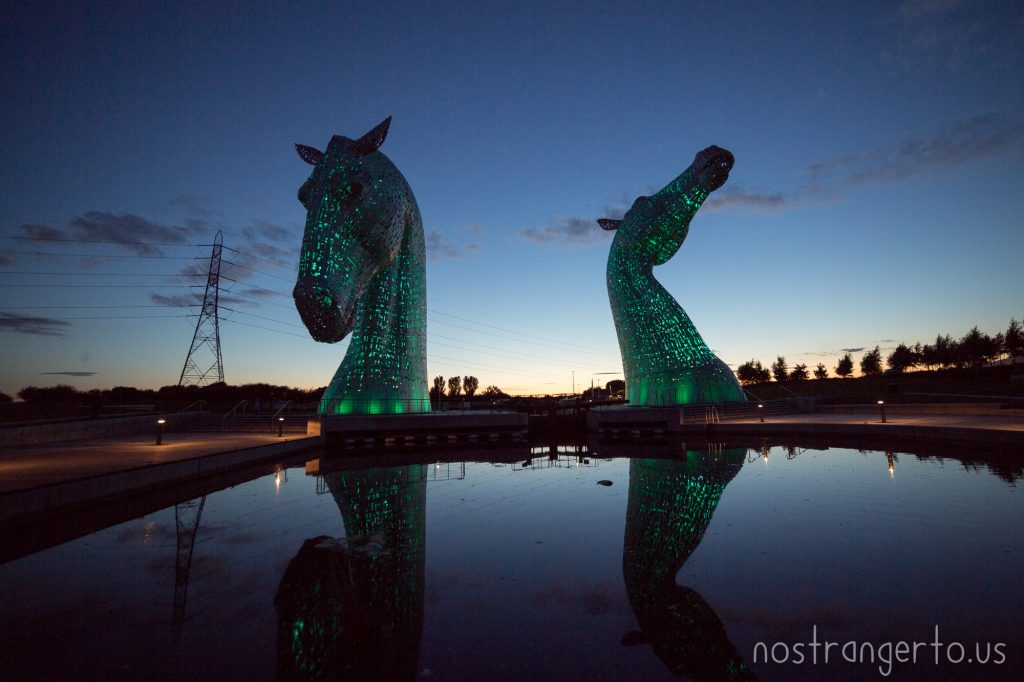
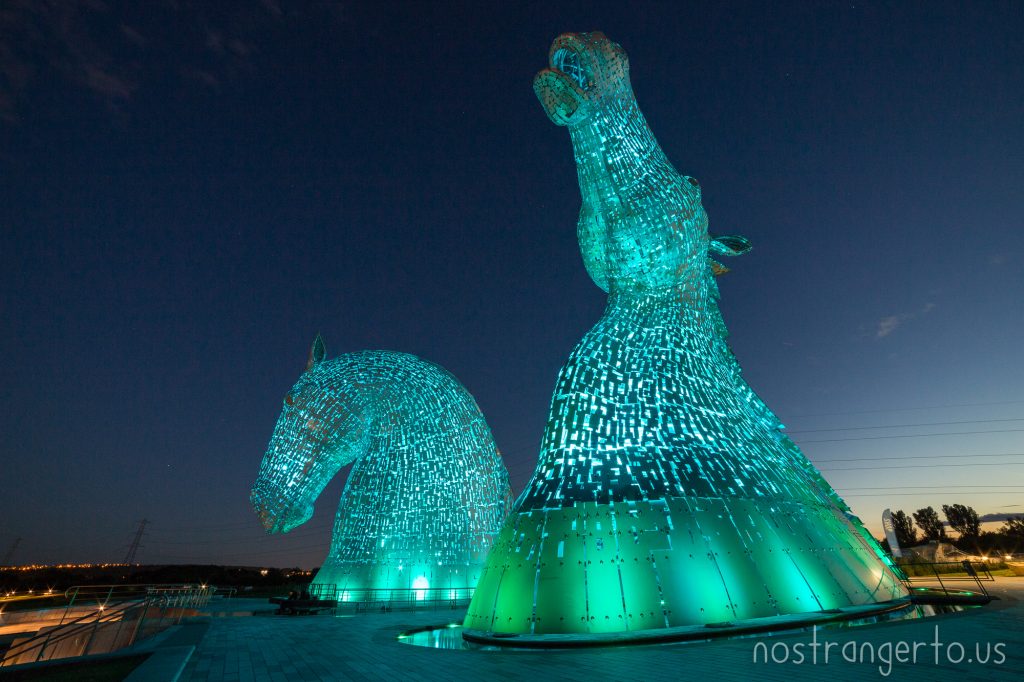
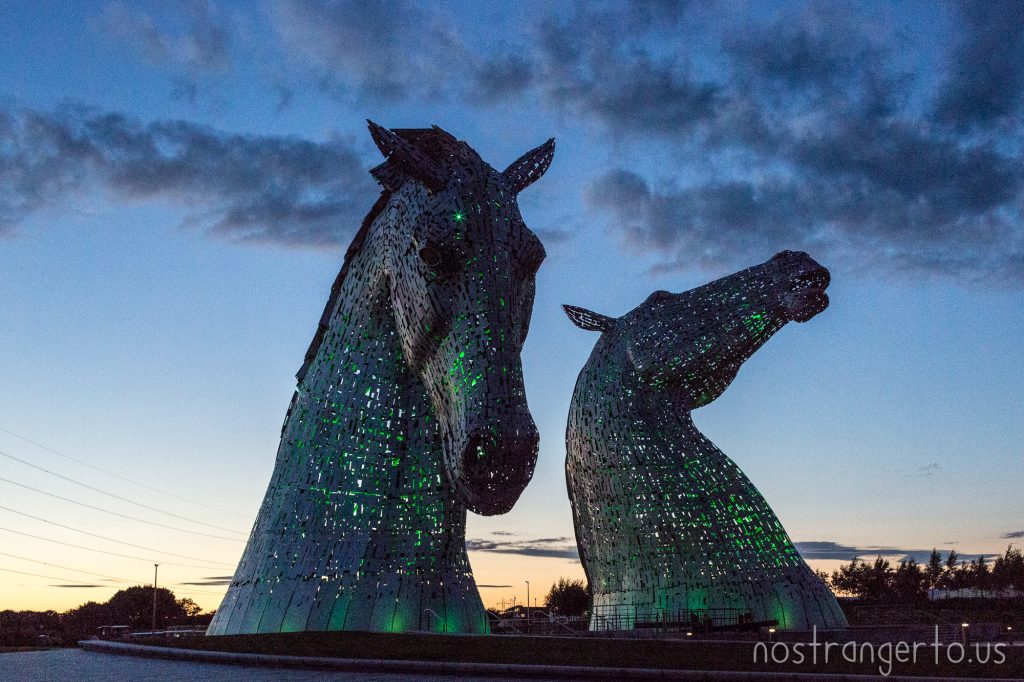
Our final stop was in The Helix in Falkirk at sunset. There we admired the grand modern horse sculptures known as the “Kelpies”. Kelpies are a mythological creature know for taking the form of a horse and feared for dragging their victims under water. Luckily these Kelpies just lit up and remained inert. It was the perfect end to an amazing tour of Scotland.
The post Scottish Highlands: the Land o’ Lochs | Scotland appeared first on No Stranger to Us.
]]>Deprecated: Creation of dynamic property WP_Term::$cat_ID is deprecated in /homepages/20/d390878058/htdocs/nostranger/home/wp-includes/category.php on line 378
Deprecated: Creation of dynamic property WP_Term::$category_count is deprecated in /homepages/20/d390878058/htdocs/nostranger/home/wp-includes/category.php on line 379
Deprecated: Creation of dynamic property WP_Term::$category_description is deprecated in /homepages/20/d390878058/htdocs/nostranger/home/wp-includes/category.php on line 380
Deprecated: Creation of dynamic property WP_Term::$cat_name is deprecated in /homepages/20/d390878058/htdocs/nostranger/home/wp-includes/category.php on line 381
Deprecated: Creation of dynamic property WP_Term::$category_nicename is deprecated in /homepages/20/d390878058/htdocs/nostranger/home/wp-includes/category.php on line 382
Deprecated: Creation of dynamic property WP_Term::$category_parent is deprecated in /homepages/20/d390878058/htdocs/nostranger/home/wp-includes/category.php on line 383
Deprecated: Creation of dynamic property WP_Term::$cat_ID is deprecated in /homepages/20/d390878058/htdocs/nostranger/home/wp-includes/category.php on line 378
Deprecated: Creation of dynamic property WP_Term::$category_count is deprecated in /homepages/20/d390878058/htdocs/nostranger/home/wp-includes/category.php on line 379
Deprecated: Creation of dynamic property WP_Term::$category_description is deprecated in /homepages/20/d390878058/htdocs/nostranger/home/wp-includes/category.php on line 380
Deprecated: Creation of dynamic property WP_Term::$cat_name is deprecated in /homepages/20/d390878058/htdocs/nostranger/home/wp-includes/category.php on line 381
Deprecated: Creation of dynamic property WP_Term::$category_nicename is deprecated in /homepages/20/d390878058/htdocs/nostranger/home/wp-includes/category.php on line 382
Deprecated: Creation of dynamic property WP_Term::$category_parent is deprecated in /homepages/20/d390878058/htdocs/nostranger/home/wp-includes/category.php on line 383
Deprecated: Creation of dynamic property WP_Term::$cat_ID is deprecated in /homepages/20/d390878058/htdocs/nostranger/home/wp-includes/category.php on line 378
Deprecated: Creation of dynamic property WP_Term::$category_count is deprecated in /homepages/20/d390878058/htdocs/nostranger/home/wp-includes/category.php on line 379
Deprecated: Creation of dynamic property WP_Term::$category_description is deprecated in /homepages/20/d390878058/htdocs/nostranger/home/wp-includes/category.php on line 380
Deprecated: Creation of dynamic property WP_Term::$cat_name is deprecated in /homepages/20/d390878058/htdocs/nostranger/home/wp-includes/category.php on line 381
Deprecated: Creation of dynamic property WP_Term::$category_nicename is deprecated in /homepages/20/d390878058/htdocs/nostranger/home/wp-includes/category.php on line 382
Deprecated: Creation of dynamic property WP_Term::$category_parent is deprecated in /homepages/20/d390878058/htdocs/nostranger/home/wp-includes/category.php on line 383
Deprecated: Creation of dynamic property WP_Term::$cat_ID is deprecated in /homepages/20/d390878058/htdocs/nostranger/home/wp-includes/category.php on line 378
Deprecated: Creation of dynamic property WP_Term::$category_count is deprecated in /homepages/20/d390878058/htdocs/nostranger/home/wp-includes/category.php on line 379
Deprecated: Creation of dynamic property WP_Term::$category_description is deprecated in /homepages/20/d390878058/htdocs/nostranger/home/wp-includes/category.php on line 380
Deprecated: Creation of dynamic property WP_Term::$cat_name is deprecated in /homepages/20/d390878058/htdocs/nostranger/home/wp-includes/category.php on line 381
Deprecated: Creation of dynamic property WP_Term::$category_nicename is deprecated in /homepages/20/d390878058/htdocs/nostranger/home/wp-includes/category.php on line 382
Deprecated: Creation of dynamic property WP_Term::$category_parent is deprecated in /homepages/20/d390878058/htdocs/nostranger/home/wp-includes/category.php on line 383
The post Going to Skye and the Hebrides | Scotland appeared first on No Stranger to Us.
]]>
Day 4 – Isle of Skye – Scotland
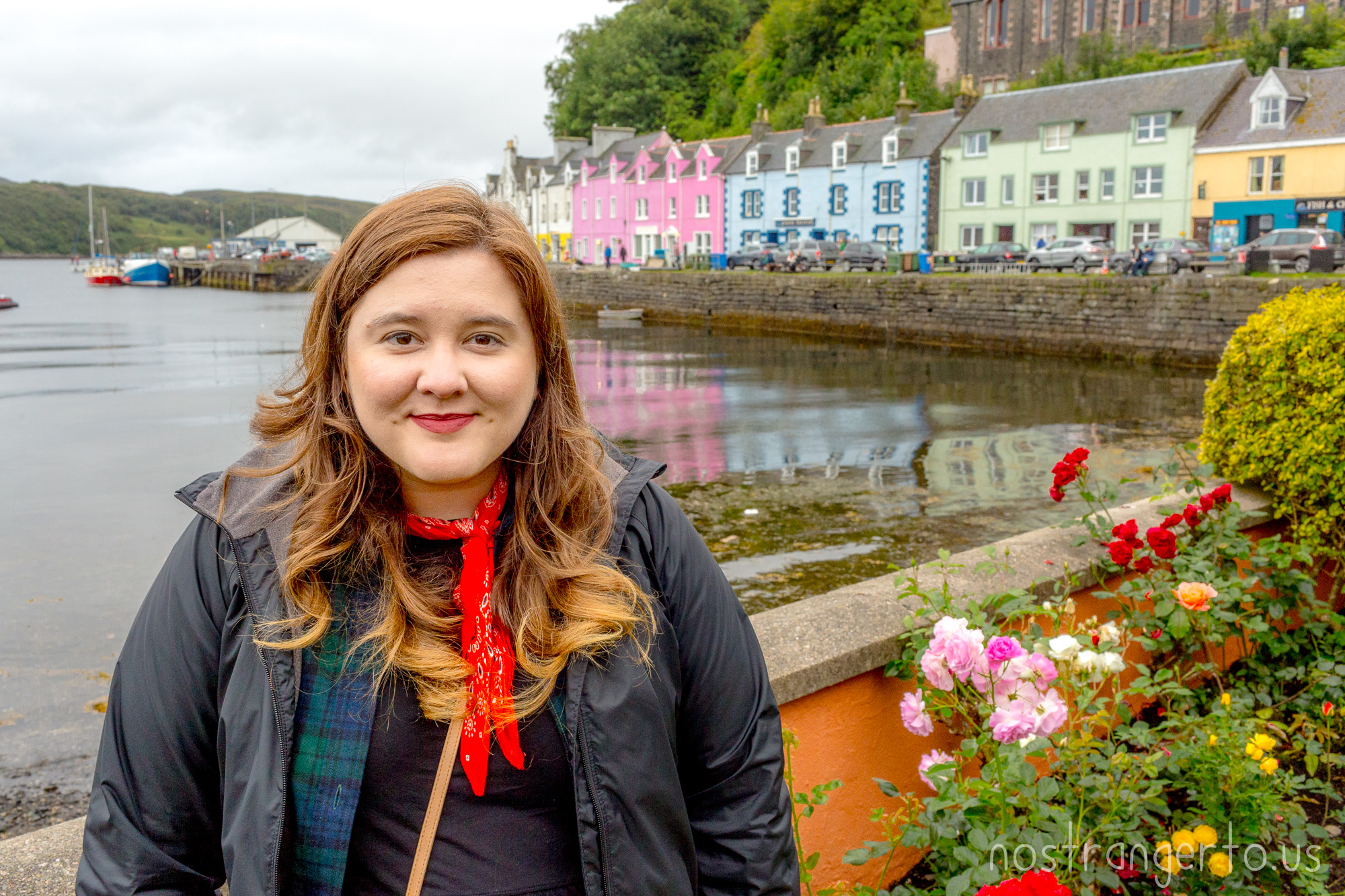
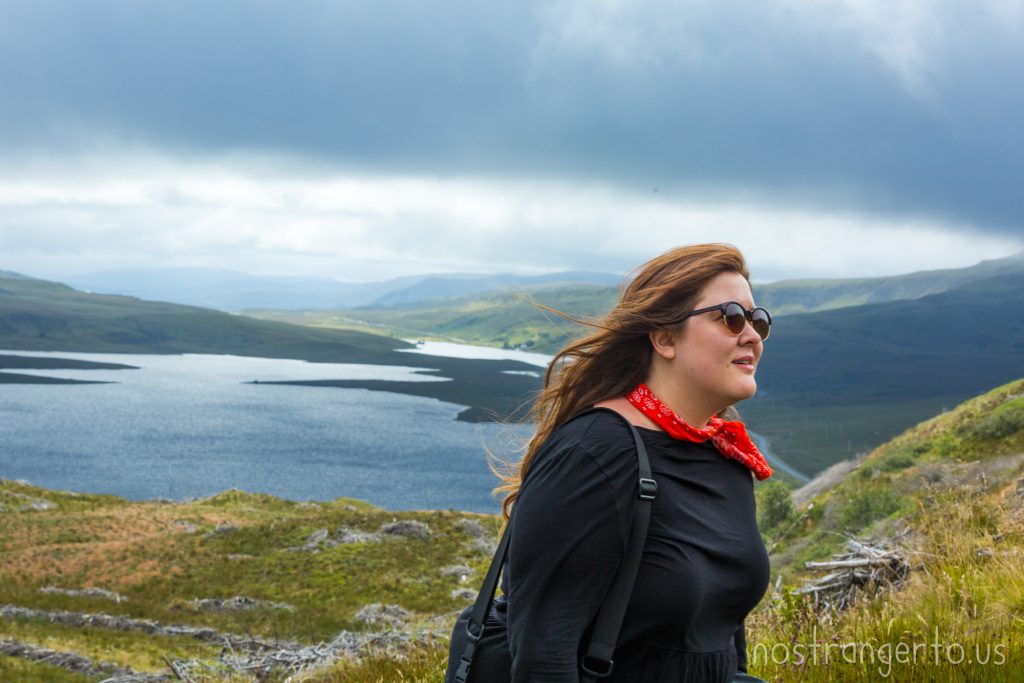
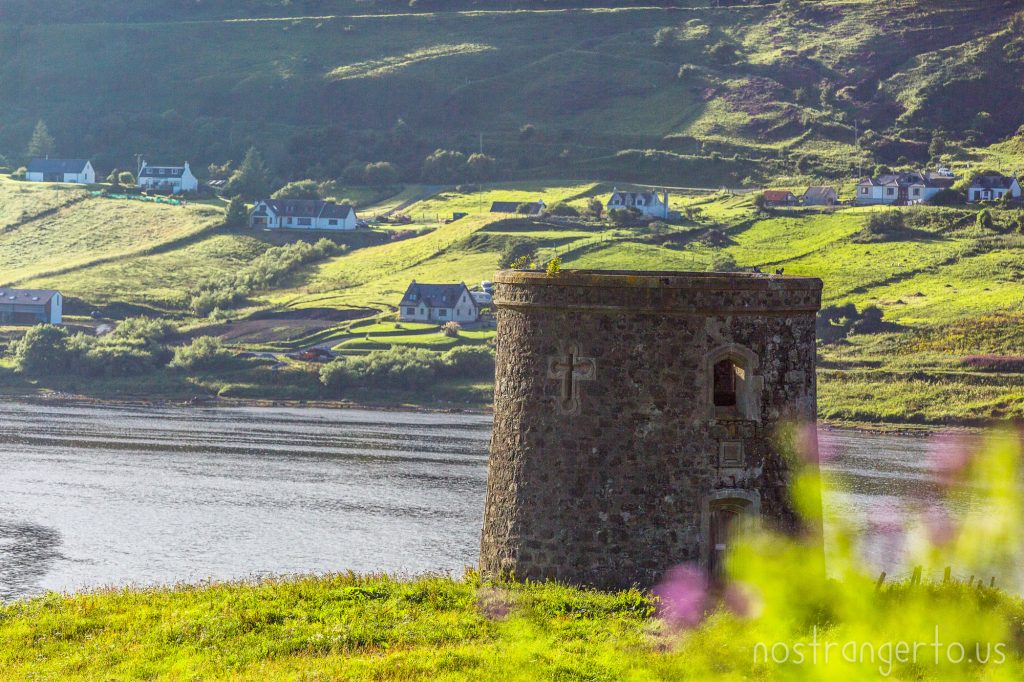
Our first stop was in the sweet, small harbor town of Portree. We used it as a home base, staying at the Portree Hotel in the center of town. We drove out to nearby sites including, the Old Man of Storr, The Fairy Pools, and the Fairy Glenn.
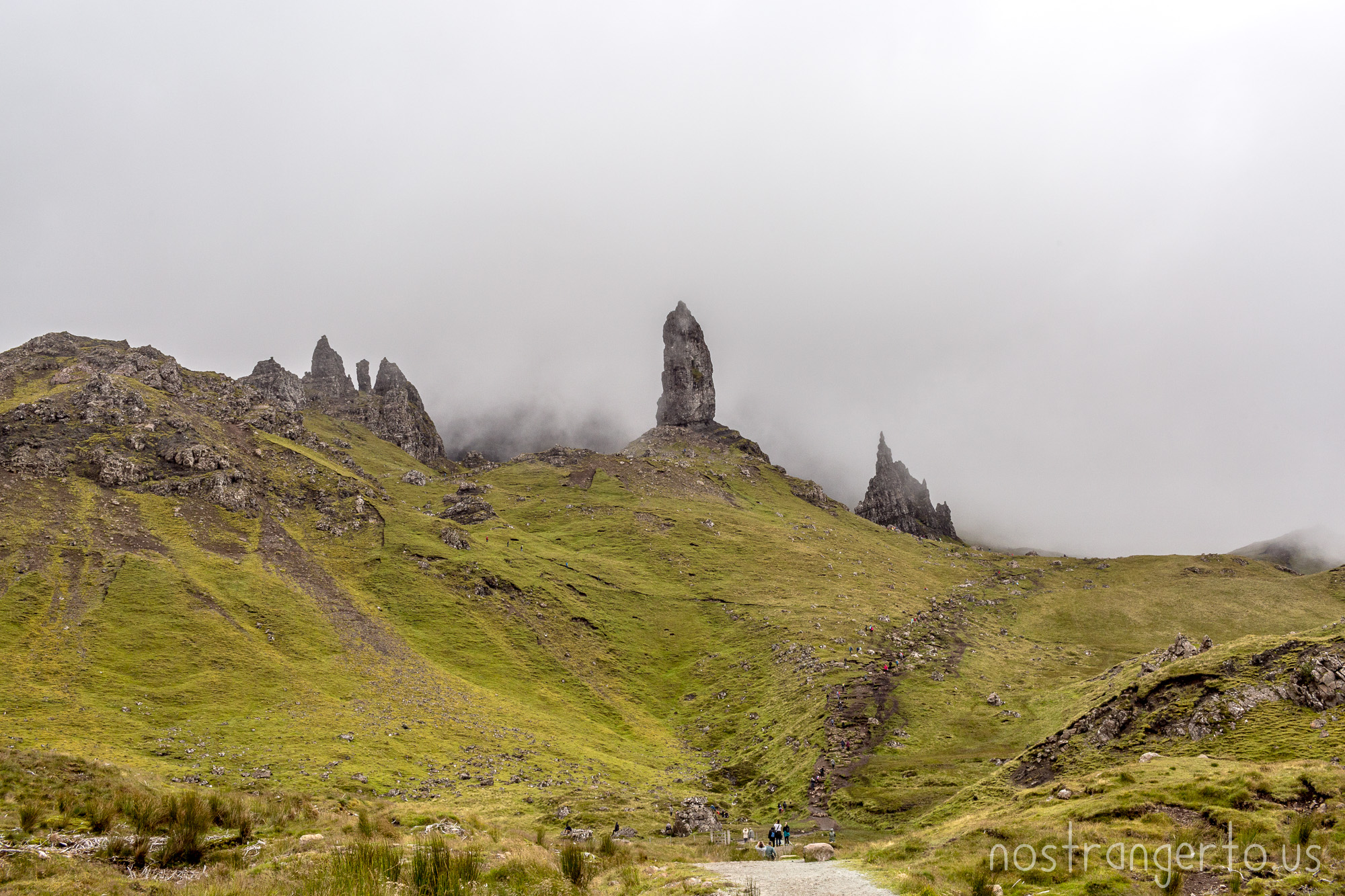
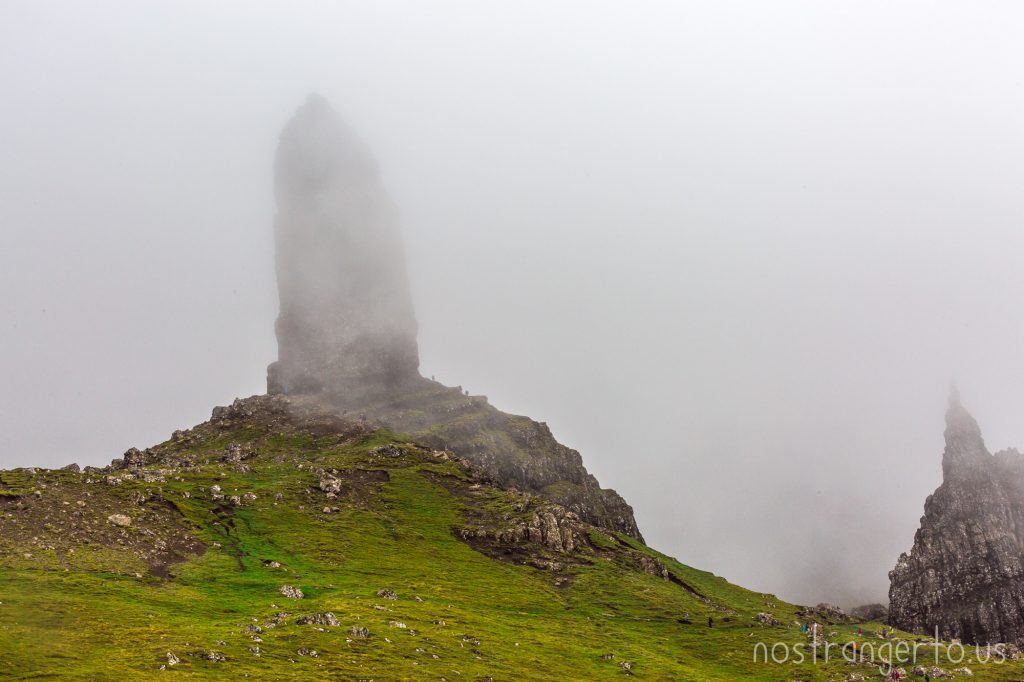
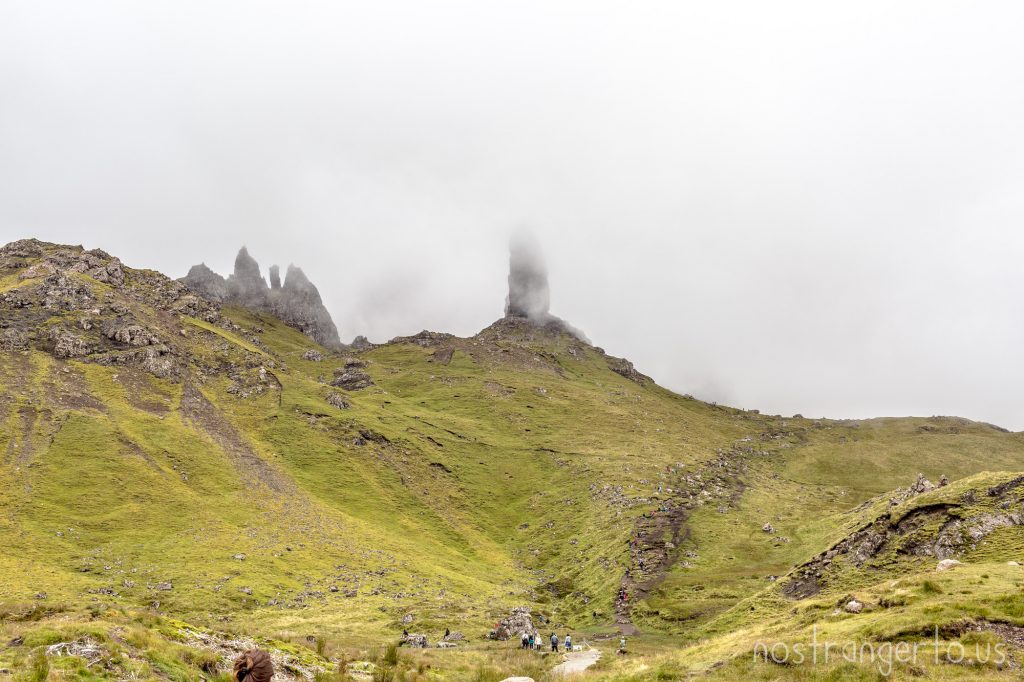
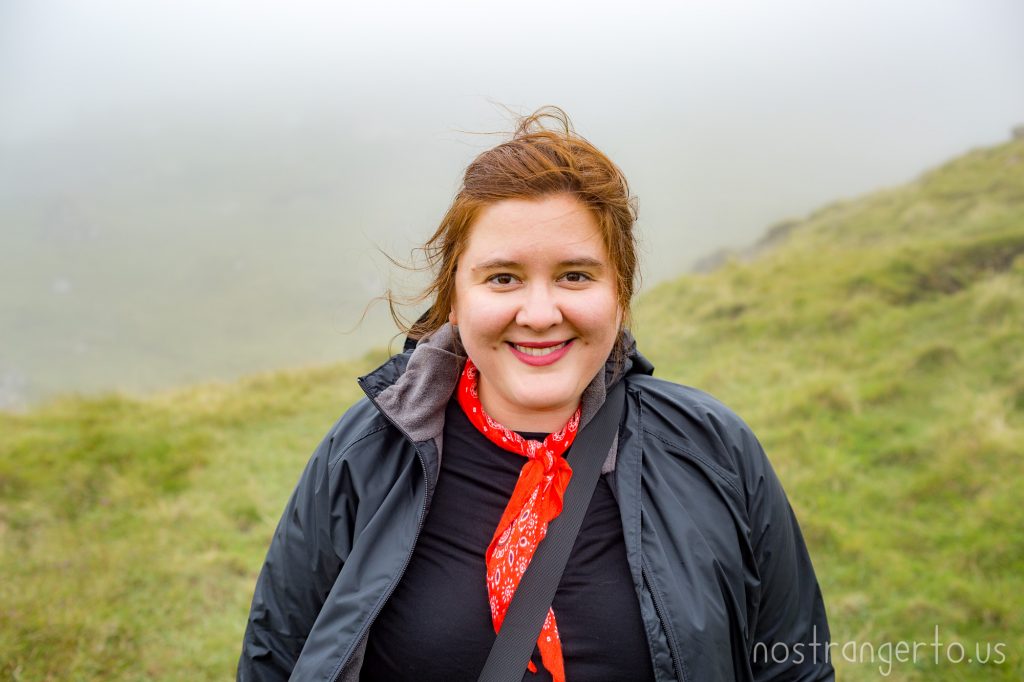
We went to the elusive Old Man of Storr in the Trotternish peninsula. We hiked for about two hours into the mountains hoping to see the natural formed stones. Patience was key because for most of our hike the stones were covered by a think mist. After exploring and testing our new drone, the Old man finally revealed himself, but only for a few moments.
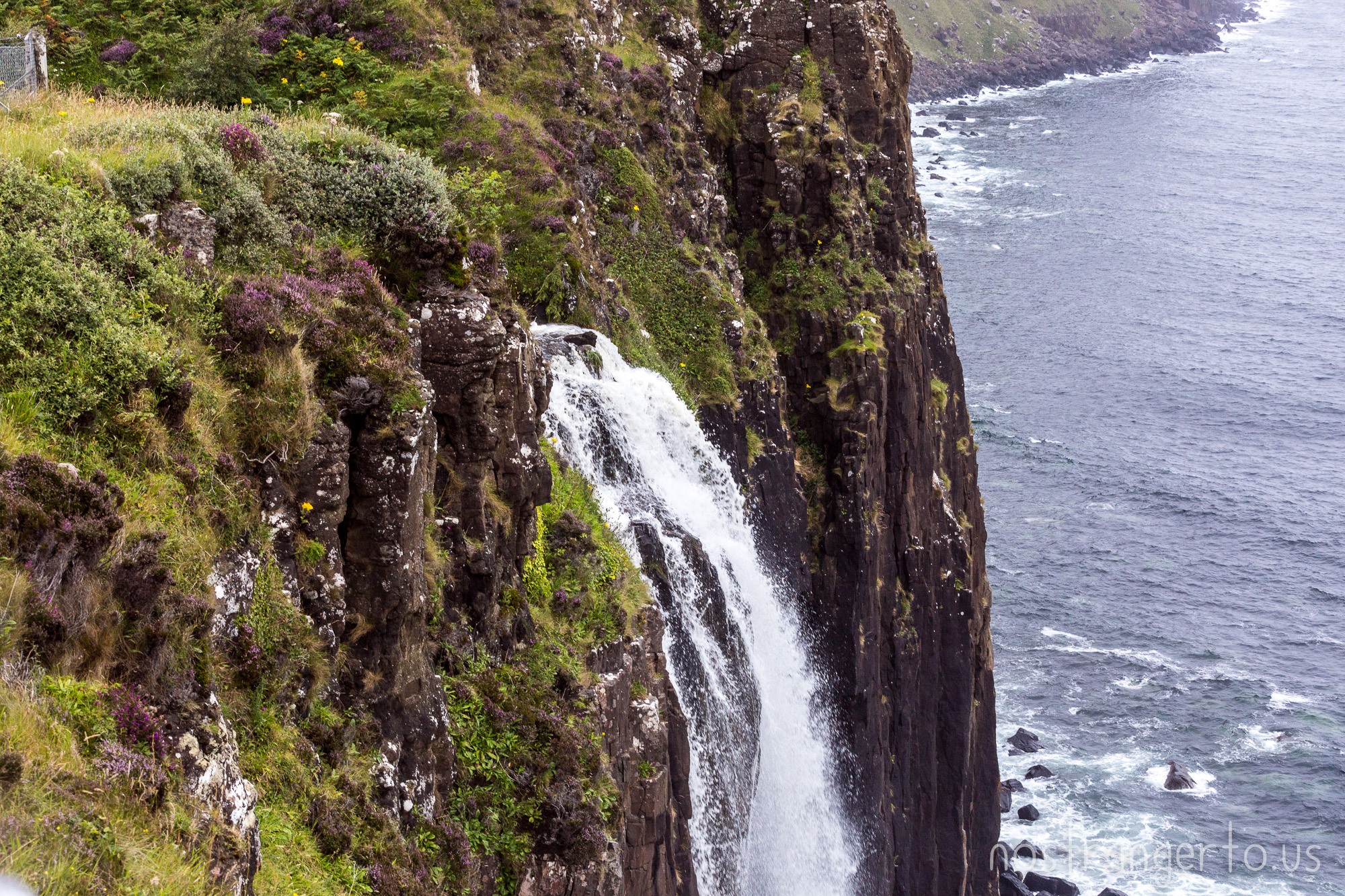
Next we made our way to Mealt Falls and Kilt Rock which stands at 90 meters allowing for a magnificent view of the north-eastern cost of the Isle of Skye. Kilt Rock is made of dolerite Jurassic strata rock, that’s right this part of Staffin hosts the most impressive collection of Scottish dinosaur remains found along this coast!
Day 5 – Isle of Skye – Scotland
Our second day in the Isle of Skye, we took an early morning boat ride on Stardust Boat tours in hopes of seeing some native wildlife.
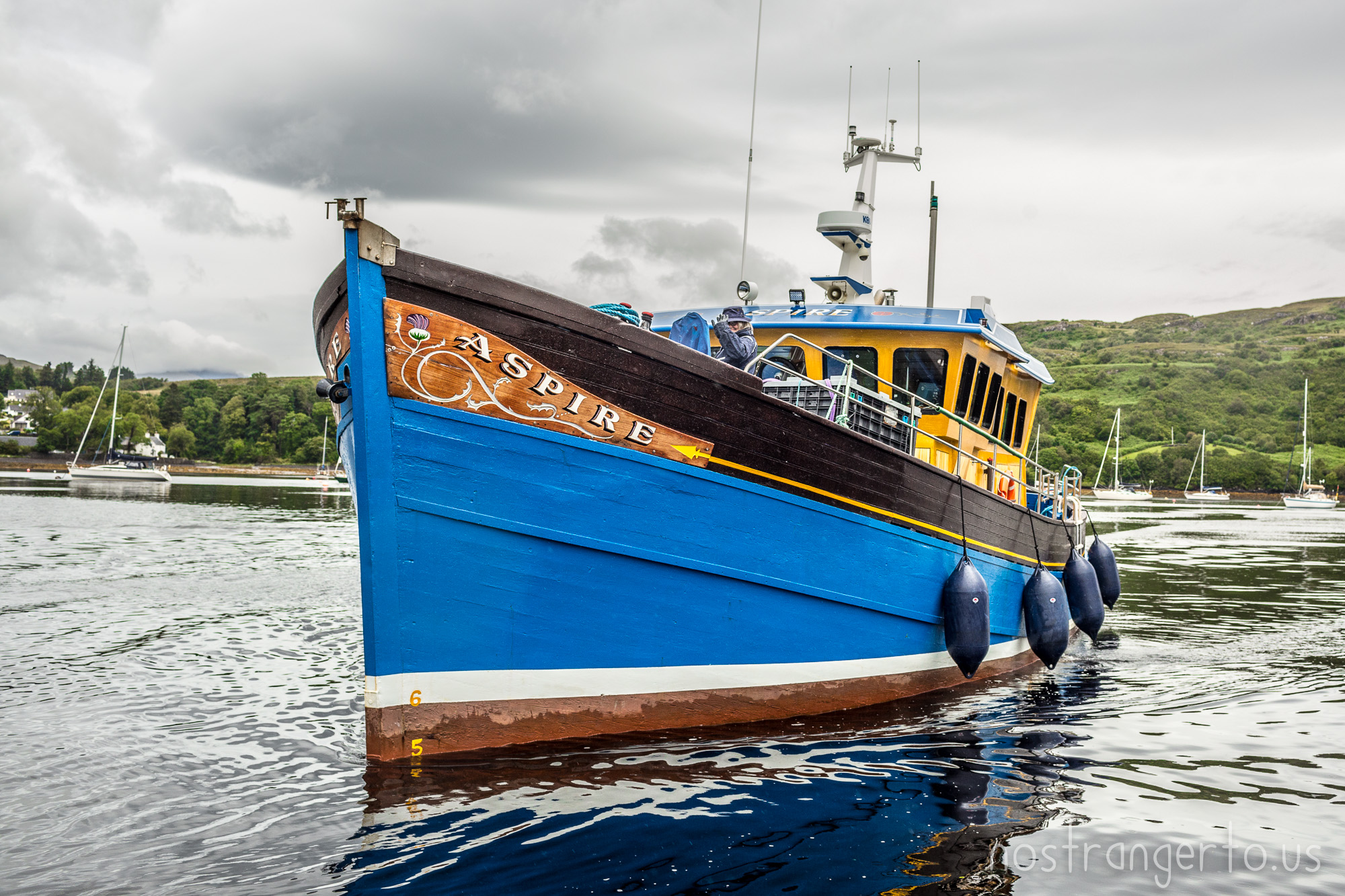
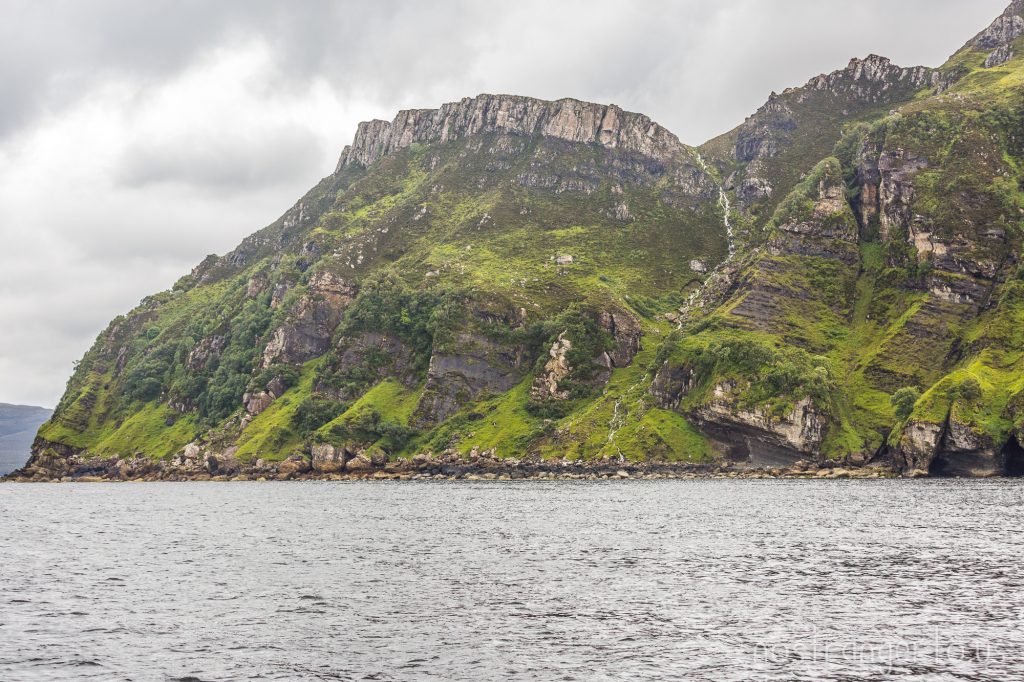
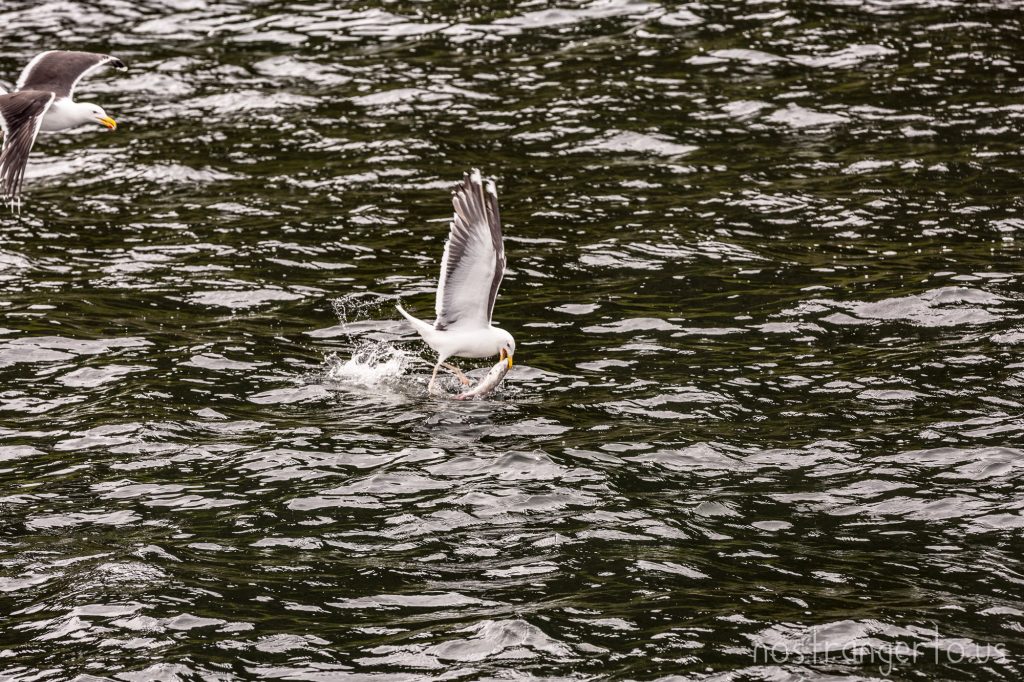
We made our way out around the Raasay Sound in search of golden eagles and seals. Even with a long lens it is challenging to see golden eagles because they blended in so well with the scenery.
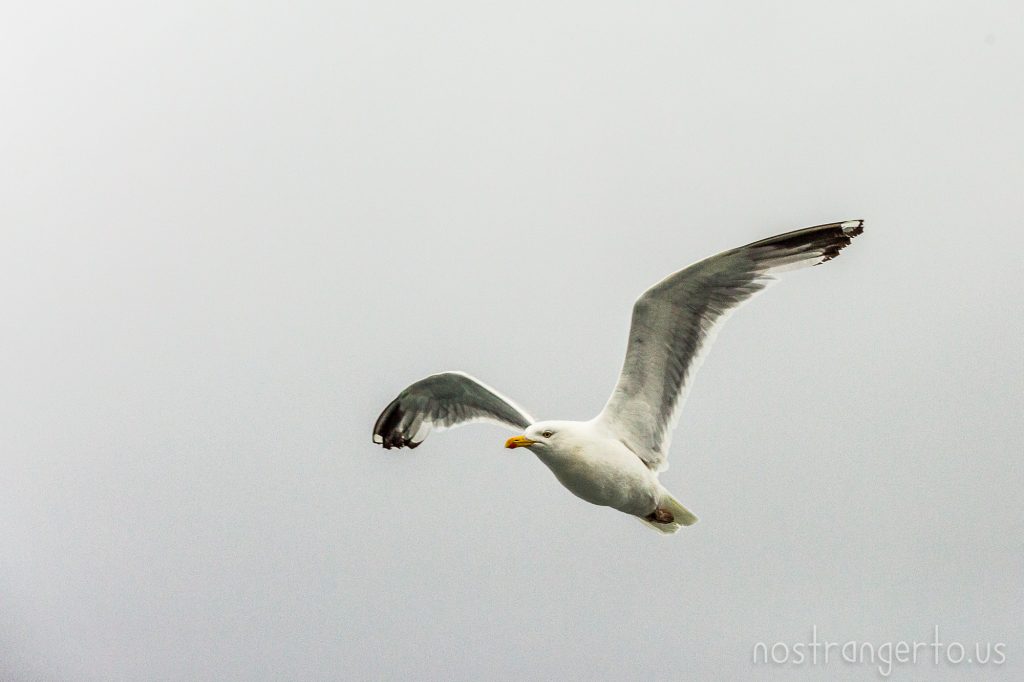
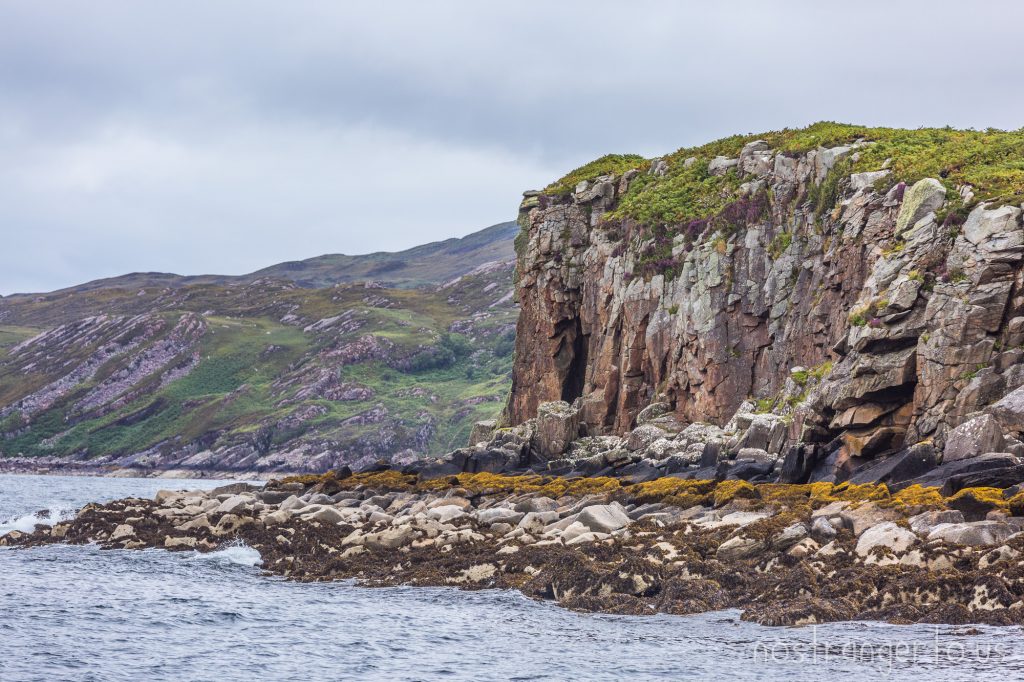
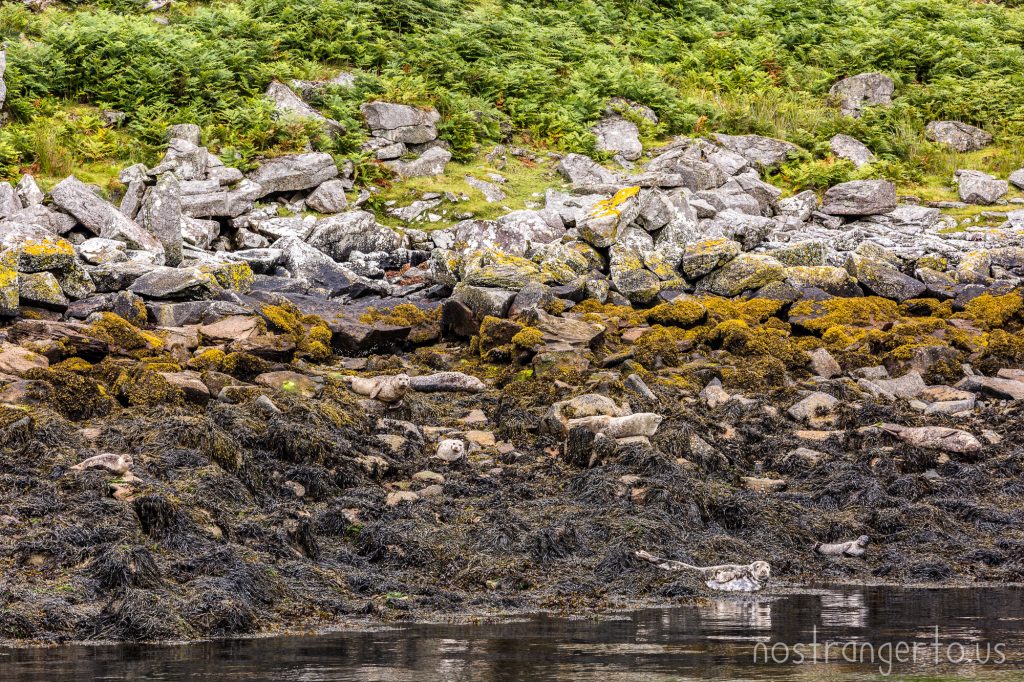
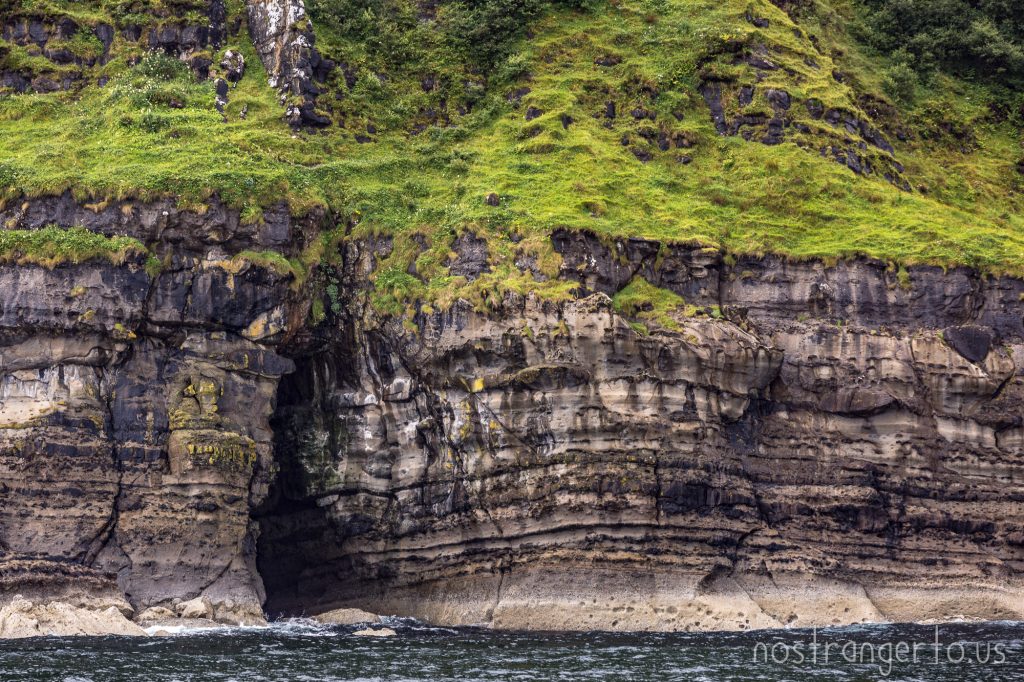
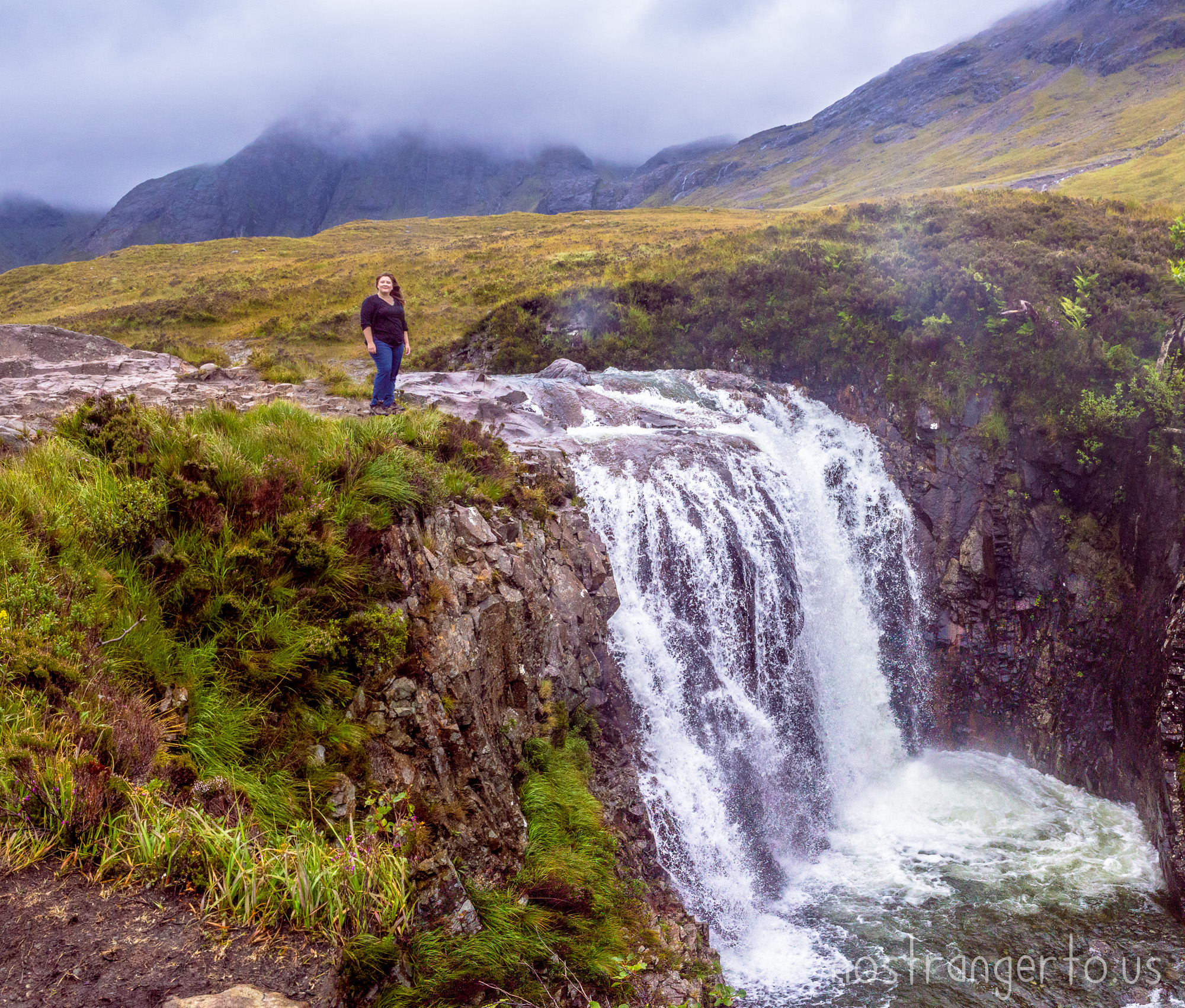
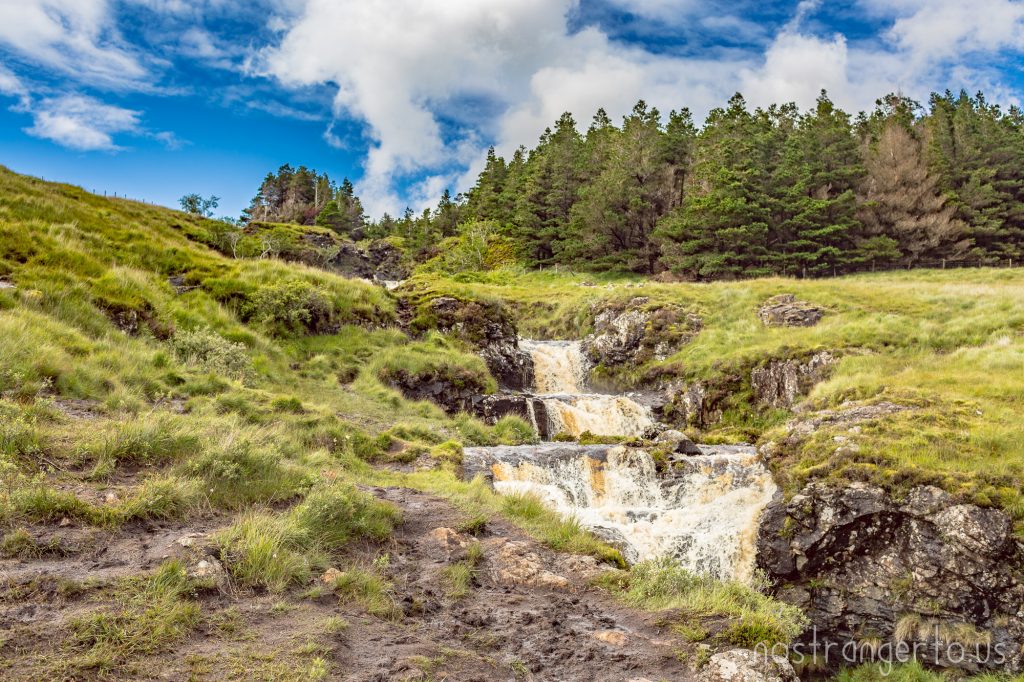
The natural waterfall known as the Fairy Pools boasts vivid blues and greens and are the habitat of a variety of animals. When we were hiking the tourist friendly trail we spotted two golden eagles mating in the sky.
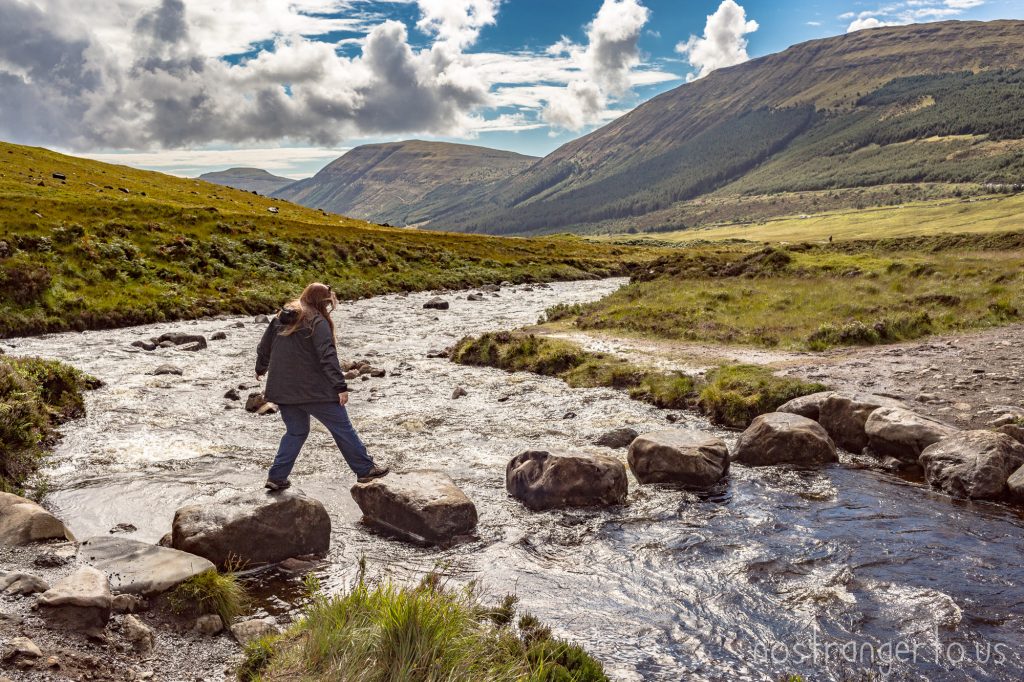
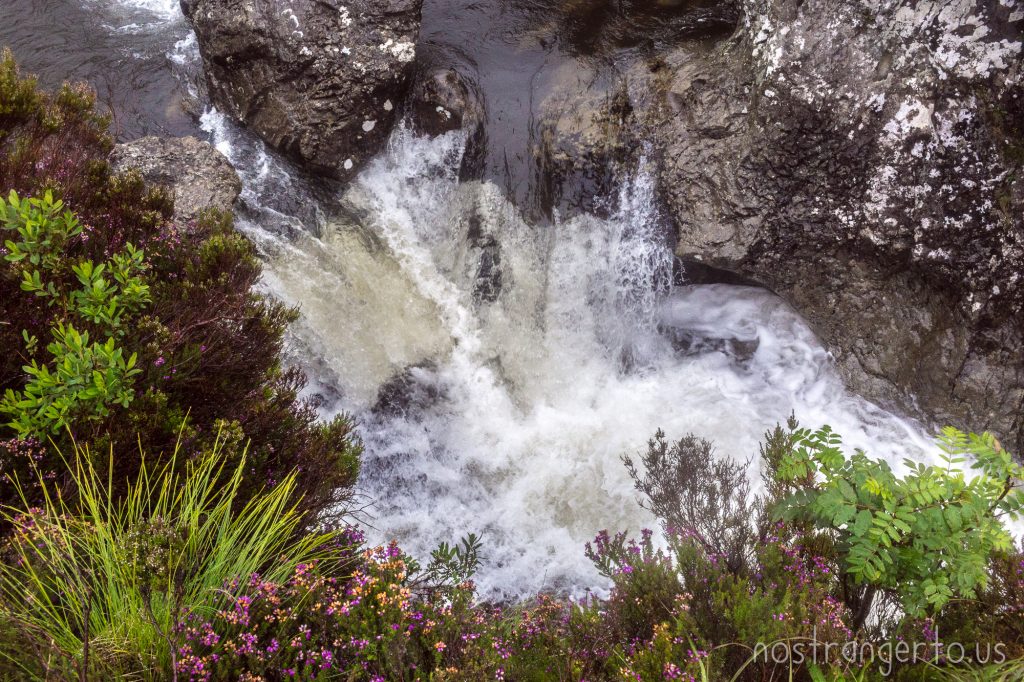
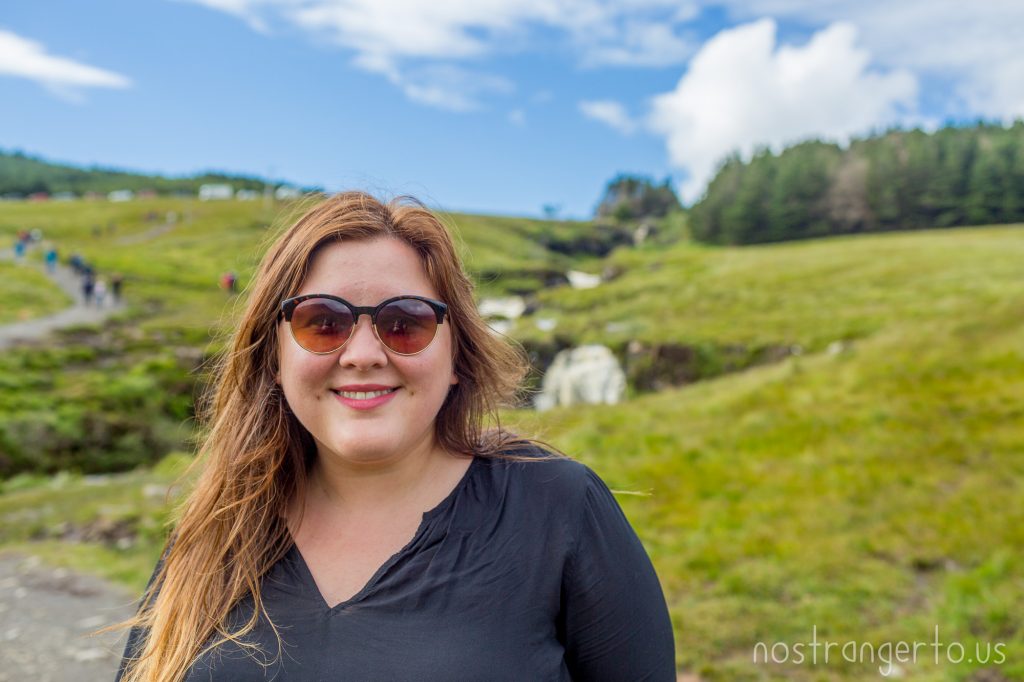
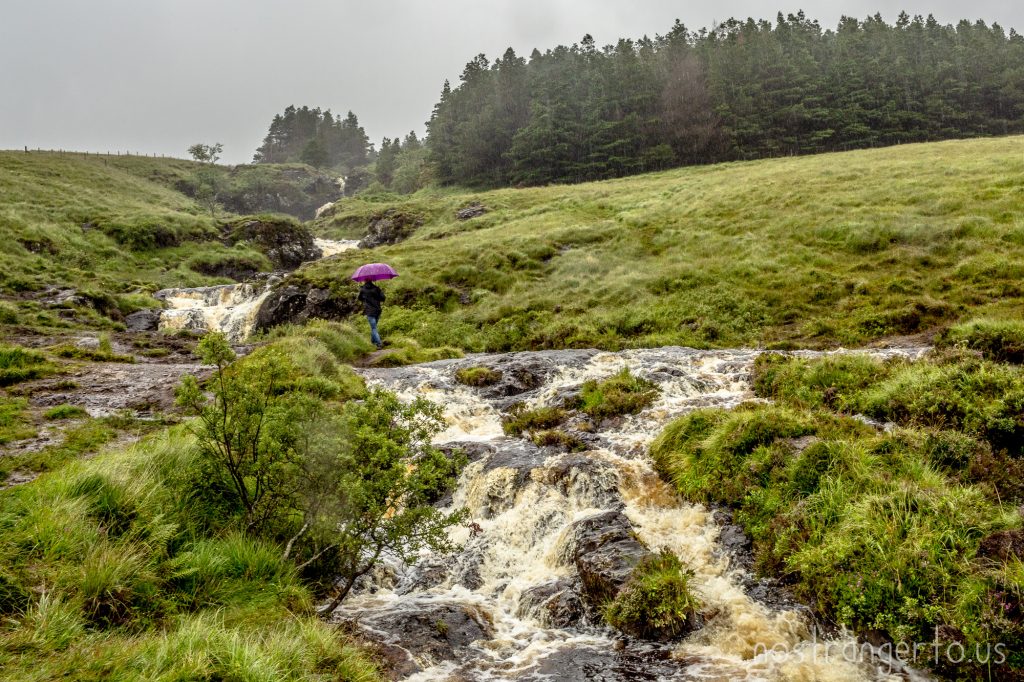
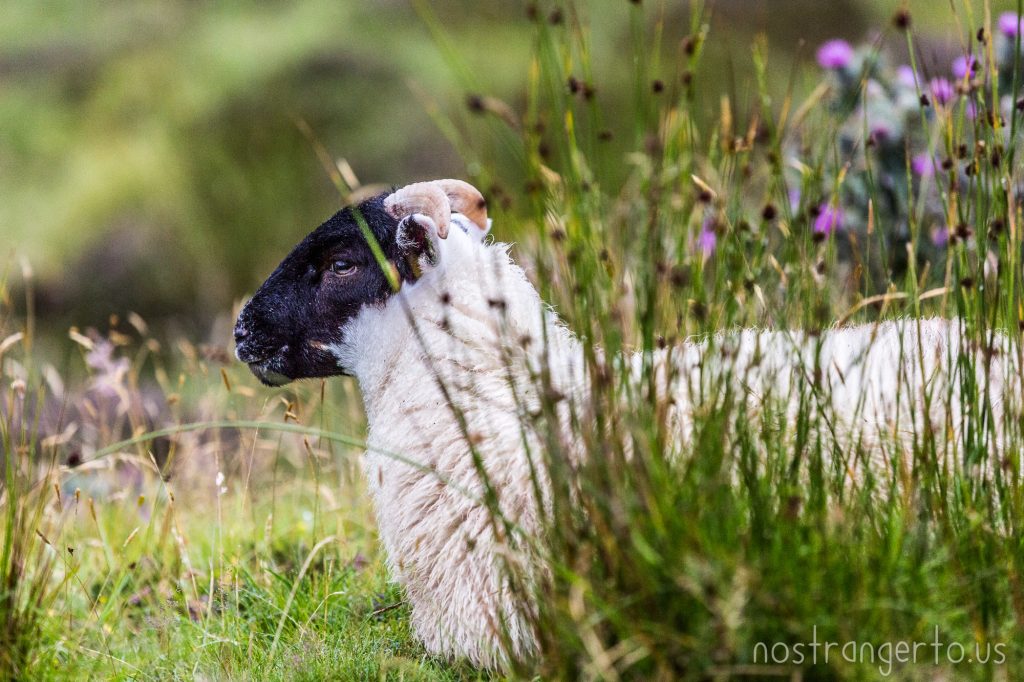
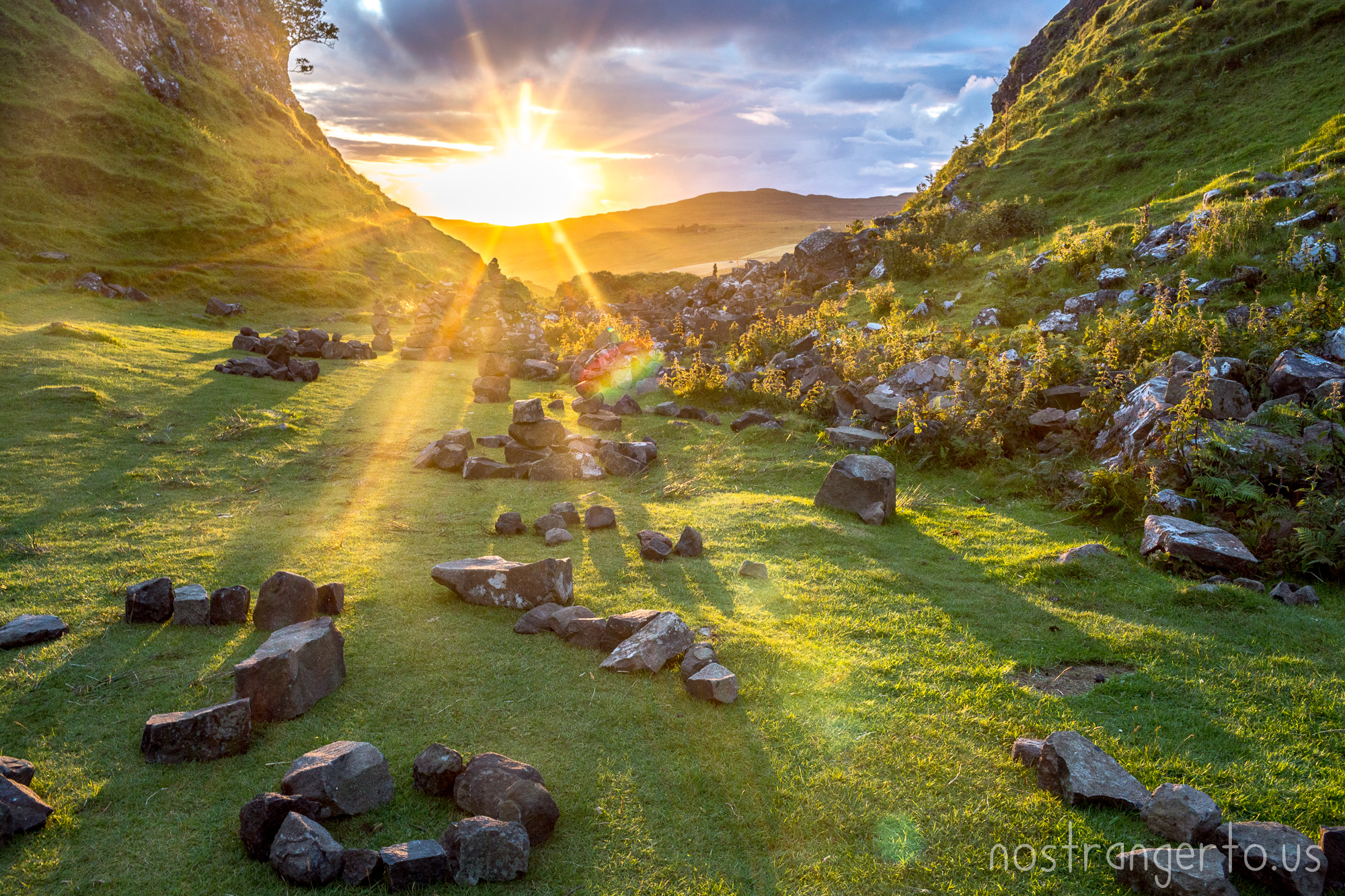
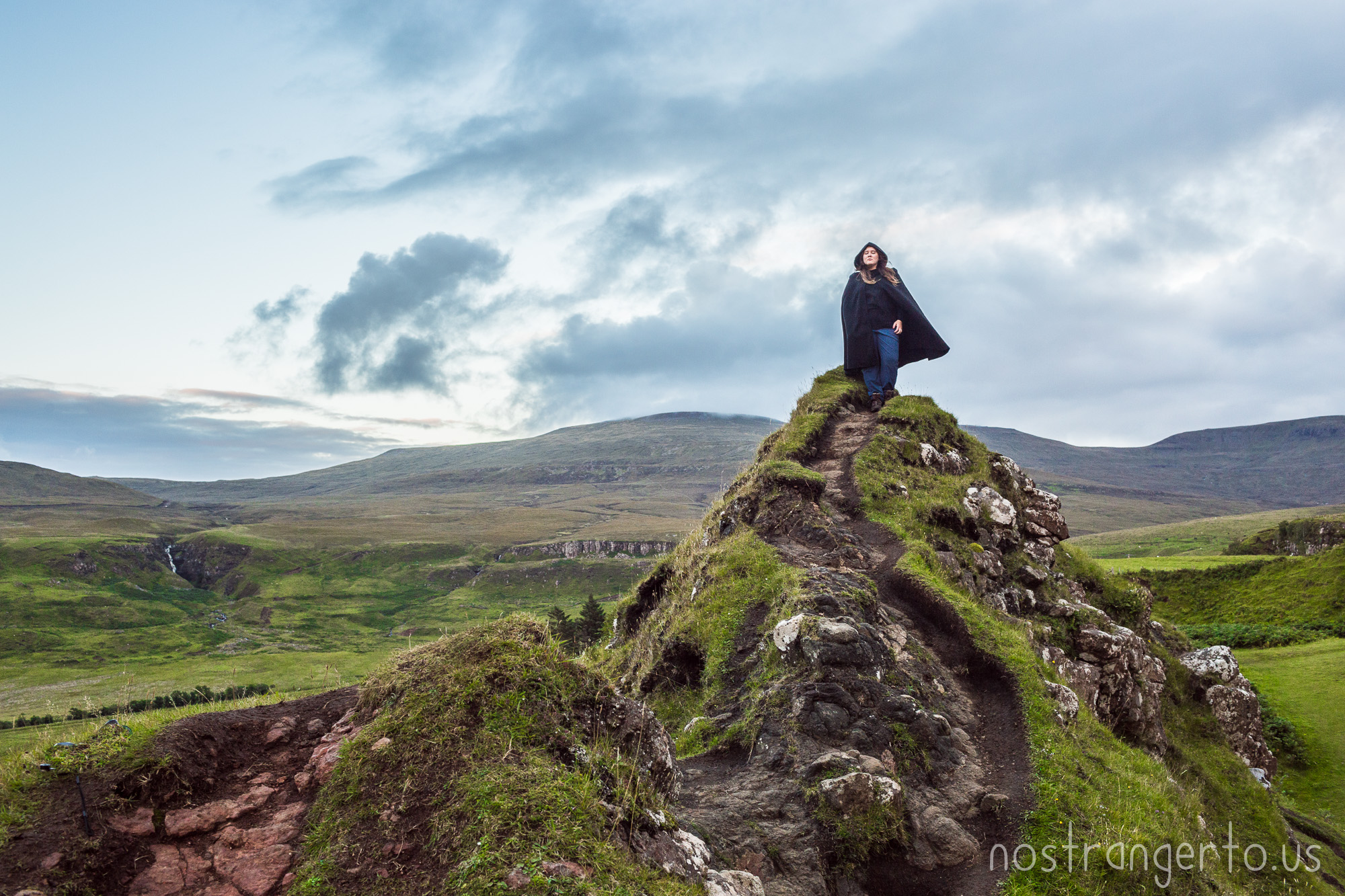
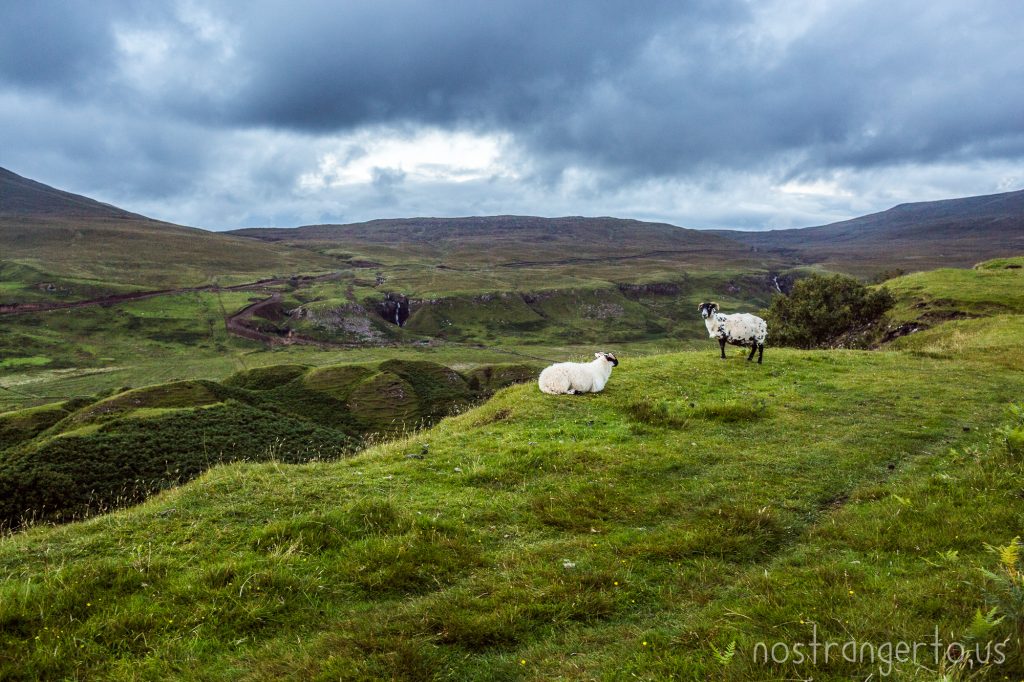
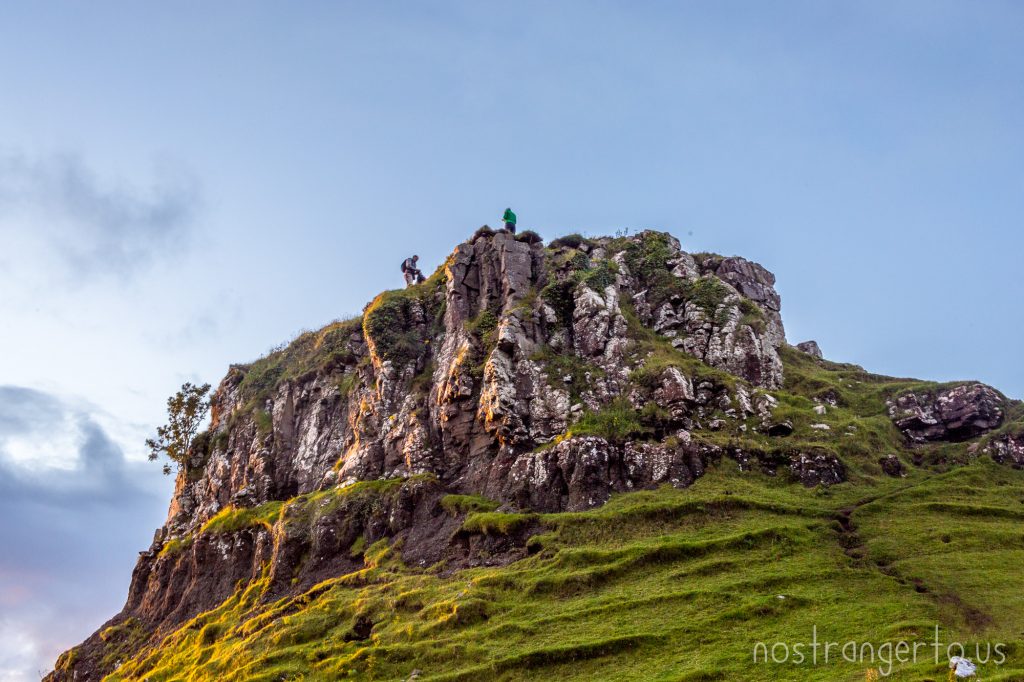
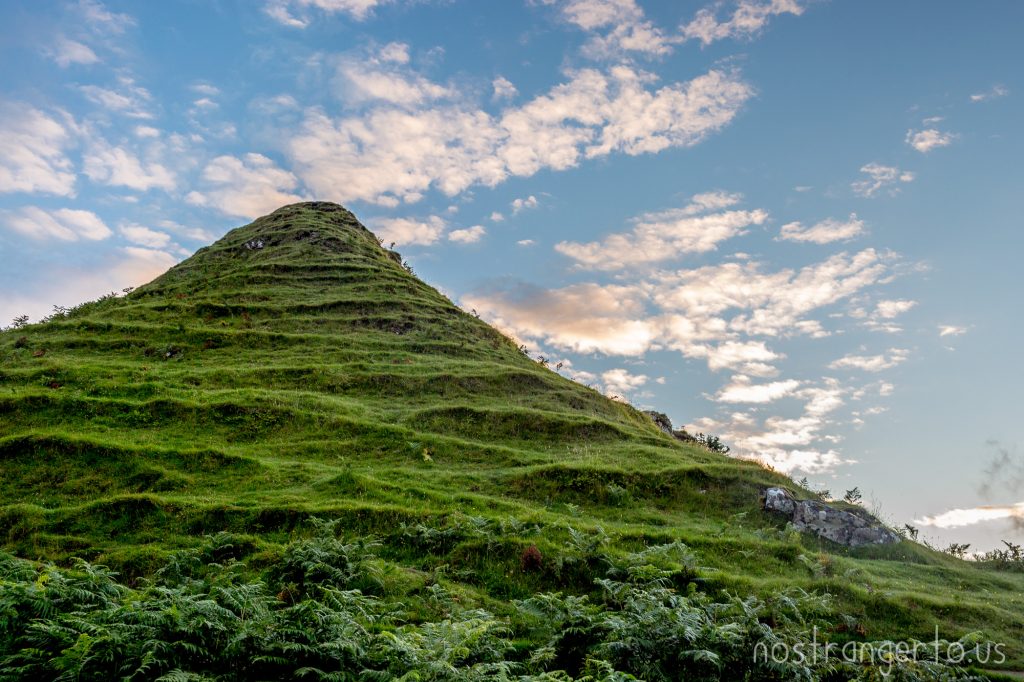
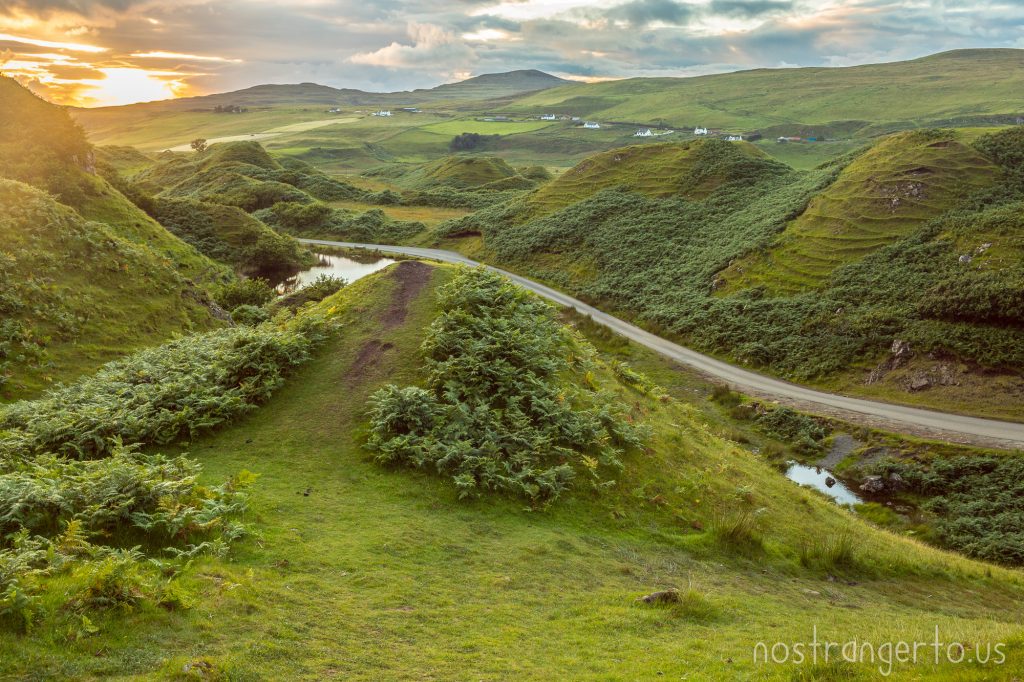
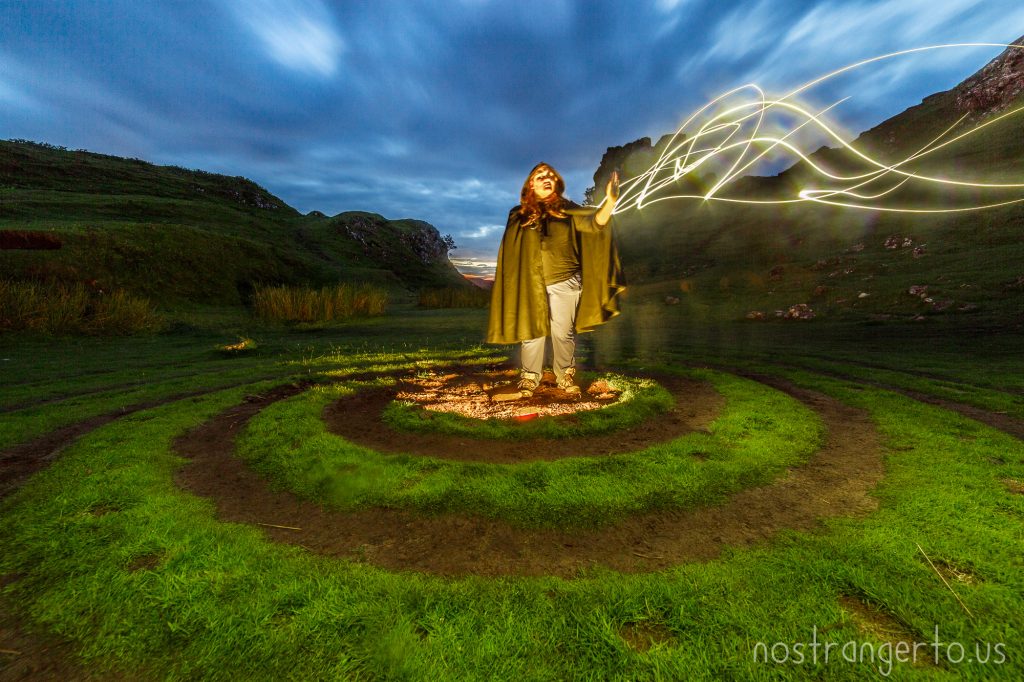
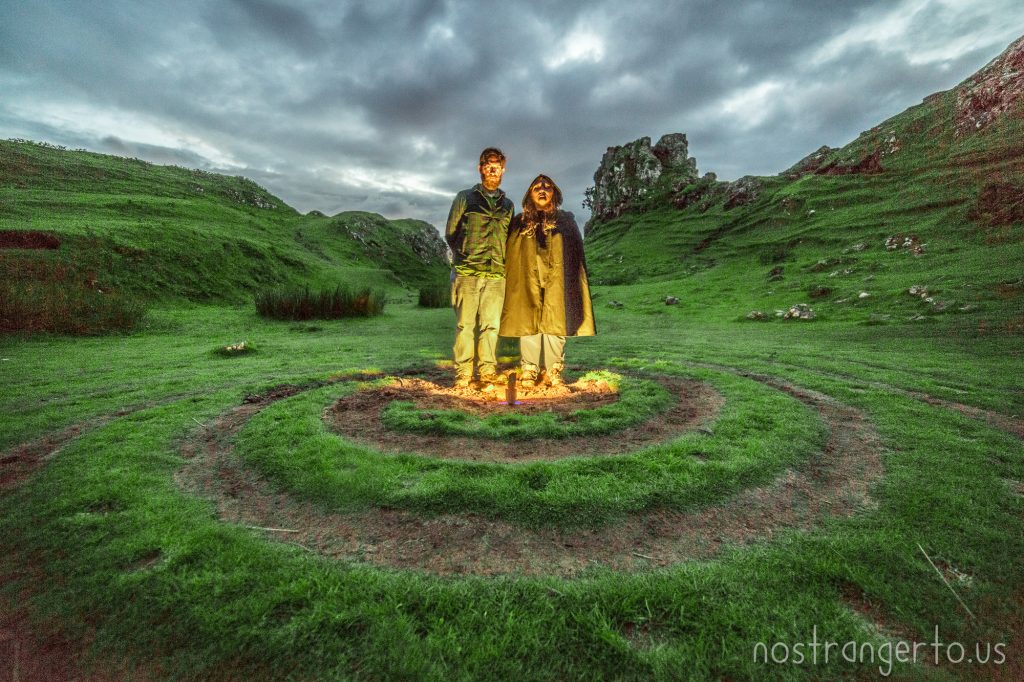
Continuing our search for mysterious fairies, Juliette drove to the small hamlet of Uig. There, just outside the little harbor town is the magical Fairy Glenn. A landslip in miniature and a winding road leads visitors to a breathtaking view of rolling hills.

Day 6 – Isle of Harris & Lewis – Scotland
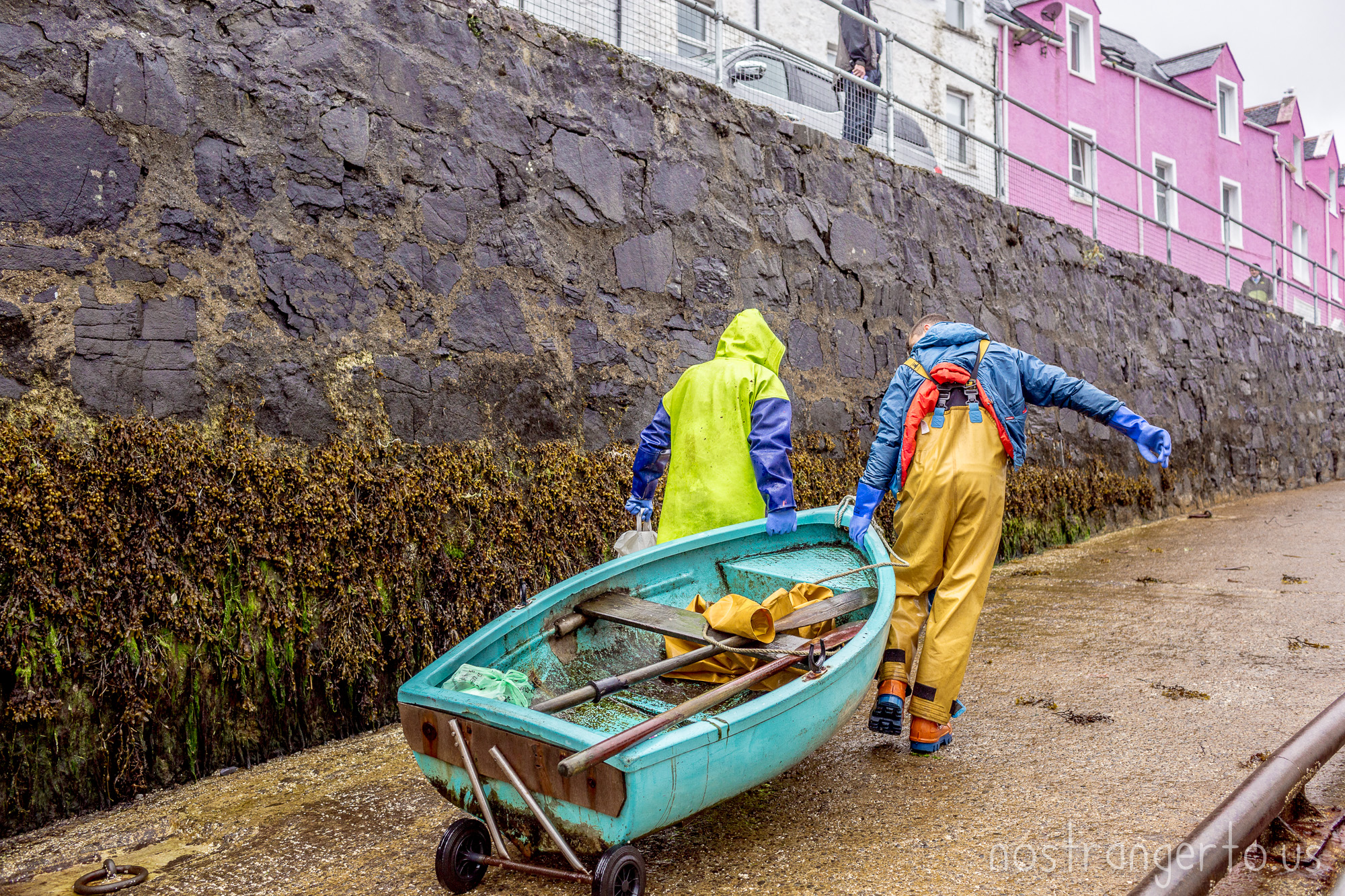
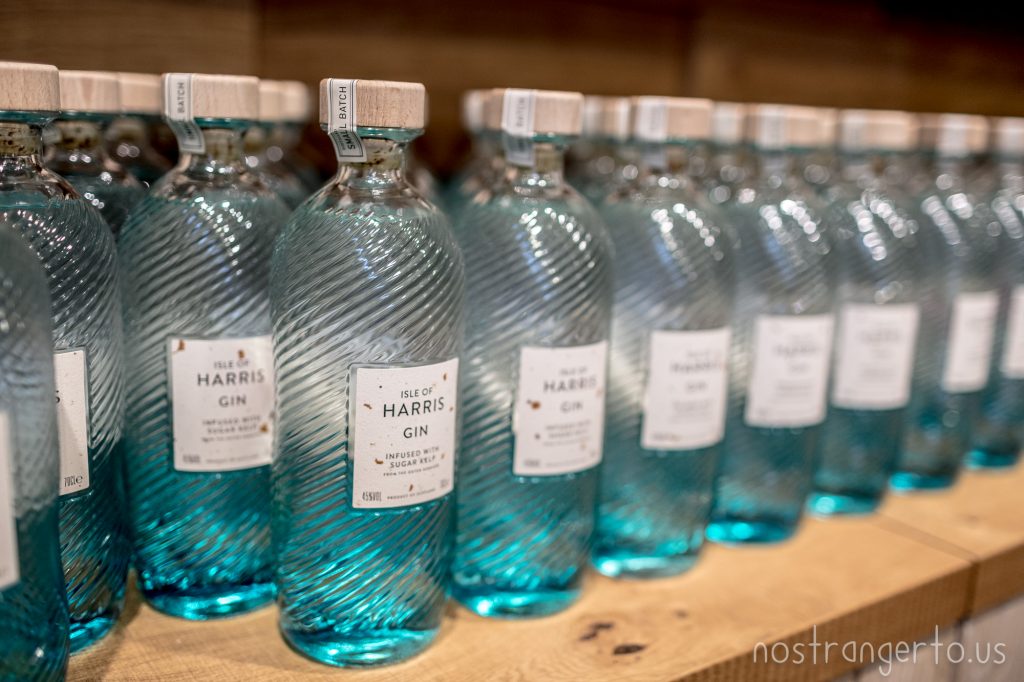
One of our favorite places to visit on our Scotland trip was the Isle of Harris and Lewis. We drank gin, made friends with the locals and honored Scotts of the past by visiting the ancient standing stones. Ferry goers are met by the distillery when they roll into the port.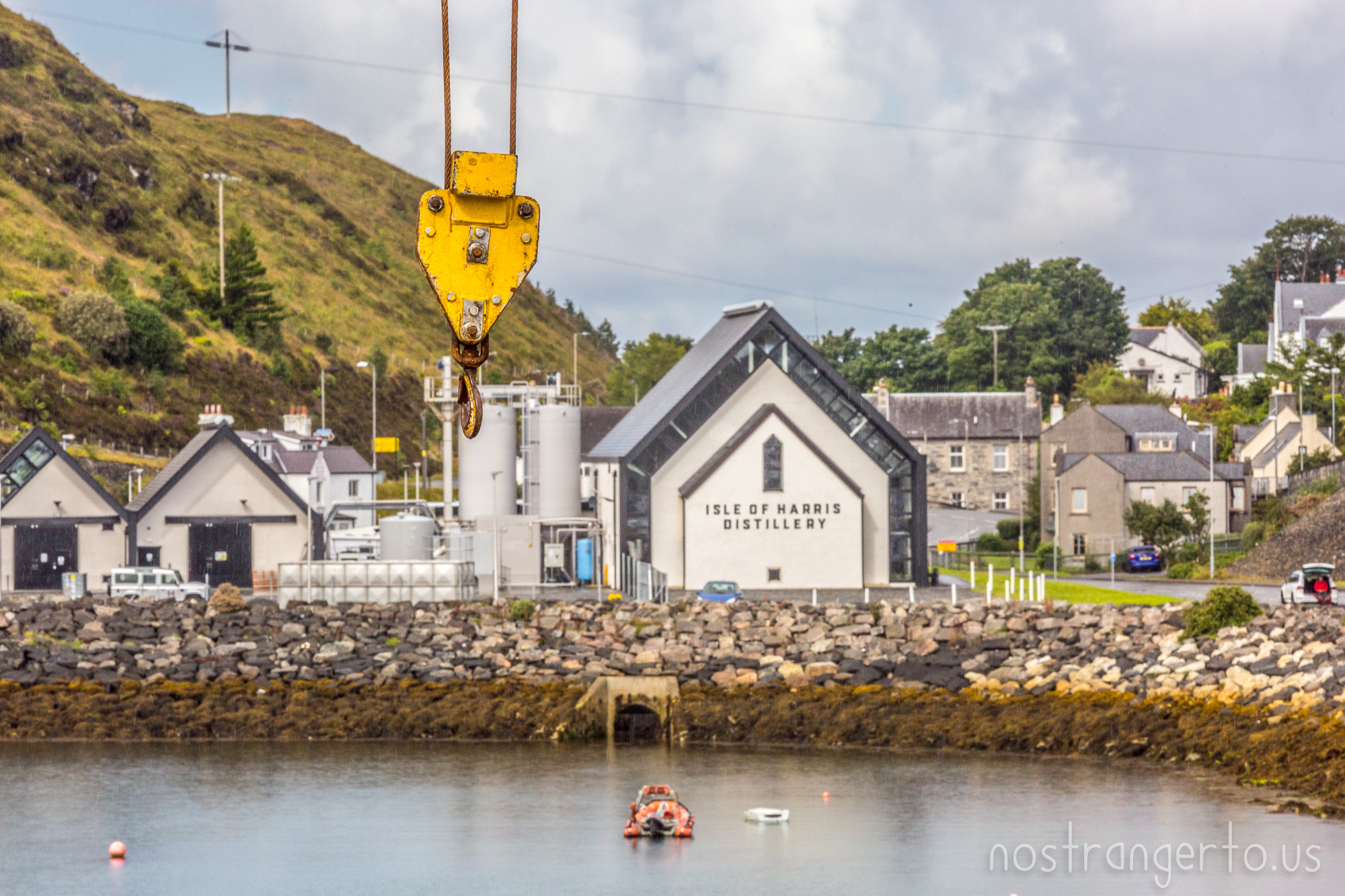
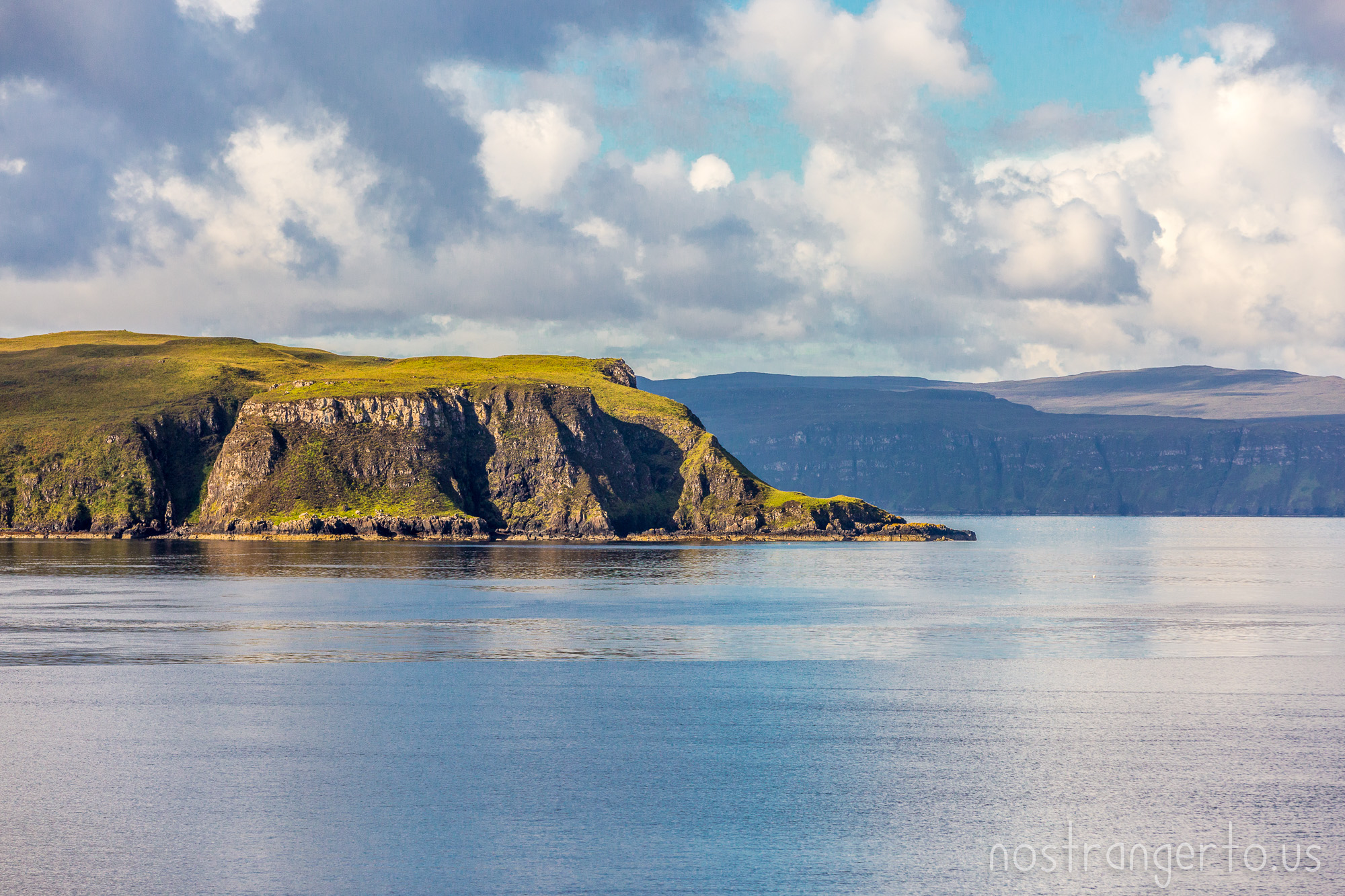
We took a lovely ferry ride (Juliette’s new favorite thing!) and enjoyed beautiful ocean views. The Harris Gin Distillery was right next to the ferry so even though it was early in the morning we went ahead and visited and tried some delicious G&Ts!
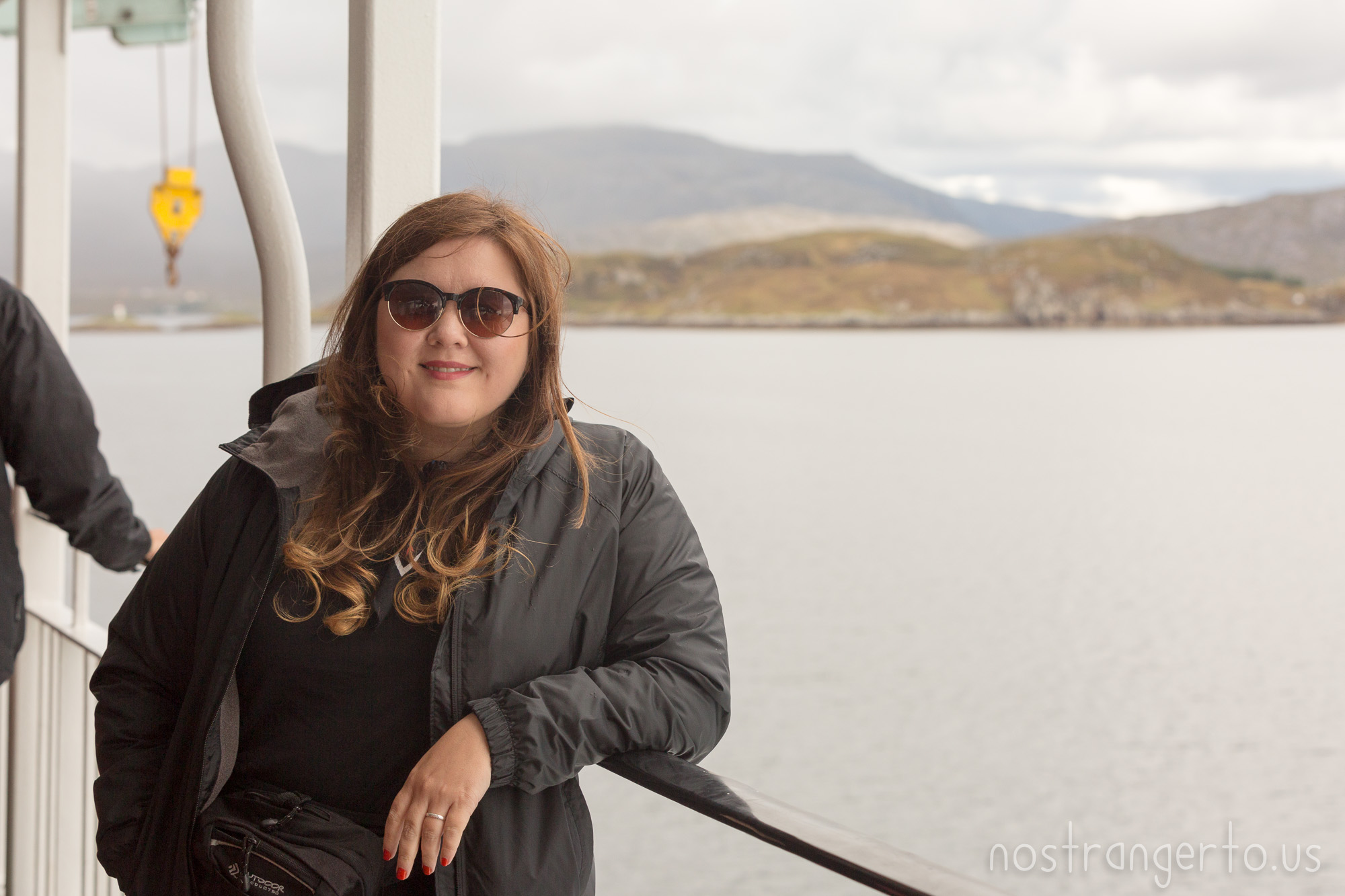
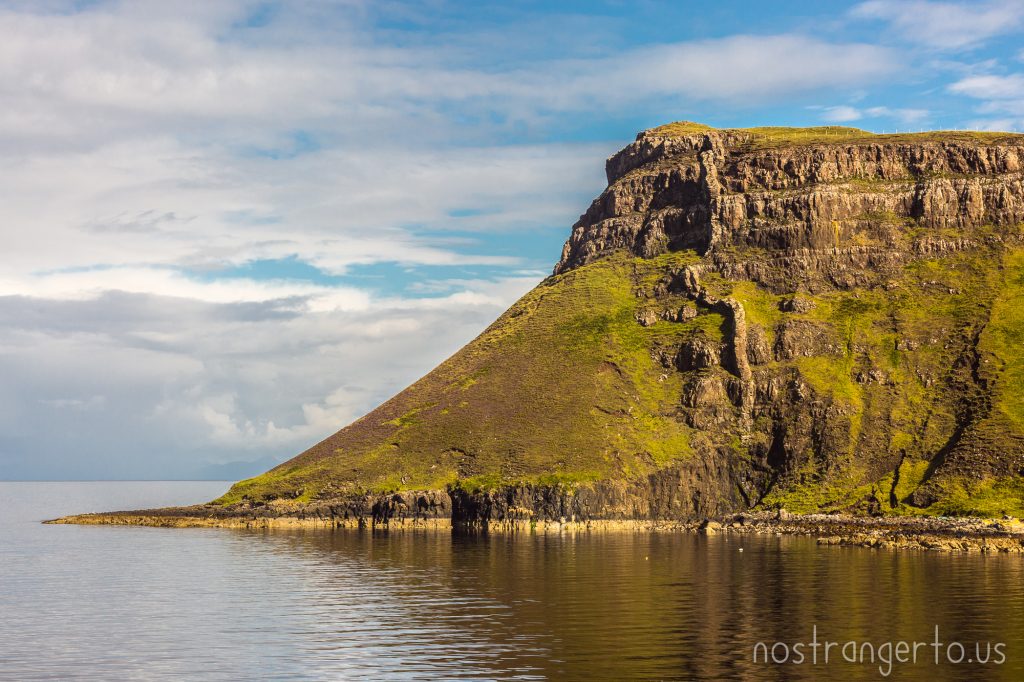
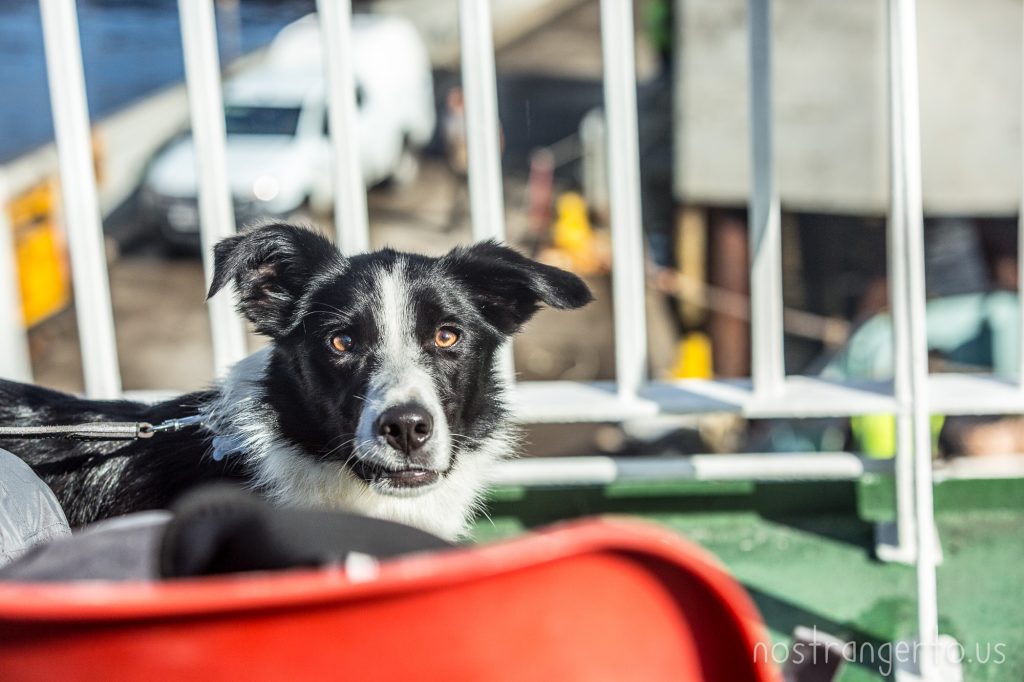
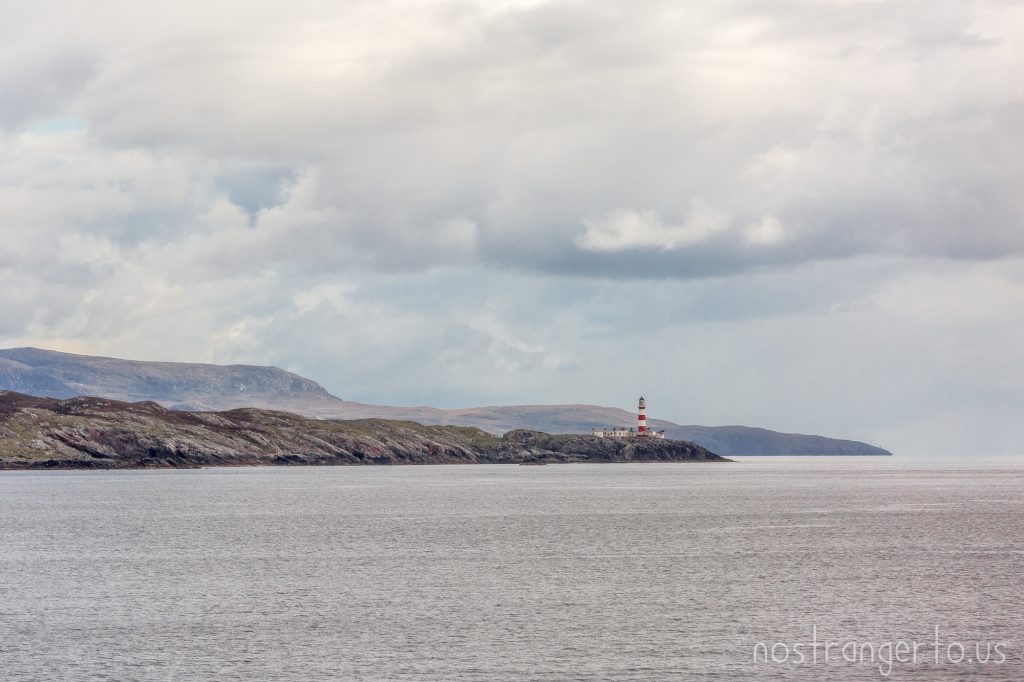
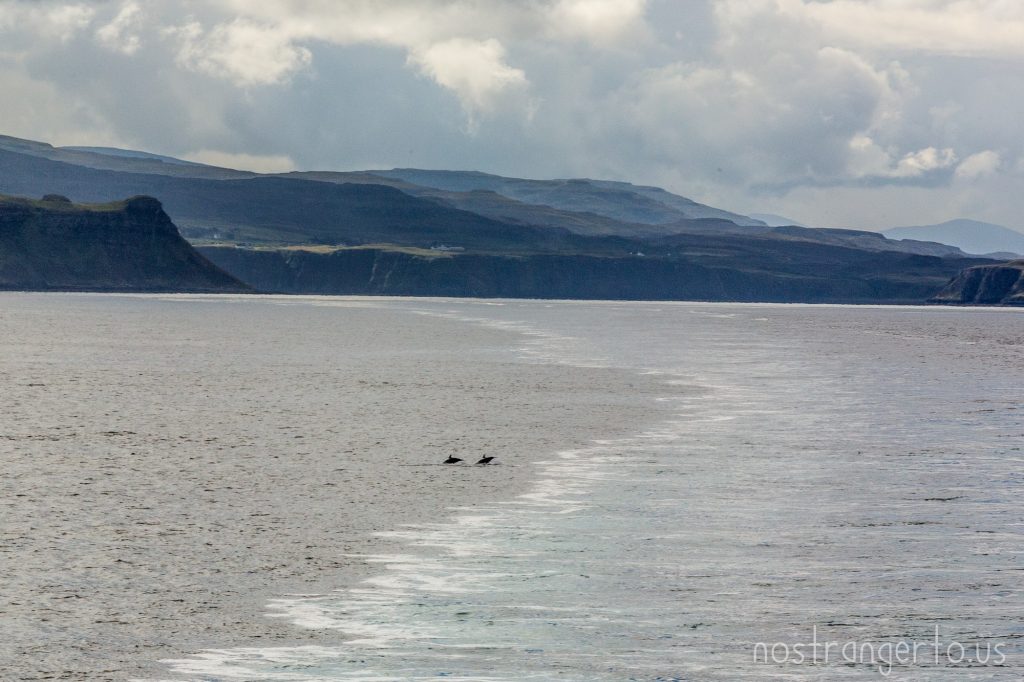
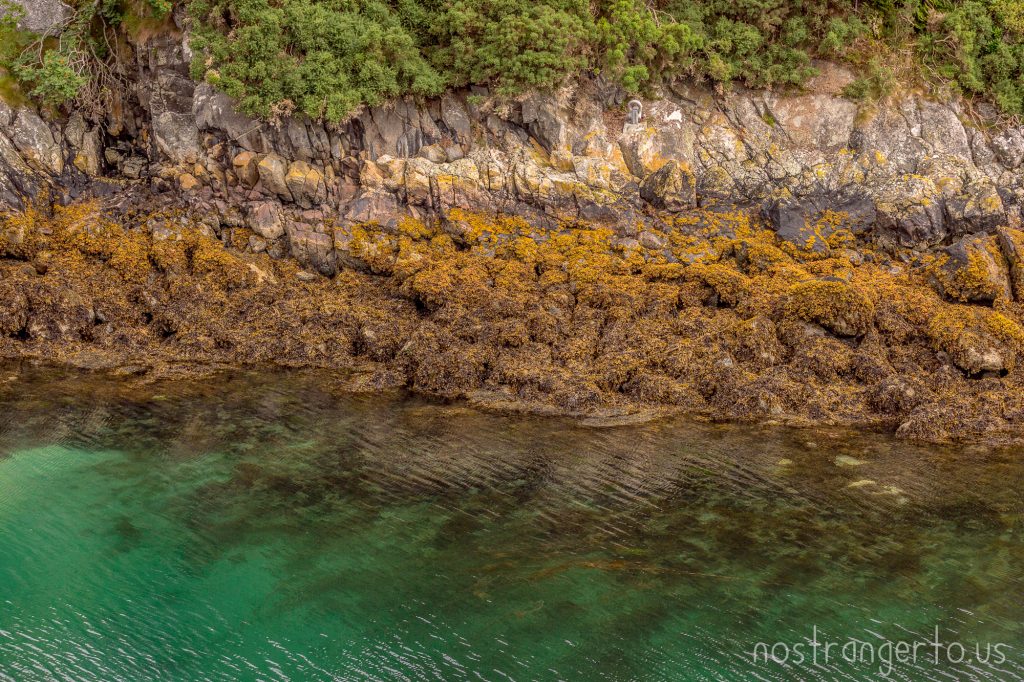
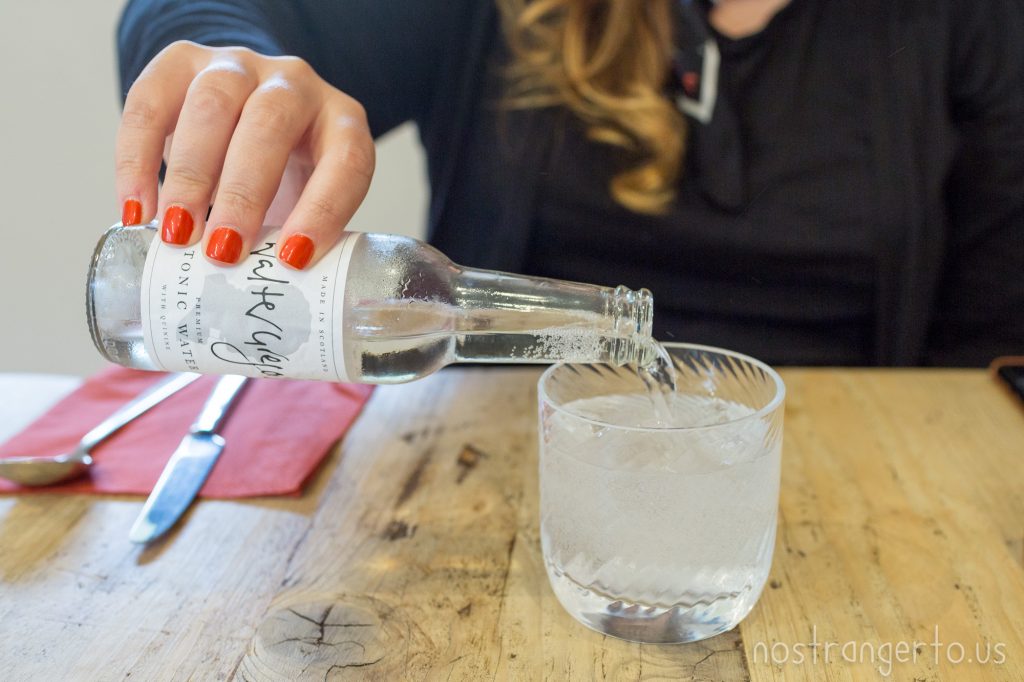
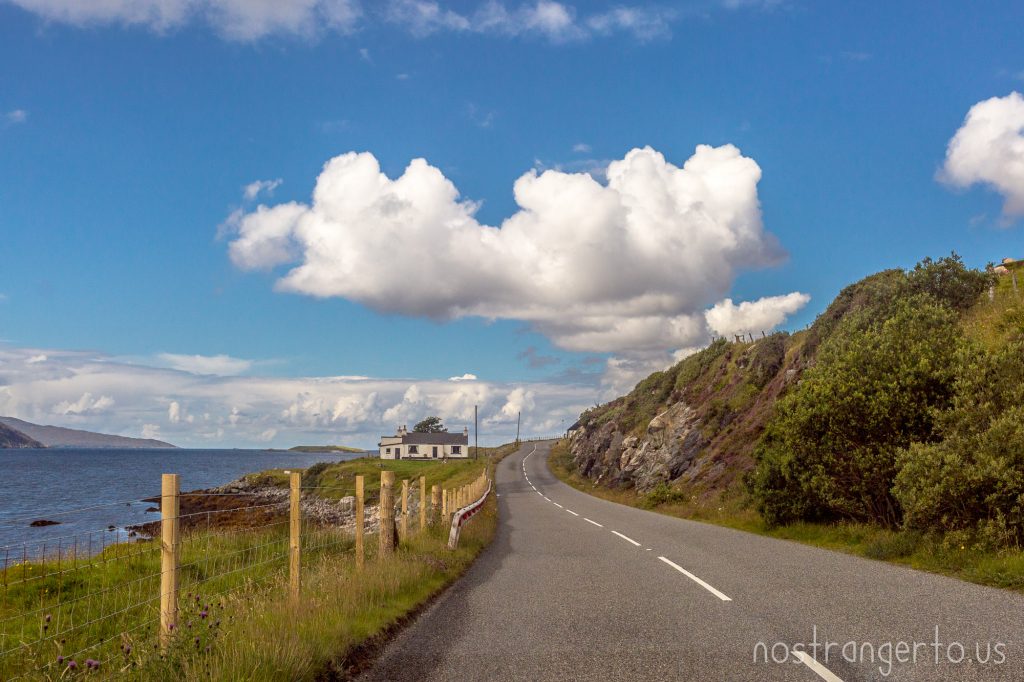
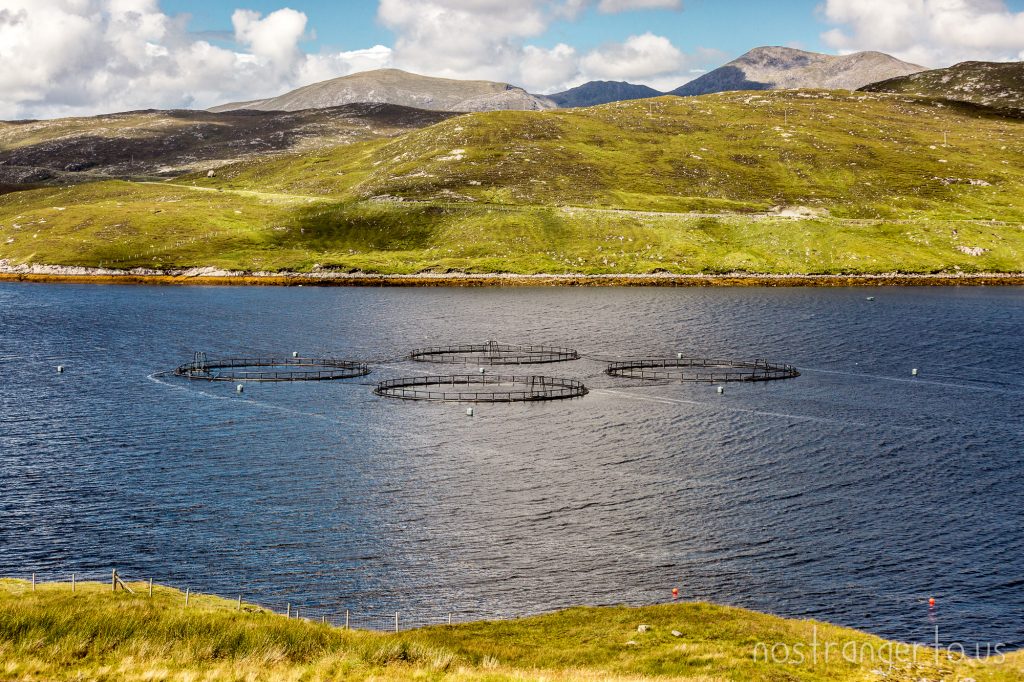
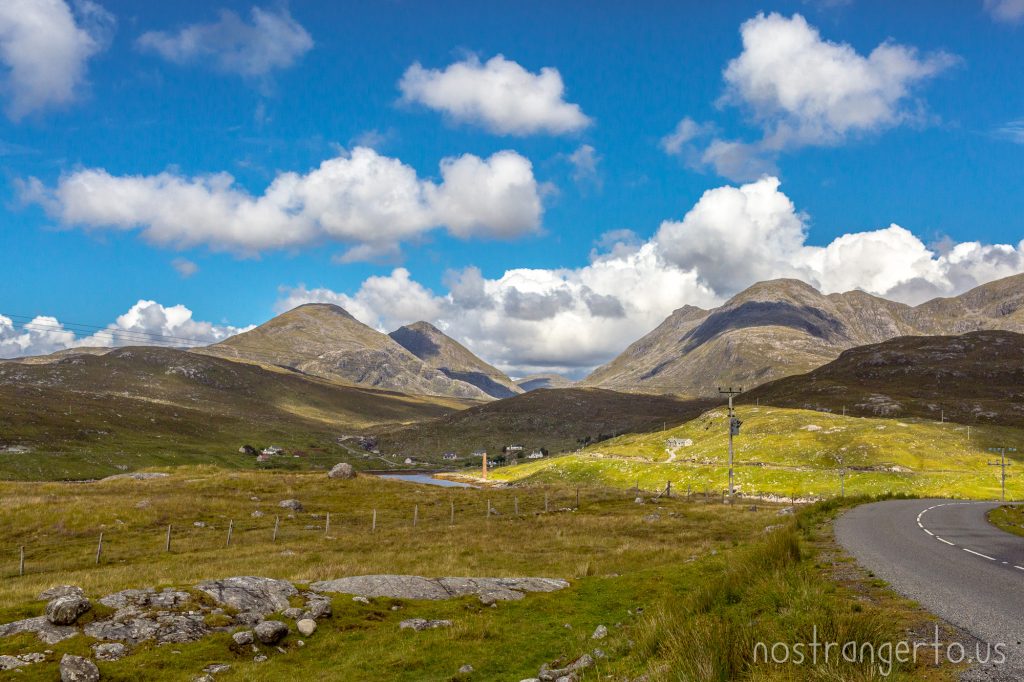
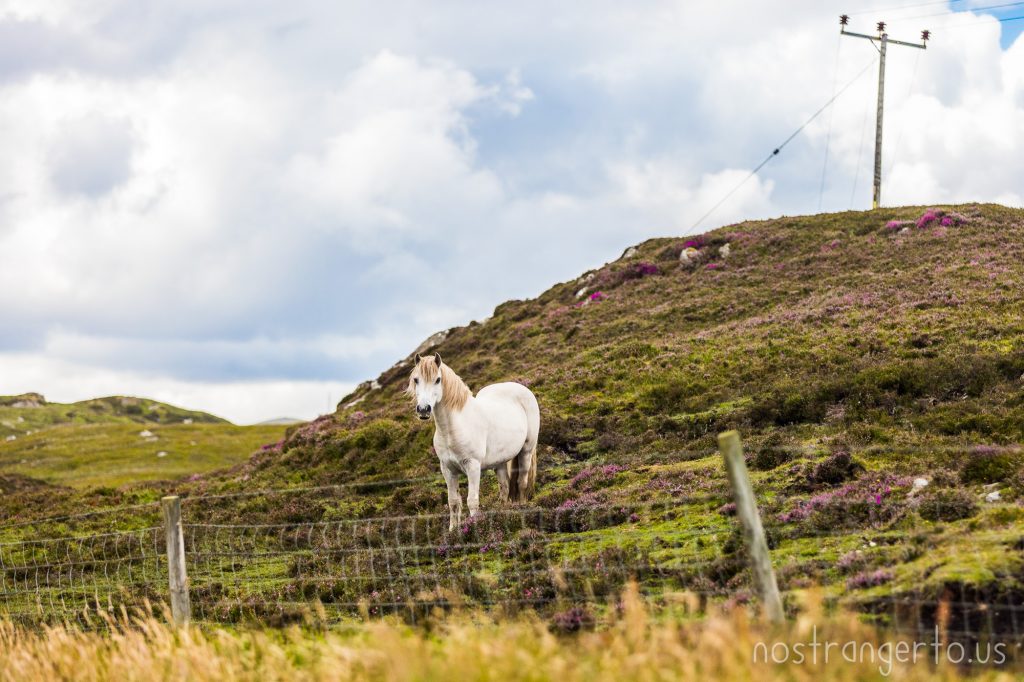
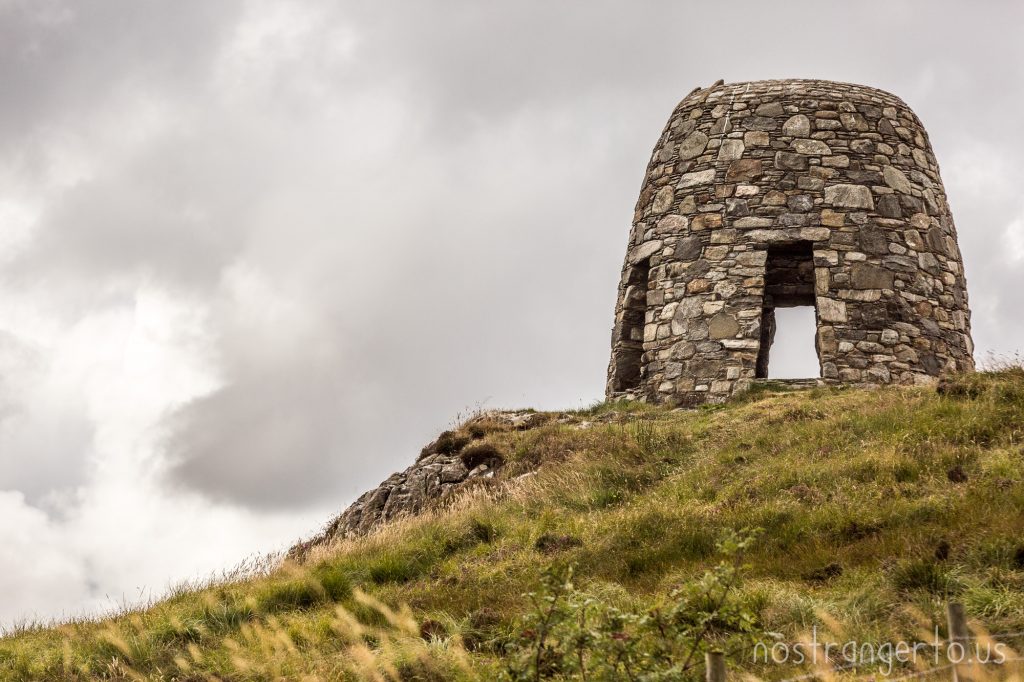
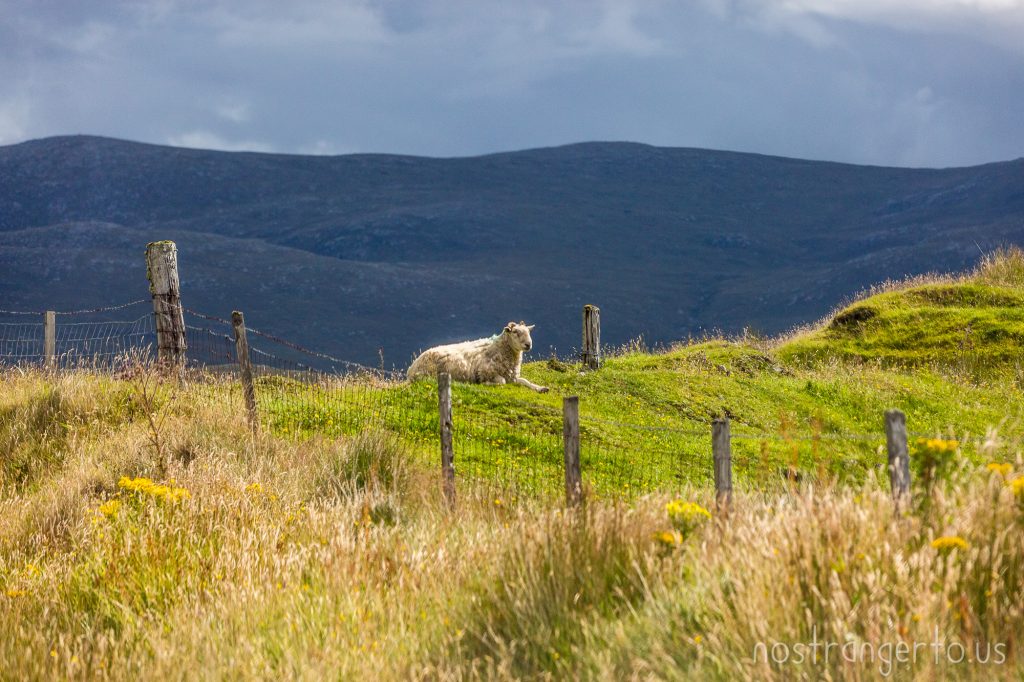
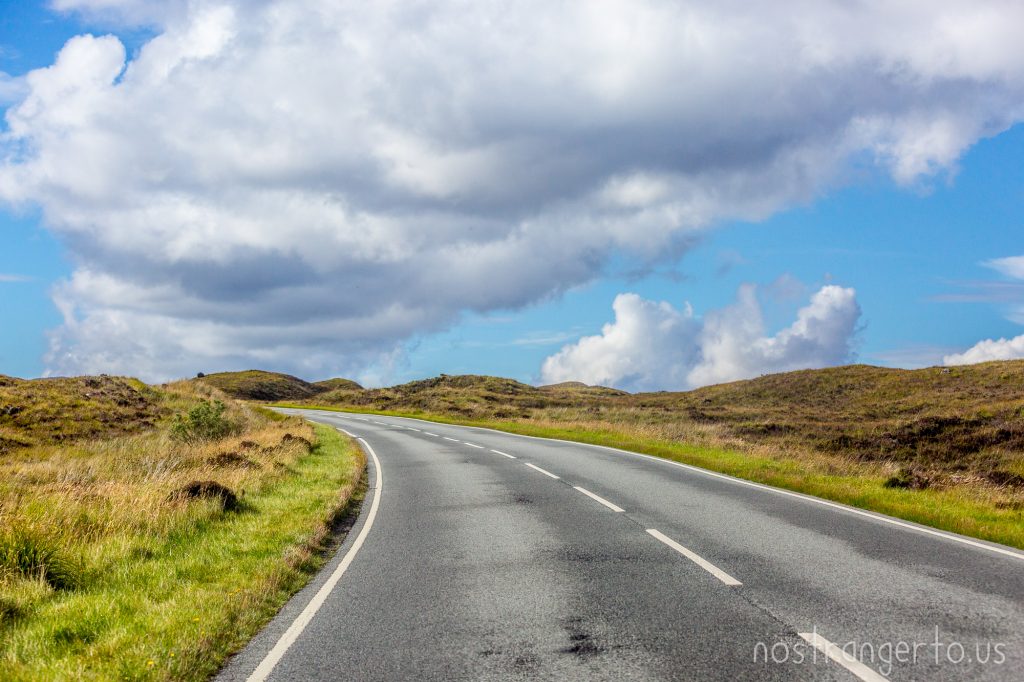
Driving around the island was breathtaking. We rarely saw other people as we made our way along the countryside. Juliette was on a mission to see the neolithic Calanais standing stones made famous by the show Outlander. Be careful not to touch the center stone because you will likely travel back in time. Travellers will find other stone monuments commemorating various clans, mountain climbers and Jacobites throughout the Isle of Lewis.
The Calanais stones were a focus for ritual activity during the Bronze Age and now make a great place for selfies!
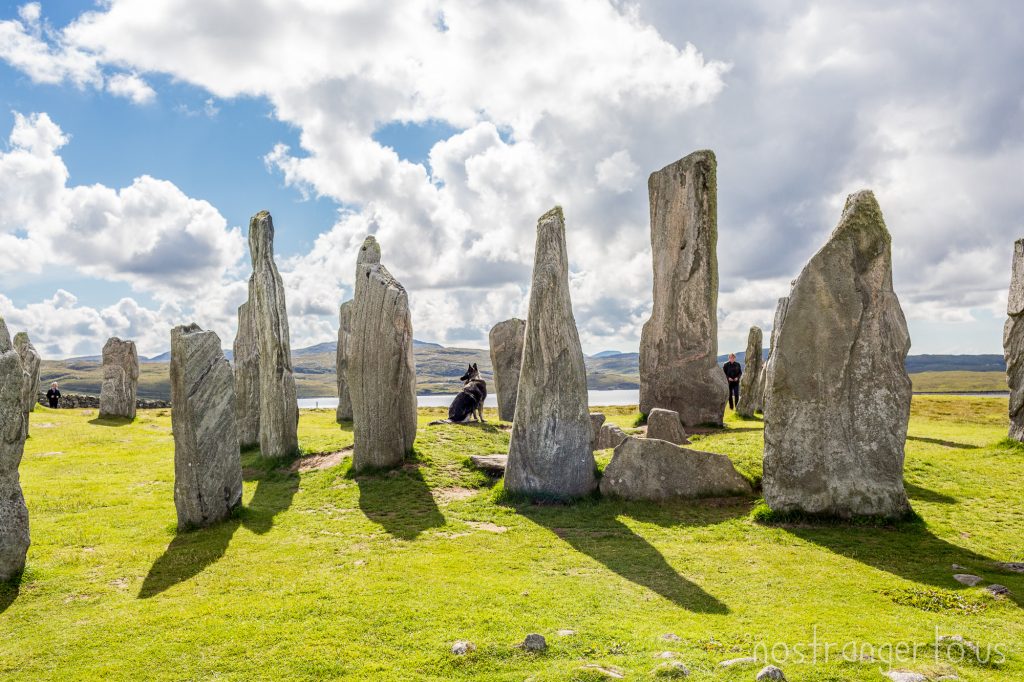
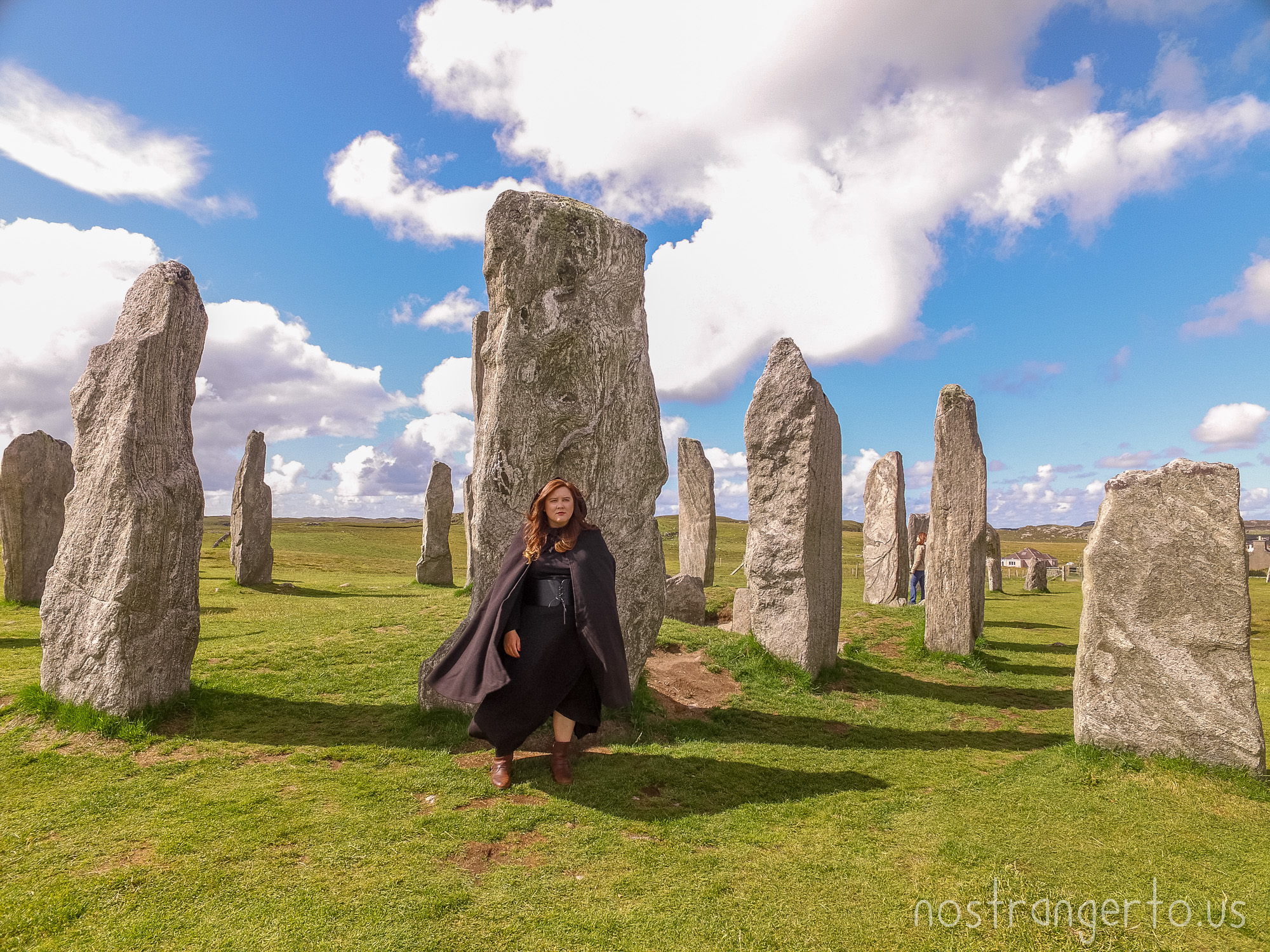
The Stones create a circle pattern of thirteen stones with a monolith near the middle. Five rows of standing stones connect to this circle. Two long rows of stones running almost parallel to each other from the stone circle to the north-northeast form a kind of walkway.
There are shorter grouping of stones to the west-southwest, known as Cnoc Fhillibhir Bhig (aka Callanish III) that we visited. We were greeted by a herd of cows that were tending their calves.
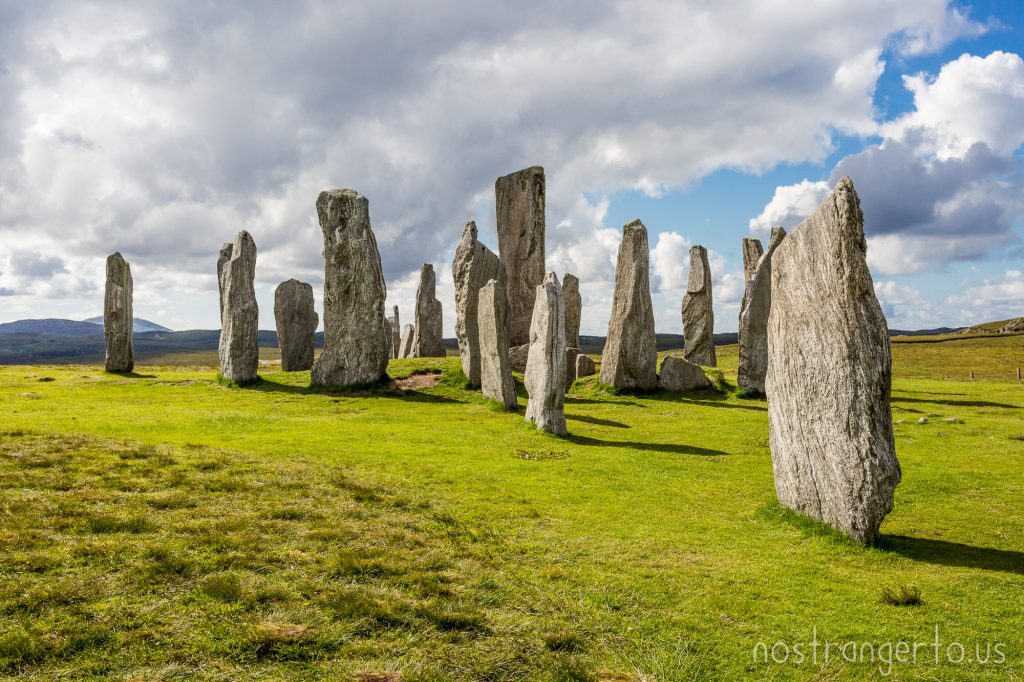
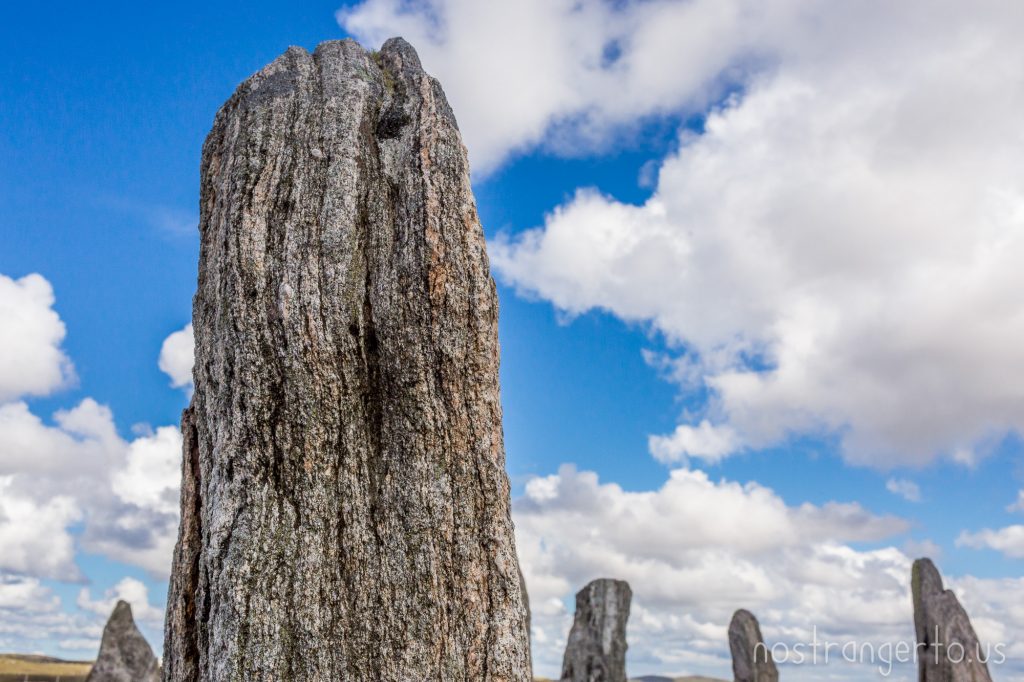
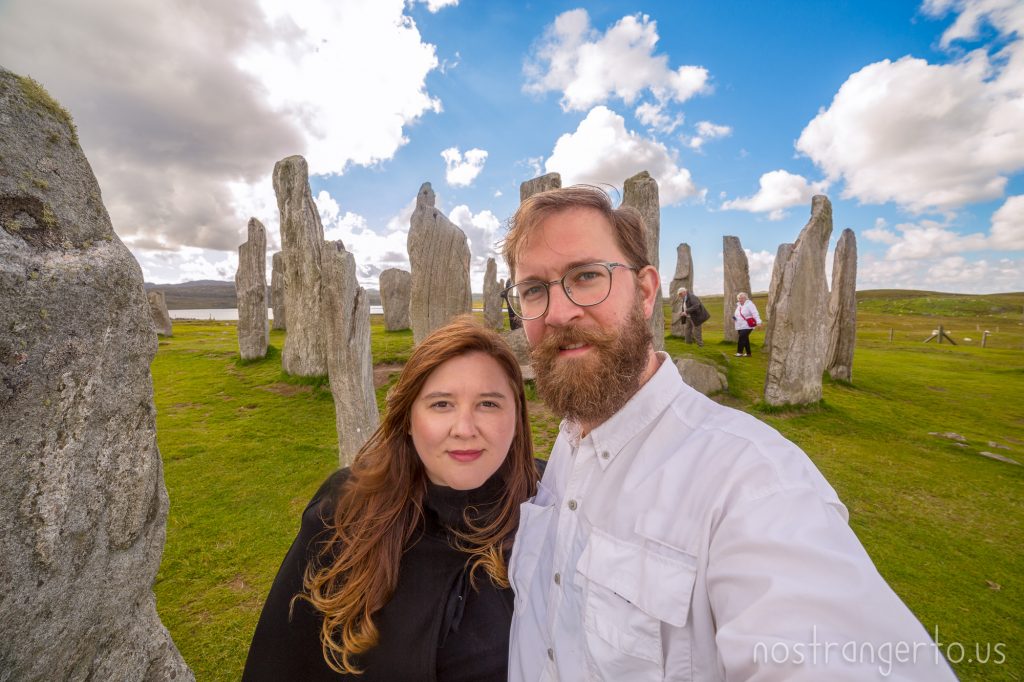
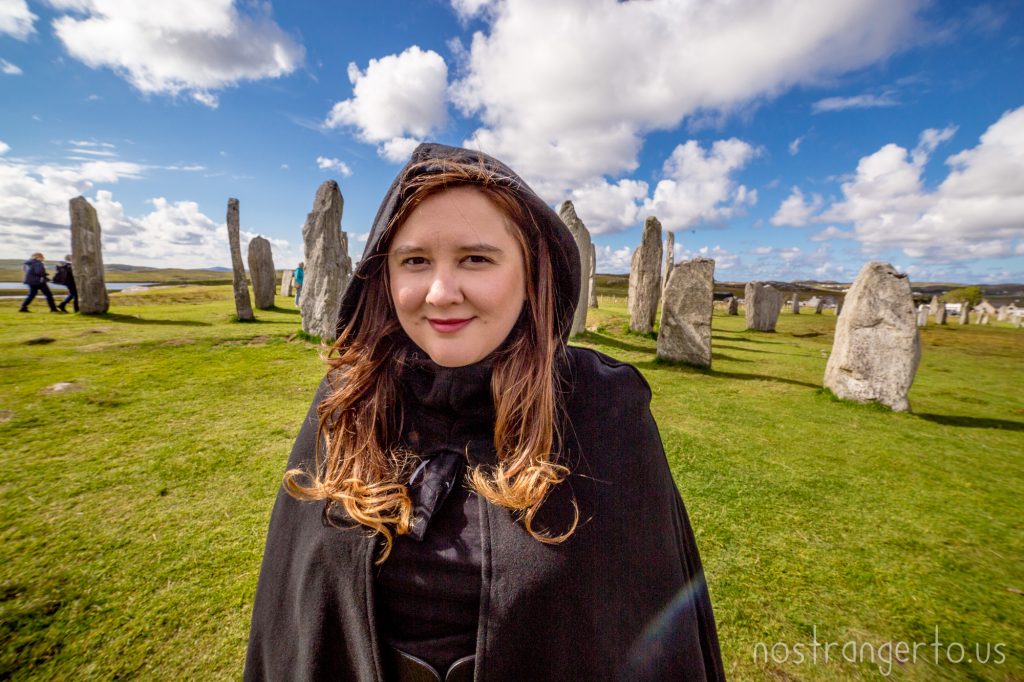
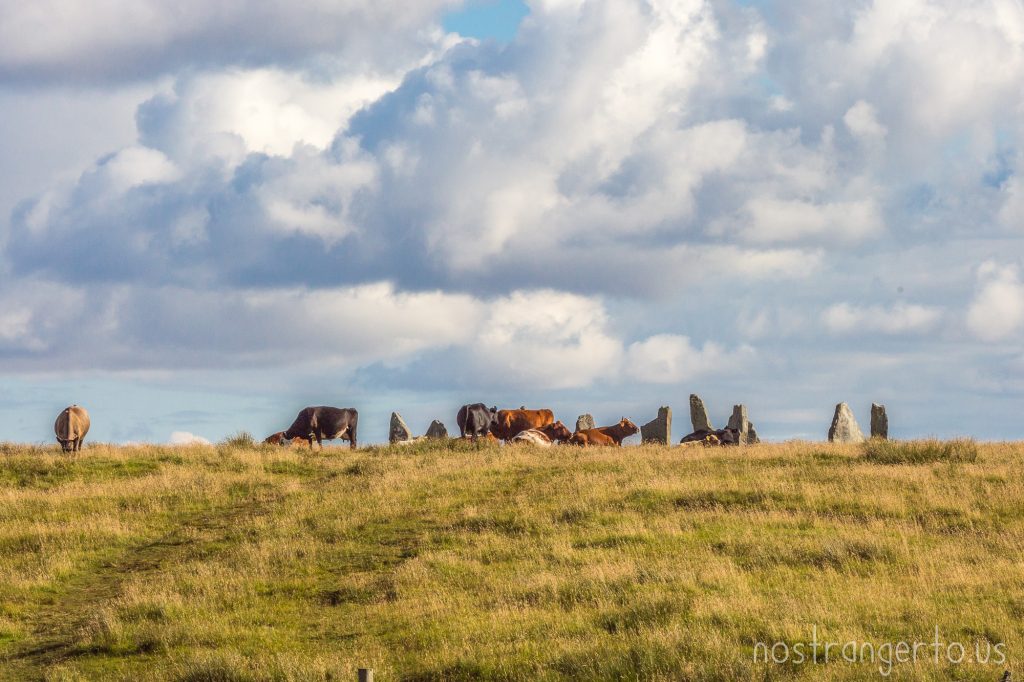
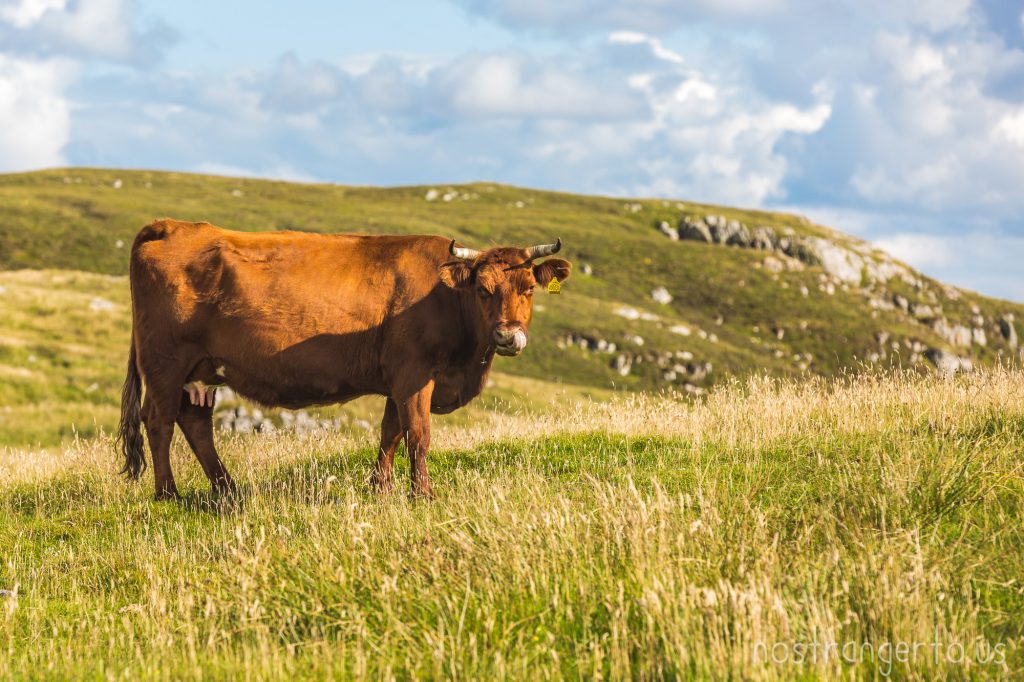
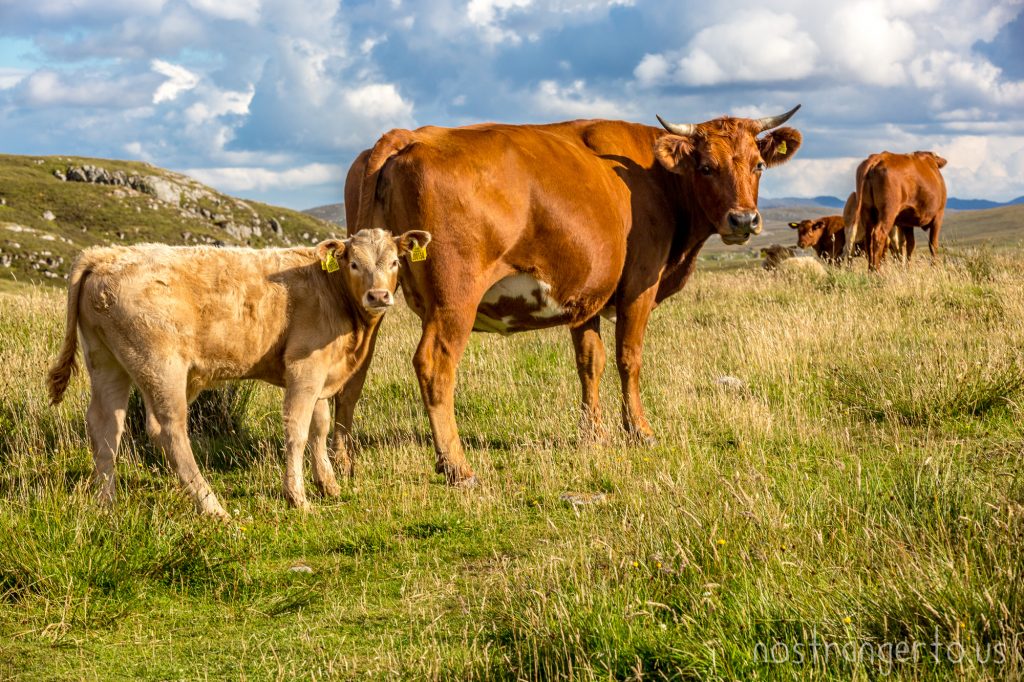
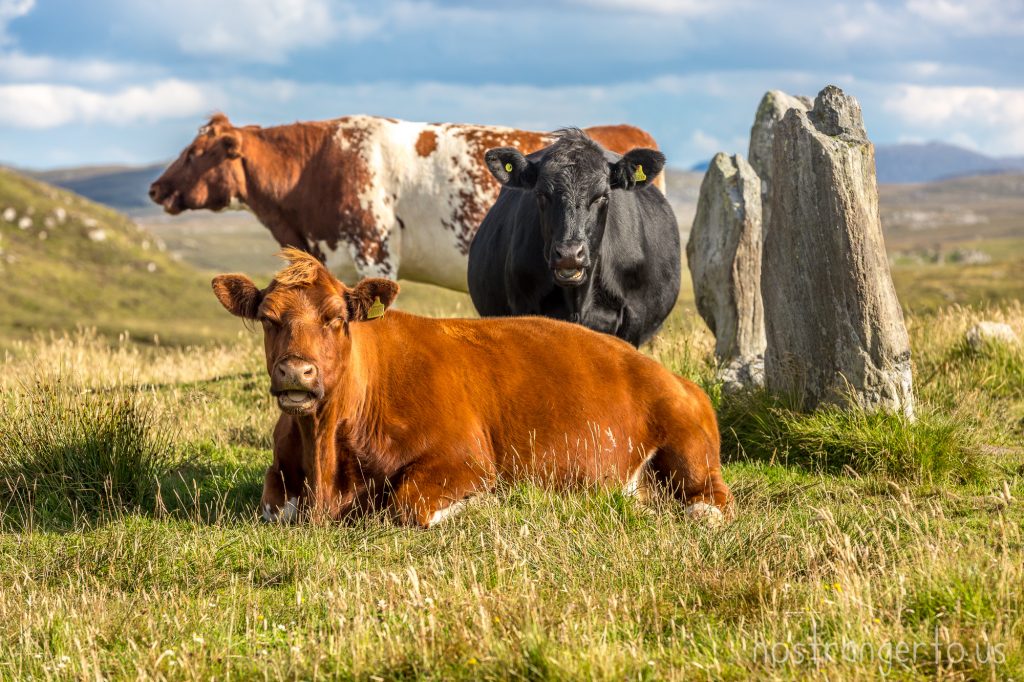
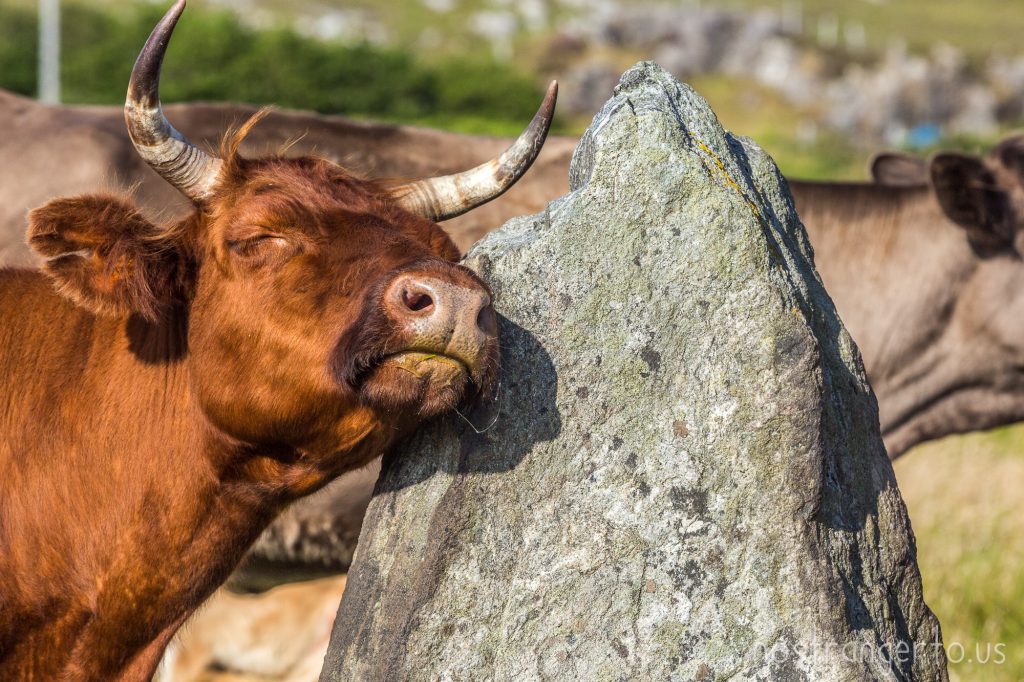
All of the stones are all the same rock type, most likely from the same quarry. Over the years the site was used as a burial site, then in the bronze age it may have been used for farming. Others believe that the stones hold power and that they are monuments used for rituals therefore they hold a special significant to the locals.
Our Scotland trip be continued in an upcoming part III.
The post Going to Skye and the Hebrides | Scotland appeared first on No Stranger to Us.
]]>Deprecated: Creation of dynamic property WP_Term::$cat_ID is deprecated in /homepages/20/d390878058/htdocs/nostranger/home/wp-includes/category.php on line 378
Deprecated: Creation of dynamic property WP_Term::$category_count is deprecated in /homepages/20/d390878058/htdocs/nostranger/home/wp-includes/category.php on line 379
Deprecated: Creation of dynamic property WP_Term::$category_description is deprecated in /homepages/20/d390878058/htdocs/nostranger/home/wp-includes/category.php on line 380
Deprecated: Creation of dynamic property WP_Term::$cat_name is deprecated in /homepages/20/d390878058/htdocs/nostranger/home/wp-includes/category.php on line 381
Deprecated: Creation of dynamic property WP_Term::$category_nicename is deprecated in /homepages/20/d390878058/htdocs/nostranger/home/wp-includes/category.php on line 382
Deprecated: Creation of dynamic property WP_Term::$category_parent is deprecated in /homepages/20/d390878058/htdocs/nostranger/home/wp-includes/category.php on line 383
Deprecated: Creation of dynamic property WP_Term::$cat_ID is deprecated in /homepages/20/d390878058/htdocs/nostranger/home/wp-includes/category.php on line 378
Deprecated: Creation of dynamic property WP_Term::$category_count is deprecated in /homepages/20/d390878058/htdocs/nostranger/home/wp-includes/category.php on line 379
Deprecated: Creation of dynamic property WP_Term::$category_description is deprecated in /homepages/20/d390878058/htdocs/nostranger/home/wp-includes/category.php on line 380
Deprecated: Creation of dynamic property WP_Term::$cat_name is deprecated in /homepages/20/d390878058/htdocs/nostranger/home/wp-includes/category.php on line 381
Deprecated: Creation of dynamic property WP_Term::$category_nicename is deprecated in /homepages/20/d390878058/htdocs/nostranger/home/wp-includes/category.php on line 382
Deprecated: Creation of dynamic property WP_Term::$category_parent is deprecated in /homepages/20/d390878058/htdocs/nostranger/home/wp-includes/category.php on line 383
Deprecated: Creation of dynamic property WP_Term::$cat_ID is deprecated in /homepages/20/d390878058/htdocs/nostranger/home/wp-includes/category.php on line 378
Deprecated: Creation of dynamic property WP_Term::$category_count is deprecated in /homepages/20/d390878058/htdocs/nostranger/home/wp-includes/category.php on line 379
Deprecated: Creation of dynamic property WP_Term::$category_description is deprecated in /homepages/20/d390878058/htdocs/nostranger/home/wp-includes/category.php on line 380
Deprecated: Creation of dynamic property WP_Term::$cat_name is deprecated in /homepages/20/d390878058/htdocs/nostranger/home/wp-includes/category.php on line 381
Deprecated: Creation of dynamic property WP_Term::$category_nicename is deprecated in /homepages/20/d390878058/htdocs/nostranger/home/wp-includes/category.php on line 382
Deprecated: Creation of dynamic property WP_Term::$category_parent is deprecated in /homepages/20/d390878058/htdocs/nostranger/home/wp-includes/category.php on line 383
Deprecated: Creation of dynamic property WP_Term::$cat_ID is deprecated in /homepages/20/d390878058/htdocs/nostranger/home/wp-includes/category.php on line 378
Deprecated: Creation of dynamic property WP_Term::$category_count is deprecated in /homepages/20/d390878058/htdocs/nostranger/home/wp-includes/category.php on line 379
Deprecated: Creation of dynamic property WP_Term::$category_description is deprecated in /homepages/20/d390878058/htdocs/nostranger/home/wp-includes/category.php on line 380
Deprecated: Creation of dynamic property WP_Term::$cat_name is deprecated in /homepages/20/d390878058/htdocs/nostranger/home/wp-includes/category.php on line 381
Deprecated: Creation of dynamic property WP_Term::$category_nicename is deprecated in /homepages/20/d390878058/htdocs/nostranger/home/wp-includes/category.php on line 382
Deprecated: Creation of dynamic property WP_Term::$category_parent is deprecated in /homepages/20/d390878058/htdocs/nostranger/home/wp-includes/category.php on line 383
Deprecated: Creation of dynamic property WP_Term::$cat_ID is deprecated in /homepages/20/d390878058/htdocs/nostranger/home/wp-includes/category.php on line 378
Deprecated: Creation of dynamic property WP_Term::$category_count is deprecated in /homepages/20/d390878058/htdocs/nostranger/home/wp-includes/category.php on line 379
Deprecated: Creation of dynamic property WP_Term::$category_description is deprecated in /homepages/20/d390878058/htdocs/nostranger/home/wp-includes/category.php on line 380
Deprecated: Creation of dynamic property WP_Term::$cat_name is deprecated in /homepages/20/d390878058/htdocs/nostranger/home/wp-includes/category.php on line 381
Deprecated: Creation of dynamic property WP_Term::$category_nicename is deprecated in /homepages/20/d390878058/htdocs/nostranger/home/wp-includes/category.php on line 382
Deprecated: Creation of dynamic property WP_Term::$category_parent is deprecated in /homepages/20/d390878058/htdocs/nostranger/home/wp-includes/category.php on line 383
The post In & Around Edinburgh | Scotland appeared first on No Stranger to Us.
]]>
Day 1 – Edinburgh – Scotland
On our first day in Scotland we landed safely at the airport and made our way into town. It was challenging for Juliette to adjust her driving to the other side of the road, but she managed to get us to our guesthouse in one piece. The city of Edinburgh was full of life! We opted in and took a city bus tour on our first day to get the lay of the land. I loved weaving in and out of the streets and hearing all of the stories of Edinburgh’s past. We glimpsed beautiful stone buildings, monuments while hearing bag pipe music flowing through the air.
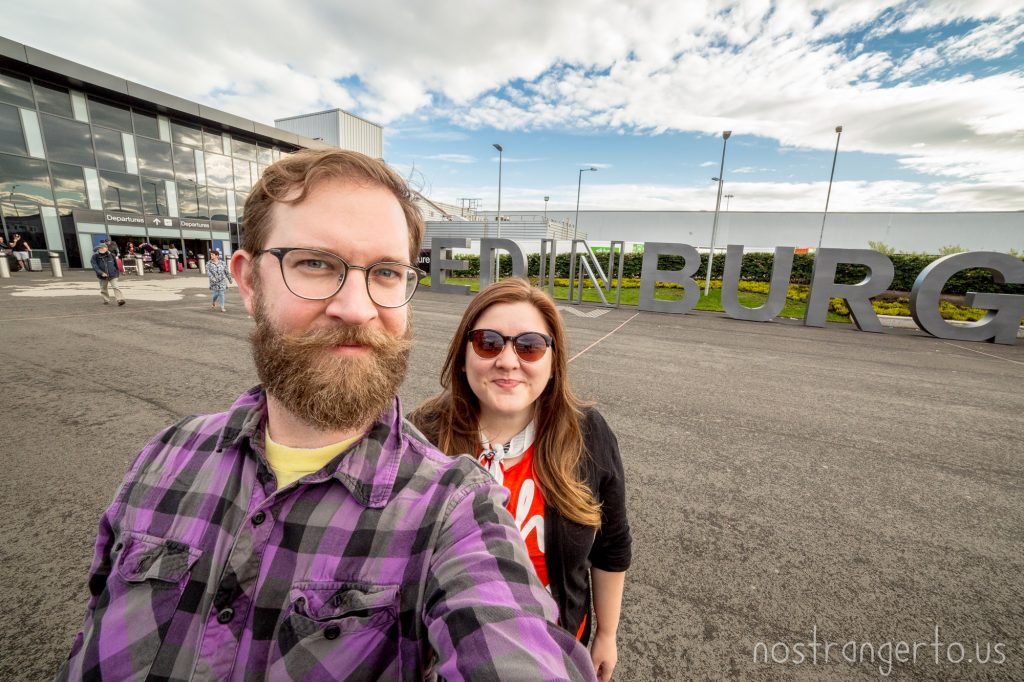
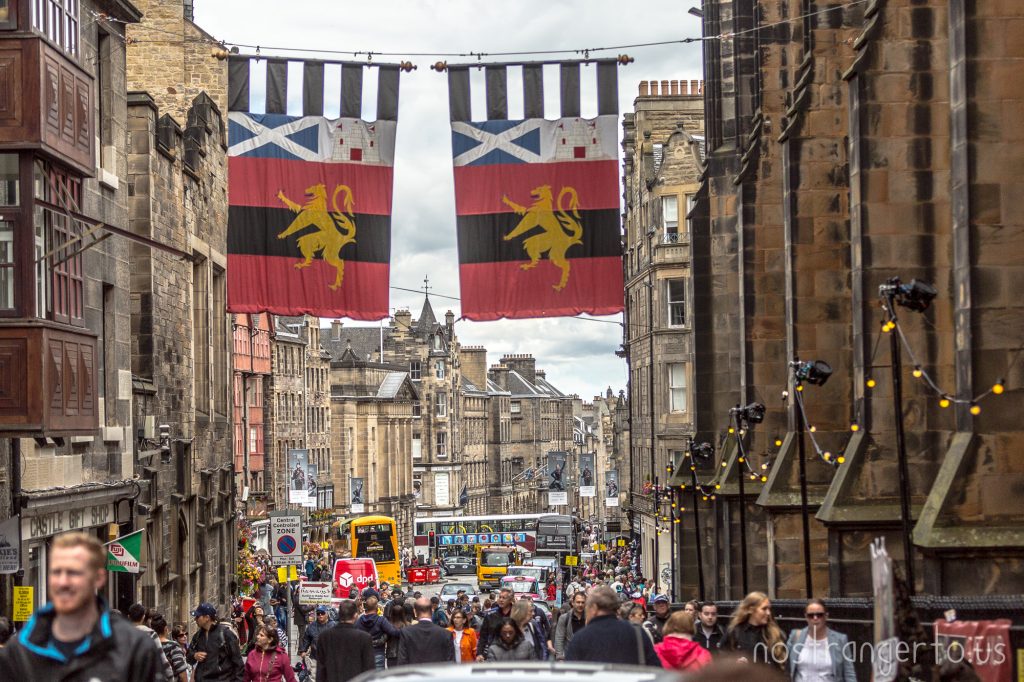
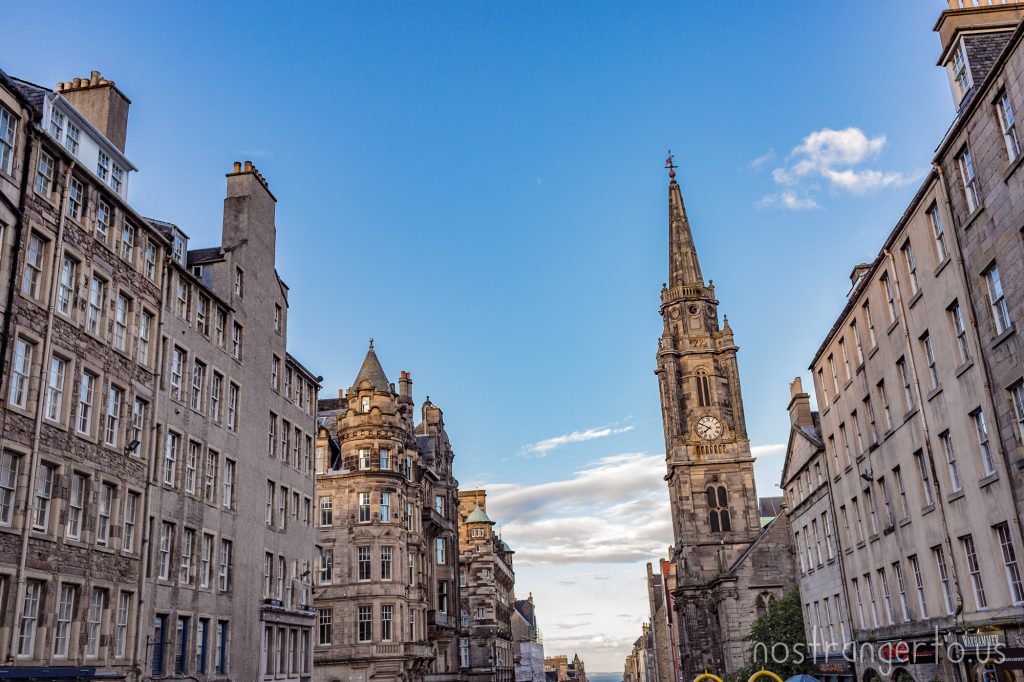
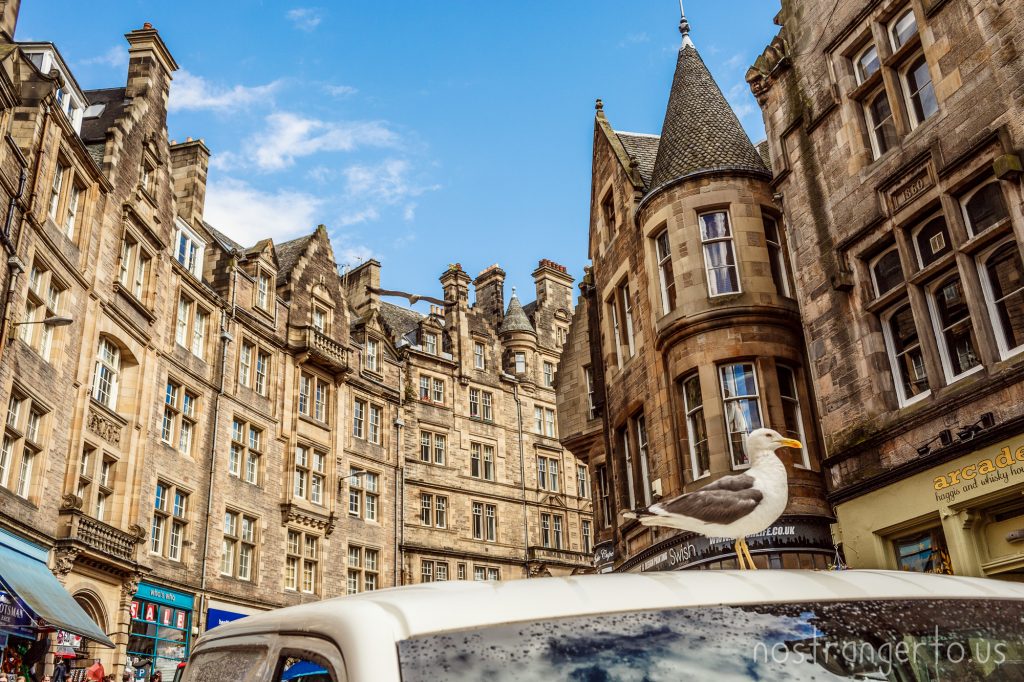
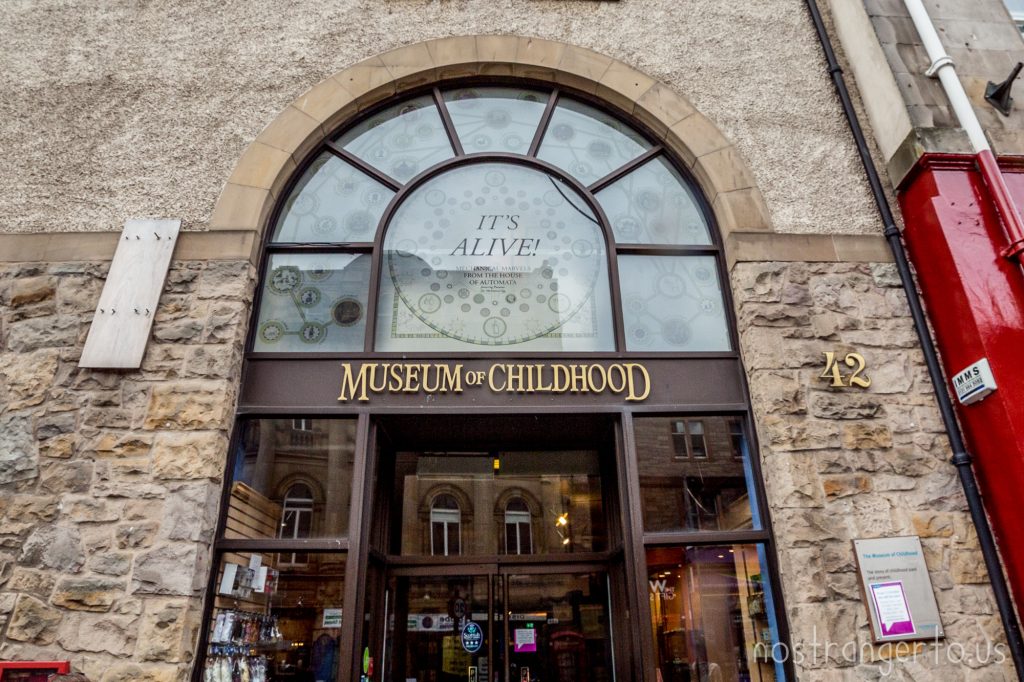
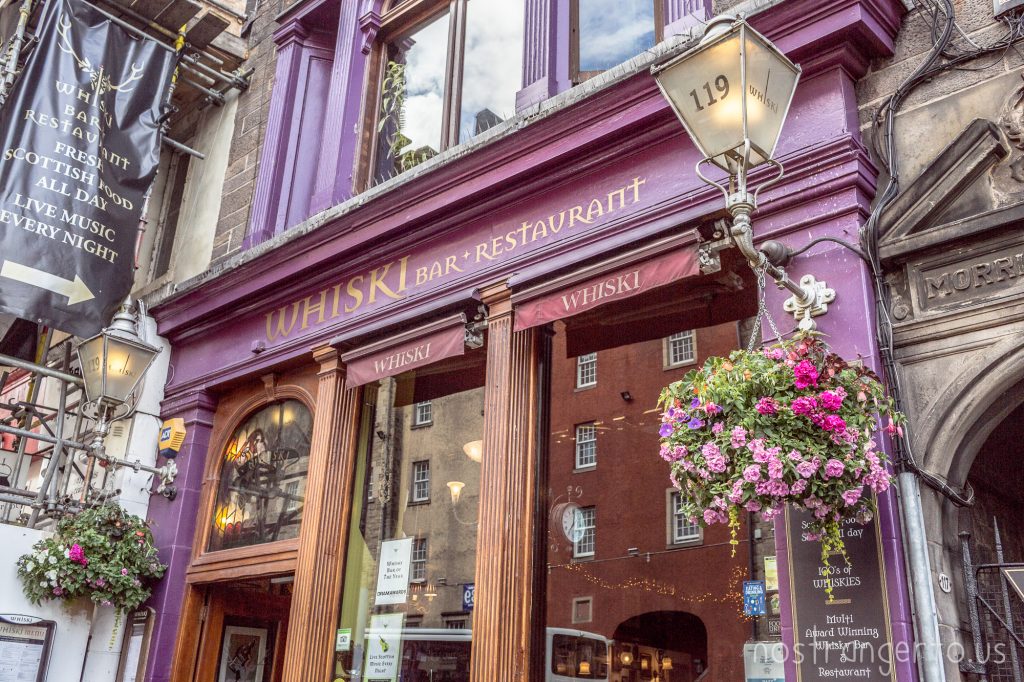
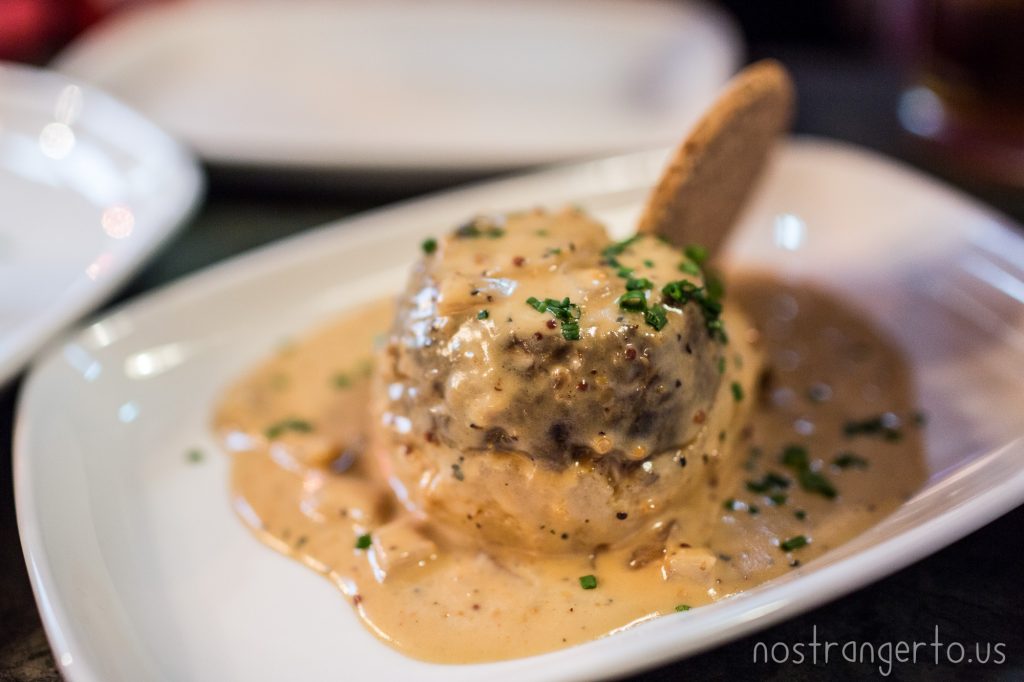
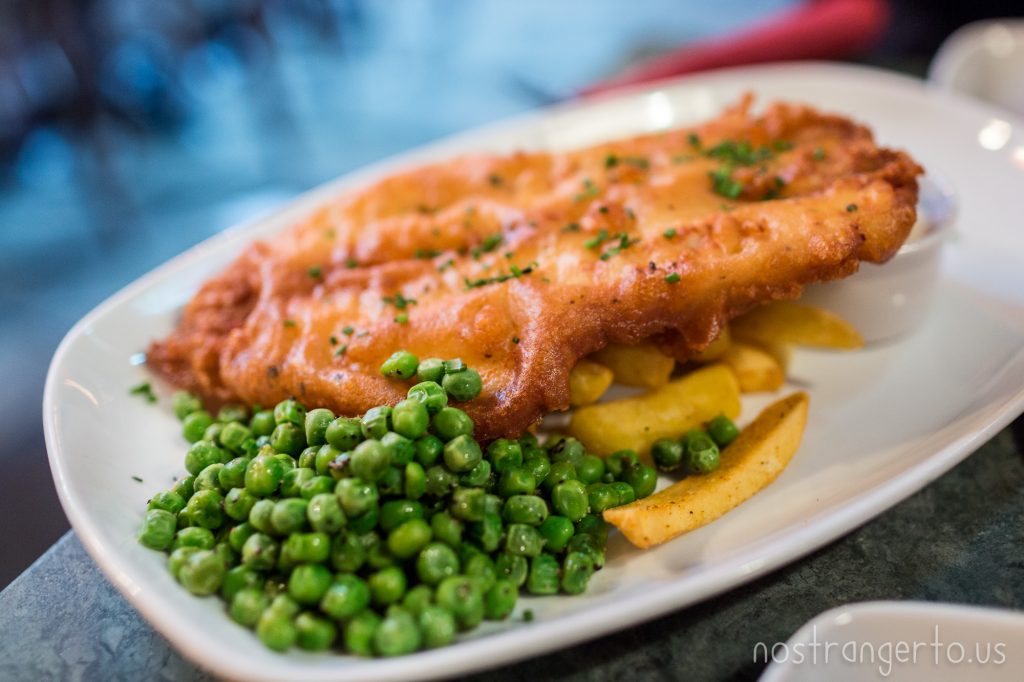
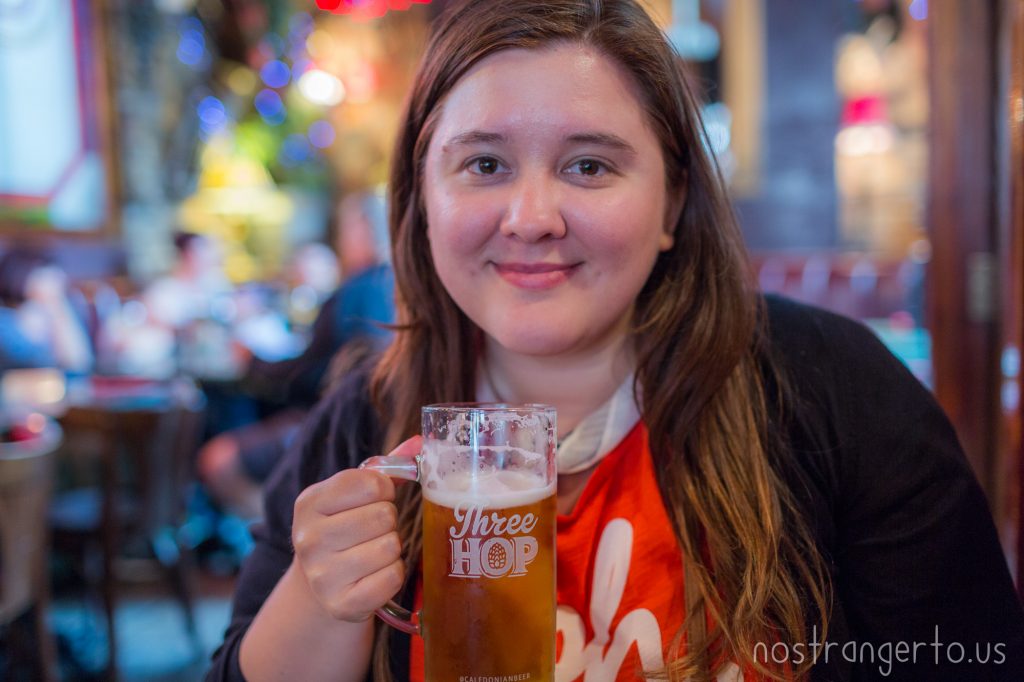
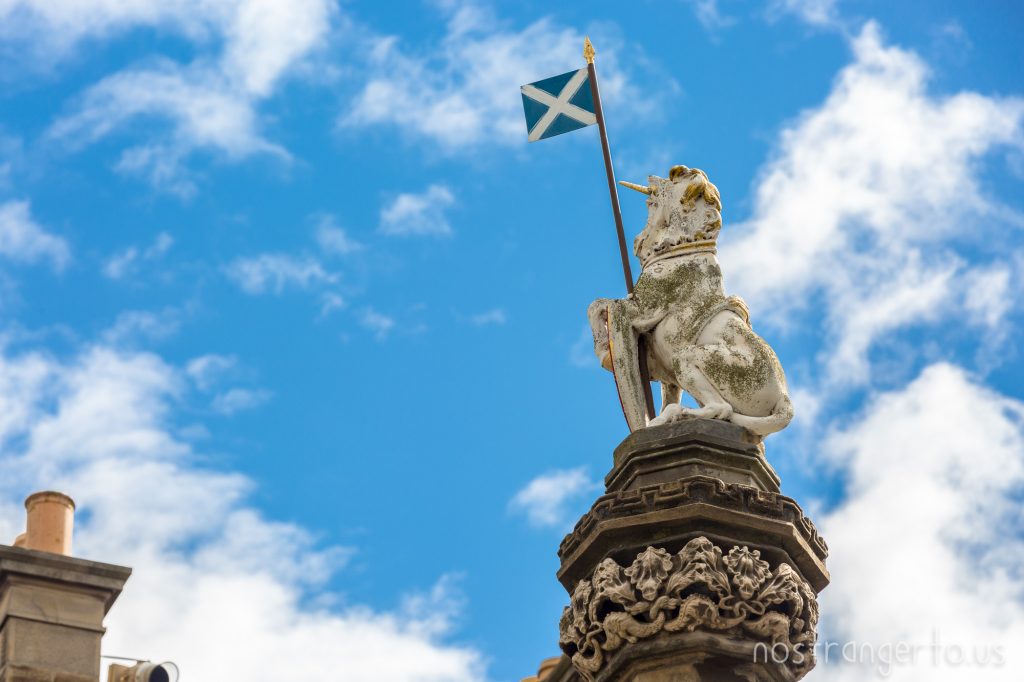
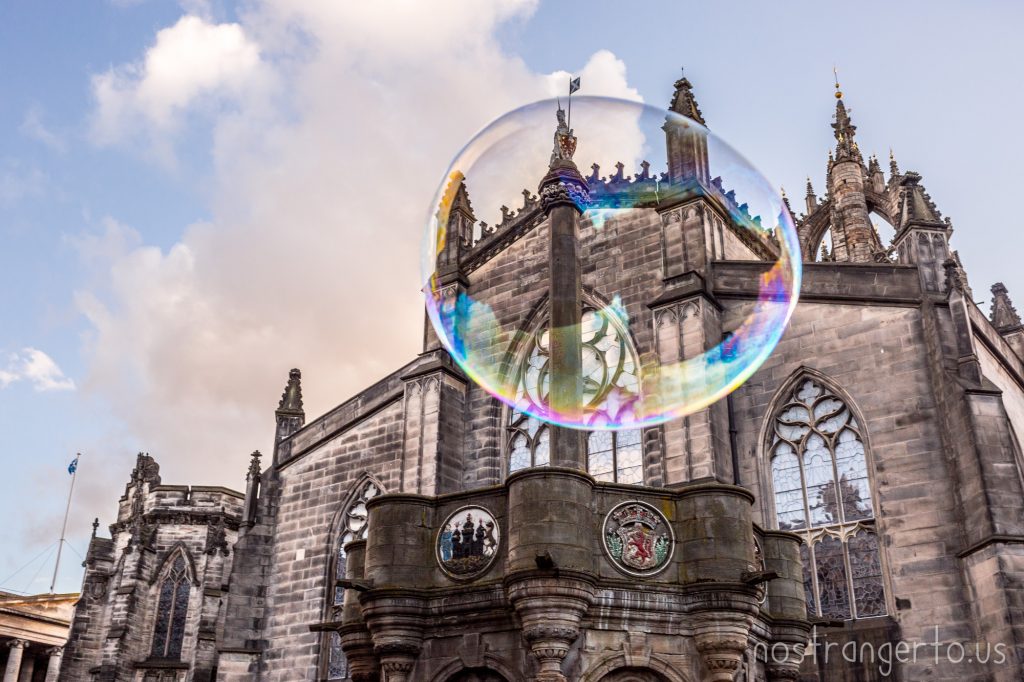
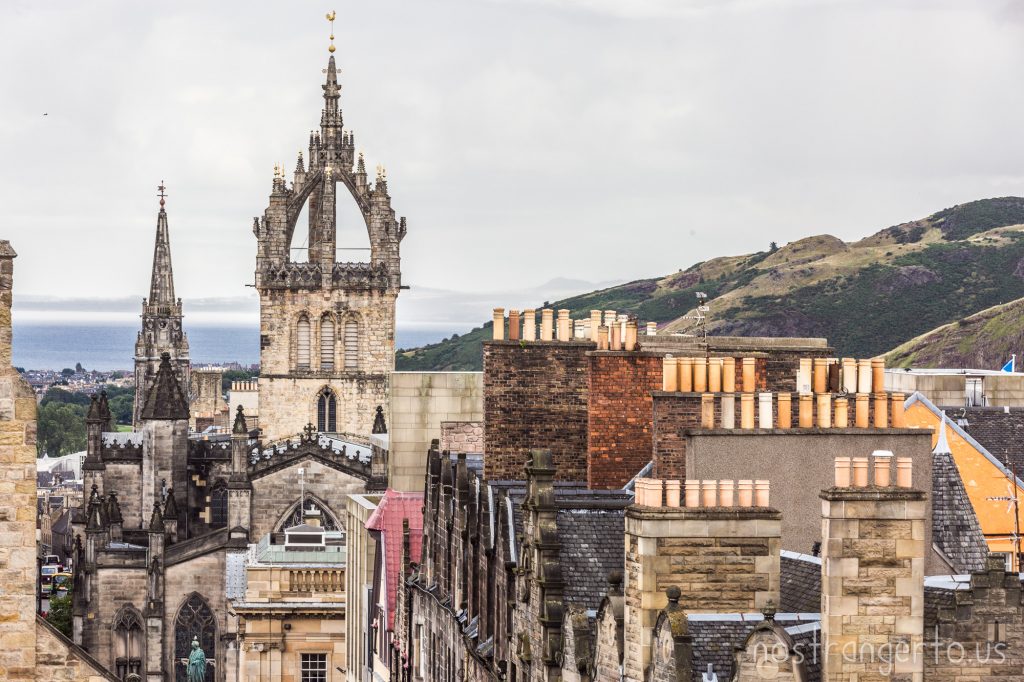
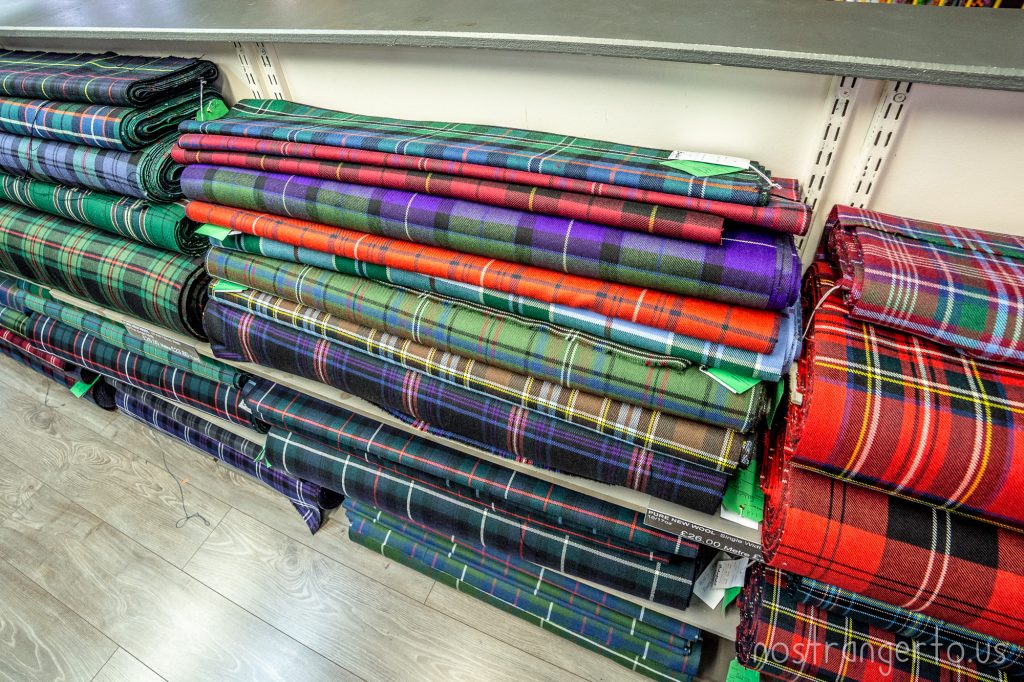

We arrived just before Edinburgh Festival so the town was slowly getting ready for one of it’s busiest theatre season.
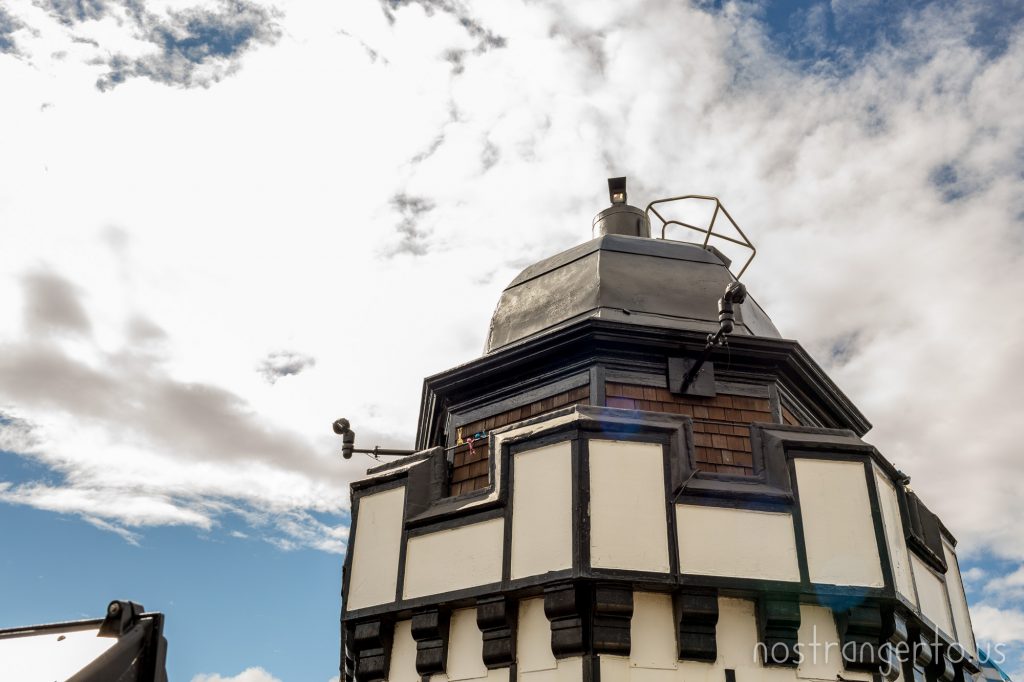
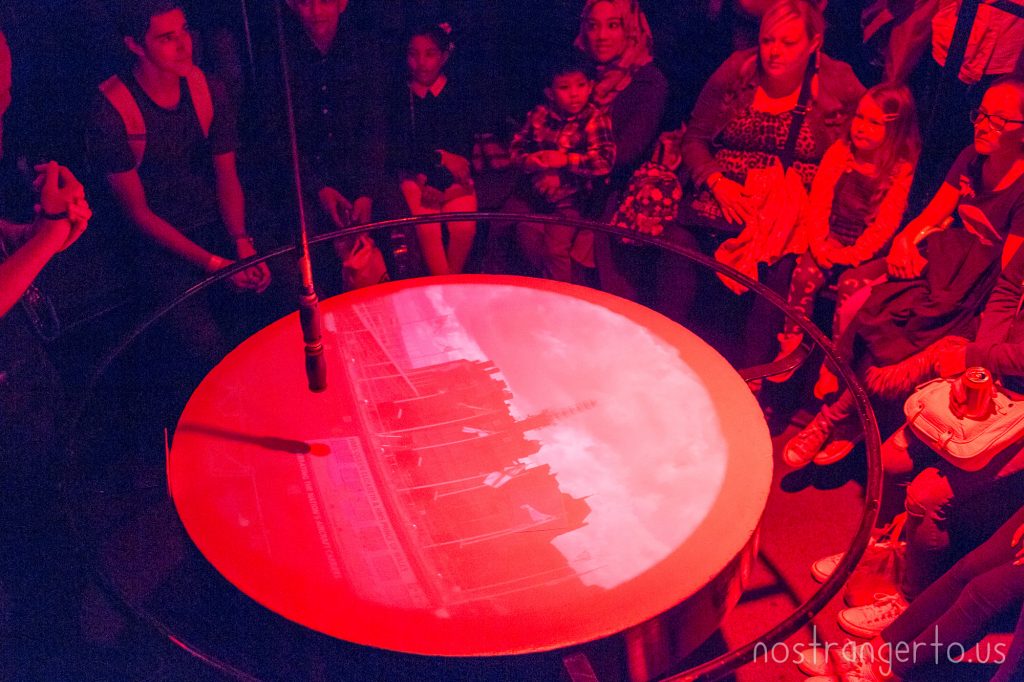
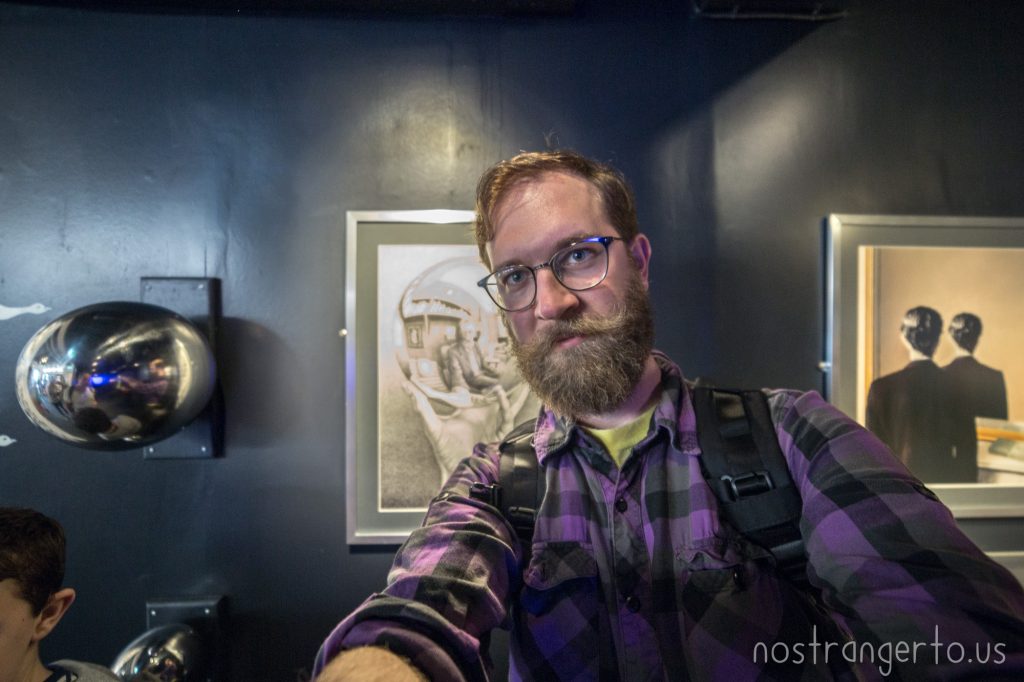
After our bus tour we visited a local fun house, the Camera Obscura!
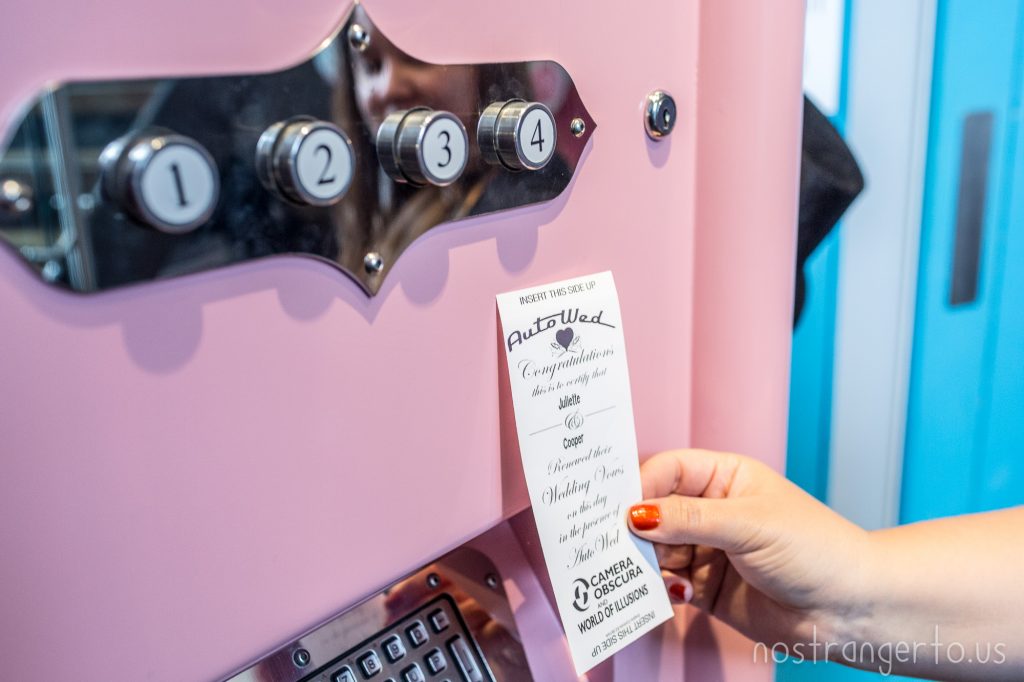
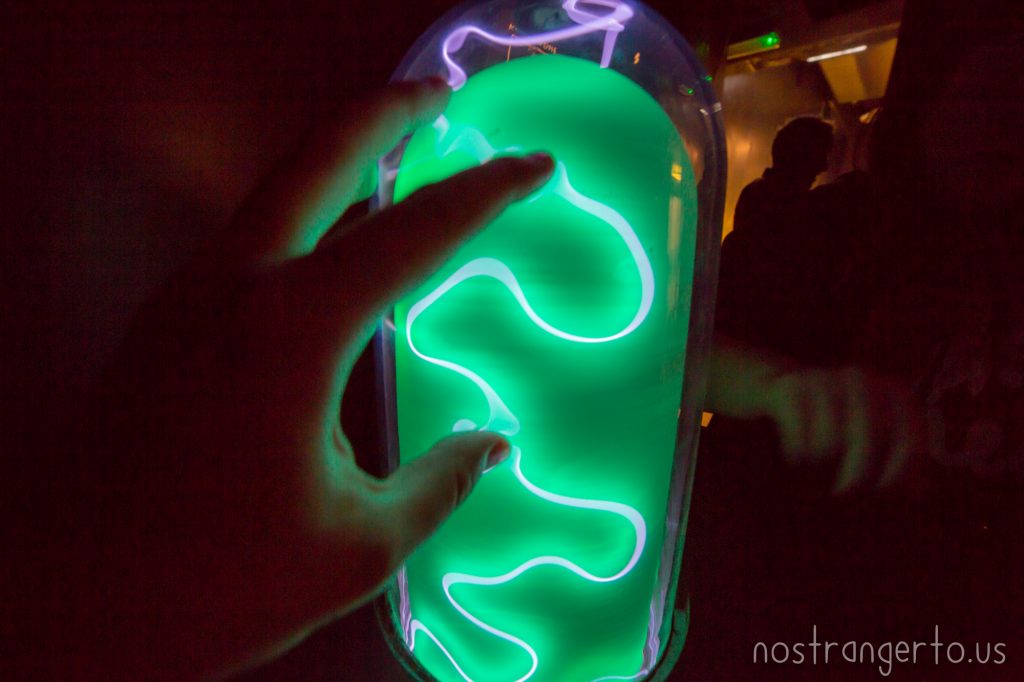
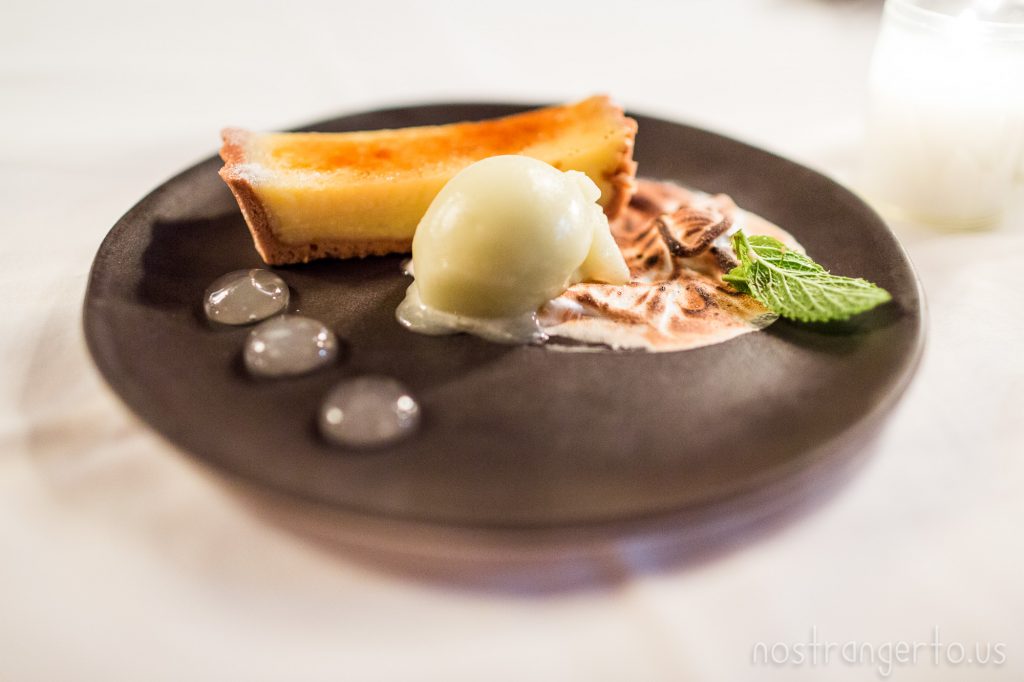
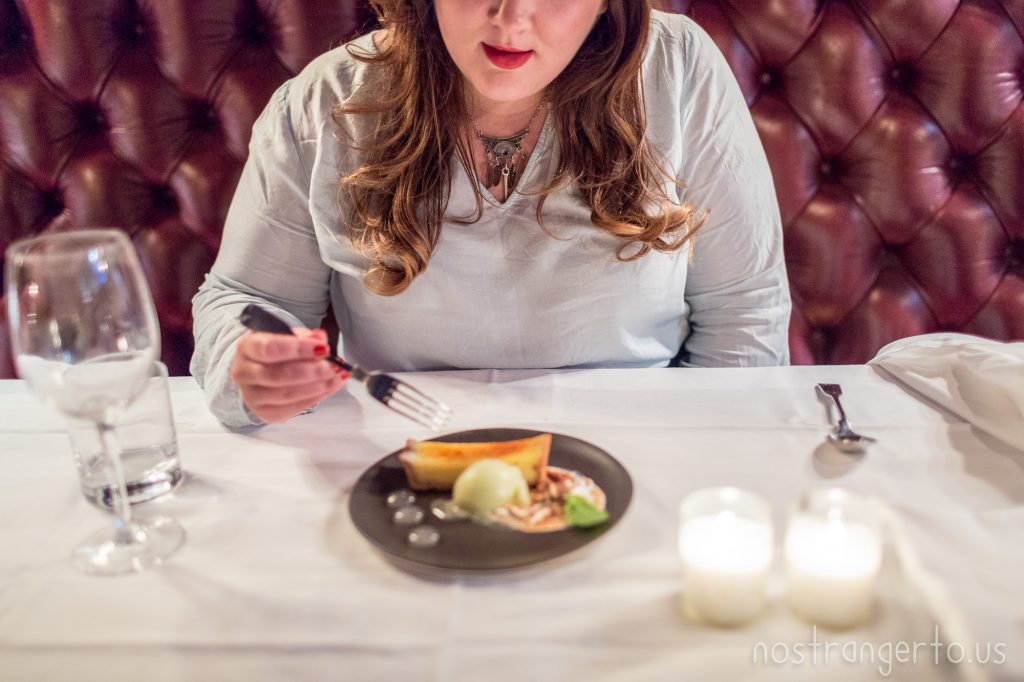
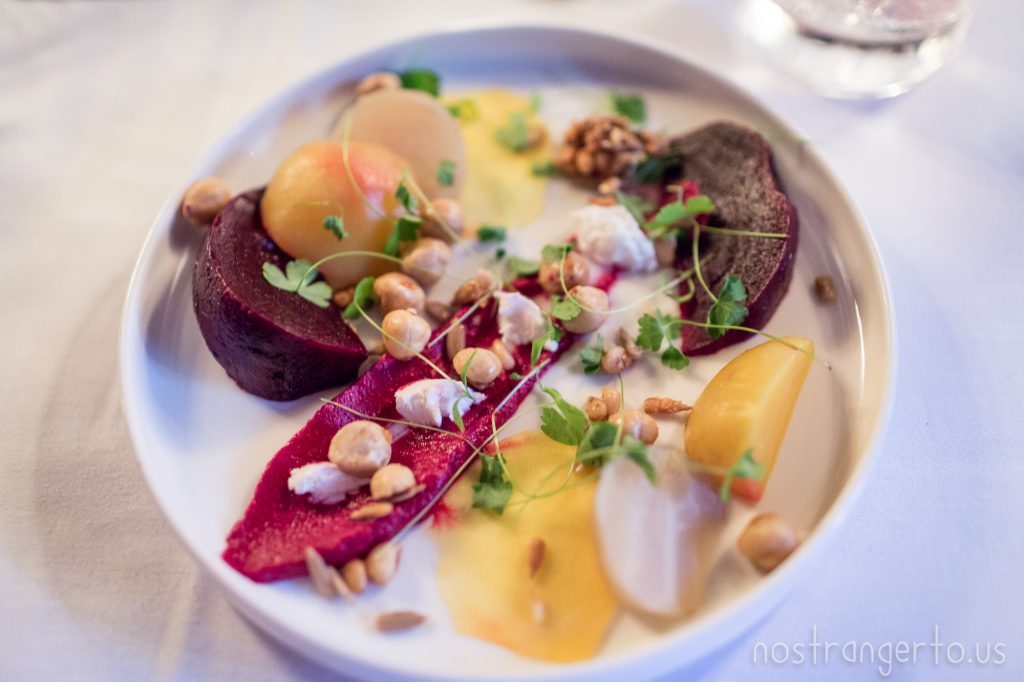
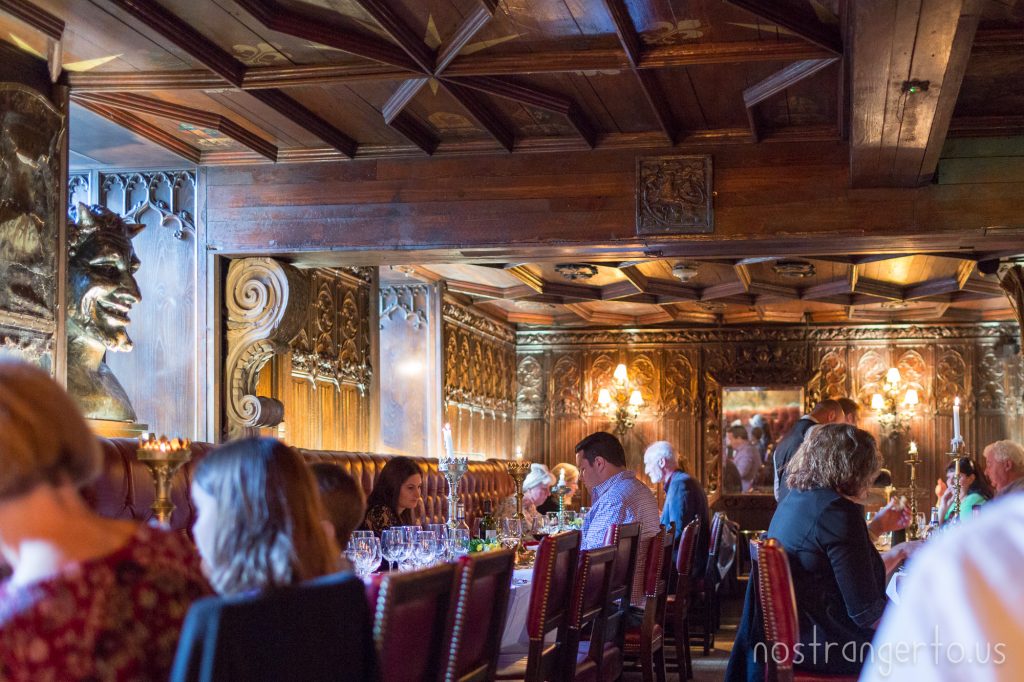
One of the best meals of our trip was at The Witchery near Edinburgh castle. The occult decor set the mood, the food was magical, and they even accommodated Juliette’s casin allergy.
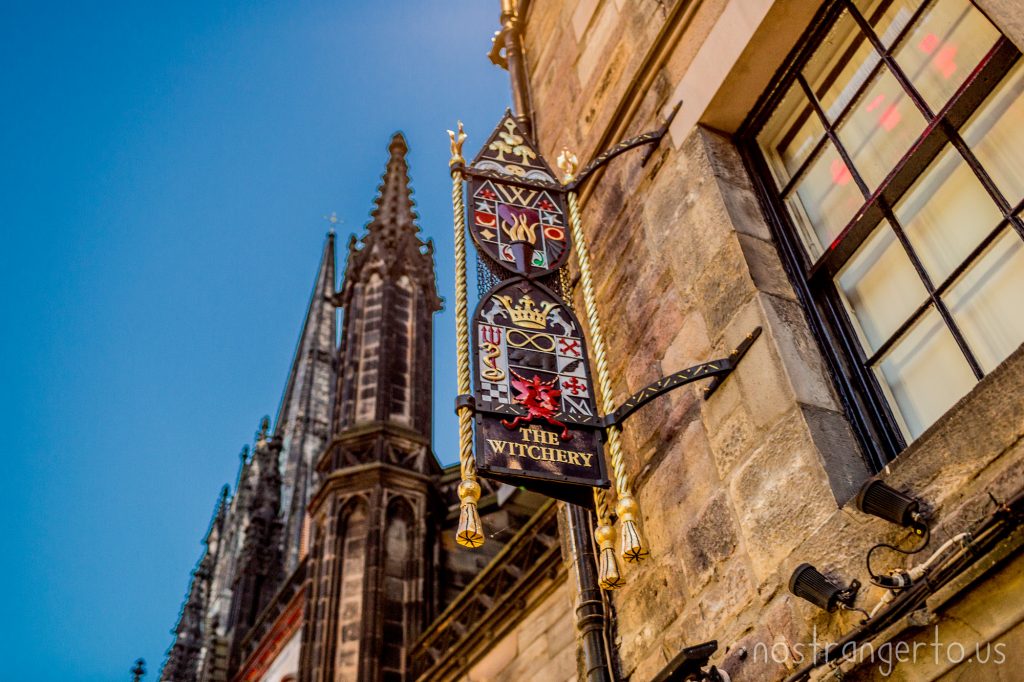
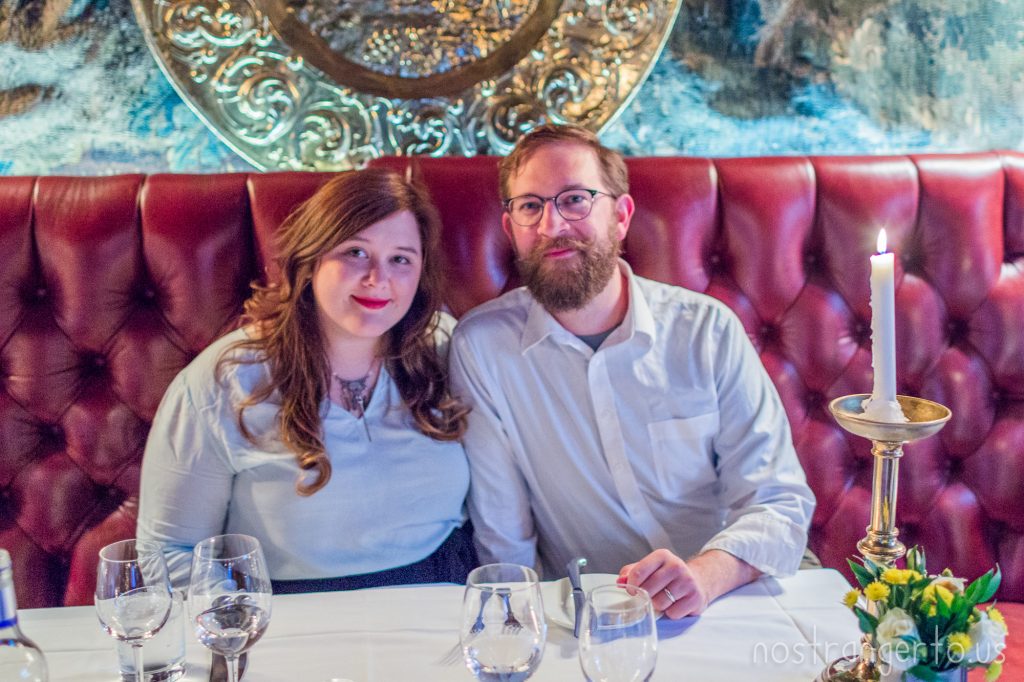
Day 2 – Edinburgh – Scotland
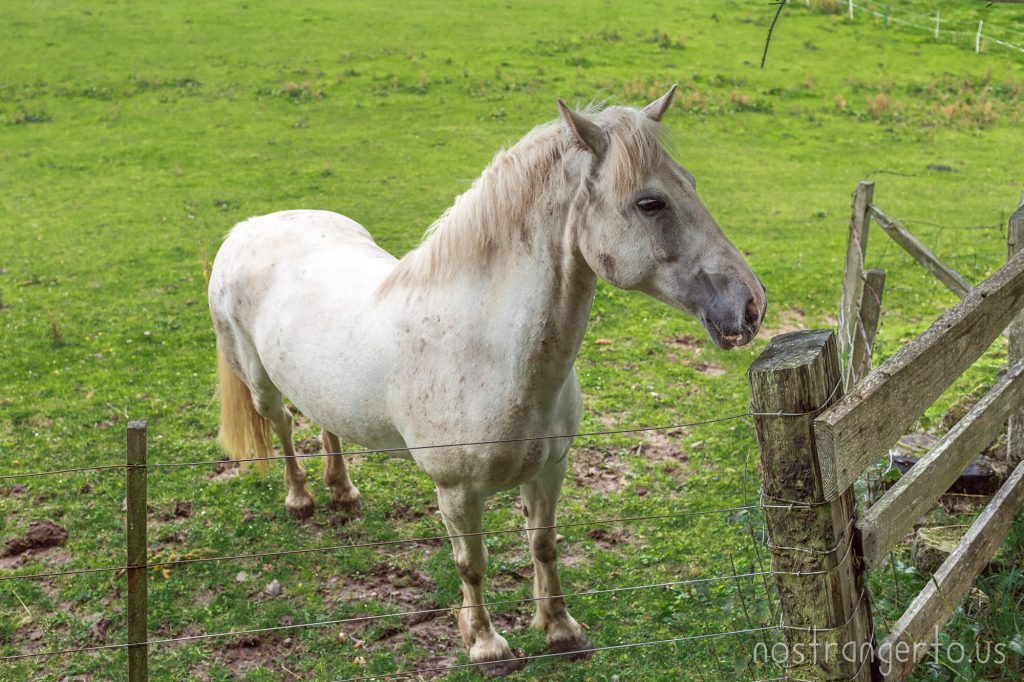
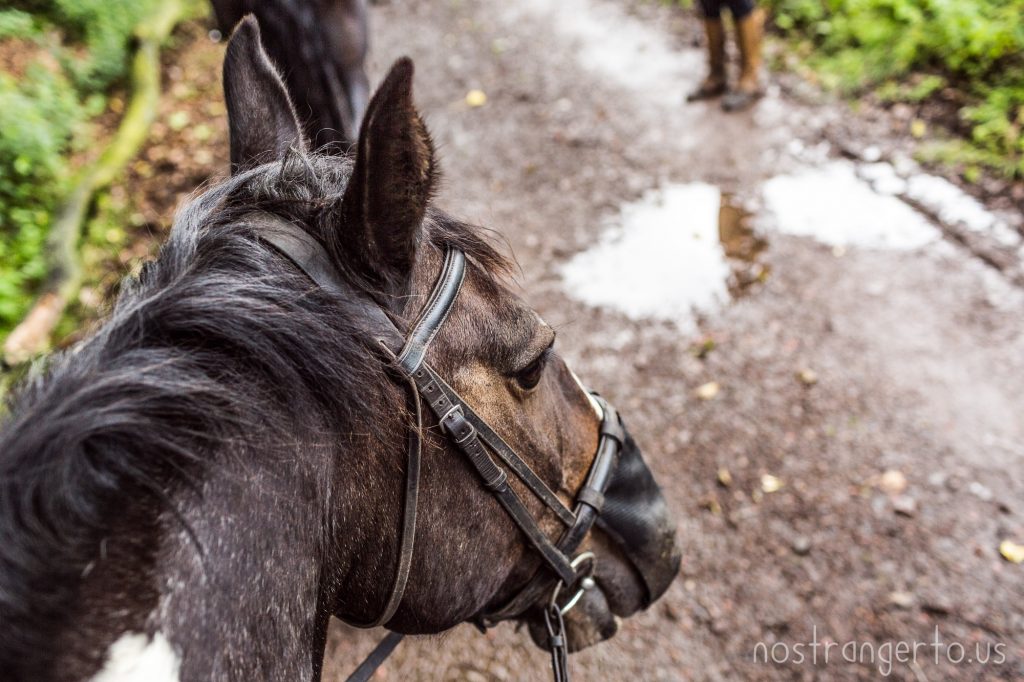
On our second day, we took an English style horseback ride with Seacliff Stables and glimpsed the famous Bass rock from North Berwick beach.
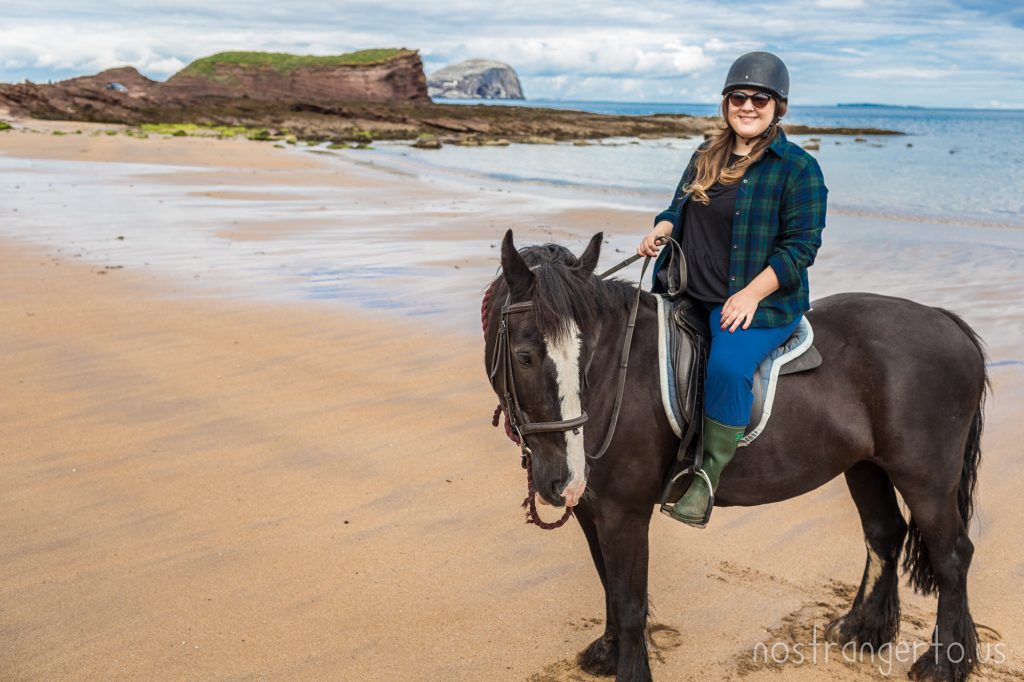
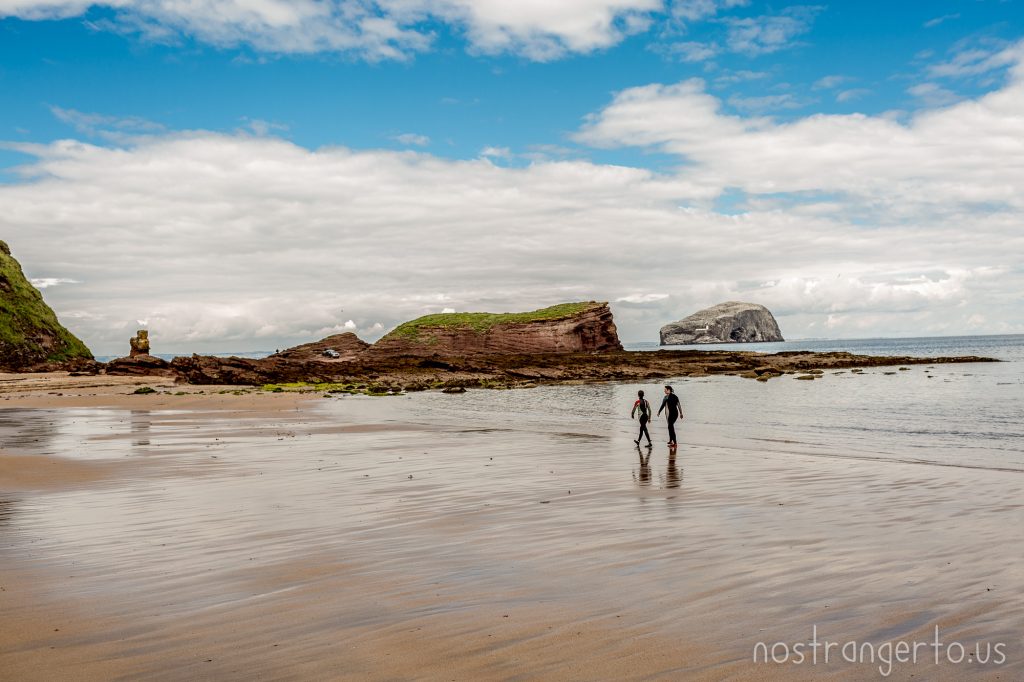
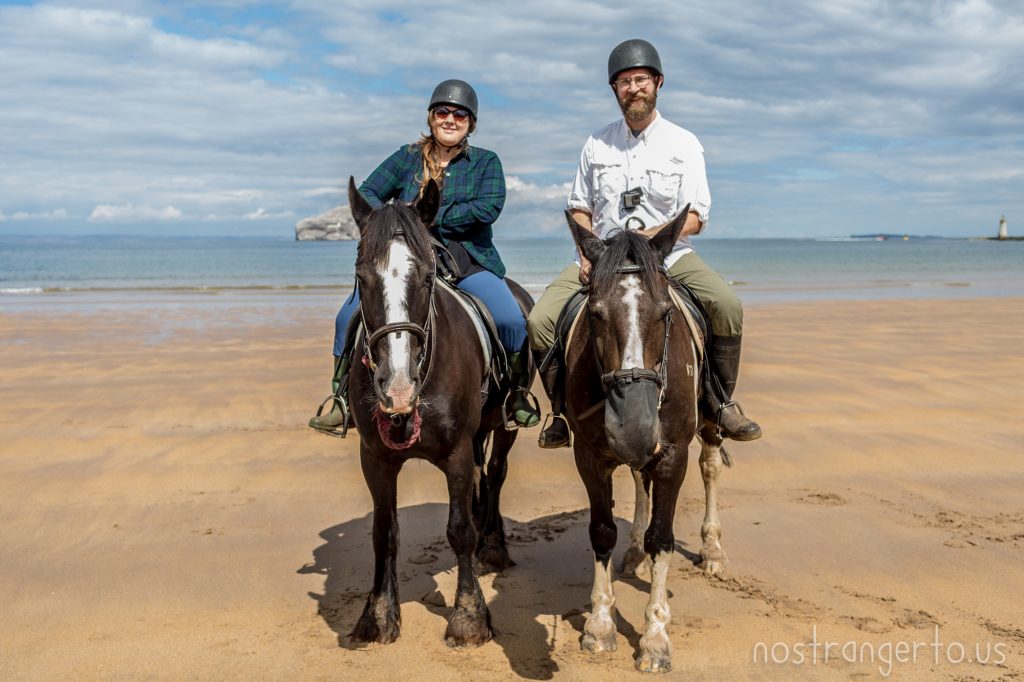
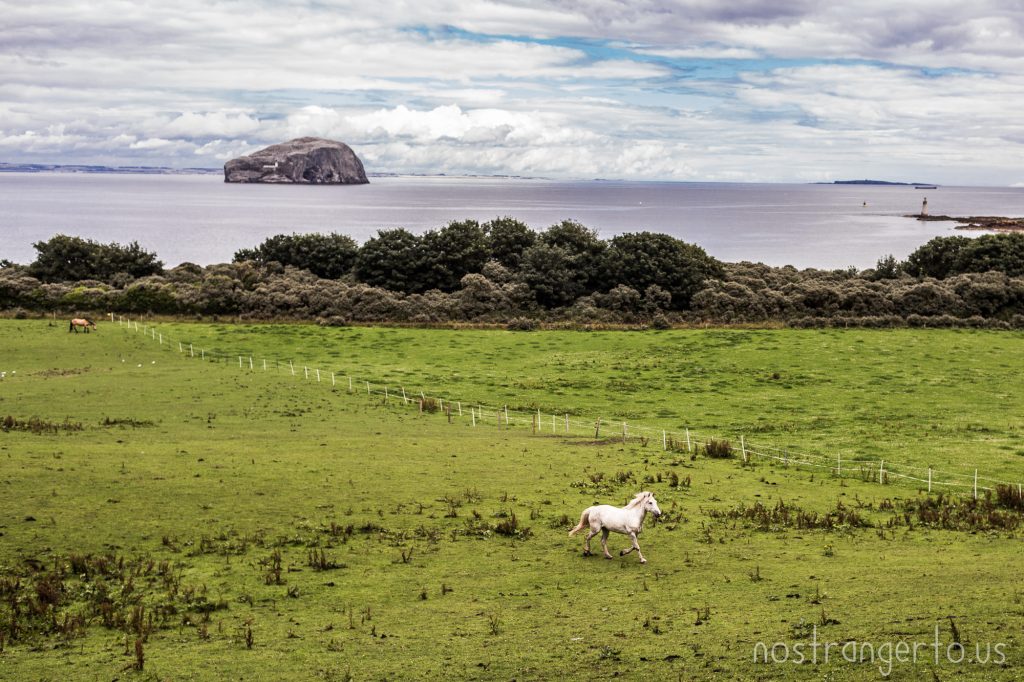
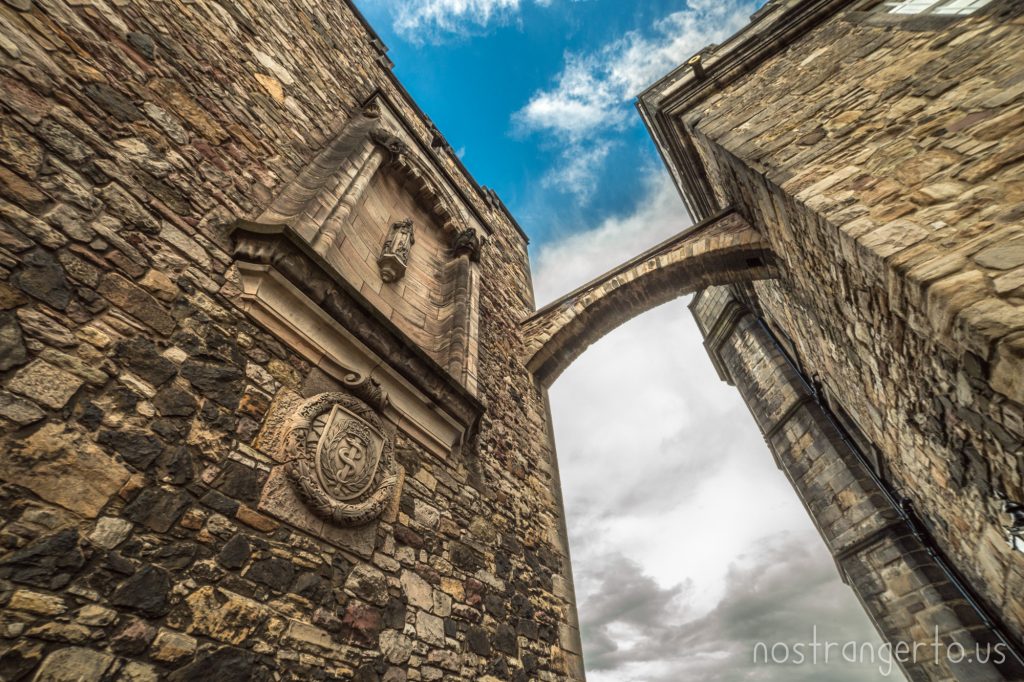
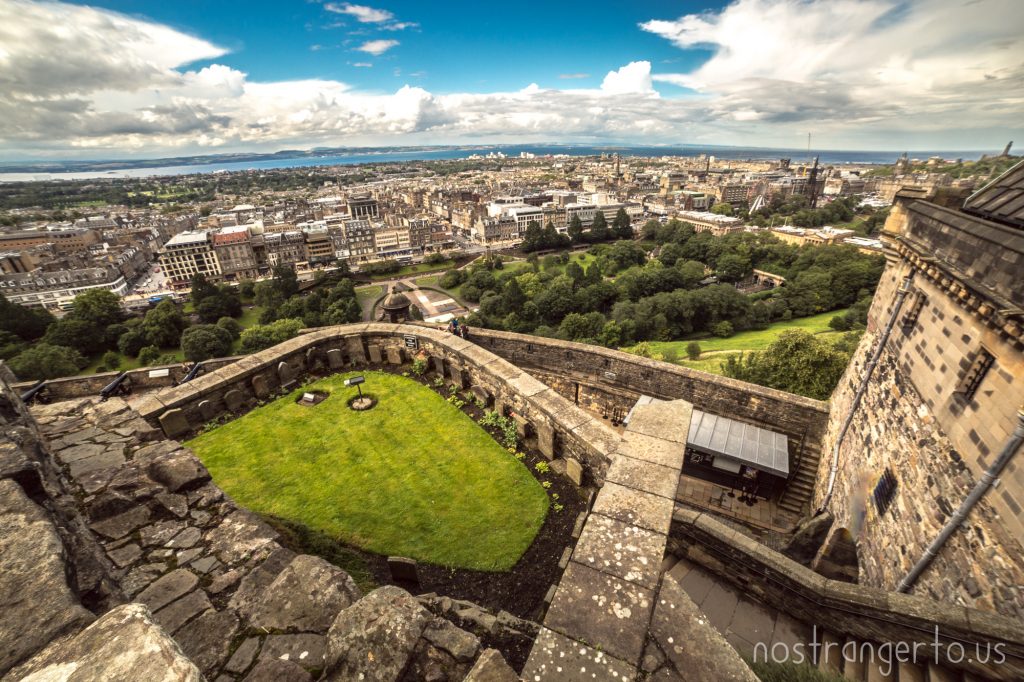
We also toured Edinburgh Castle located at the end of the Royal Mile. The Military Tattoo was also in full effect when we visited. It is an annual series of events held in August where British Armed Forces, Commonwealth and international military bands perform in teams on the esplanade of Edinburgh Castle. We didn’t have a chance to see the performance because tickets are sold out far in advance.
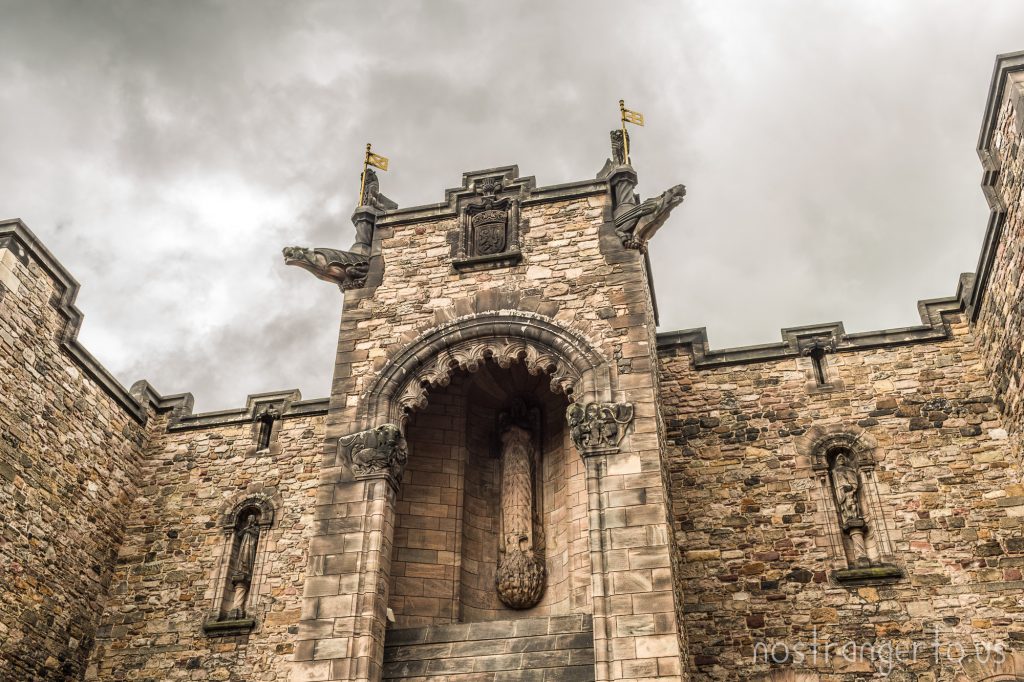
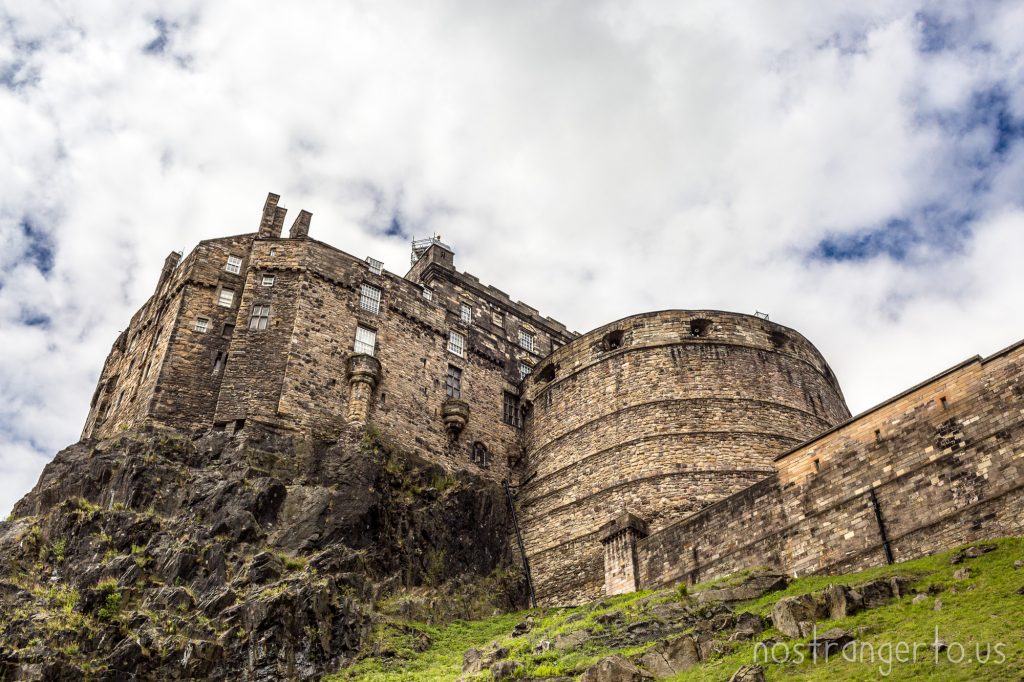
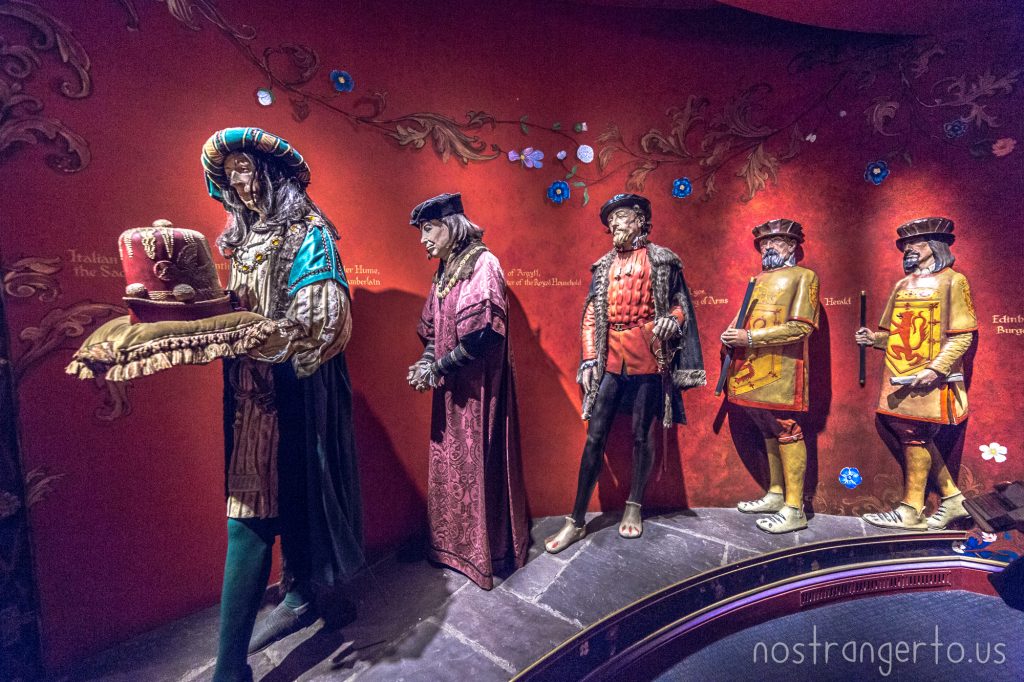
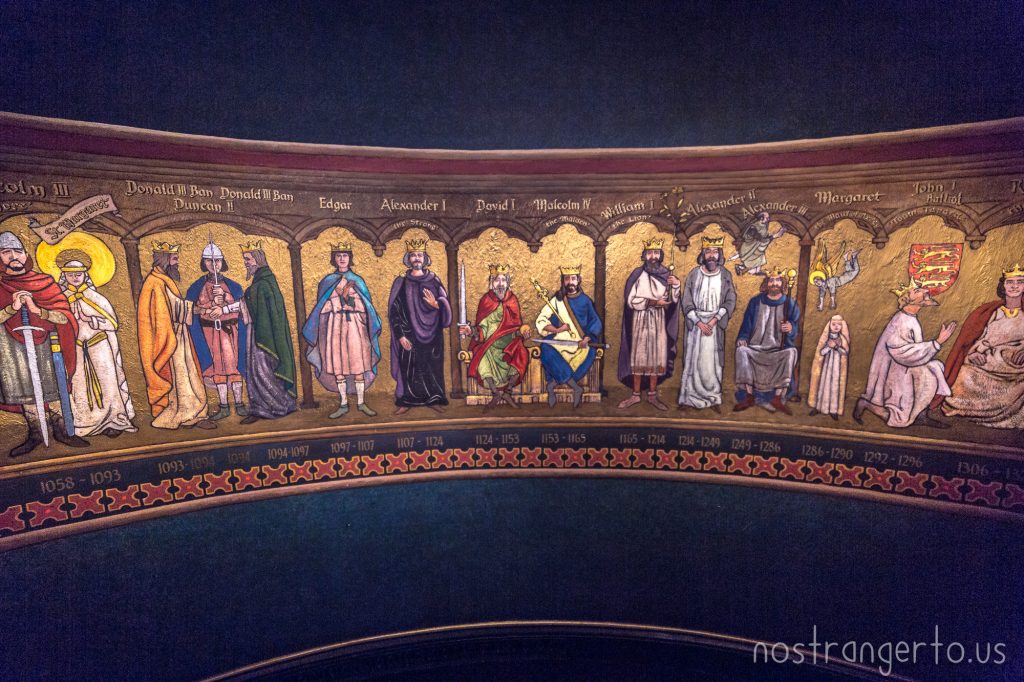
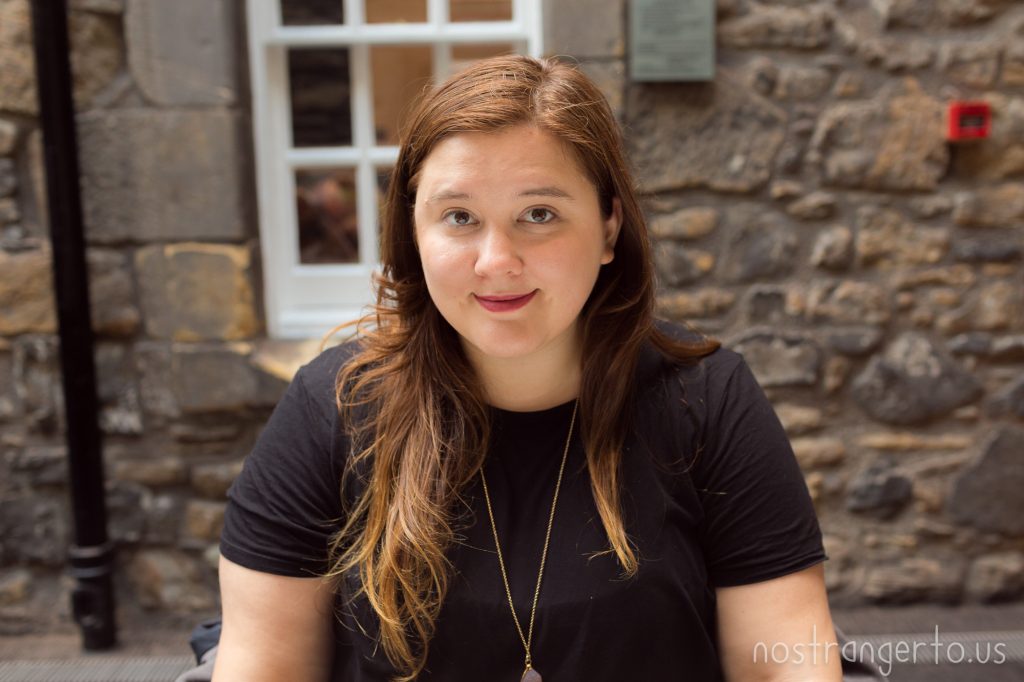
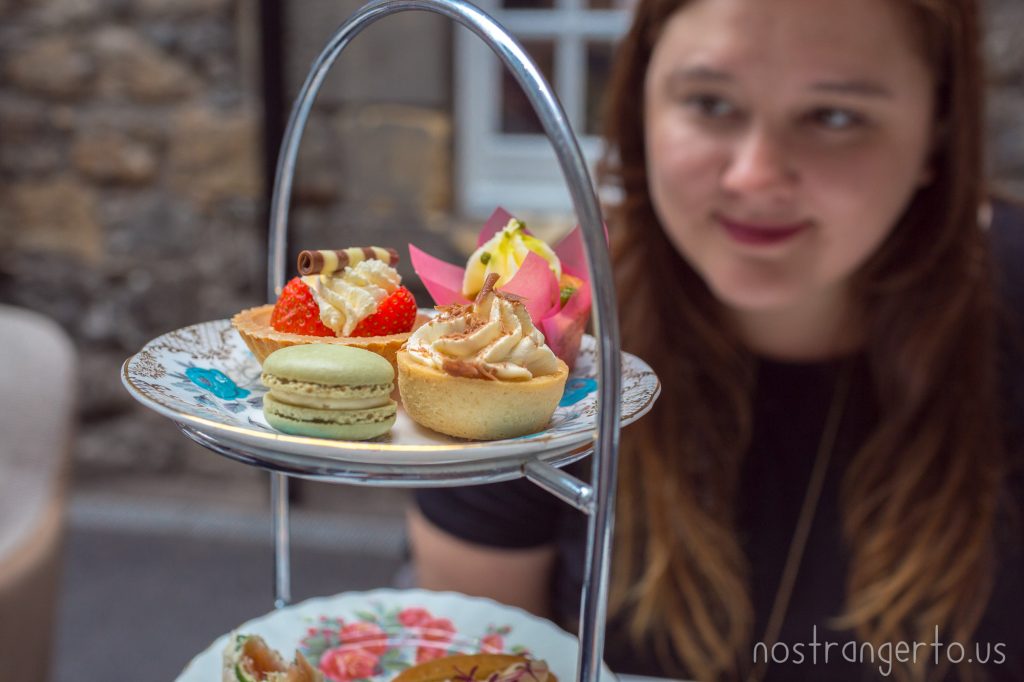
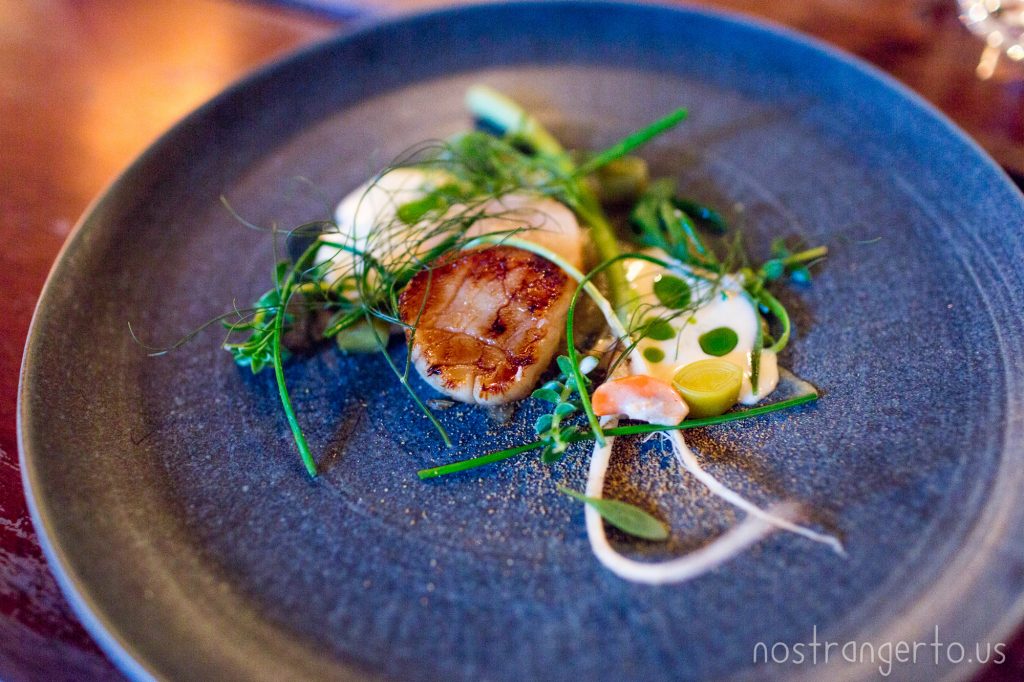
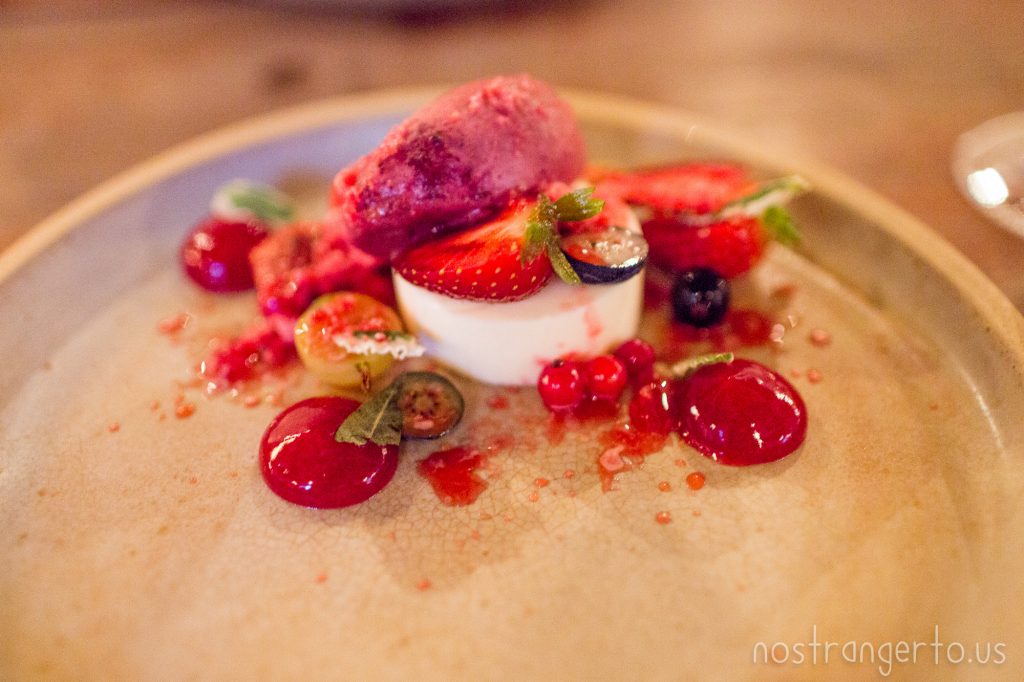
We ended our last night in Edinburgh with a very extravagant 6 course meal at The Timberyard. If you have the time (and the resources) you must stop by for some of the finest cuisine in Scotland.
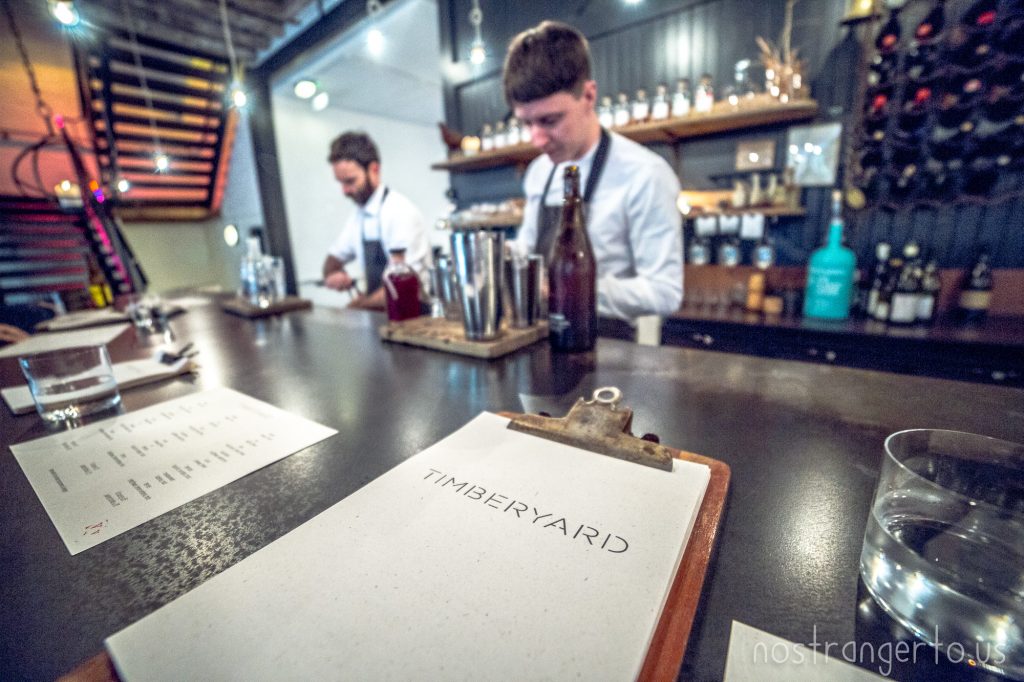
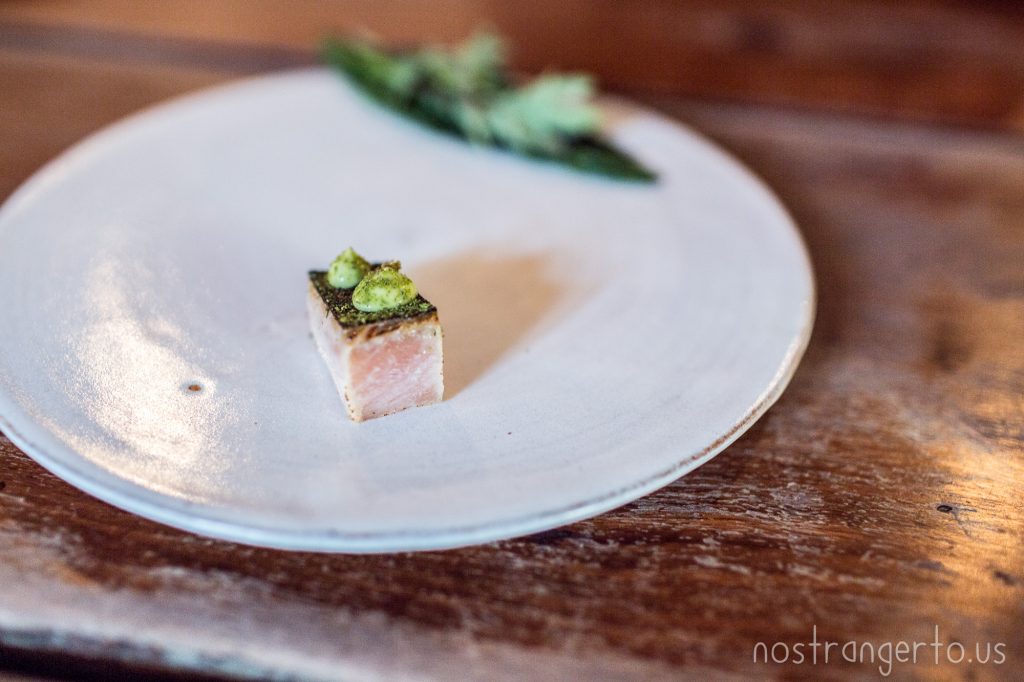
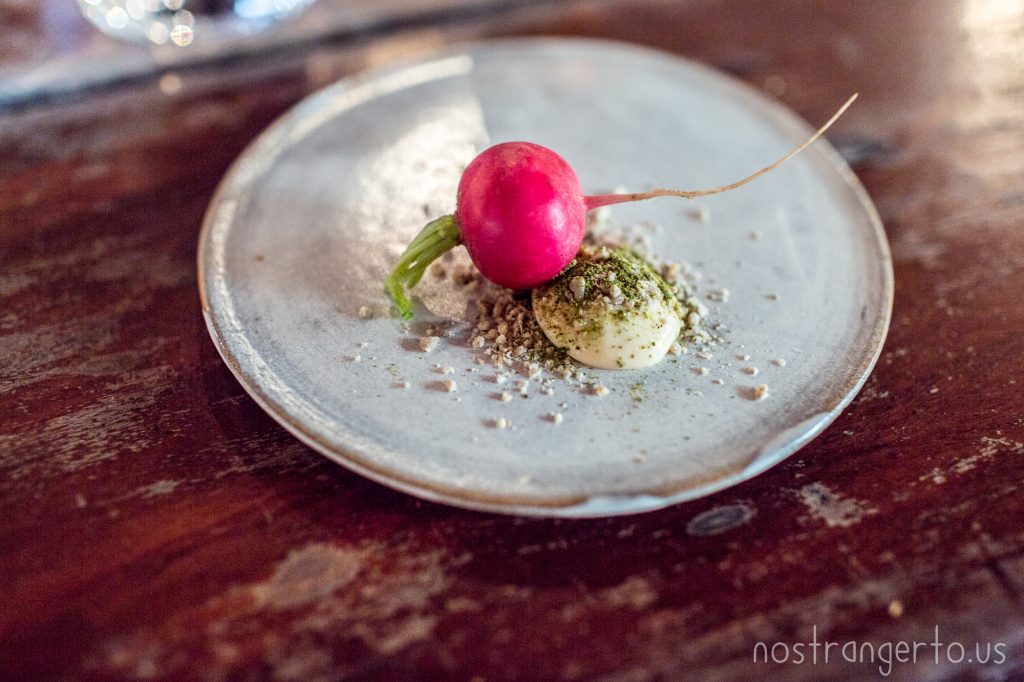
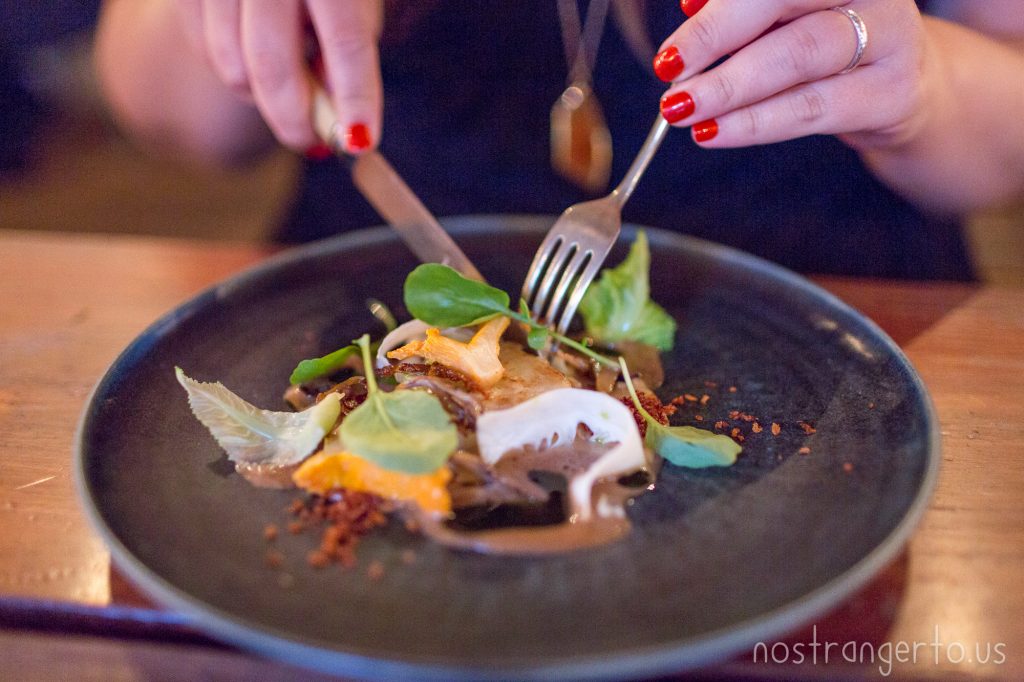
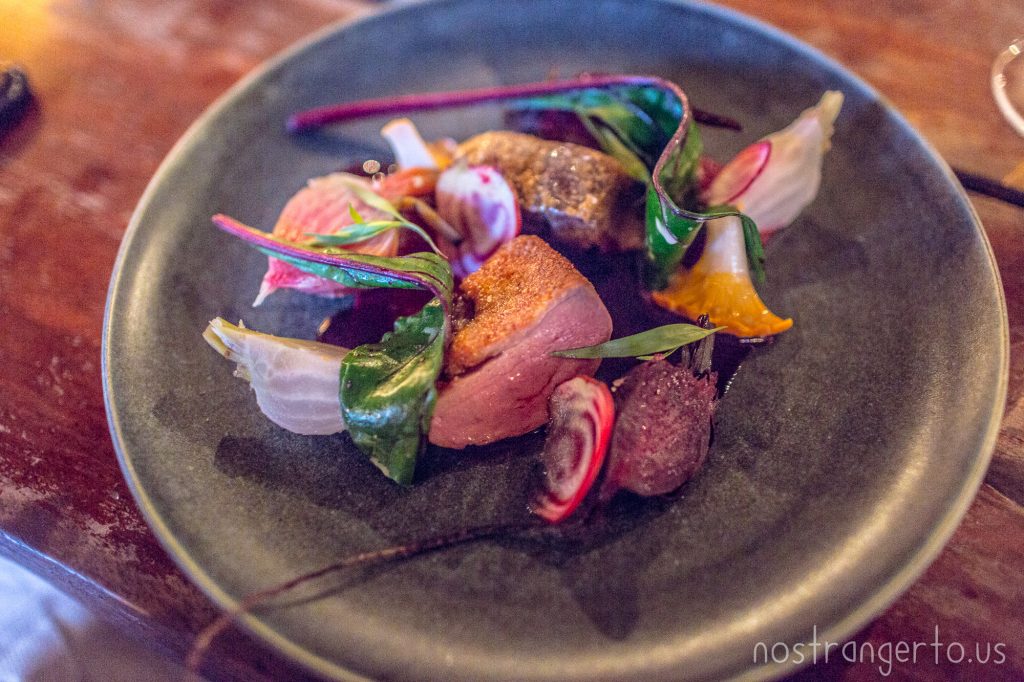
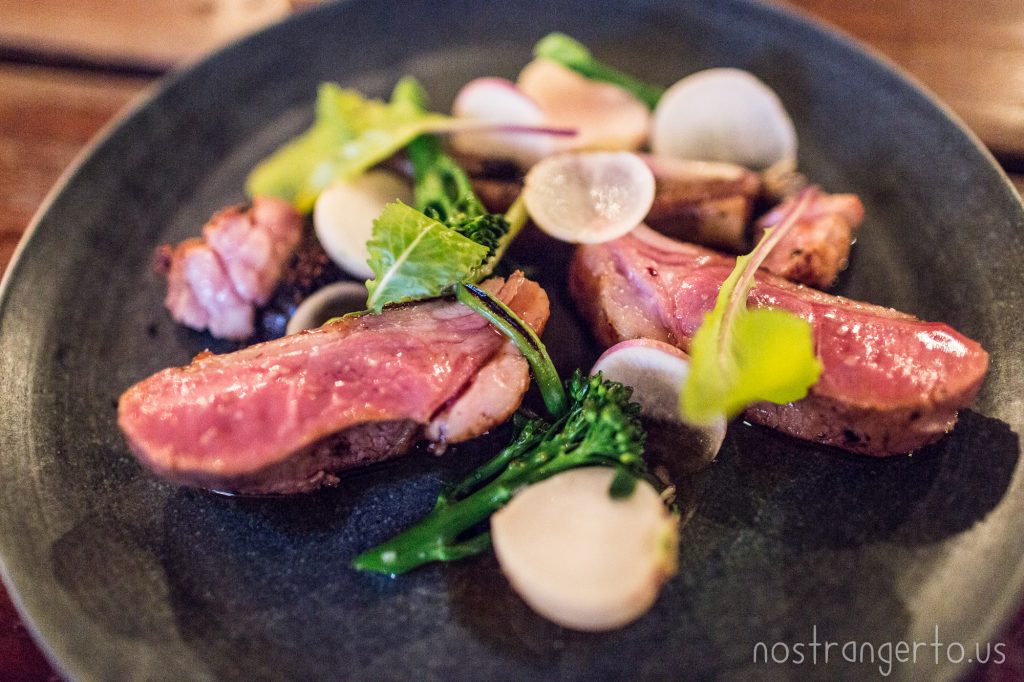
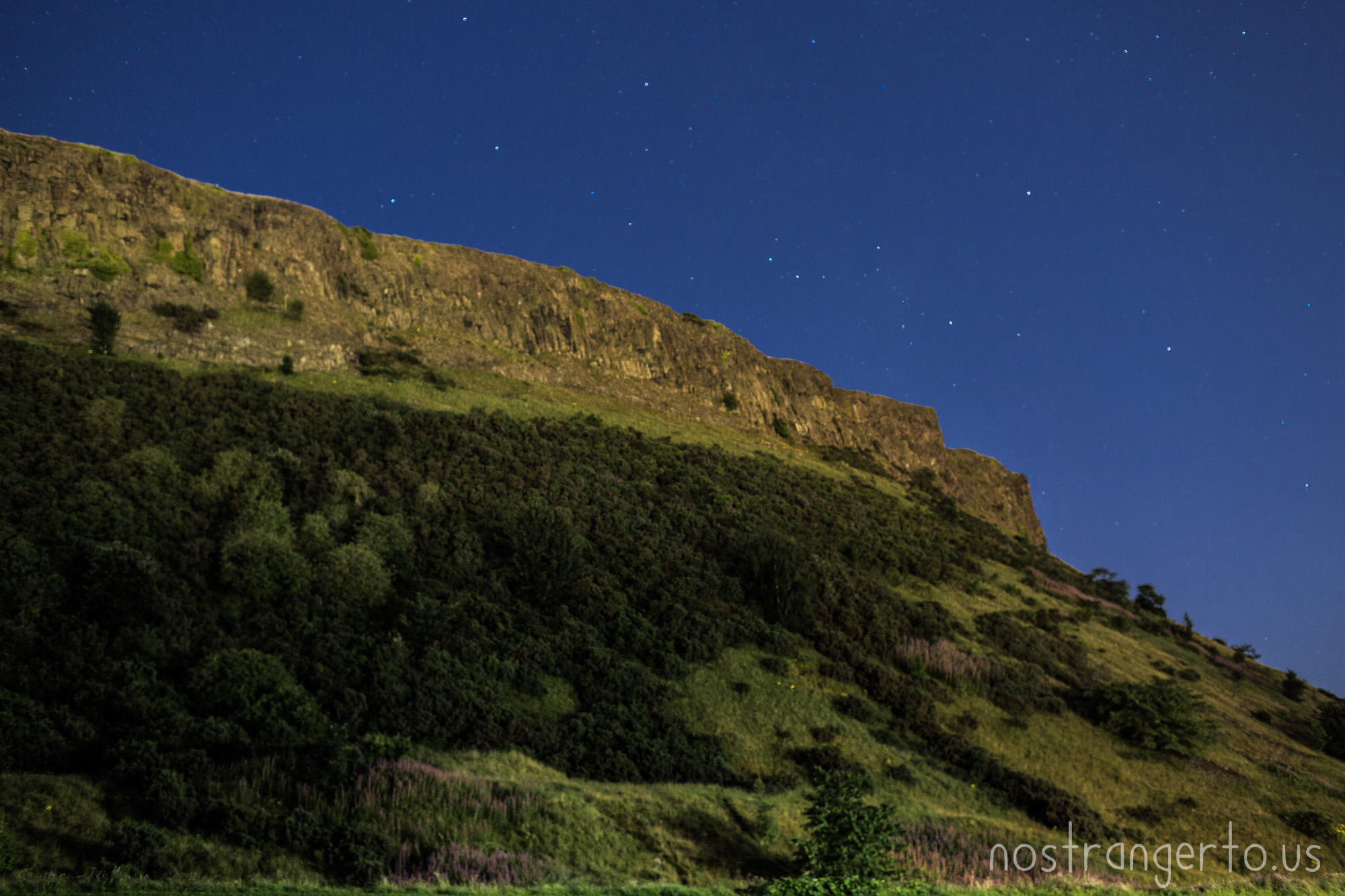
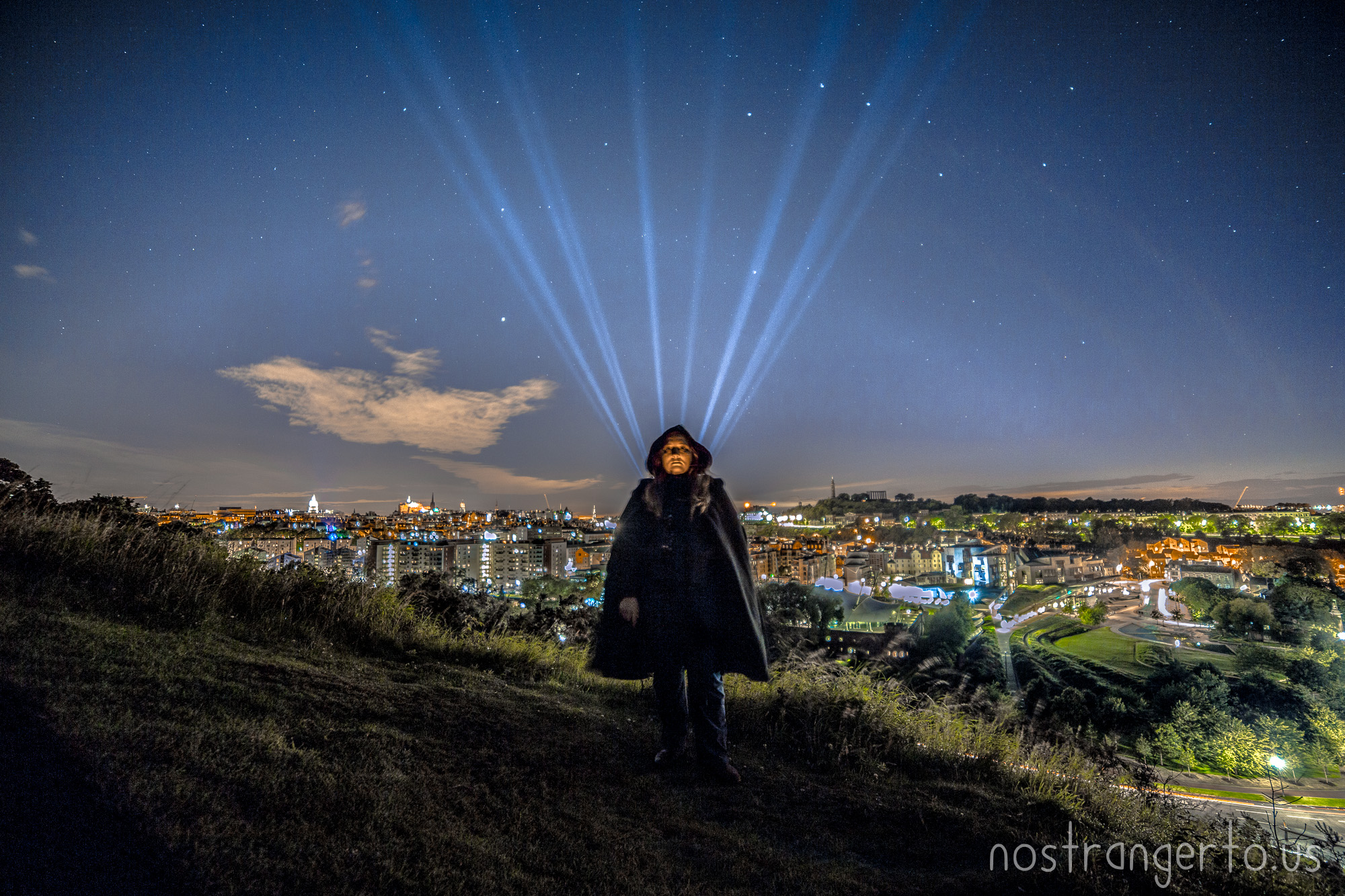
After dinner we took a late night precarious hike up to Arthur’s Seat to see the city filled with light.
Day 3 – Fort William – Scotland
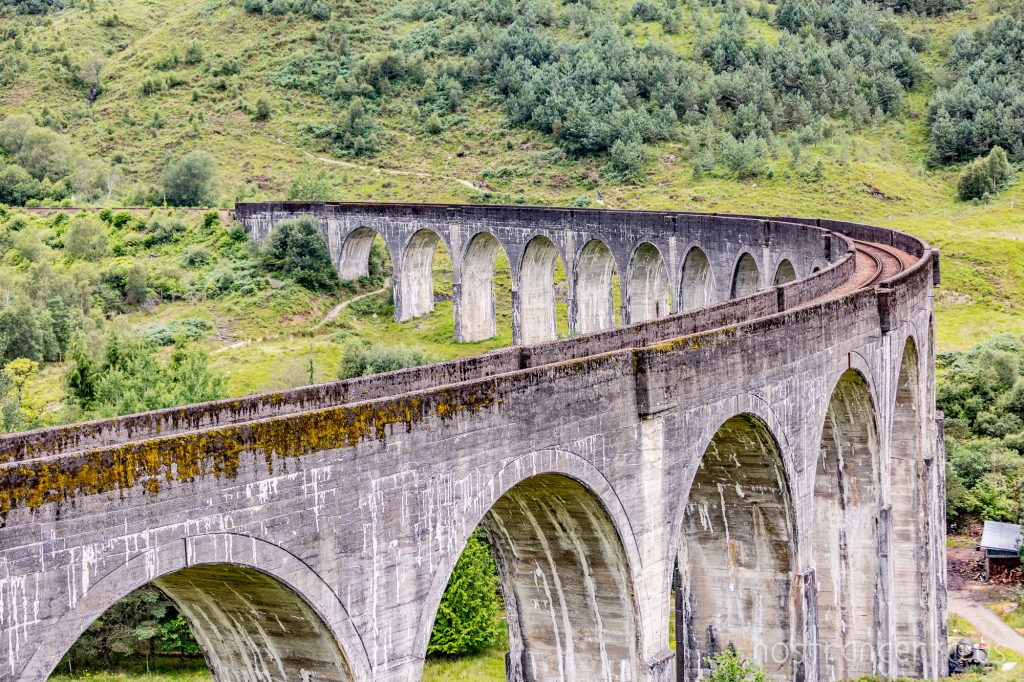
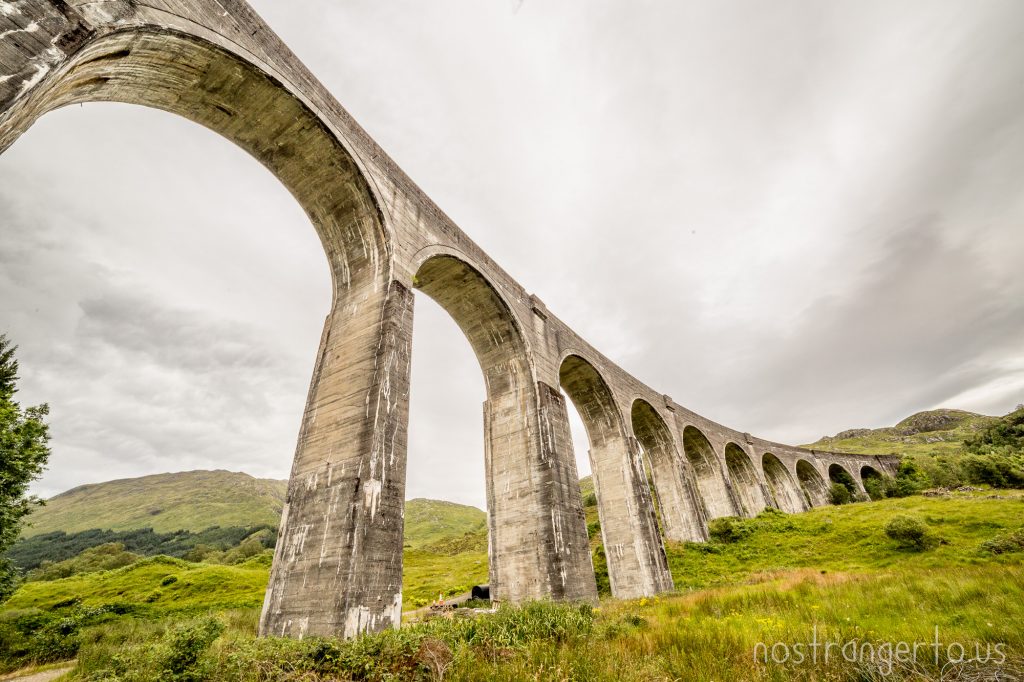
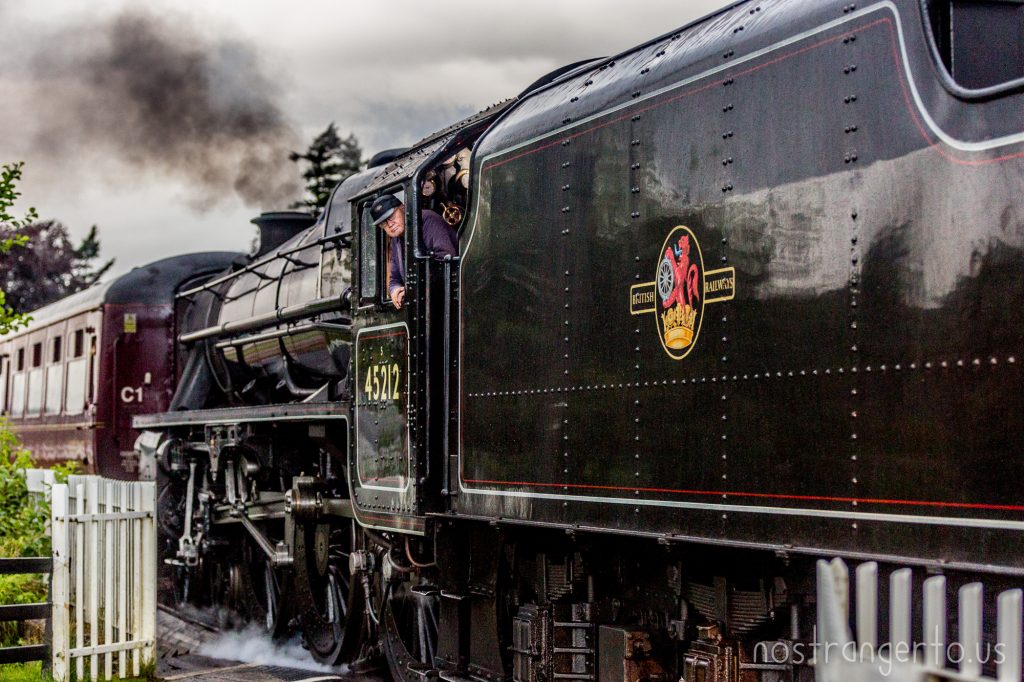
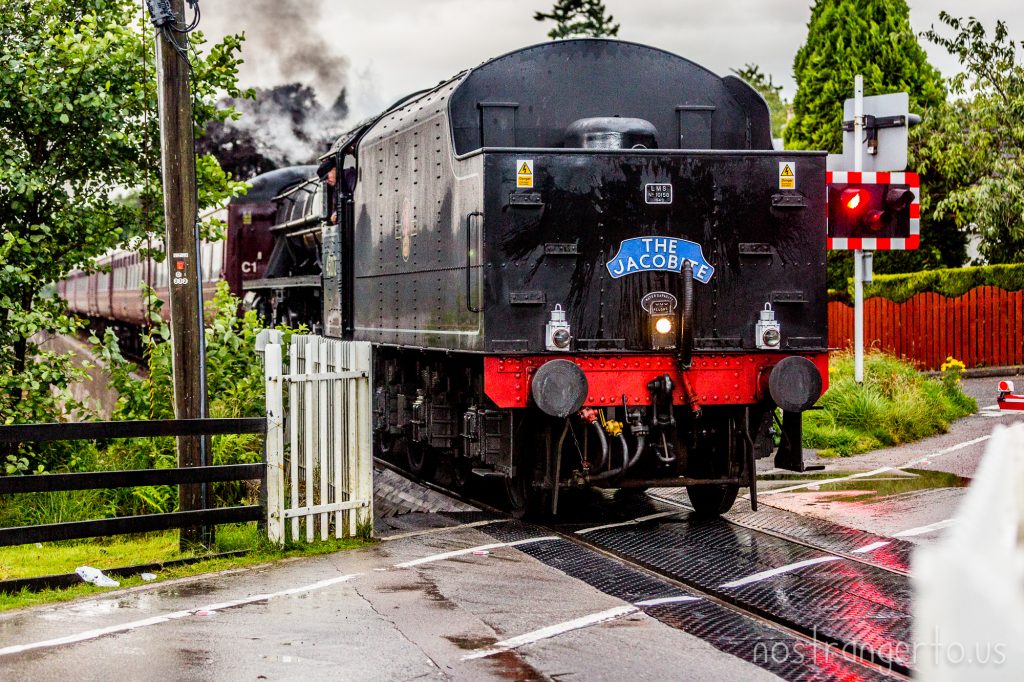
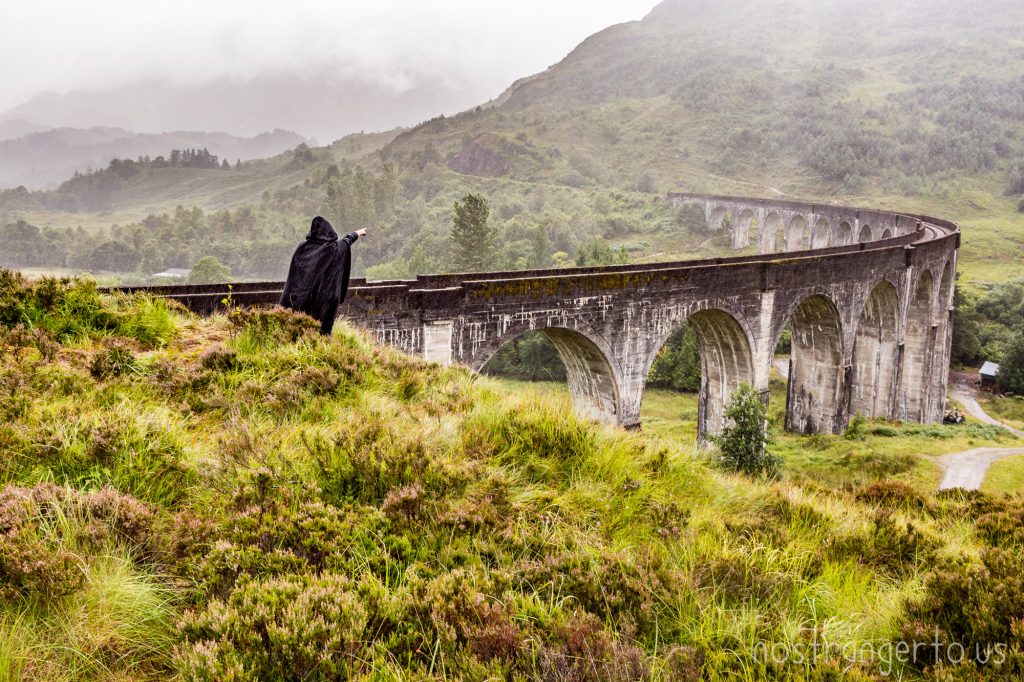
On day three we hit the open road, delicious sandwiches in tow to make our way to Fort William and the Glenfinnan Viaduct. The viaduct is famous for being featured in Harry Potter, taking the Hogwarts express to the school of Witchcraft and Wizardry.
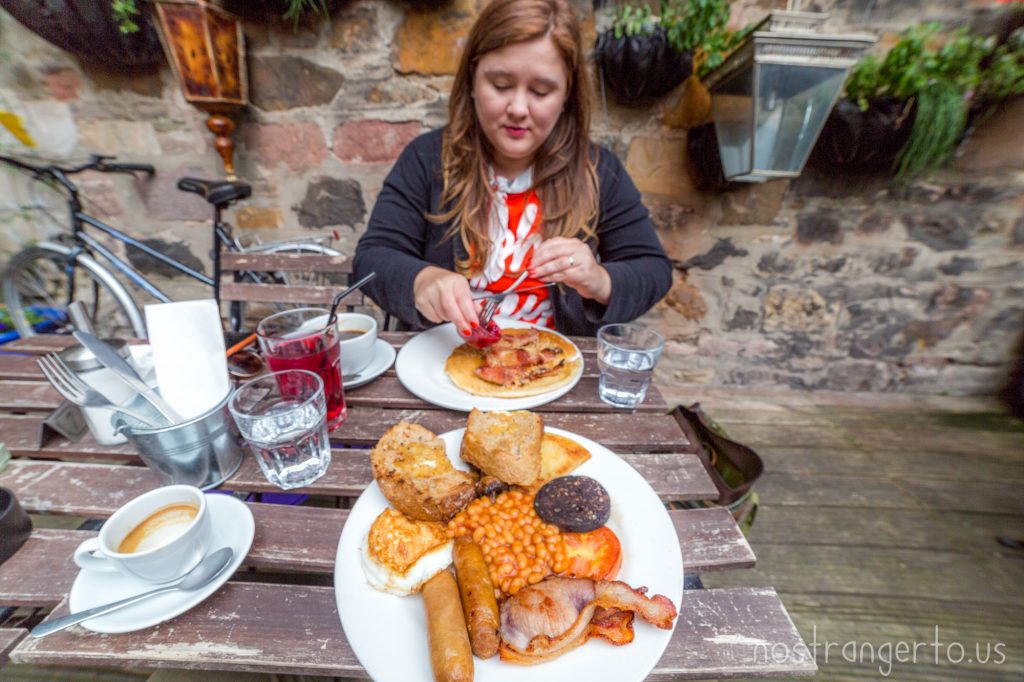
We stayed in the lovely Mansefield Guesthouse for the night and were treated to a delicious breakfast the next morning. Having a full breakfast became routine for us, and helped to give us energy for the day ahead.
Our Scotland trip continues in Part II: The Isle of Skye and Beyond
The post In & Around Edinburgh | Scotland appeared first on No Stranger to Us.
]]>Deprecated: Creation of dynamic property WP_Term::$cat_ID is deprecated in /homepages/20/d390878058/htdocs/nostranger/home/wp-includes/category.php on line 378
Deprecated: Creation of dynamic property WP_Term::$category_count is deprecated in /homepages/20/d390878058/htdocs/nostranger/home/wp-includes/category.php on line 379
Deprecated: Creation of dynamic property WP_Term::$category_description is deprecated in /homepages/20/d390878058/htdocs/nostranger/home/wp-includes/category.php on line 380
Deprecated: Creation of dynamic property WP_Term::$cat_name is deprecated in /homepages/20/d390878058/htdocs/nostranger/home/wp-includes/category.php on line 381
Deprecated: Creation of dynamic property WP_Term::$category_nicename is deprecated in /homepages/20/d390878058/htdocs/nostranger/home/wp-includes/category.php on line 382
Deprecated: Creation of dynamic property WP_Term::$category_parent is deprecated in /homepages/20/d390878058/htdocs/nostranger/home/wp-includes/category.php on line 383
Deprecated: Creation of dynamic property WP_Term::$cat_ID is deprecated in /homepages/20/d390878058/htdocs/nostranger/home/wp-includes/category.php on line 378
Deprecated: Creation of dynamic property WP_Term::$category_count is deprecated in /homepages/20/d390878058/htdocs/nostranger/home/wp-includes/category.php on line 379
Deprecated: Creation of dynamic property WP_Term::$category_description is deprecated in /homepages/20/d390878058/htdocs/nostranger/home/wp-includes/category.php on line 380
Deprecated: Creation of dynamic property WP_Term::$cat_name is deprecated in /homepages/20/d390878058/htdocs/nostranger/home/wp-includes/category.php on line 381
Deprecated: Creation of dynamic property WP_Term::$category_nicename is deprecated in /homepages/20/d390878058/htdocs/nostranger/home/wp-includes/category.php on line 382
Deprecated: Creation of dynamic property WP_Term::$category_parent is deprecated in /homepages/20/d390878058/htdocs/nostranger/home/wp-includes/category.php on line 383
Deprecated: Creation of dynamic property WP_Term::$cat_ID is deprecated in /homepages/20/d390878058/htdocs/nostranger/home/wp-includes/category.php on line 378
Deprecated: Creation of dynamic property WP_Term::$category_count is deprecated in /homepages/20/d390878058/htdocs/nostranger/home/wp-includes/category.php on line 379
Deprecated: Creation of dynamic property WP_Term::$category_description is deprecated in /homepages/20/d390878058/htdocs/nostranger/home/wp-includes/category.php on line 380
Deprecated: Creation of dynamic property WP_Term::$cat_name is deprecated in /homepages/20/d390878058/htdocs/nostranger/home/wp-includes/category.php on line 381
Deprecated: Creation of dynamic property WP_Term::$category_nicename is deprecated in /homepages/20/d390878058/htdocs/nostranger/home/wp-includes/category.php on line 382
Deprecated: Creation of dynamic property WP_Term::$category_parent is deprecated in /homepages/20/d390878058/htdocs/nostranger/home/wp-includes/category.php on line 383
The post Chowing on Chinese food at the Museum of Food and Drink appeared first on No Stranger to Us.
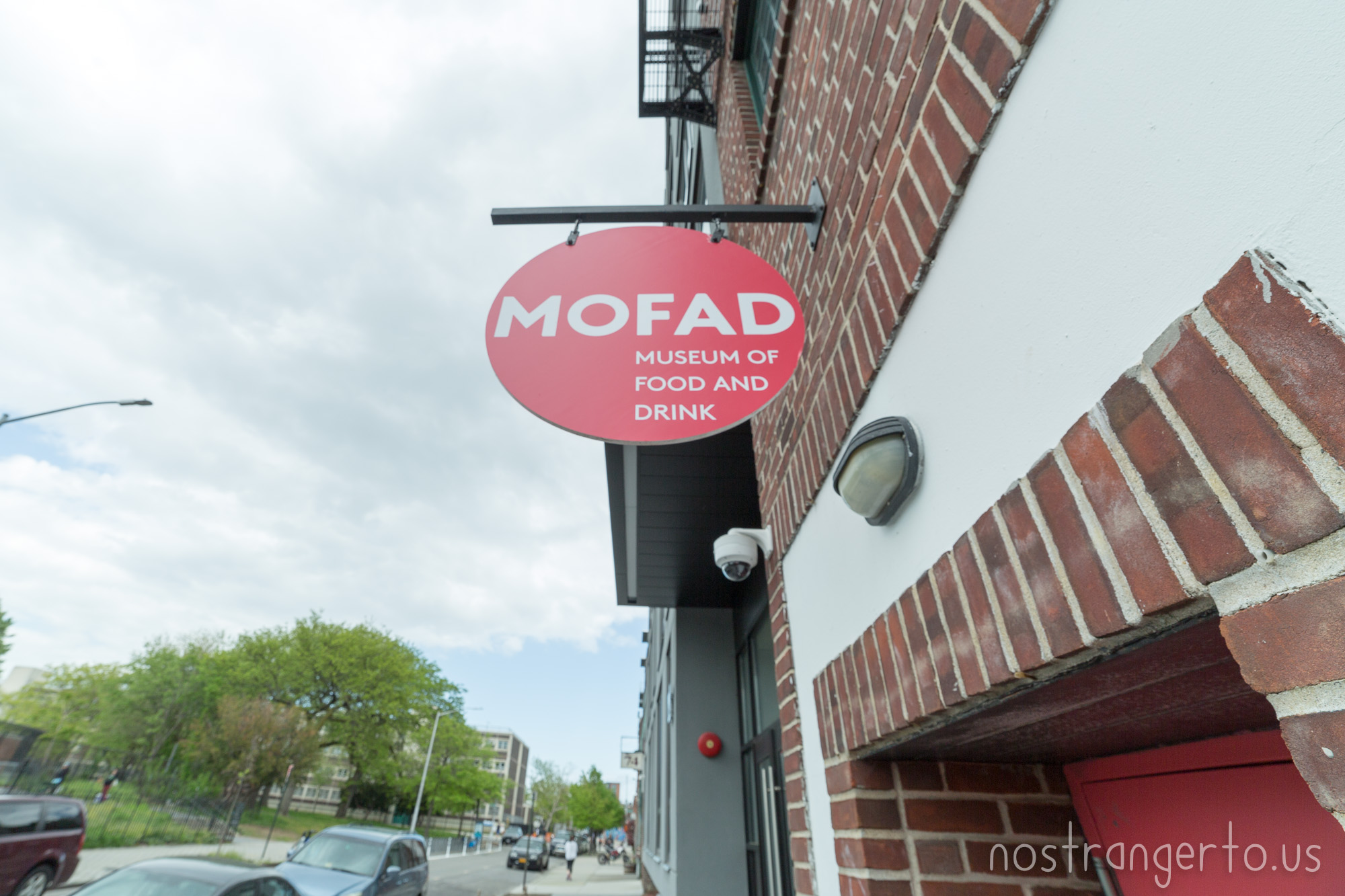
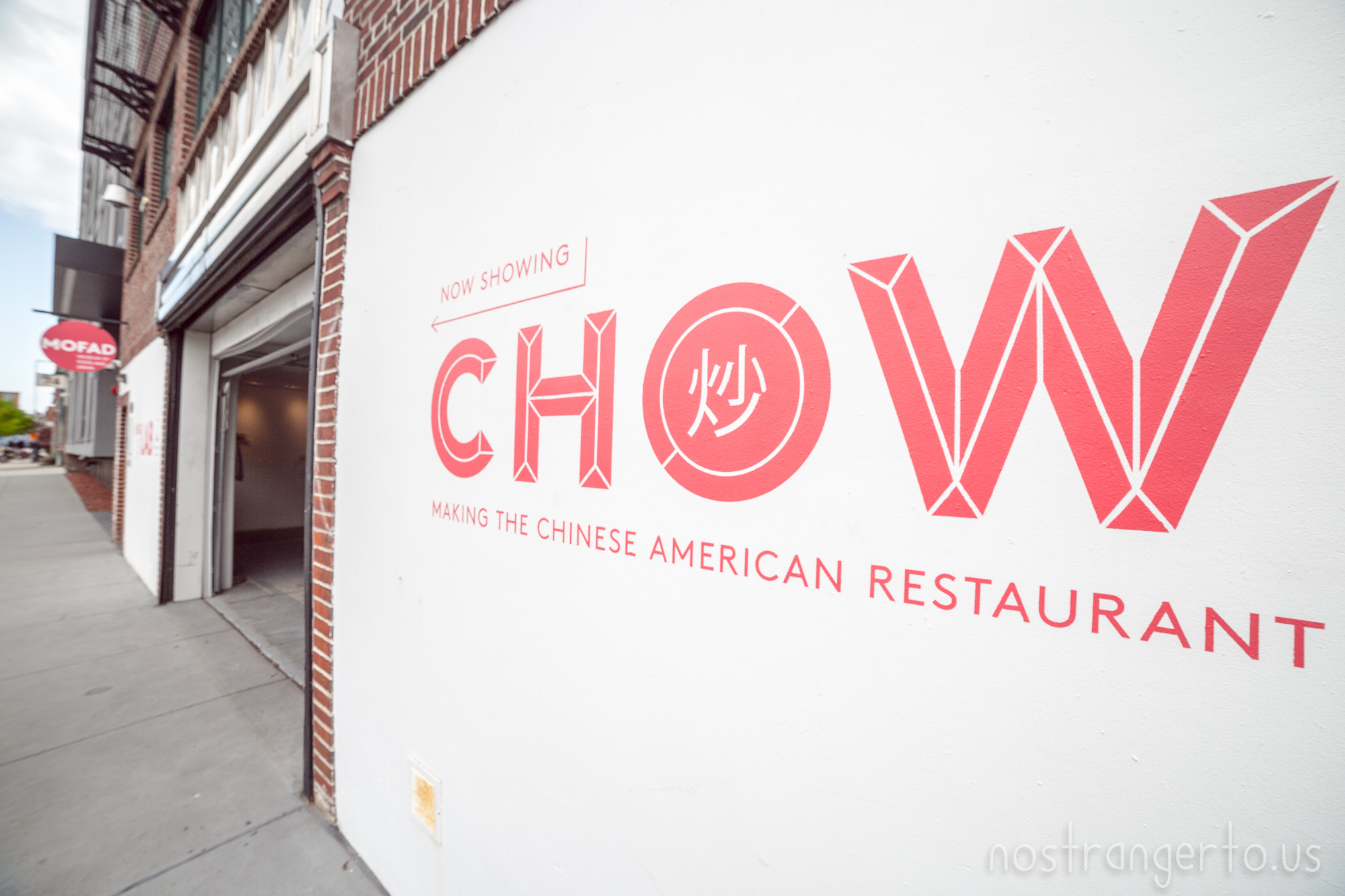
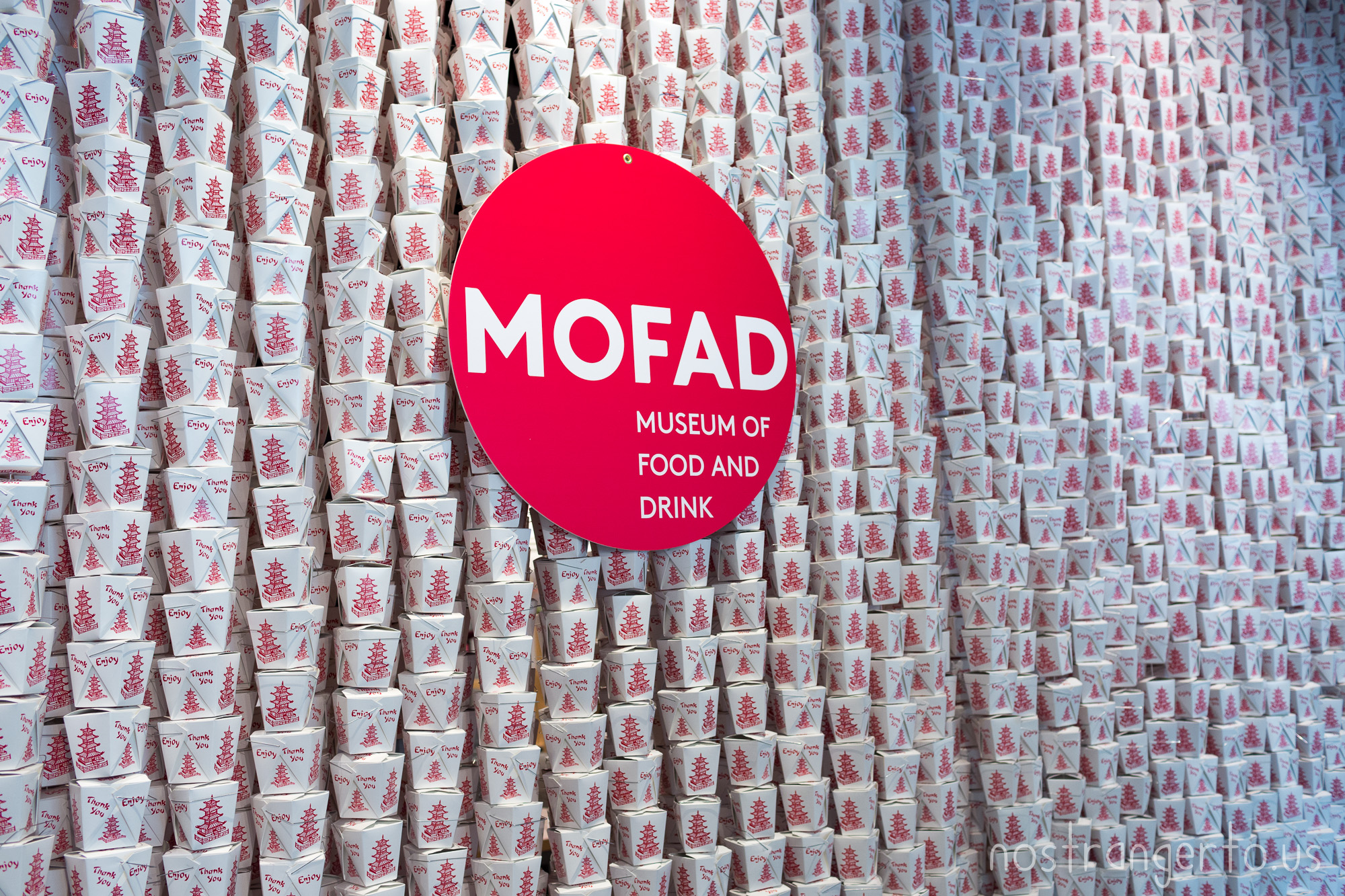
]]>What was so impressive about the CHOW exhibit in the Museum of Food and Drink‘s pop-up space was the way that the Chinese restaurant in America was contextualized as an important expression of the immigrant experience. It powerfully demonstrated how a rich immigrant culture combined exclusionary tactics of the dominant society can create a thriving sub-culture.



Chinese Food History
When you walk into the space your senses are overwhelmed with the smell of blueberry infused fortune cookies baking. On display are original cooking tools and vintage menus of Chinese restaurants from across United States.
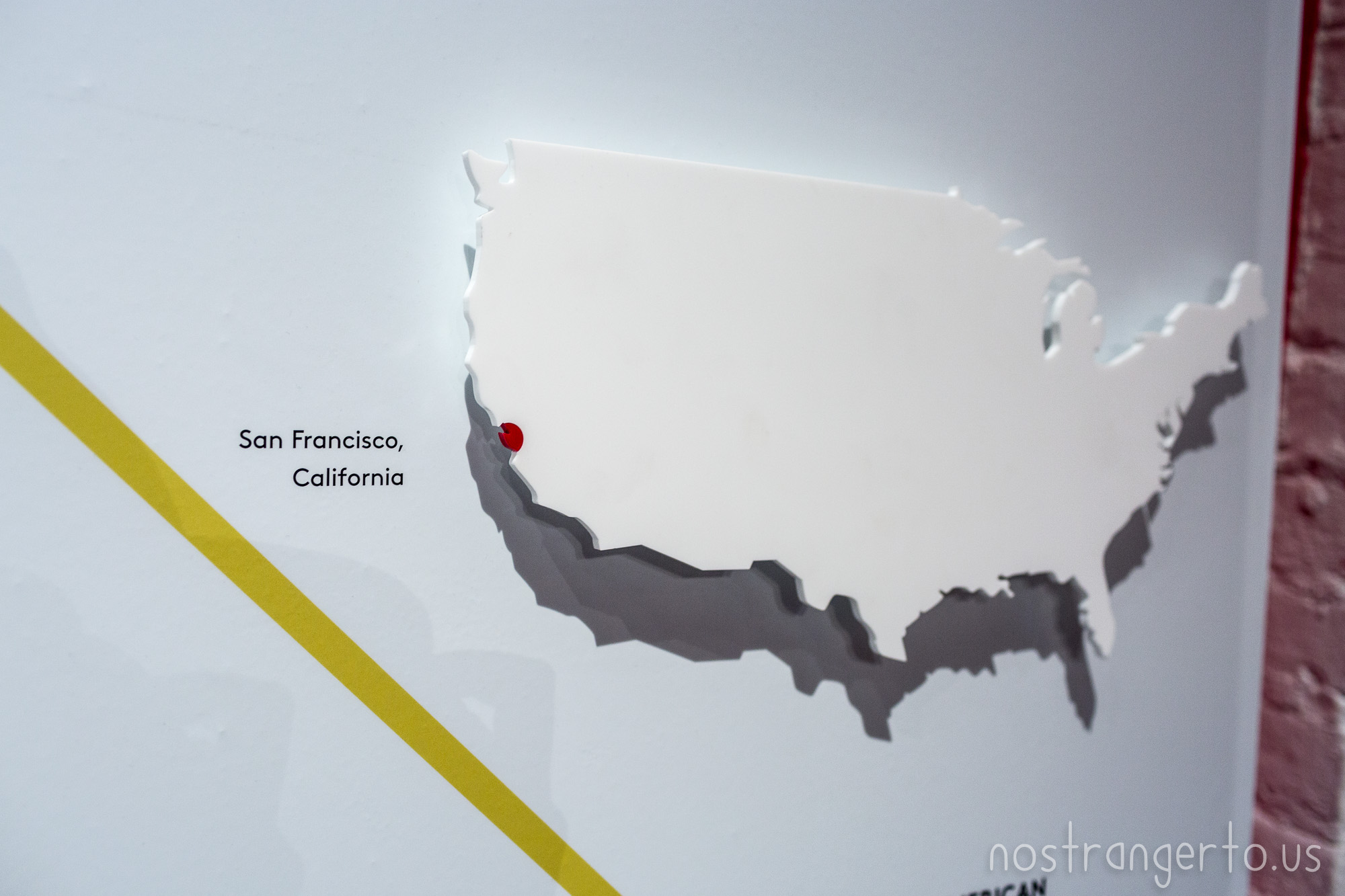
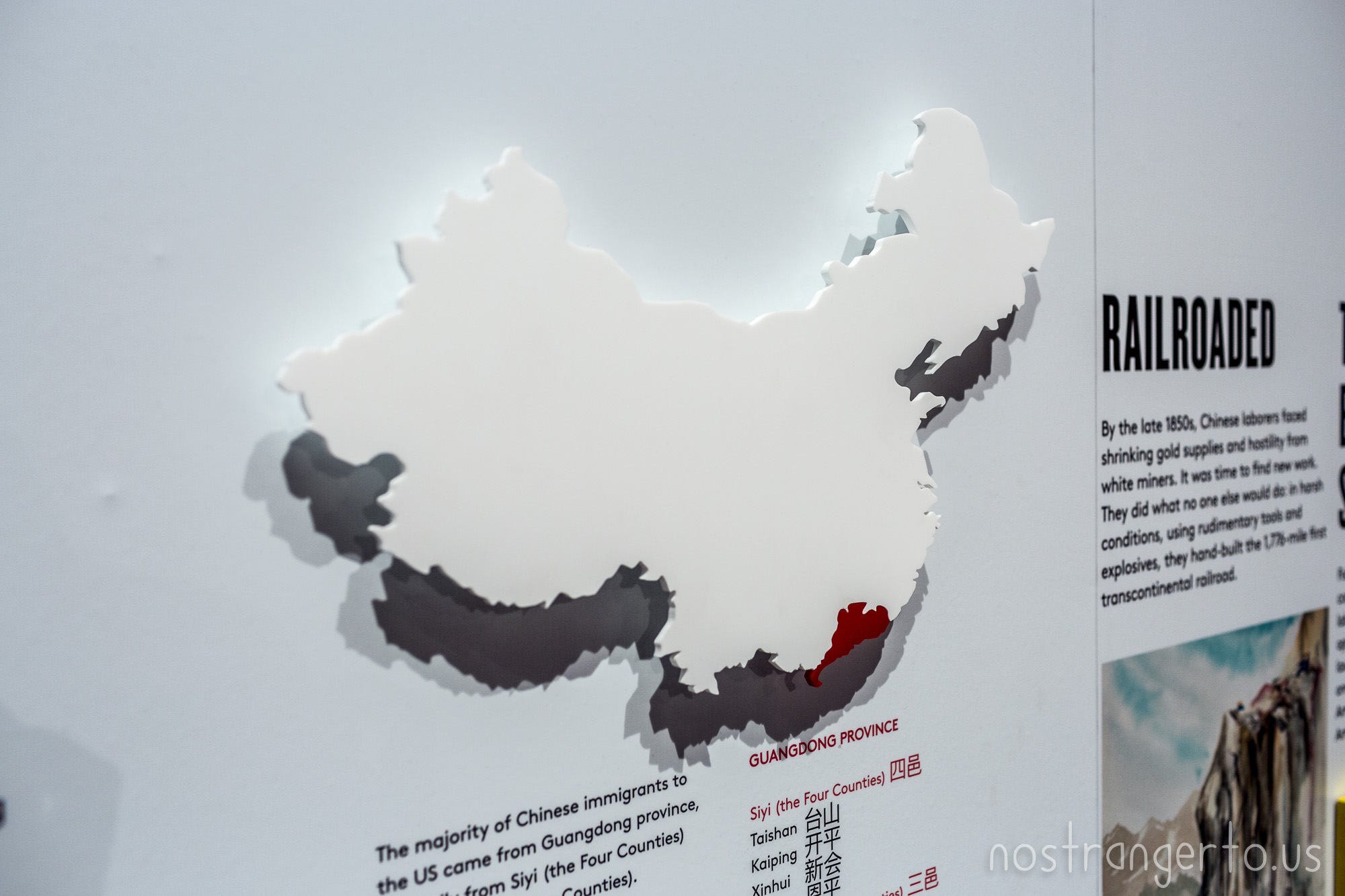
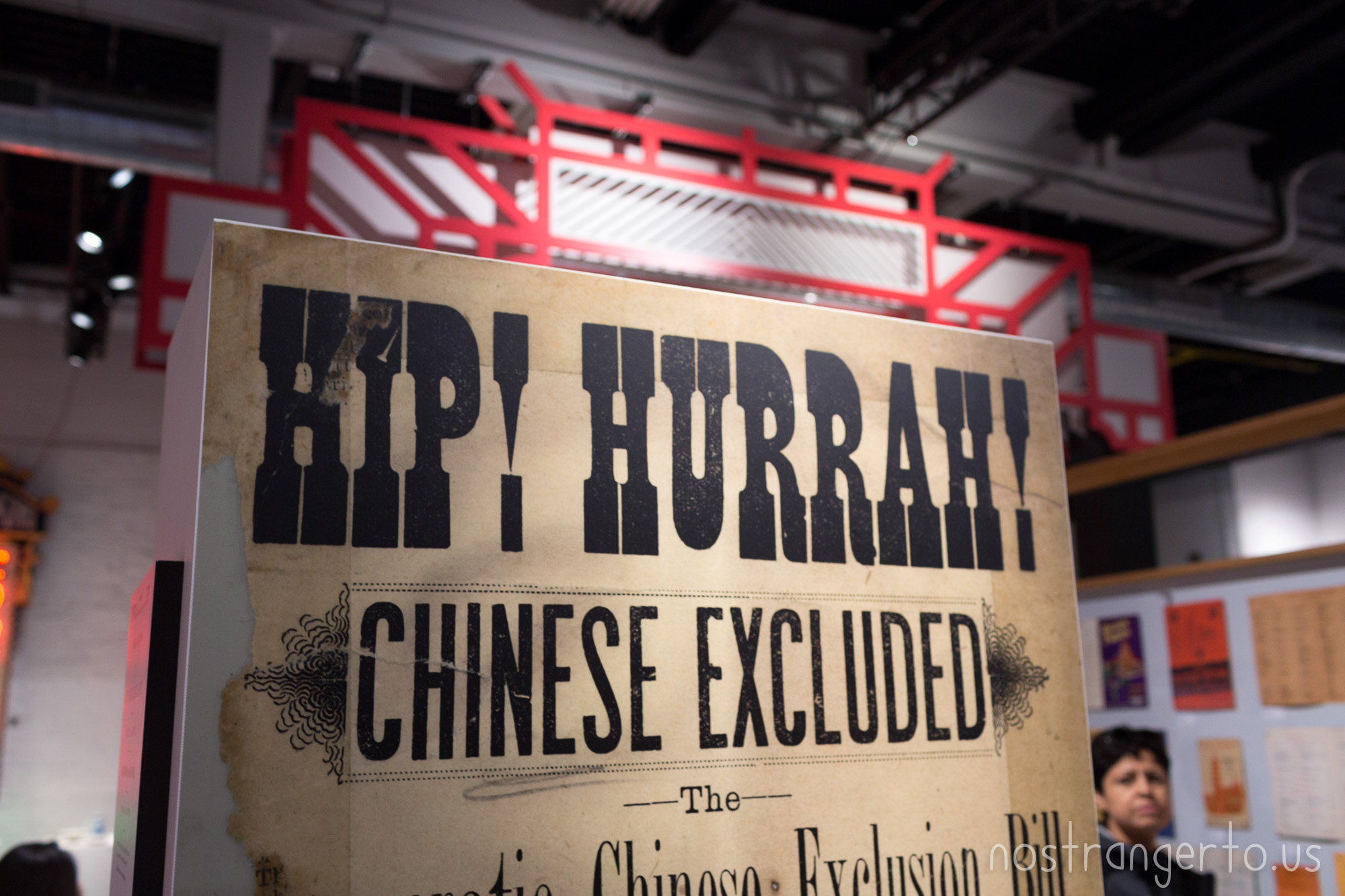


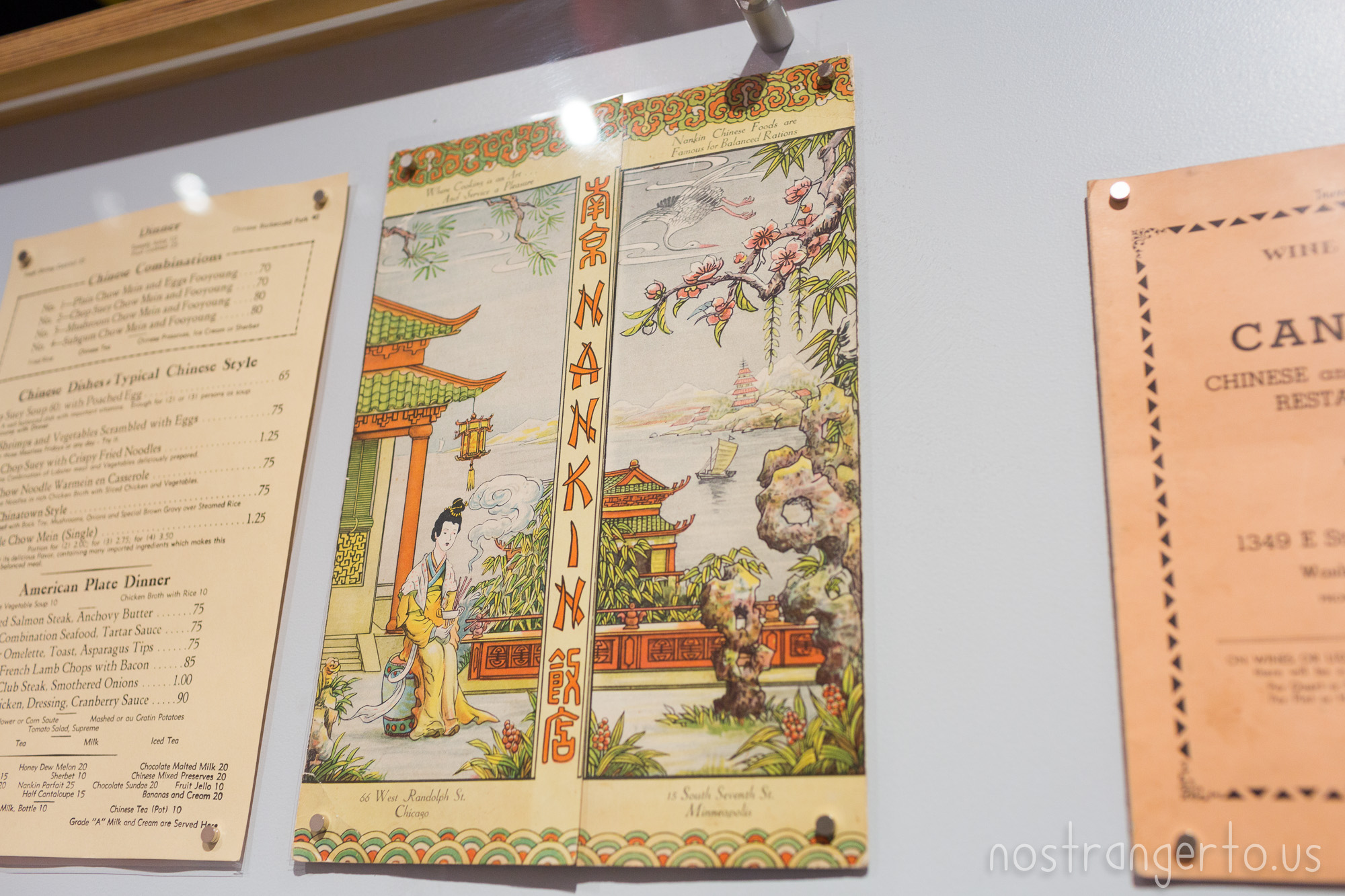
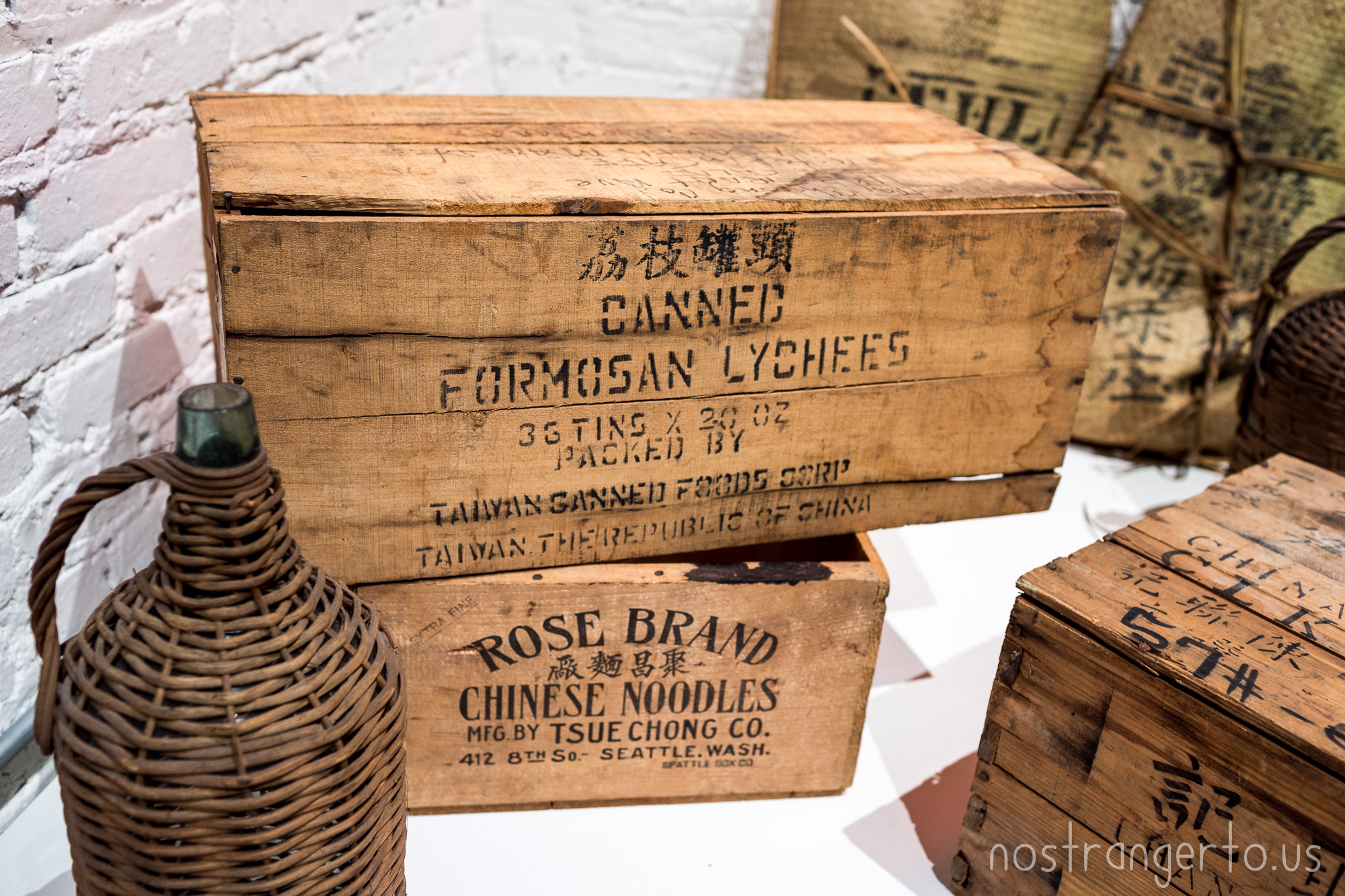

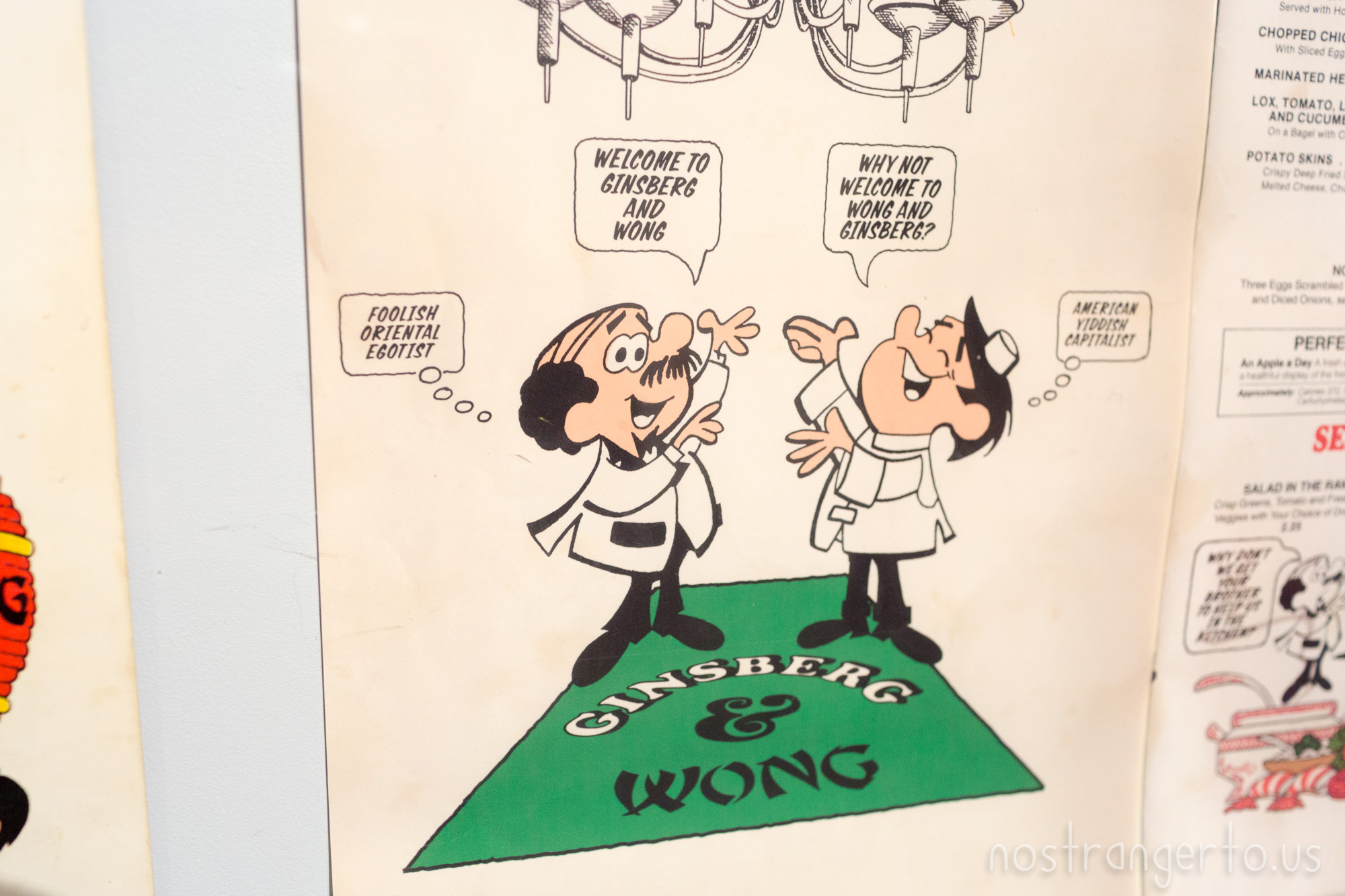
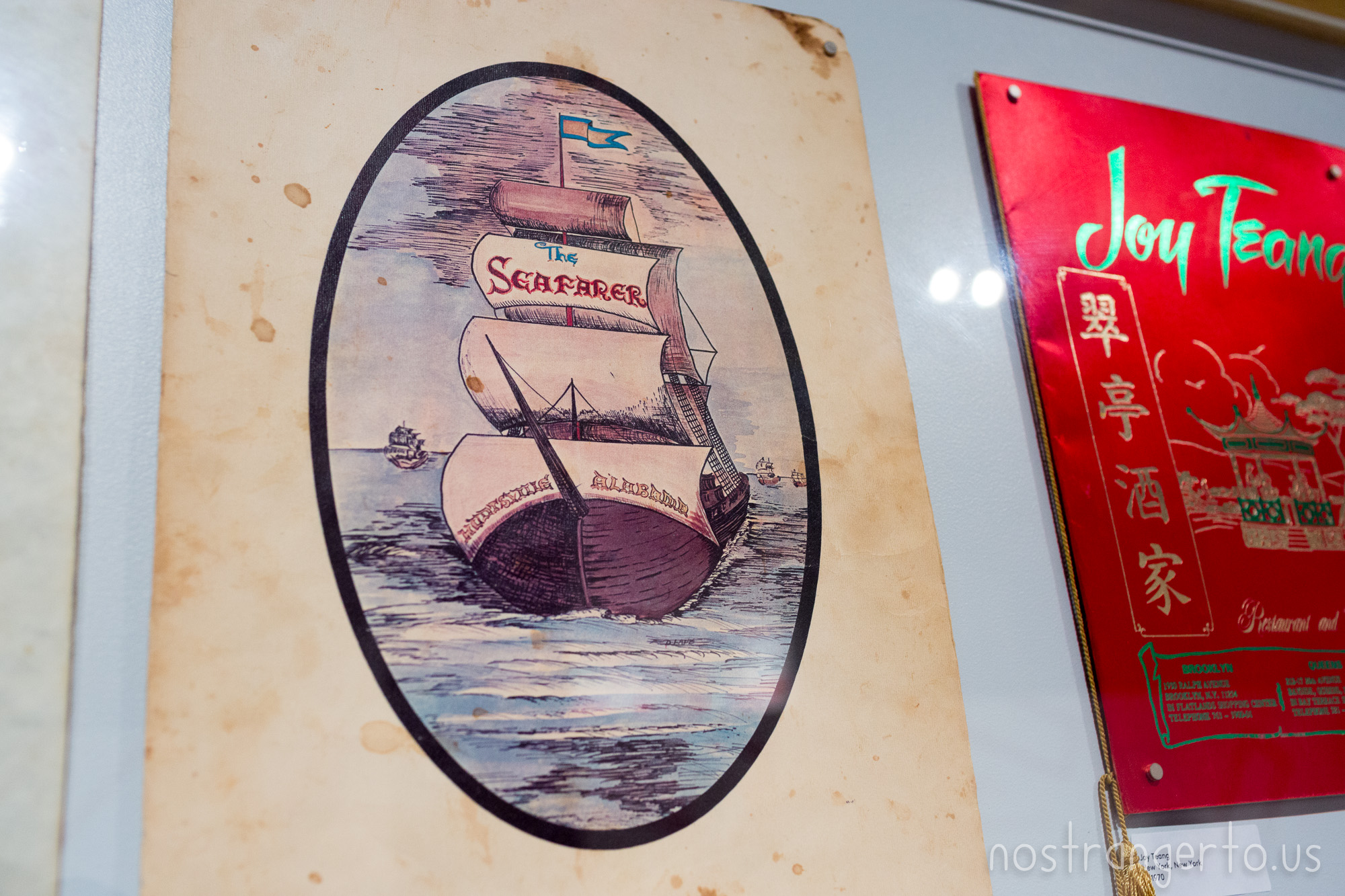
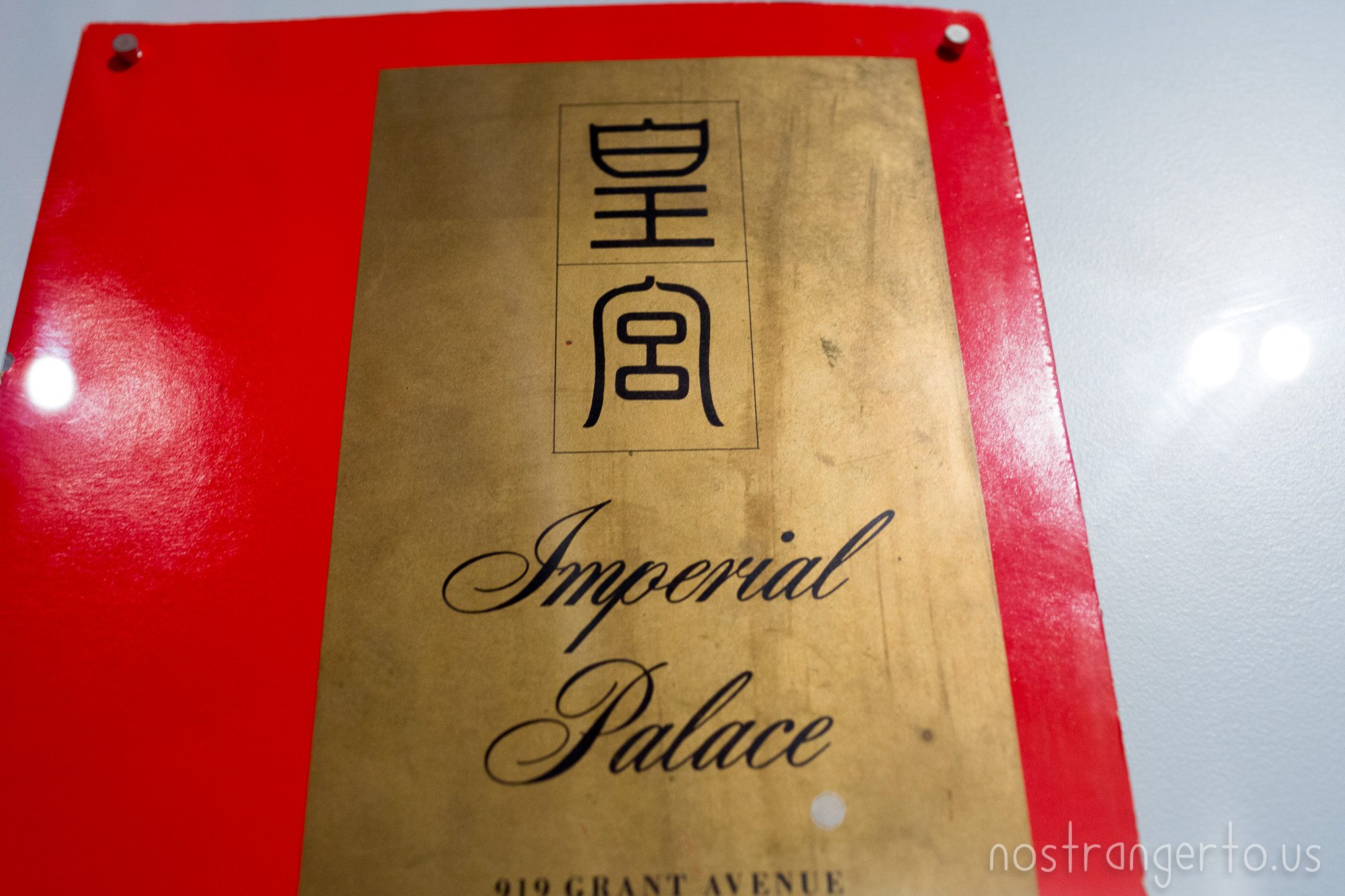
The first craze of Chinese food was in the early 1800s when Americans were eating a dish that they referred to as “Chop Suey”. This dish was likely a stir-fried mixture of animal innards and vegetables tossed in a soy sauce.
In the middle of the exhibit a fortune cookie machine is on display. Here a visitor can watch all the steps to the process of making a fortune cookie on a mass scale. Best part, eating unlimited cookies!
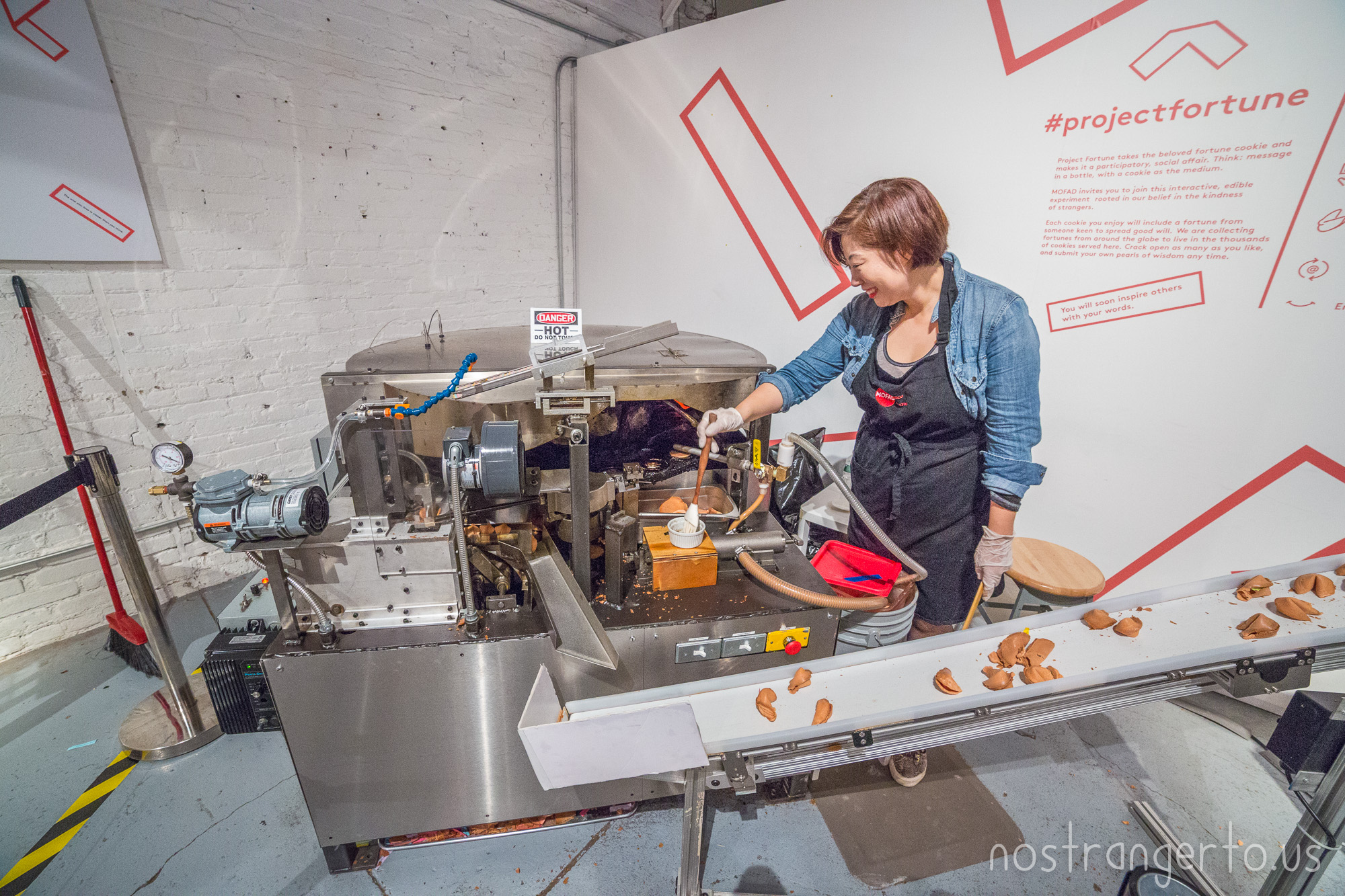
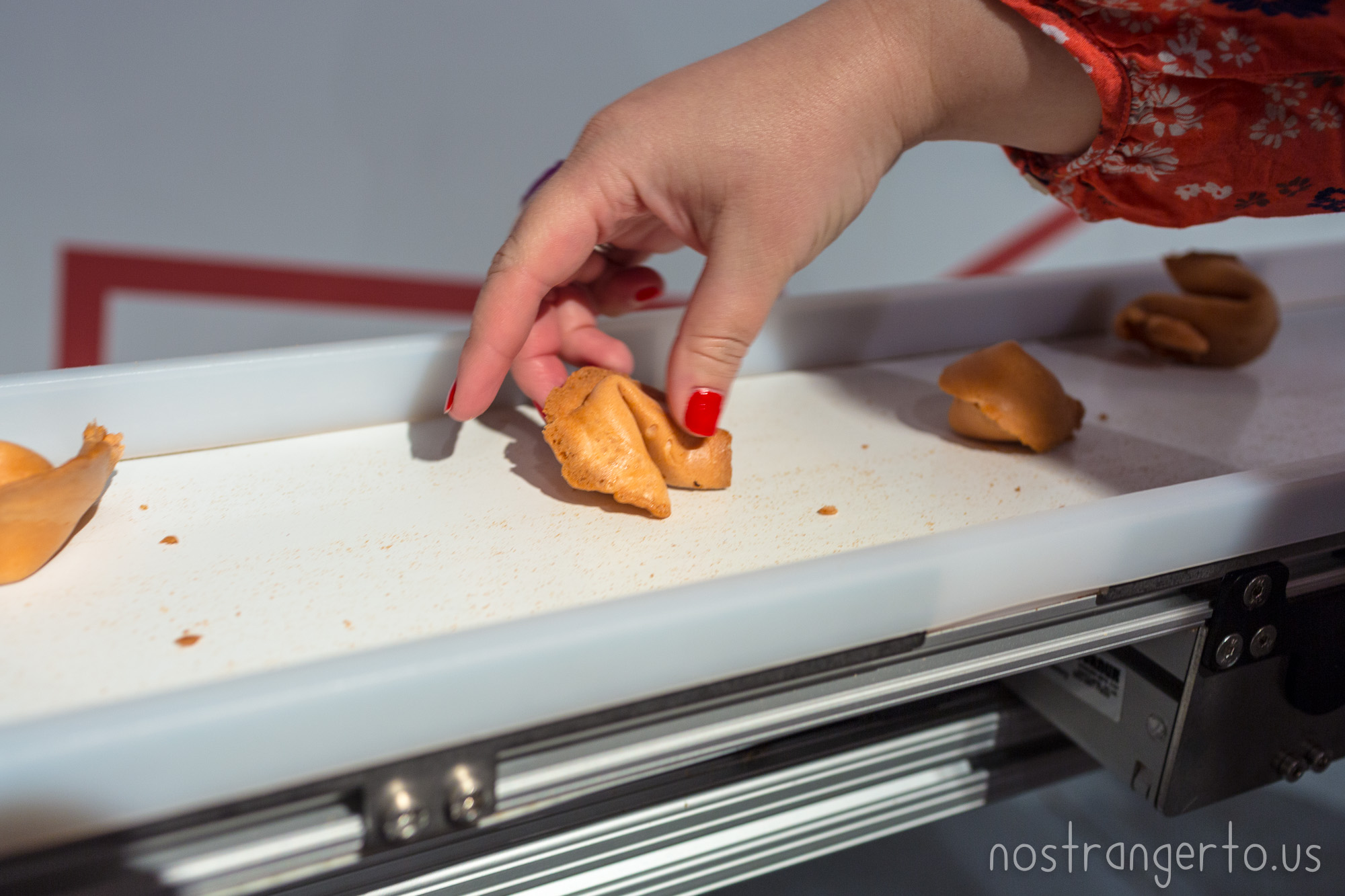
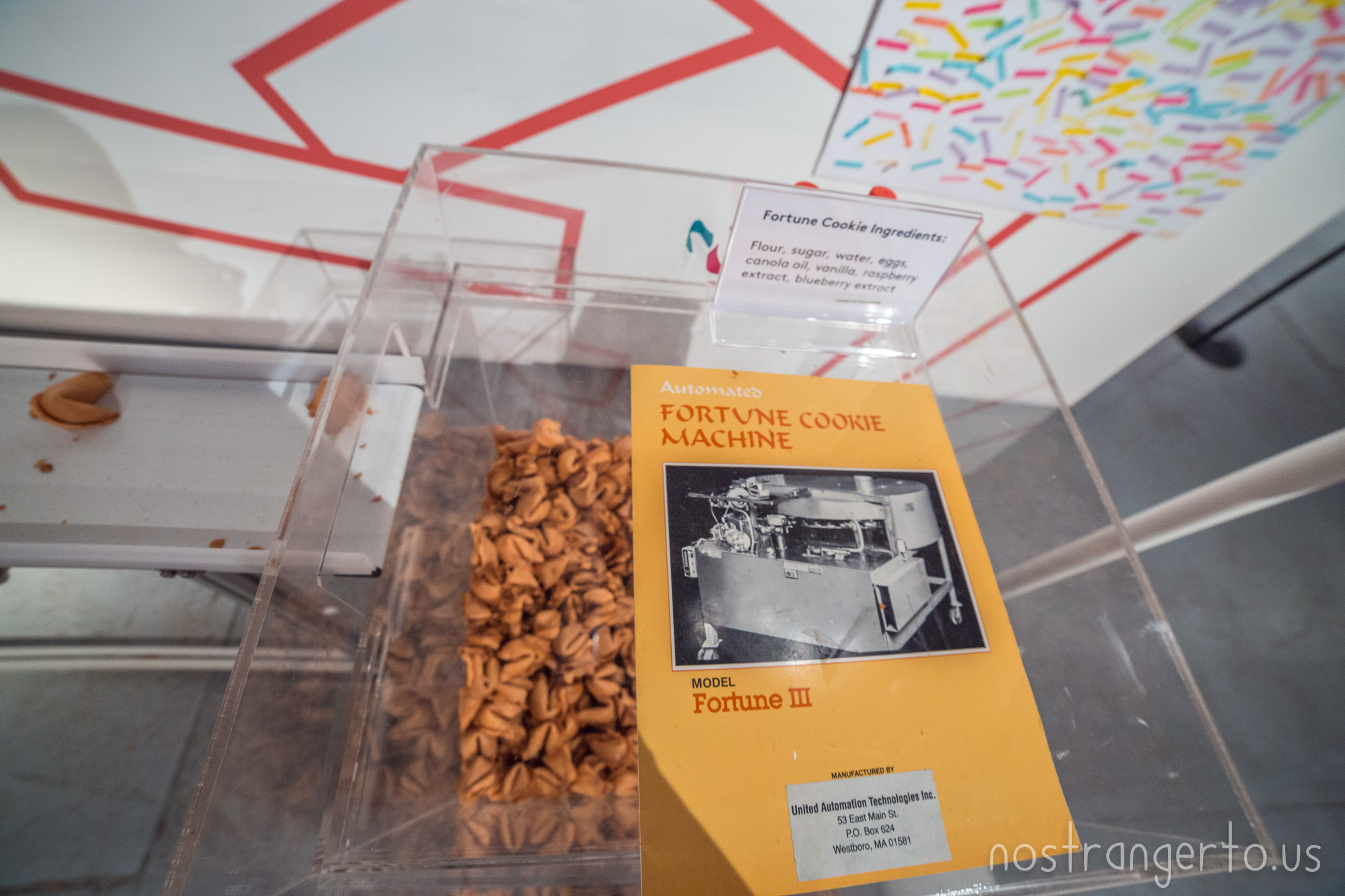

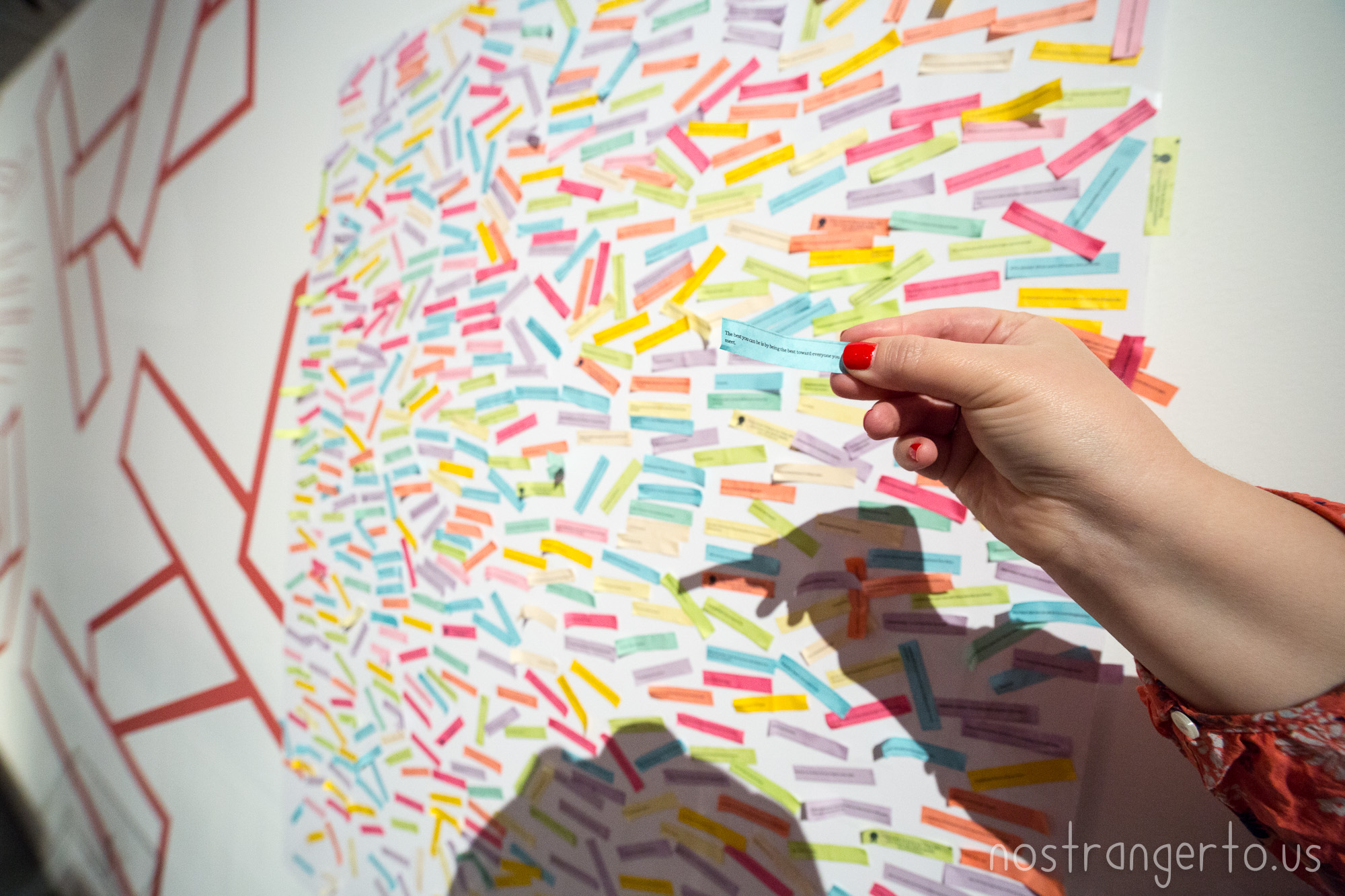

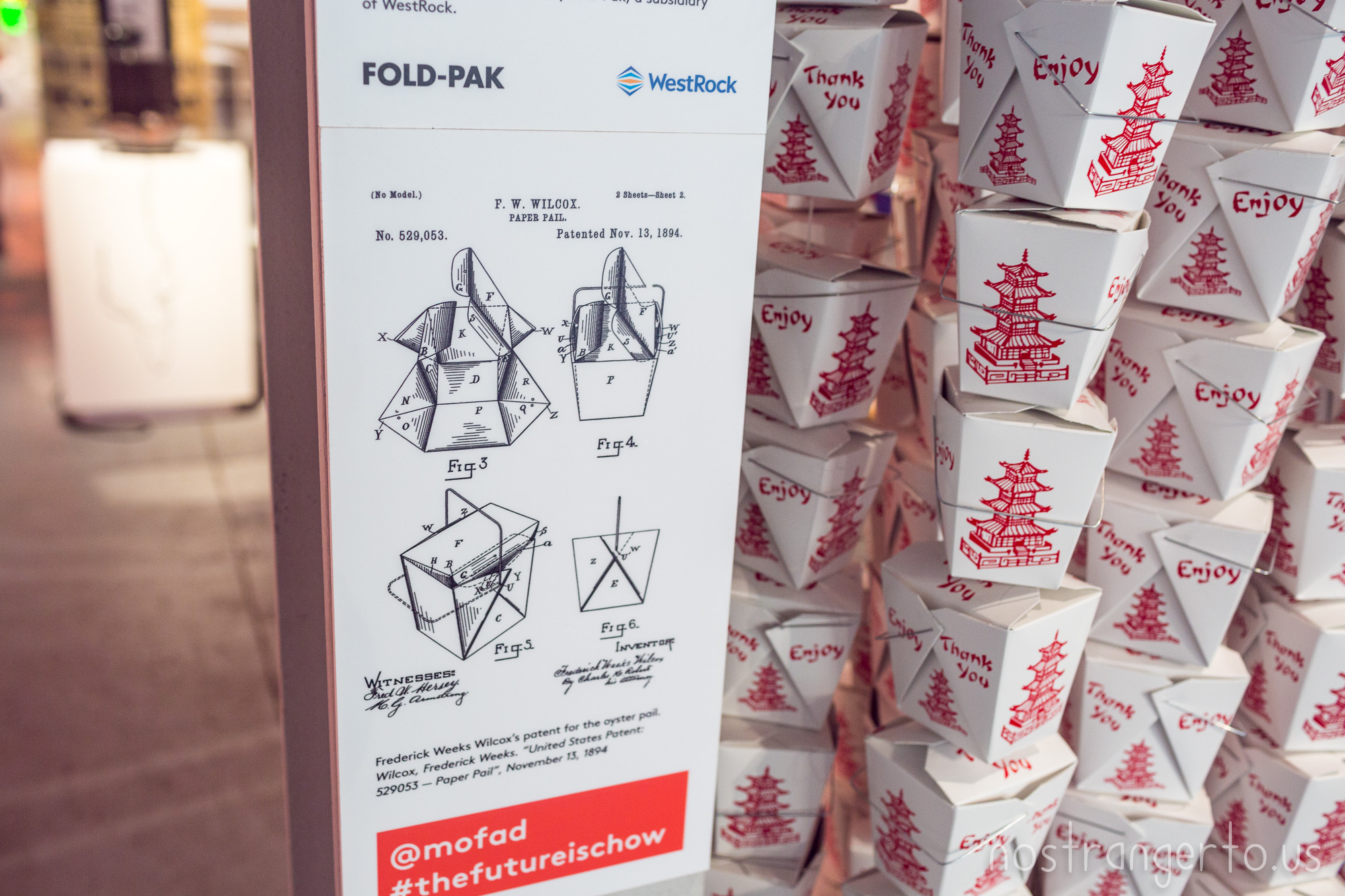
The machine is a part of MoFad’s Twitter campaign #ProjectFortune. It’s an interactive experience! Each cookie contains a custom fortune submitted via twitter with the hashtag, or entered into the kiosk here at the museum. Getting them printed and cut to size must be a chore! The cookie recipe changes every so often, currently they use blueberry and raspberry extract, which we have never tasted in a cookie before. The cookies are addicting! Luckily you can take even more home with you in a take-out box. We also learned that they donate the excess to a food pantry.
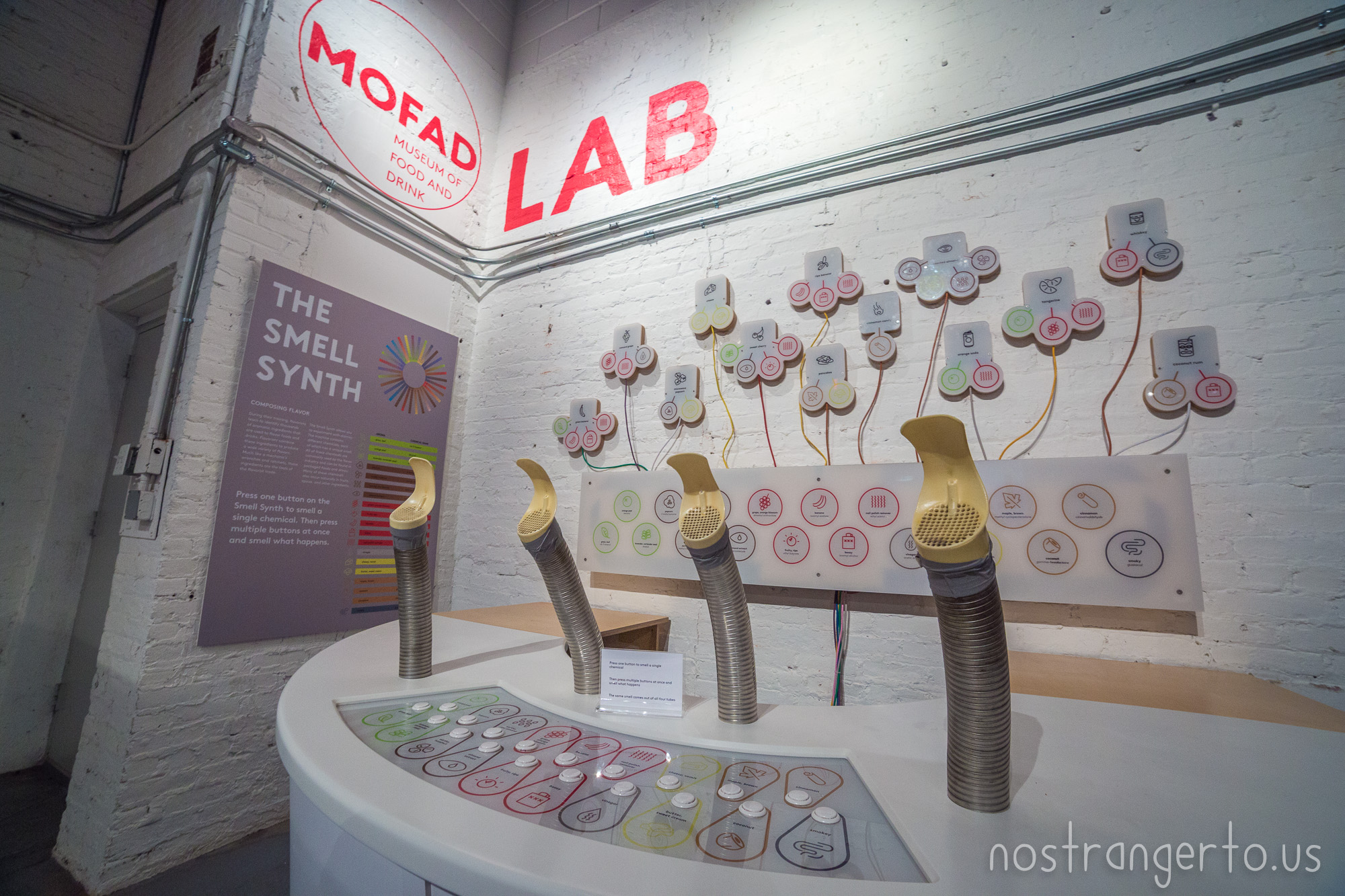
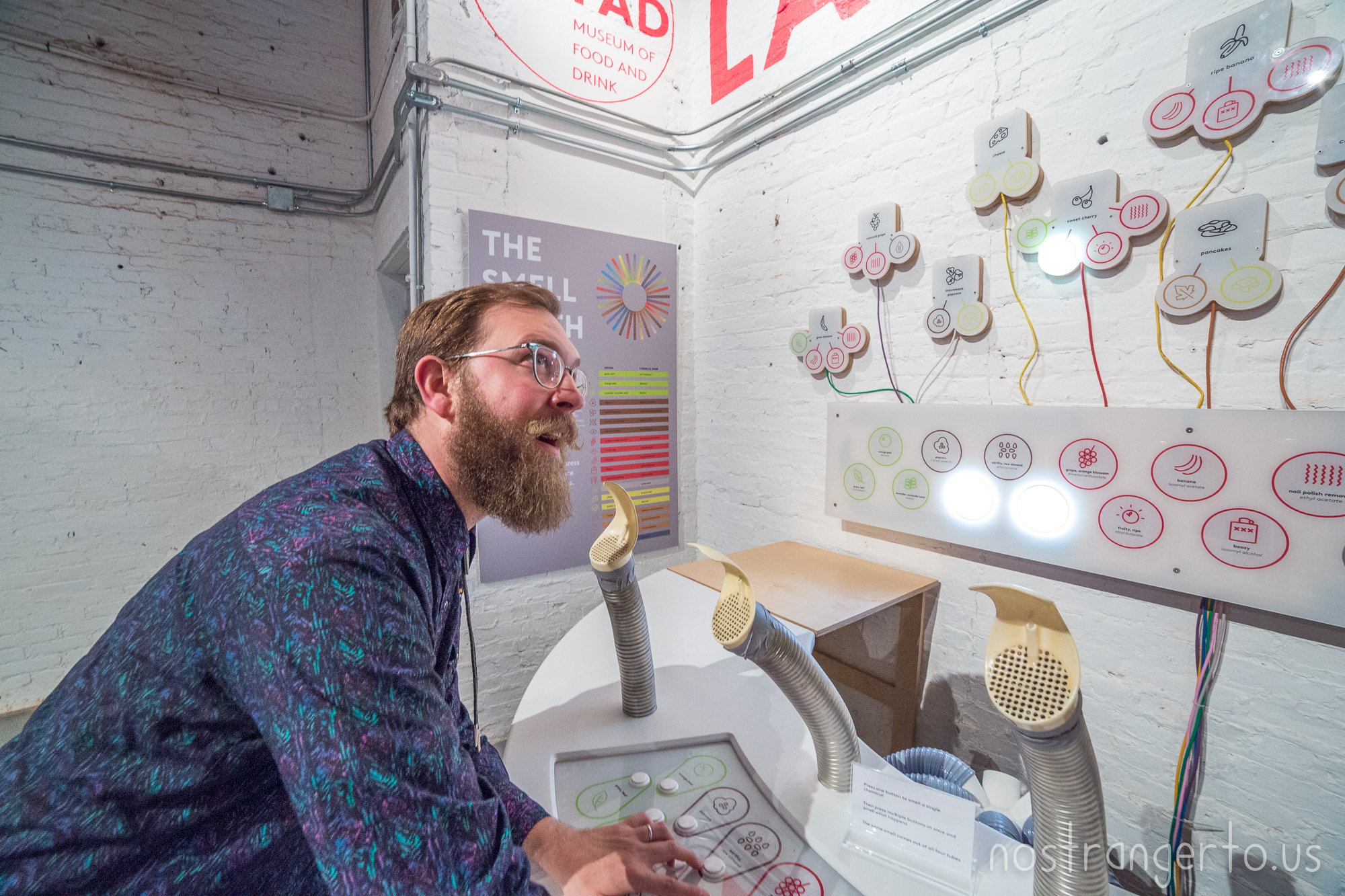
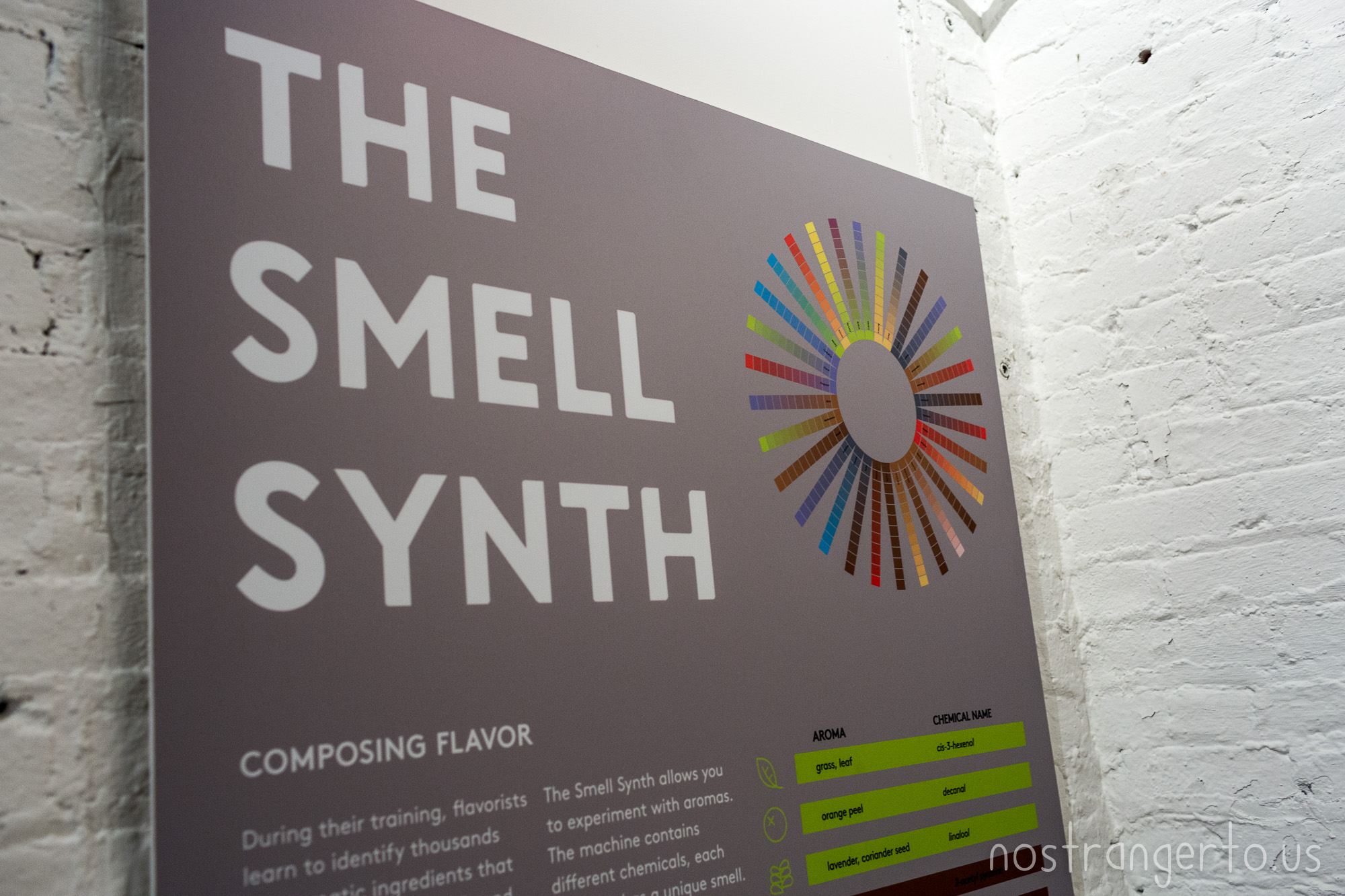
There is also a space that features cool smell generating machines called the “Smell Synth”. You can mix fragrances together to create smell recipes. Cooper got creative and mixed up some stank like a olfactory DJ.
Time to Taste!
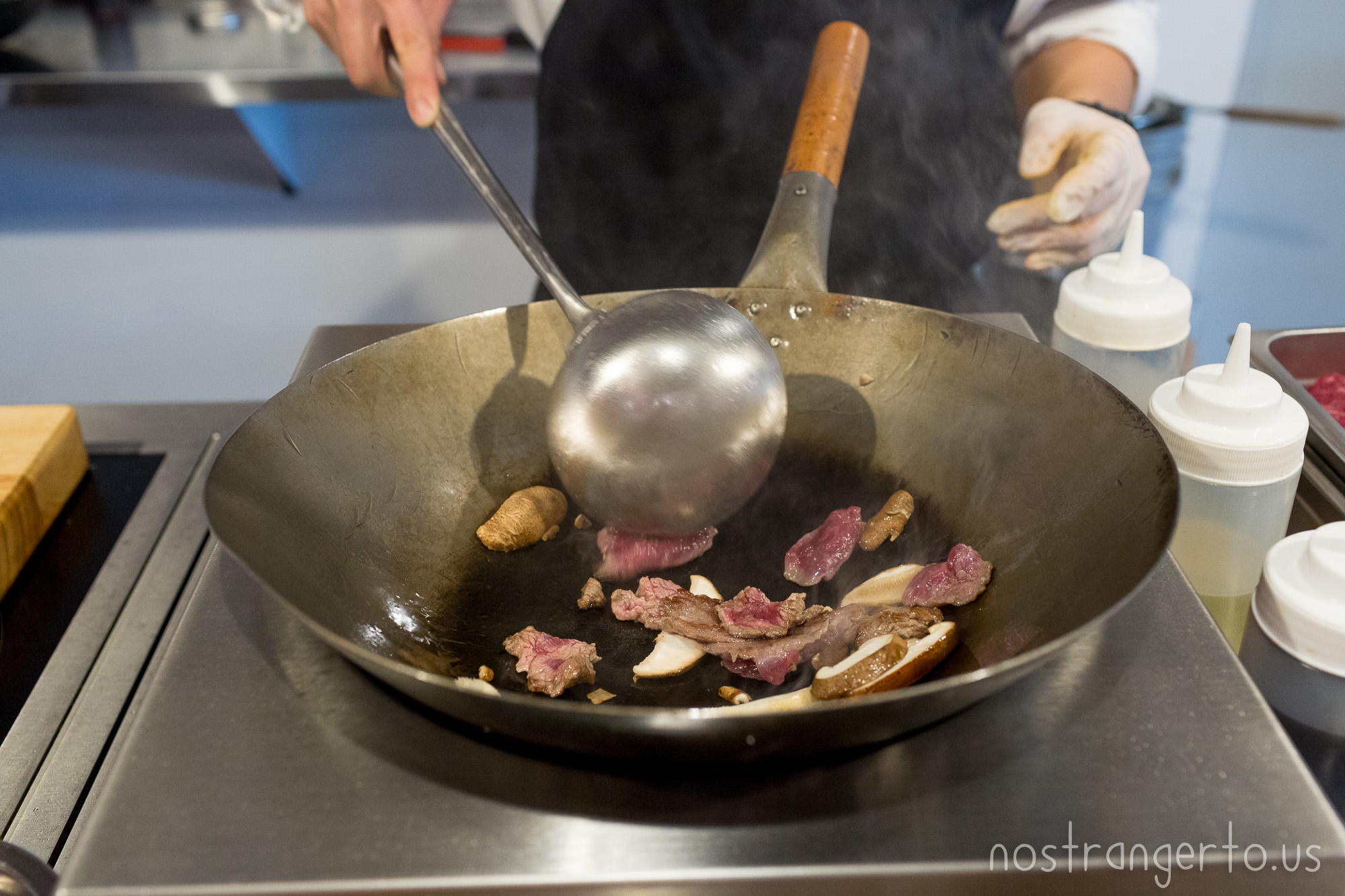
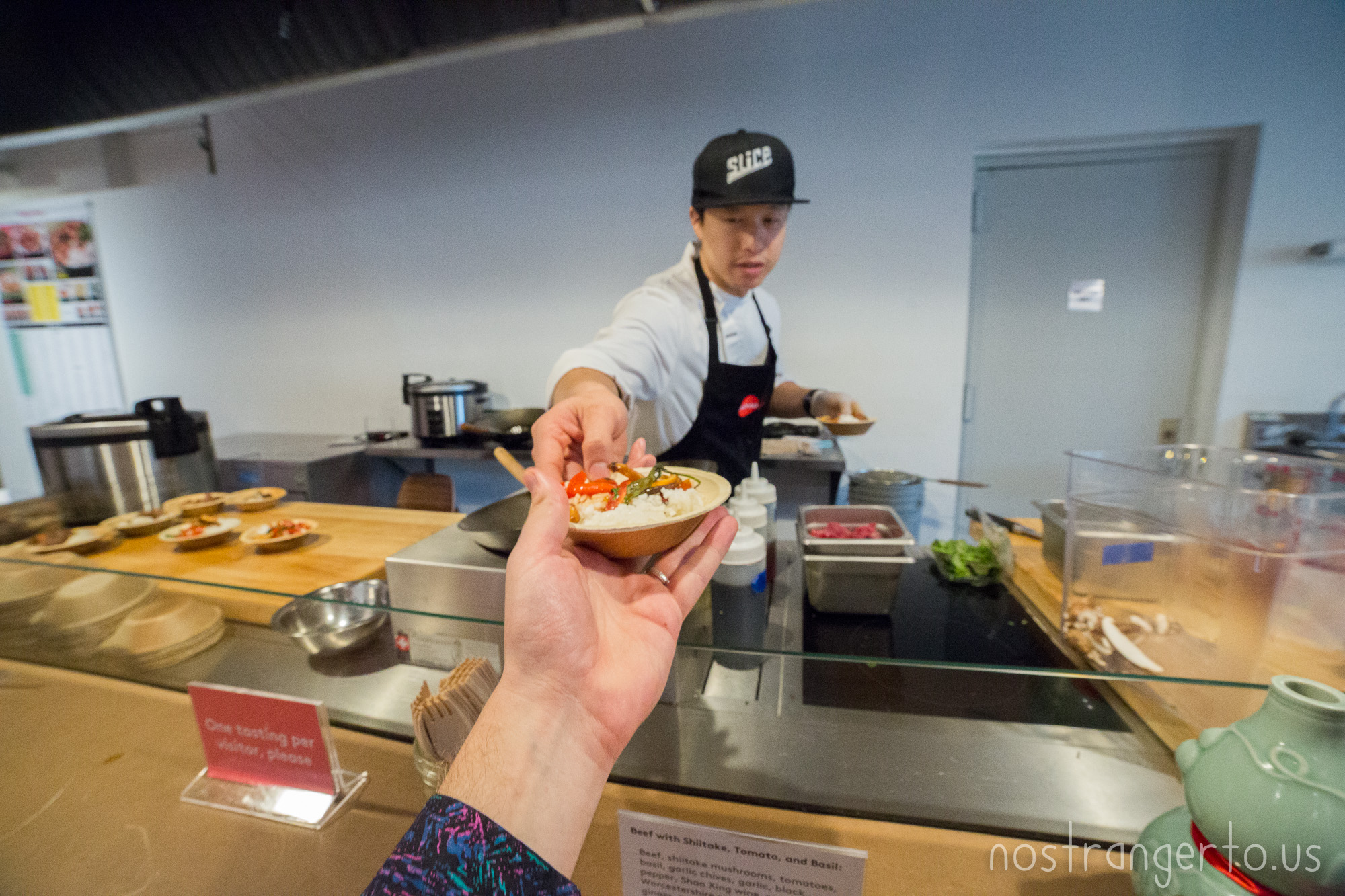
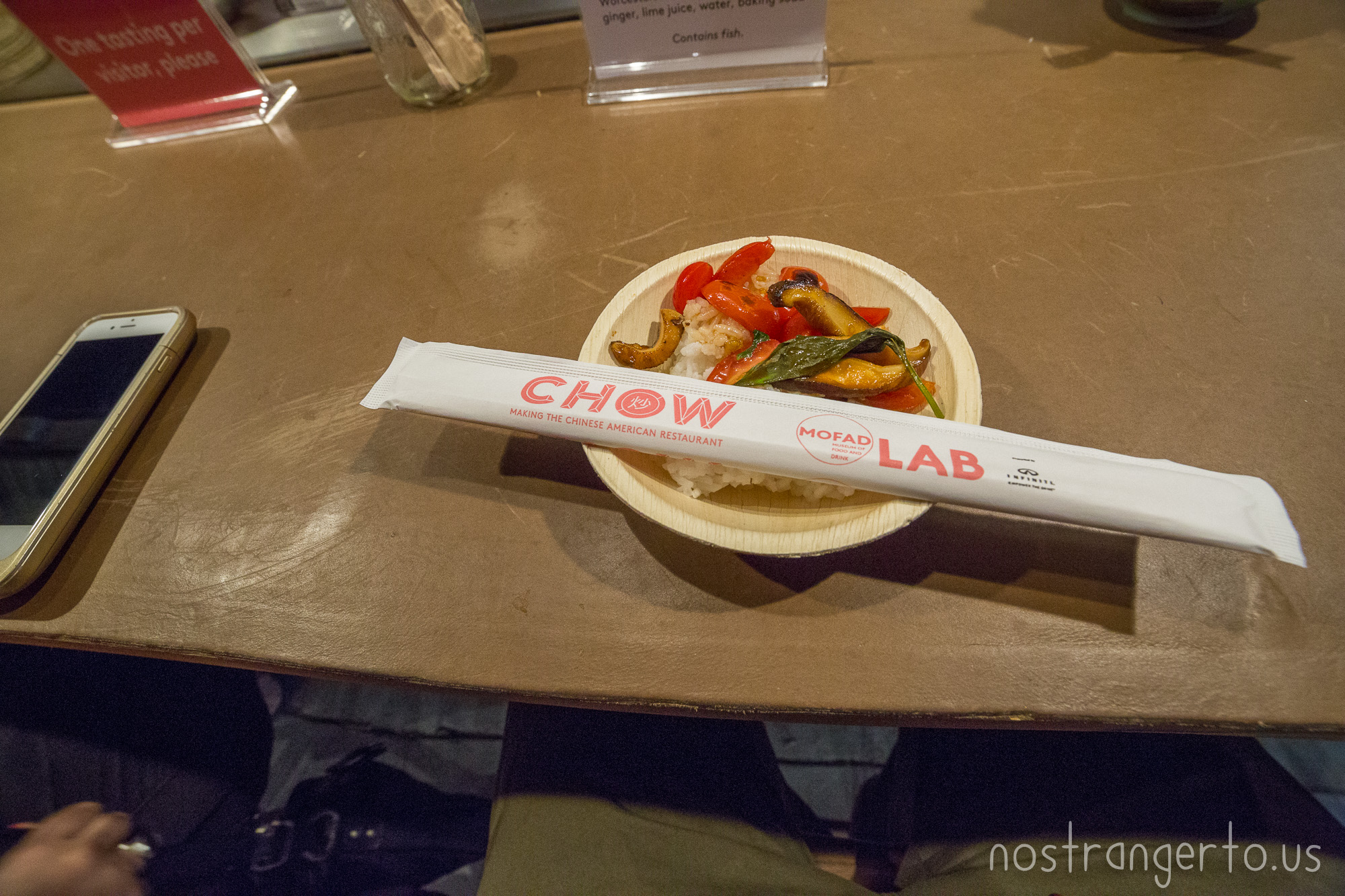
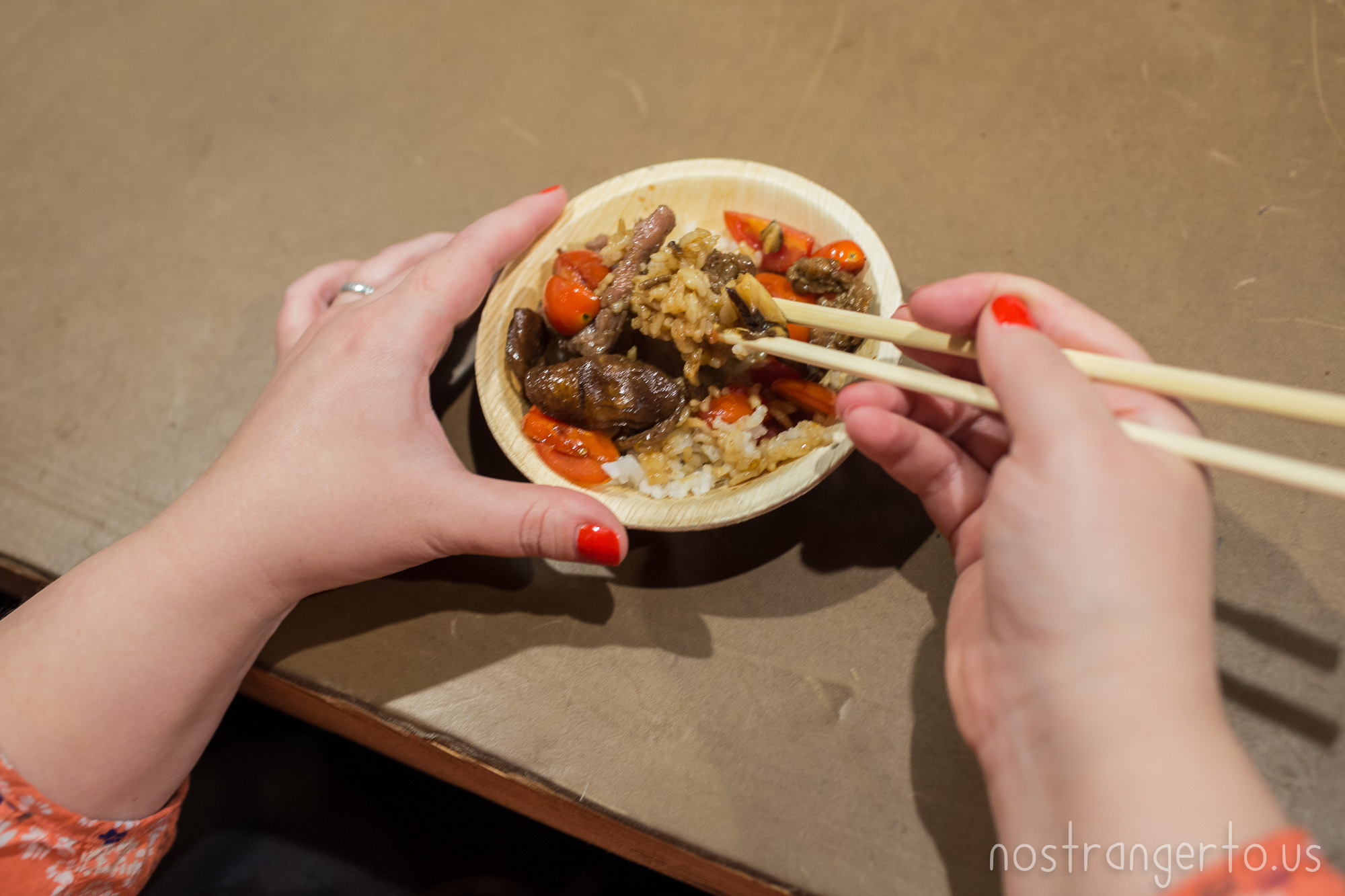

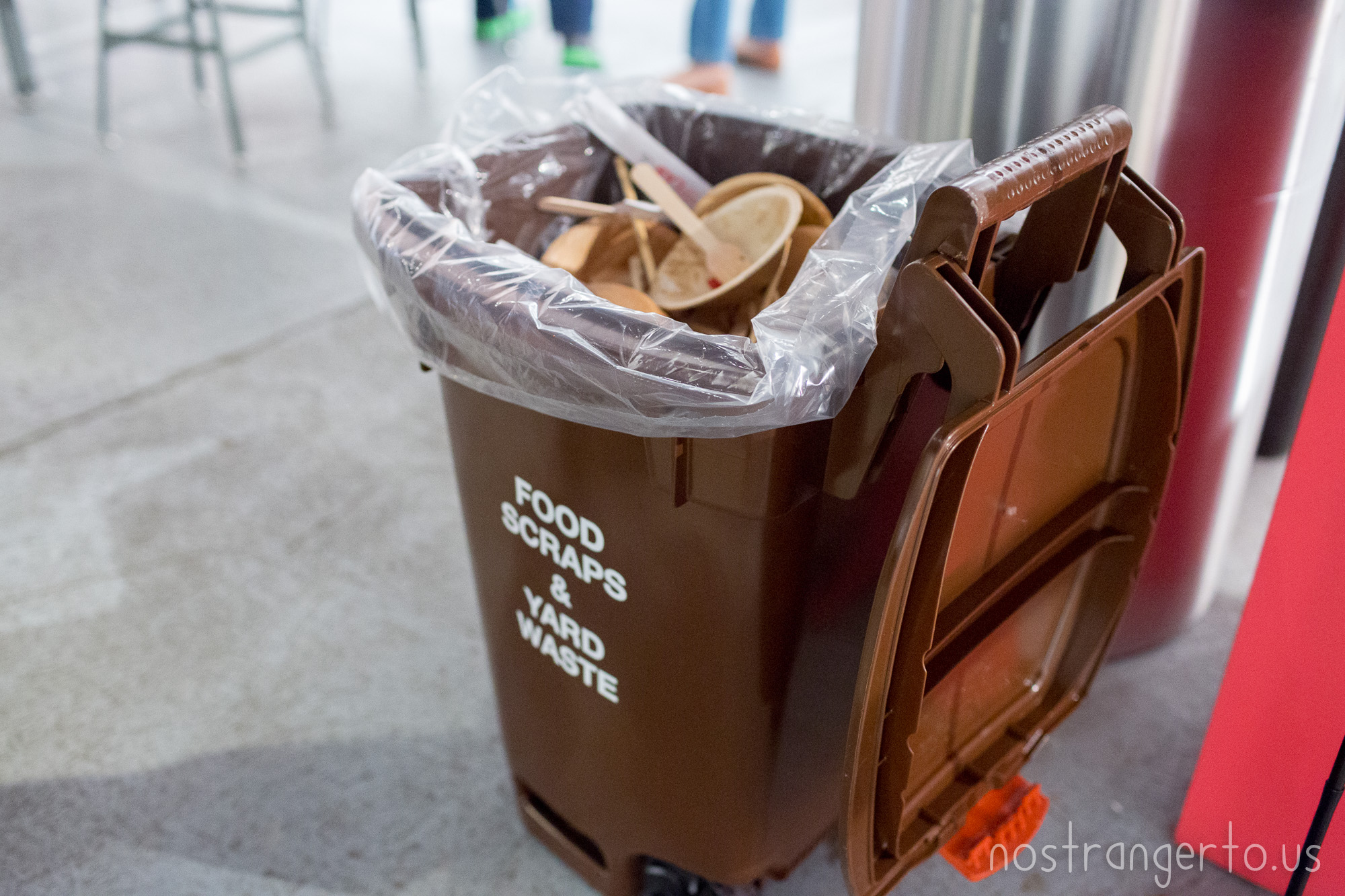
Our favorite part of the exhibit was the Chinese food tasting from a professional food consultant. The custom printed chopsticks were a nice touch. We also loved that the bamboo bowls were biodegradable and they use NYC Dept of Sanitation’s new curbside organics collection bin to collect food waste.
This might be a small museum but it packs a lot of history, fragrance, and flavor!
P.S. Demonstrous Productions helped them out with a fundraising video, they deserve a bigger space!
The post Chowing on Chinese food at the Museum of Food and Drink appeared first on No Stranger to Us.
]]>Deprecated: Creation of dynamic property WP_Term::$cat_ID is deprecated in /homepages/20/d390878058/htdocs/nostranger/home/wp-includes/category.php on line 378
Deprecated: Creation of dynamic property WP_Term::$category_count is deprecated in /homepages/20/d390878058/htdocs/nostranger/home/wp-includes/category.php on line 379
Deprecated: Creation of dynamic property WP_Term::$category_description is deprecated in /homepages/20/d390878058/htdocs/nostranger/home/wp-includes/category.php on line 380
Deprecated: Creation of dynamic property WP_Term::$cat_name is deprecated in /homepages/20/d390878058/htdocs/nostranger/home/wp-includes/category.php on line 381
Deprecated: Creation of dynamic property WP_Term::$category_nicename is deprecated in /homepages/20/d390878058/htdocs/nostranger/home/wp-includes/category.php on line 382
Deprecated: Creation of dynamic property WP_Term::$category_parent is deprecated in /homepages/20/d390878058/htdocs/nostranger/home/wp-includes/category.php on line 383
Deprecated: Creation of dynamic property WP_Term::$cat_ID is deprecated in /homepages/20/d390878058/htdocs/nostranger/home/wp-includes/category.php on line 378
Deprecated: Creation of dynamic property WP_Term::$category_count is deprecated in /homepages/20/d390878058/htdocs/nostranger/home/wp-includes/category.php on line 379
Deprecated: Creation of dynamic property WP_Term::$category_description is deprecated in /homepages/20/d390878058/htdocs/nostranger/home/wp-includes/category.php on line 380
Deprecated: Creation of dynamic property WP_Term::$cat_name is deprecated in /homepages/20/d390878058/htdocs/nostranger/home/wp-includes/category.php on line 381
Deprecated: Creation of dynamic property WP_Term::$category_nicename is deprecated in /homepages/20/d390878058/htdocs/nostranger/home/wp-includes/category.php on line 382
Deprecated: Creation of dynamic property WP_Term::$category_parent is deprecated in /homepages/20/d390878058/htdocs/nostranger/home/wp-includes/category.php on line 383
Deprecated: Creation of dynamic property WP_Term::$cat_ID is deprecated in /homepages/20/d390878058/htdocs/nostranger/home/wp-includes/category.php on line 378
Deprecated: Creation of dynamic property WP_Term::$category_count is deprecated in /homepages/20/d390878058/htdocs/nostranger/home/wp-includes/category.php on line 379
Deprecated: Creation of dynamic property WP_Term::$category_description is deprecated in /homepages/20/d390878058/htdocs/nostranger/home/wp-includes/category.php on line 380
Deprecated: Creation of dynamic property WP_Term::$cat_name is deprecated in /homepages/20/d390878058/htdocs/nostranger/home/wp-includes/category.php on line 381
Deprecated: Creation of dynamic property WP_Term::$category_nicename is deprecated in /homepages/20/d390878058/htdocs/nostranger/home/wp-includes/category.php on line 382
Deprecated: Creation of dynamic property WP_Term::$category_parent is deprecated in /homepages/20/d390878058/htdocs/nostranger/home/wp-includes/category.php on line 383
The post Historic Outing | Old Dutch Flatlands Reformed Church Cemetery appeared first on No Stranger to Us.
]]>
Reformed Church Cemetery History
The Flatlands Reformed Church was established in 1654, and this greek revival style church building was built in 1848. The Dutch Reformed Church was formed in the Protestant Reformation, its first church (now called the Marble Collegiate Church) in the Americas was in New Amsterdam, now Manhattan.
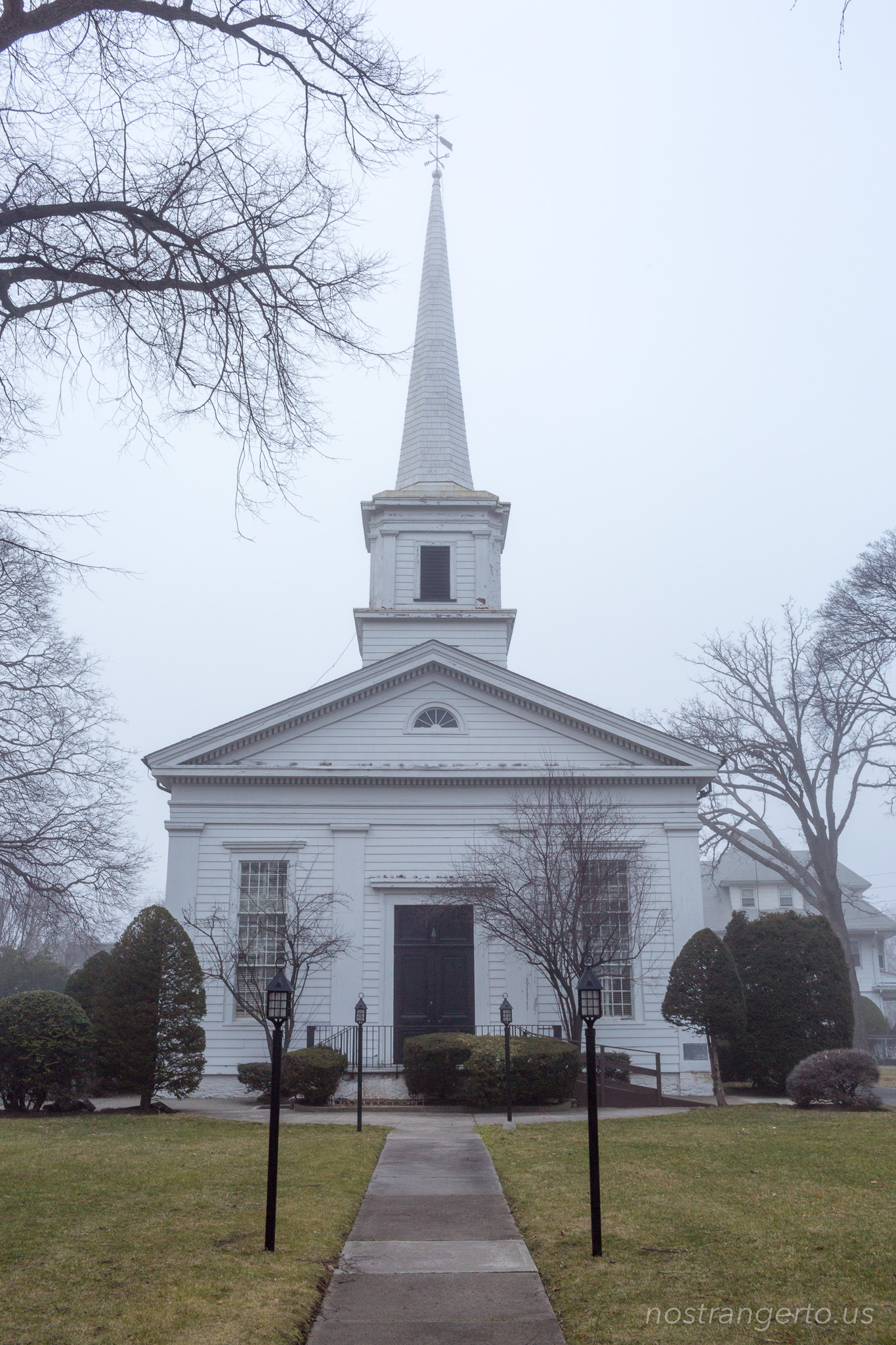
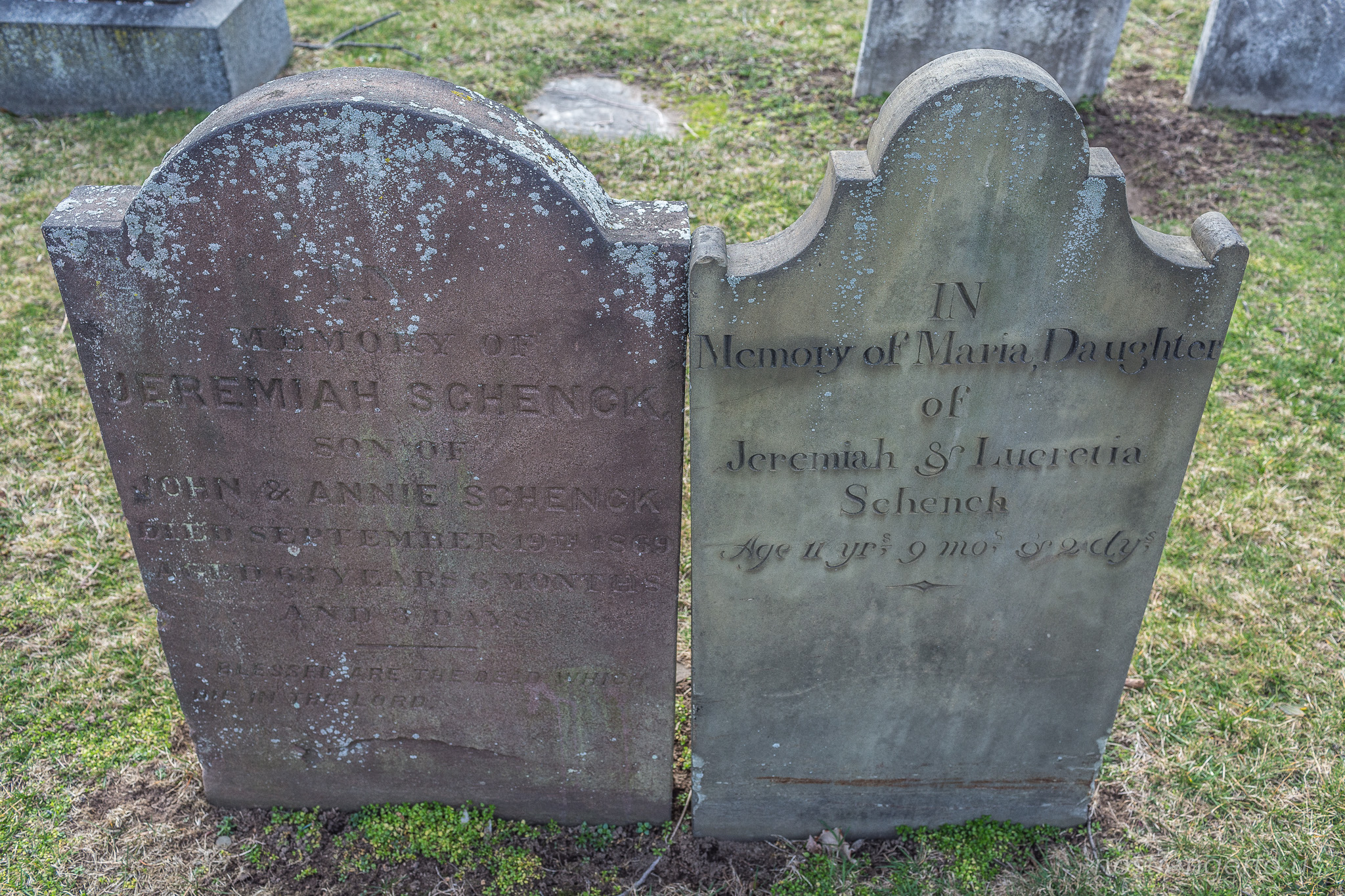
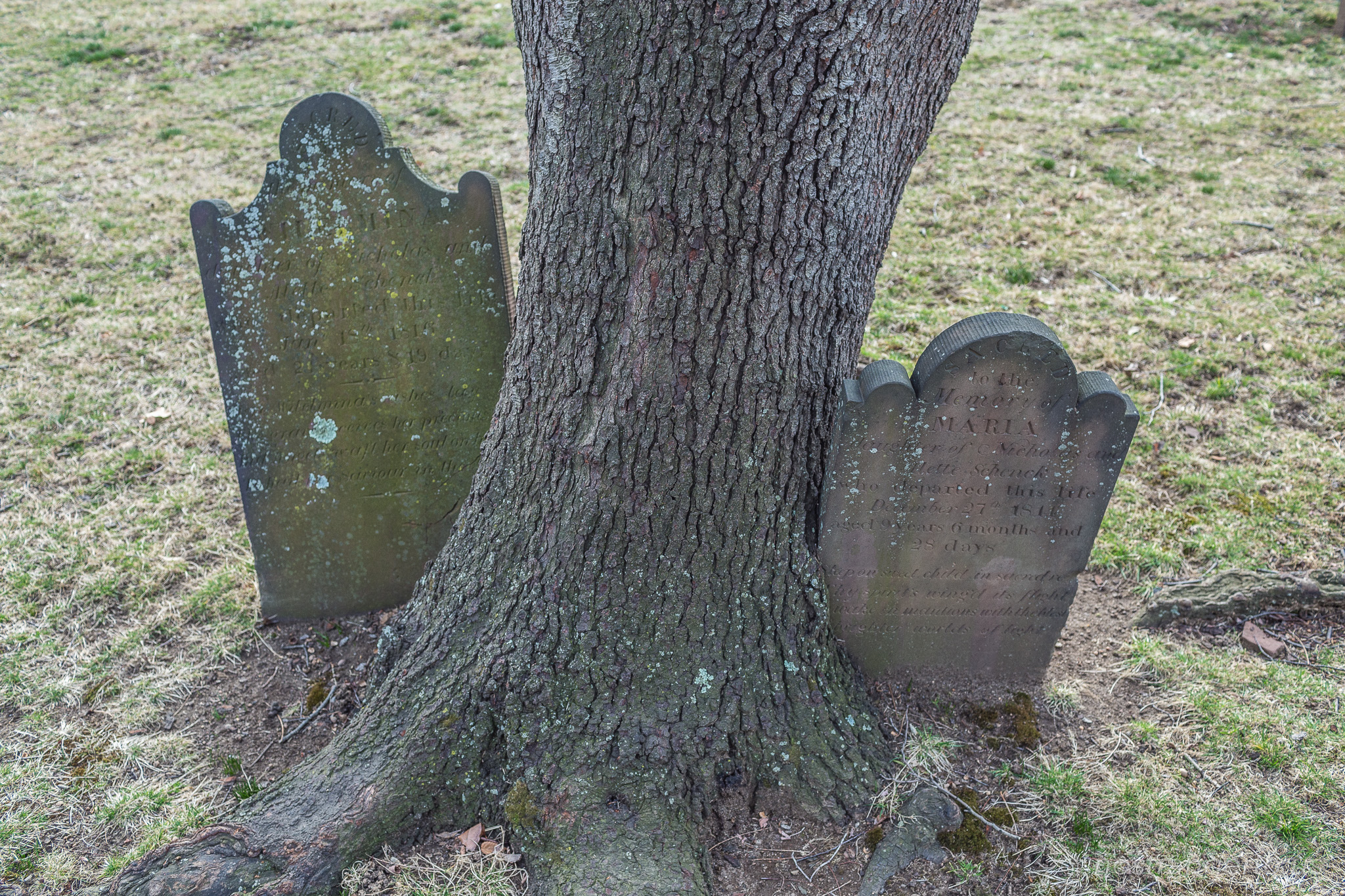
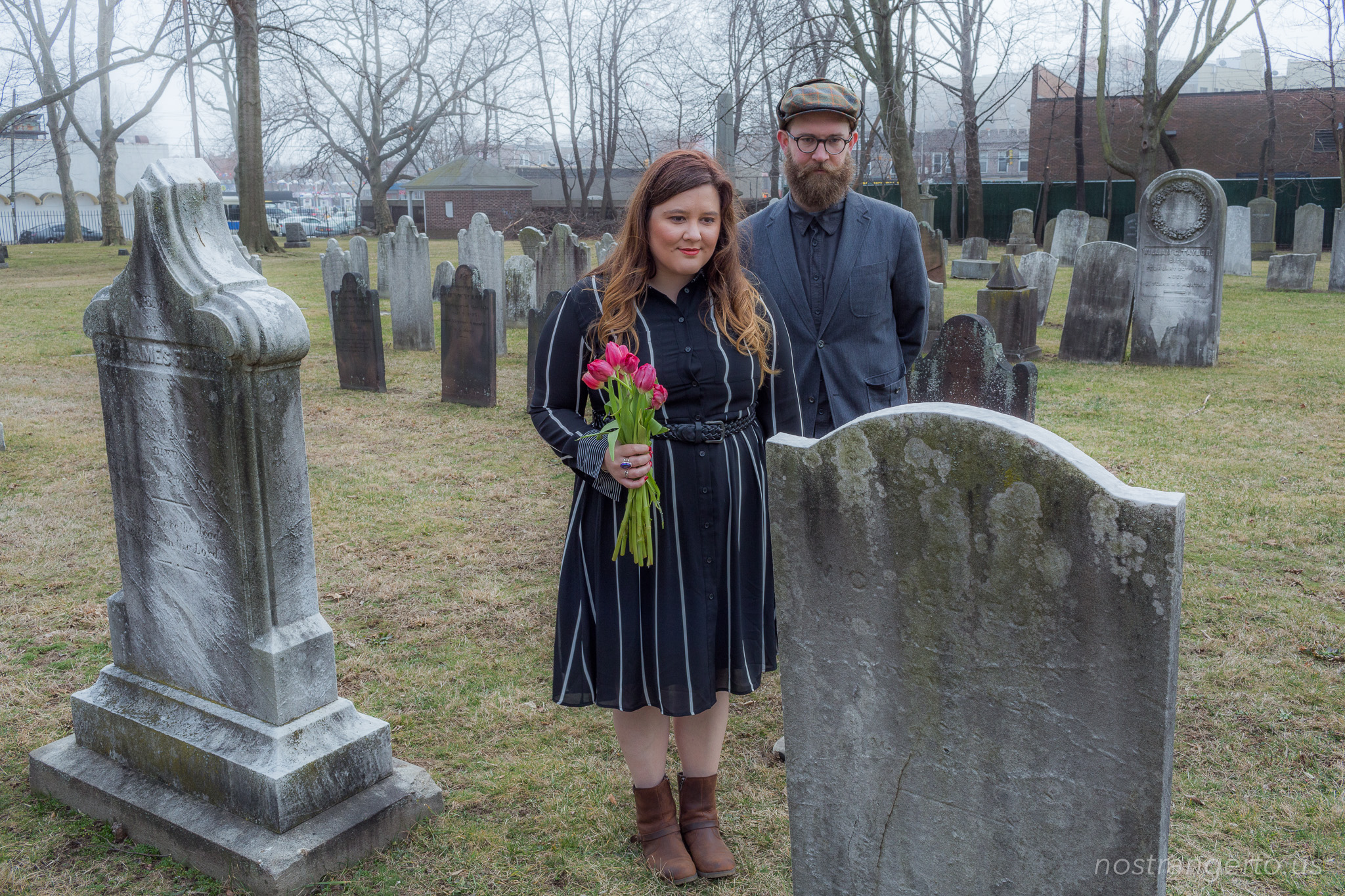
We brought tulips to the church cemetery since they are often associated with the Dutch. While researching this post I discovered that the association has everything to do with a historical event called Tulip Mania. It is the story of the first known economic bubbles, when the price of tulip bulbs became unsustainable in the Dutch market. This occurred during the Dutch Golden Age (1568–1648) in 1636, this church was founded less than 20 years later.
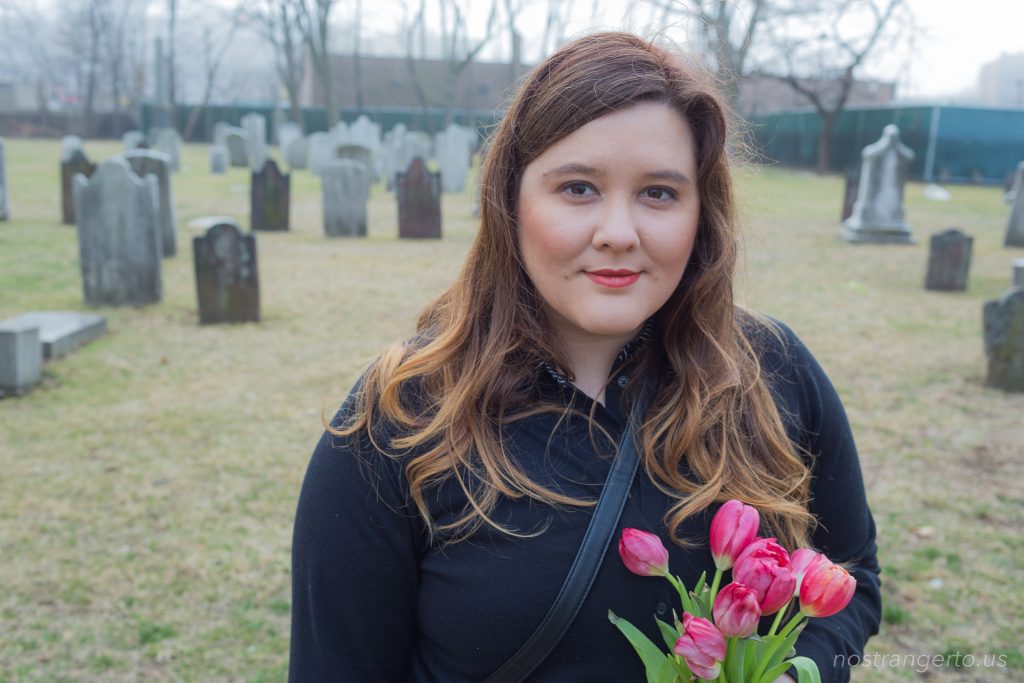 A spooky mist rolled through the graveyard while we were there.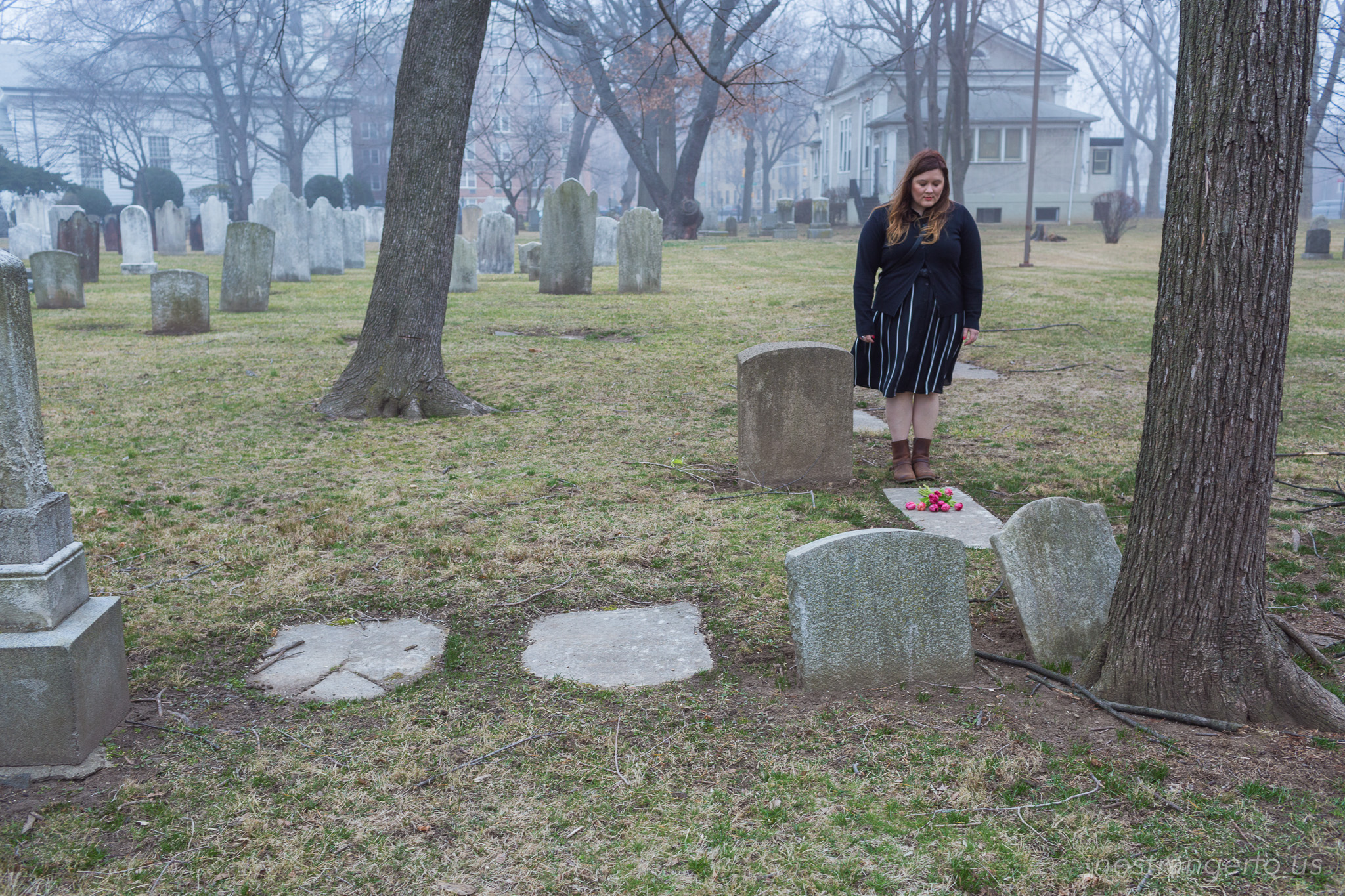
Reflections on American History
It is tragic when memorial sites are desecrated like those in a Jewish cemetery in Philadelphia this week. This kind of religious persecution is why so many Europeans came to the New World in the 17th century. America was for centuries the land of opportunity and freedom, now it is beginning to look like so many other failed states that no longer protect their most vulnerable citizens.
Having a claim to three centuries of ancestry in the United States does not give one the cultural claim to this country. Escaping oppression is often the burden of the oppressed, yet we also must all overcome the desire to become oppressors.
“Those who cannot remember the past are condemned to repeat it.” – George Santayana
History repeats itself regardless of our memory, often by those who studied it the hardest. They are the scratch in the record that we refuse to take off the turntable. It’s time to make new music.
The post Historic Outing | Old Dutch Flatlands Reformed Church Cemetery appeared first on No Stranger to Us.
]]>Deprecated: Creation of dynamic property WP_Term::$cat_ID is deprecated in /homepages/20/d390878058/htdocs/nostranger/home/wp-includes/category.php on line 378
Deprecated: Creation of dynamic property WP_Term::$category_count is deprecated in /homepages/20/d390878058/htdocs/nostranger/home/wp-includes/category.php on line 379
Deprecated: Creation of dynamic property WP_Term::$category_description is deprecated in /homepages/20/d390878058/htdocs/nostranger/home/wp-includes/category.php on line 380
Deprecated: Creation of dynamic property WP_Term::$cat_name is deprecated in /homepages/20/d390878058/htdocs/nostranger/home/wp-includes/category.php on line 381
Deprecated: Creation of dynamic property WP_Term::$category_nicename is deprecated in /homepages/20/d390878058/htdocs/nostranger/home/wp-includes/category.php on line 382
Deprecated: Creation of dynamic property WP_Term::$category_parent is deprecated in /homepages/20/d390878058/htdocs/nostranger/home/wp-includes/category.php on line 383
Deprecated: Creation of dynamic property WP_Term::$cat_ID is deprecated in /homepages/20/d390878058/htdocs/nostranger/home/wp-includes/category.php on line 378
Deprecated: Creation of dynamic property WP_Term::$category_count is deprecated in /homepages/20/d390878058/htdocs/nostranger/home/wp-includes/category.php on line 379
Deprecated: Creation of dynamic property WP_Term::$category_description is deprecated in /homepages/20/d390878058/htdocs/nostranger/home/wp-includes/category.php on line 380
Deprecated: Creation of dynamic property WP_Term::$cat_name is deprecated in /homepages/20/d390878058/htdocs/nostranger/home/wp-includes/category.php on line 381
Deprecated: Creation of dynamic property WP_Term::$category_nicename is deprecated in /homepages/20/d390878058/htdocs/nostranger/home/wp-includes/category.php on line 382
Deprecated: Creation of dynamic property WP_Term::$category_parent is deprecated in /homepages/20/d390878058/htdocs/nostranger/home/wp-includes/category.php on line 383
Deprecated: Creation of dynamic property WP_Term::$cat_ID is deprecated in /homepages/20/d390878058/htdocs/nostranger/home/wp-includes/category.php on line 378
Deprecated: Creation of dynamic property WP_Term::$category_count is deprecated in /homepages/20/d390878058/htdocs/nostranger/home/wp-includes/category.php on line 379
Deprecated: Creation of dynamic property WP_Term::$category_description is deprecated in /homepages/20/d390878058/htdocs/nostranger/home/wp-includes/category.php on line 380
Deprecated: Creation of dynamic property WP_Term::$cat_name is deprecated in /homepages/20/d390878058/htdocs/nostranger/home/wp-includes/category.php on line 381
Deprecated: Creation of dynamic property WP_Term::$category_nicename is deprecated in /homepages/20/d390878058/htdocs/nostranger/home/wp-includes/category.php on line 382
Deprecated: Creation of dynamic property WP_Term::$category_parent is deprecated in /homepages/20/d390878058/htdocs/nostranger/home/wp-includes/category.php on line 383
Deprecated: Creation of dynamic property WP_Term::$cat_ID is deprecated in /homepages/20/d390878058/htdocs/nostranger/home/wp-includes/category.php on line 378
Deprecated: Creation of dynamic property WP_Term::$category_count is deprecated in /homepages/20/d390878058/htdocs/nostranger/home/wp-includes/category.php on line 379
Deprecated: Creation of dynamic property WP_Term::$category_description is deprecated in /homepages/20/d390878058/htdocs/nostranger/home/wp-includes/category.php on line 380
Deprecated: Creation of dynamic property WP_Term::$cat_name is deprecated in /homepages/20/d390878058/htdocs/nostranger/home/wp-includes/category.php on line 381
Deprecated: Creation of dynamic property WP_Term::$category_nicename is deprecated in /homepages/20/d390878058/htdocs/nostranger/home/wp-includes/category.php on line 382
Deprecated: Creation of dynamic property WP_Term::$category_parent is deprecated in /homepages/20/d390878058/htdocs/nostranger/home/wp-includes/category.php on line 383
The post Reykjavik, Iceland Trip Part 2 appeared first on No Stranger to Us.
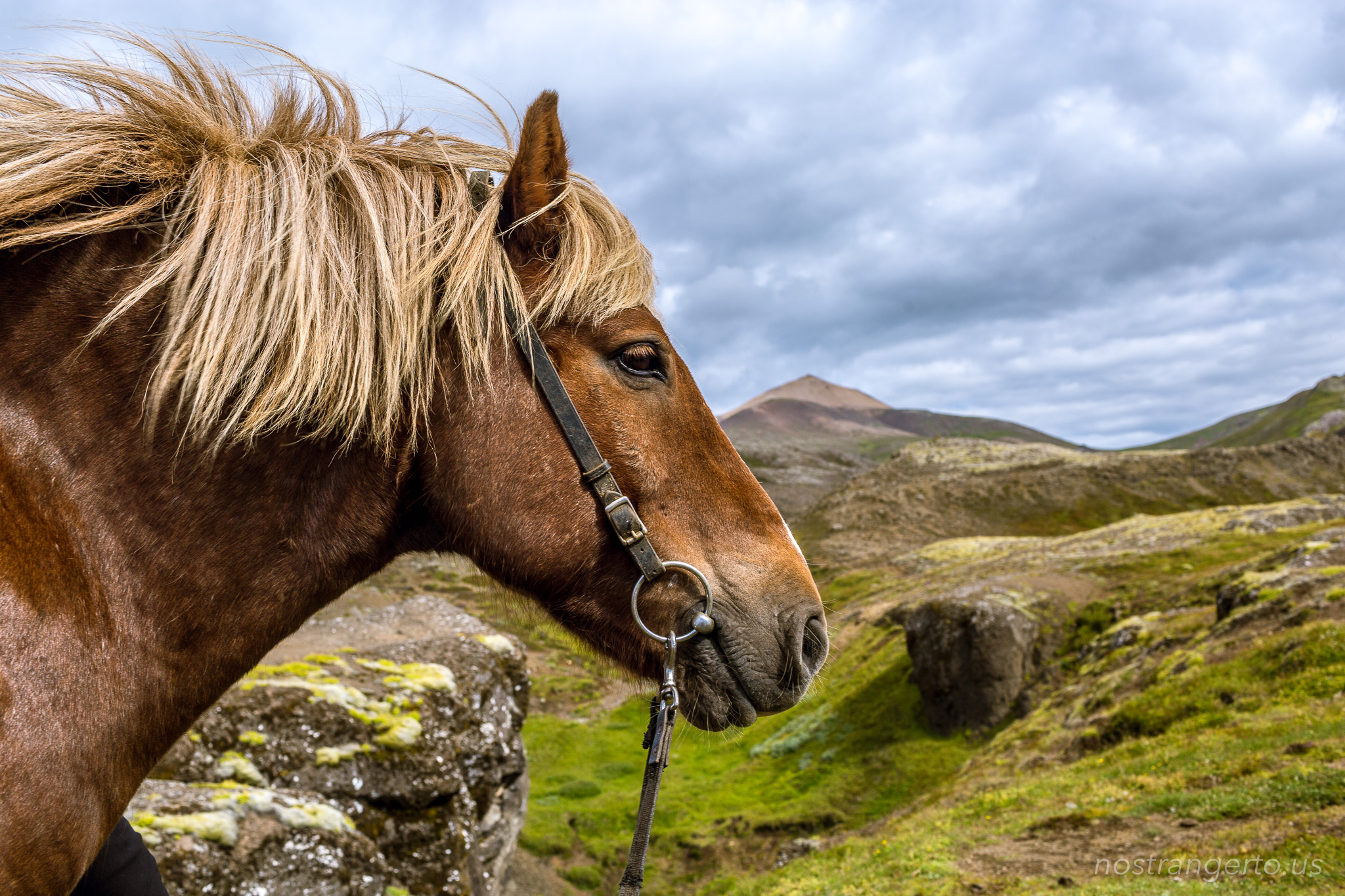
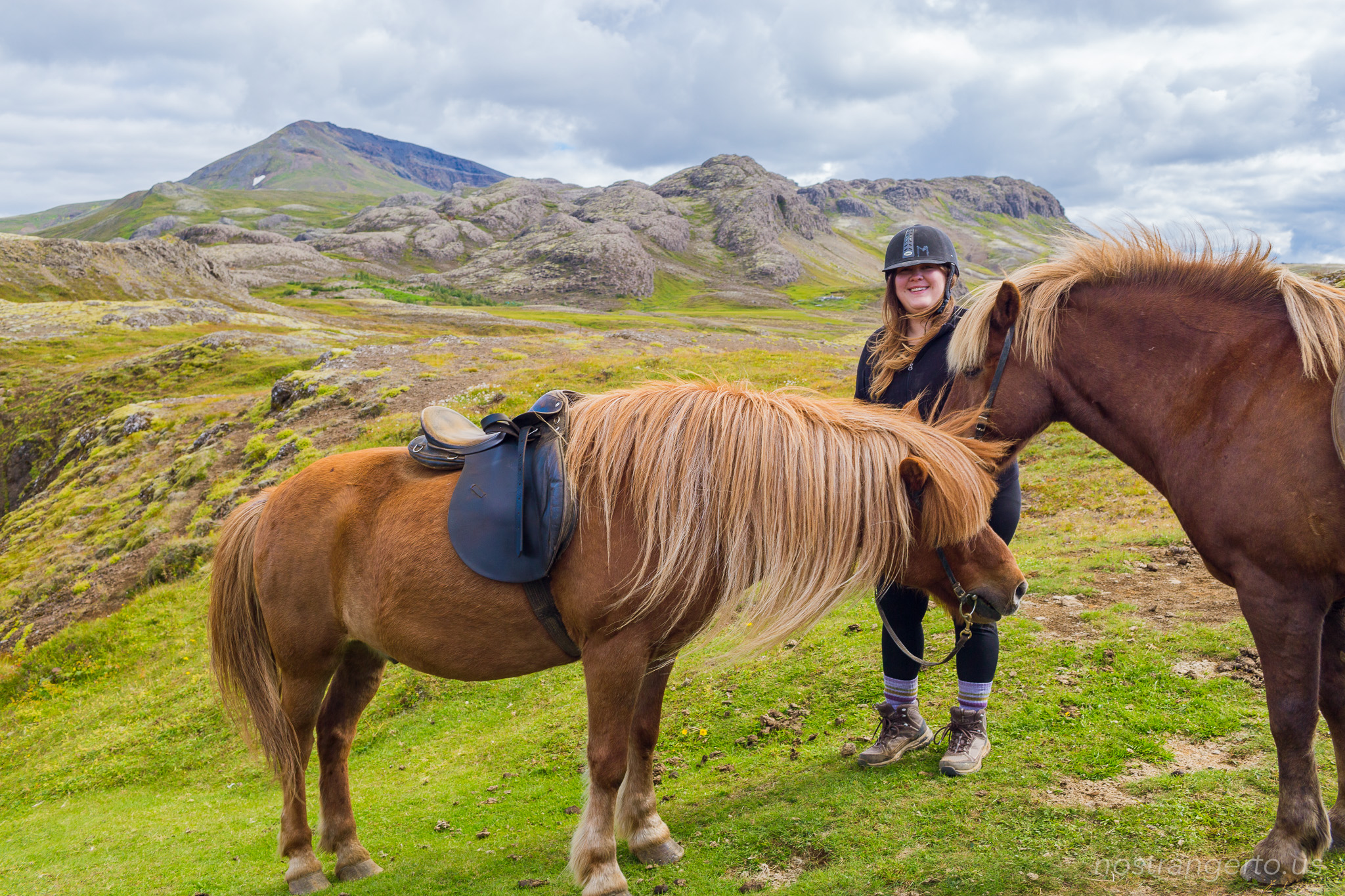
]]>On our fourth day in Iceland we visited the Laxnes Horse Farm just outside of Reykjavik for a two hour horse riding adventure. Laxnes Farm is own and operated by the Jónasson family and they are dedicated to the quality of life of these horses.
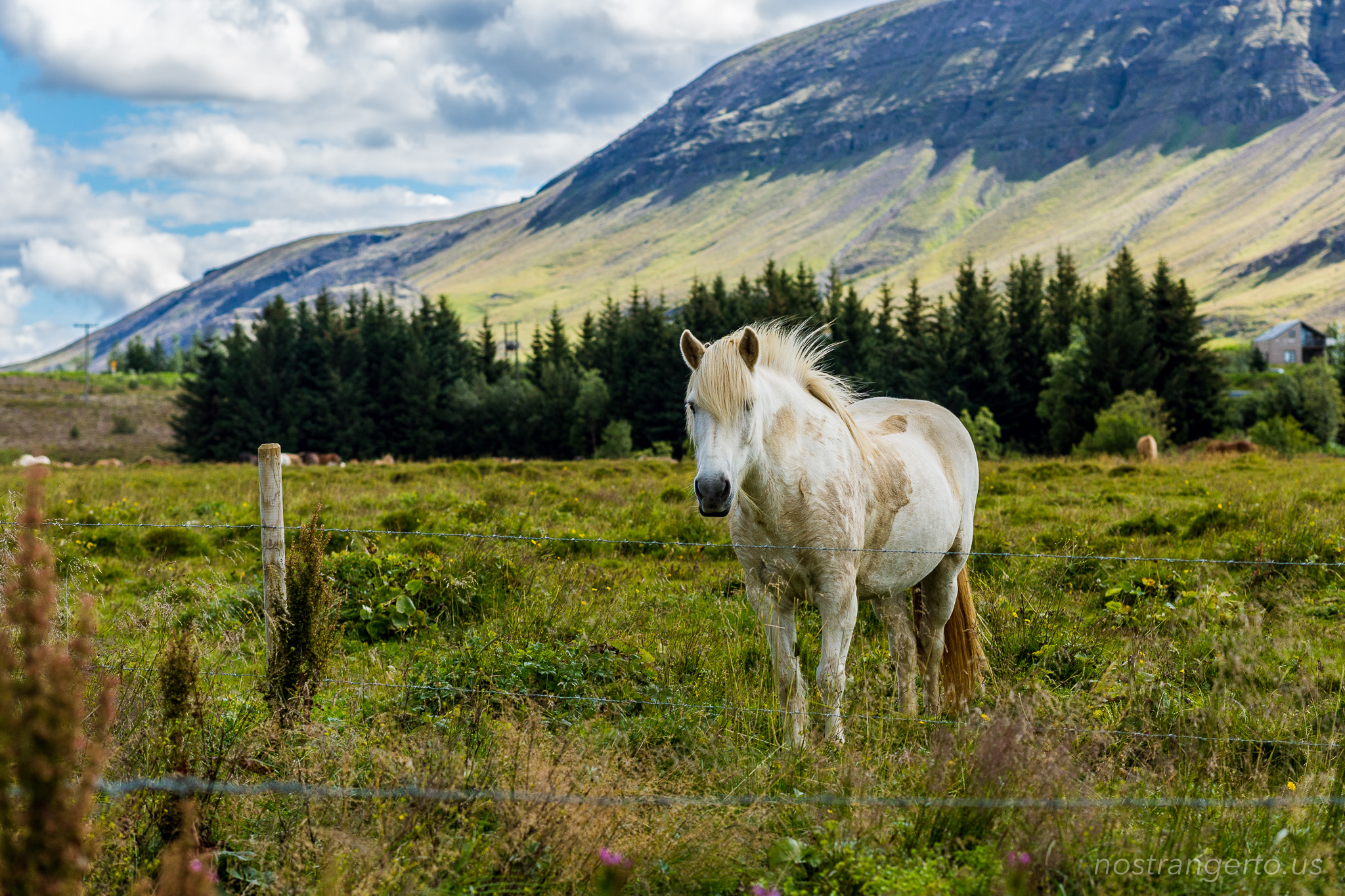
Icelandic horses are characteristically small, stocky, and strong and almost looking like large ponies. All of the horses had course full manes and tails. They are breed with a double coat which keeps them warm during the winter months in Iceland. Many Icelanders credit the horse for the survival of the Icelandic people.
We shared a beautiful ride through the mountains with our horses. Cooper was riding Dreki, which means Dragon, who was super chill.
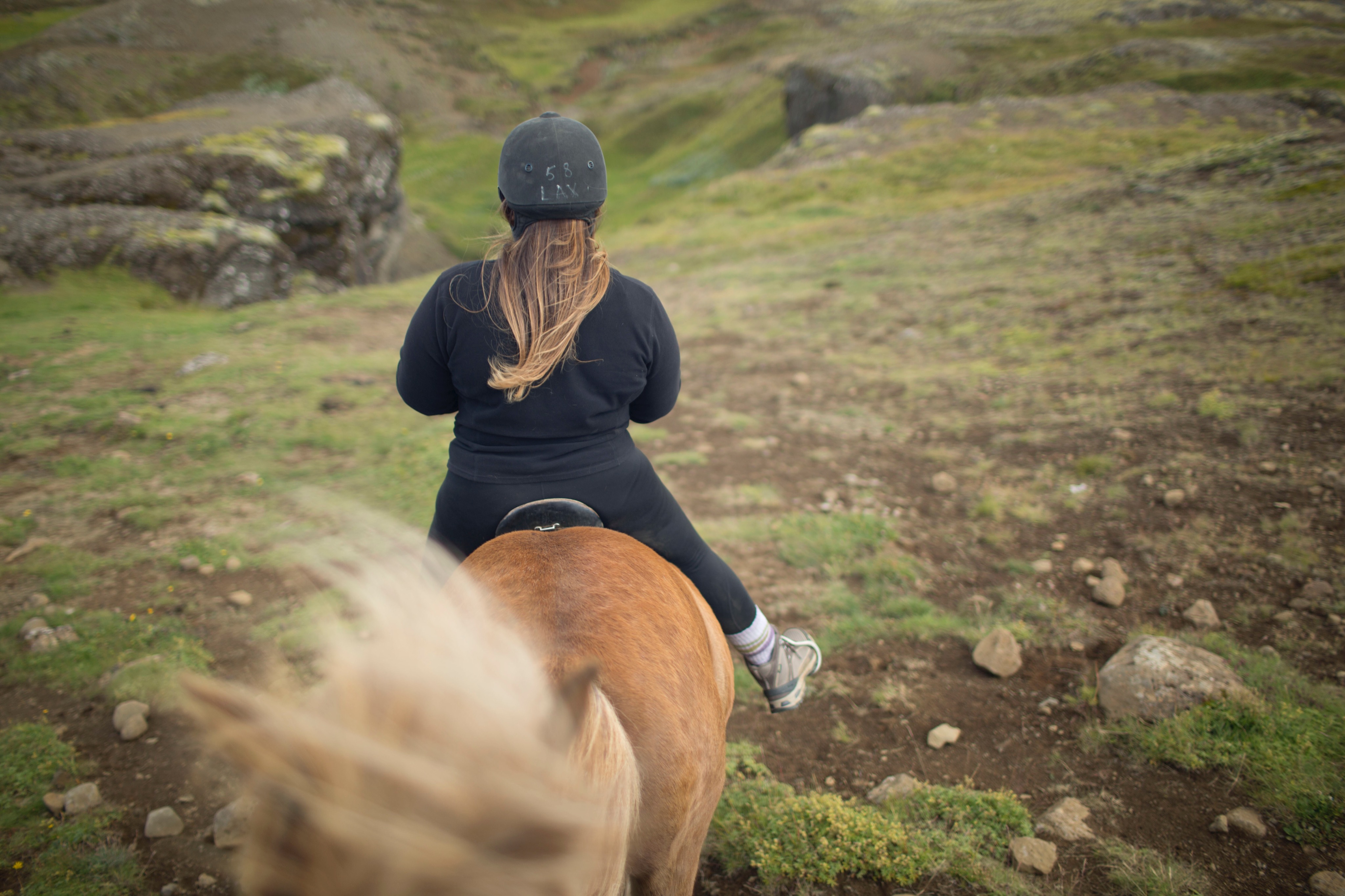
Juliette riding her horse stjörnu (Star)
Day 5 – Journey Into A Glacier
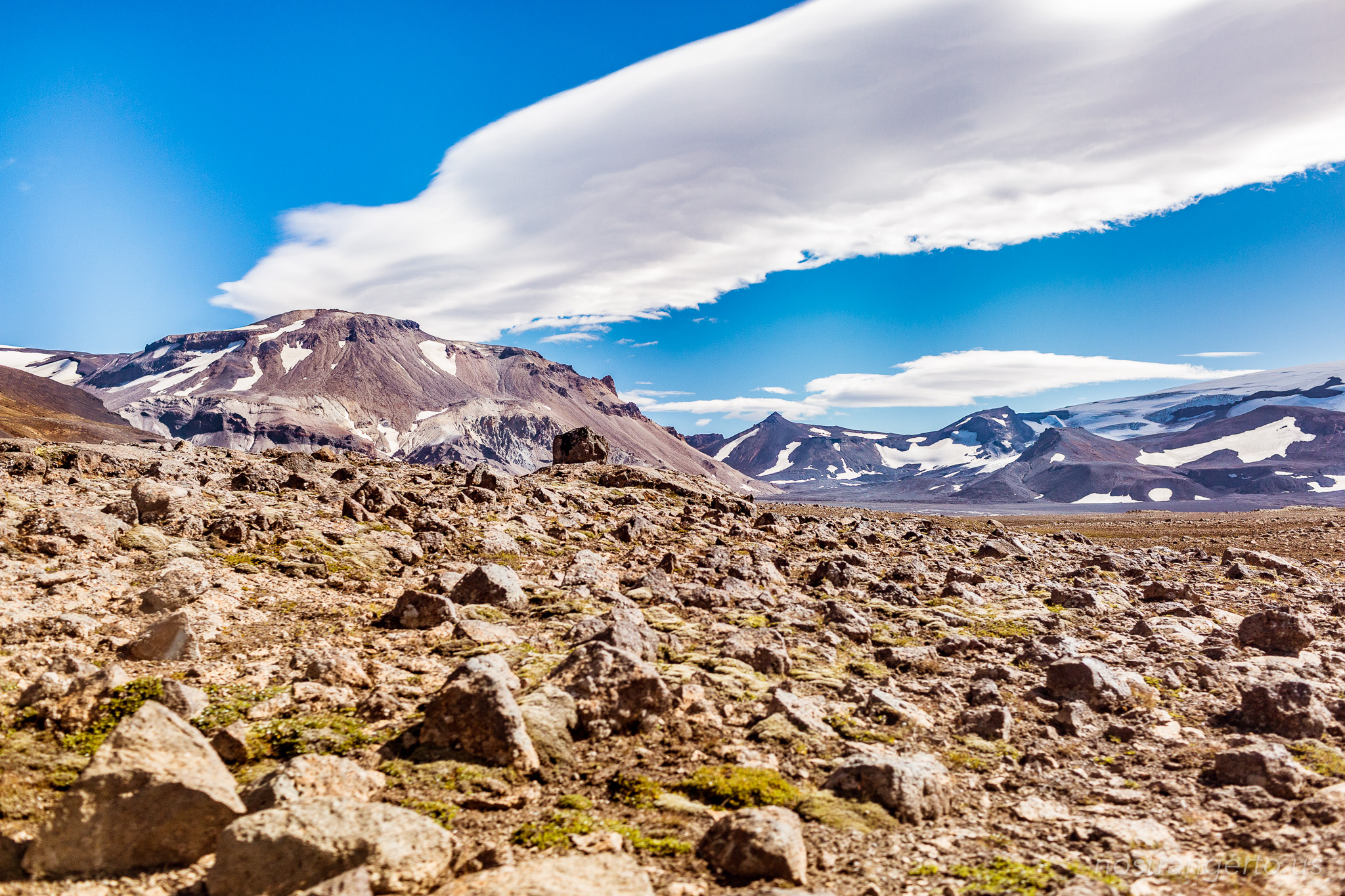
This unique tour took us to the north, our GPS sent us through a “shortcut” that turned out to be a 3 hour drive on a gravel road. It was a beautifully bleak route with occasional boulders blocking our path. We were a bit concerned that our rental car wouldn’t survive the trip! Later, we found out the landscape we traveled through is called the “cold valley” and it was where outlaws and murders were sent as punishment. If they could survive 3 years out there they were allowed to return to the community. Think about that: 3 years out there is either a life sentence or the death penalty depending on how you fair.
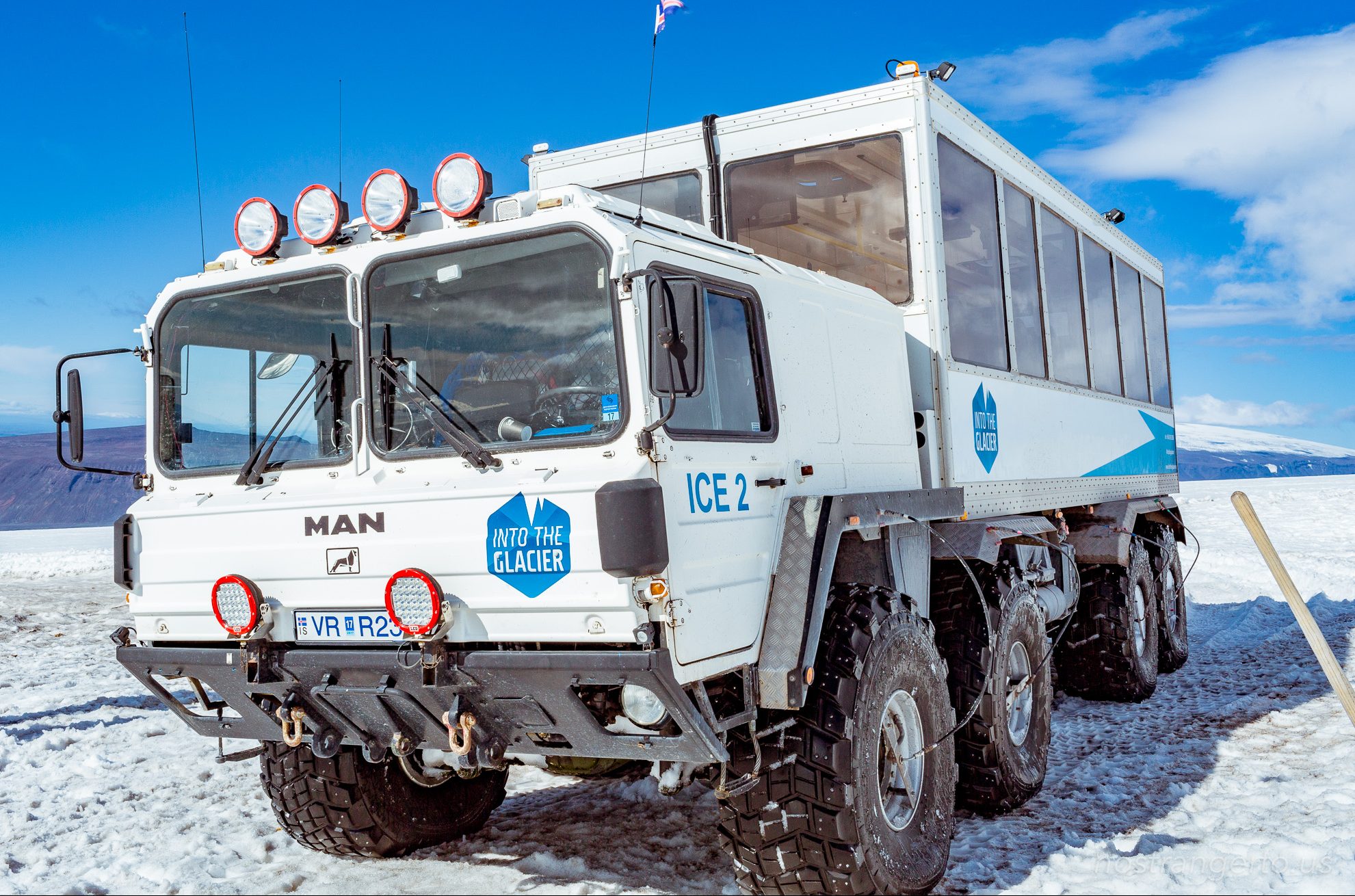
When we arrived we got in a special retired NATO vehicle that was designed to carry missiles. This missile transporter now transports tourist over glaciers to show them the danger of global warming. Did you notice the pneumatic hoses leading to each tire? Believe it or not the driver is able to control the inflation of each wheel with a tablet interface to regulate the tire traction with the glacier ice. Which means at certain moments of our trek we were quite literally gliding along the snow and ice of the glacier #intotheglacier
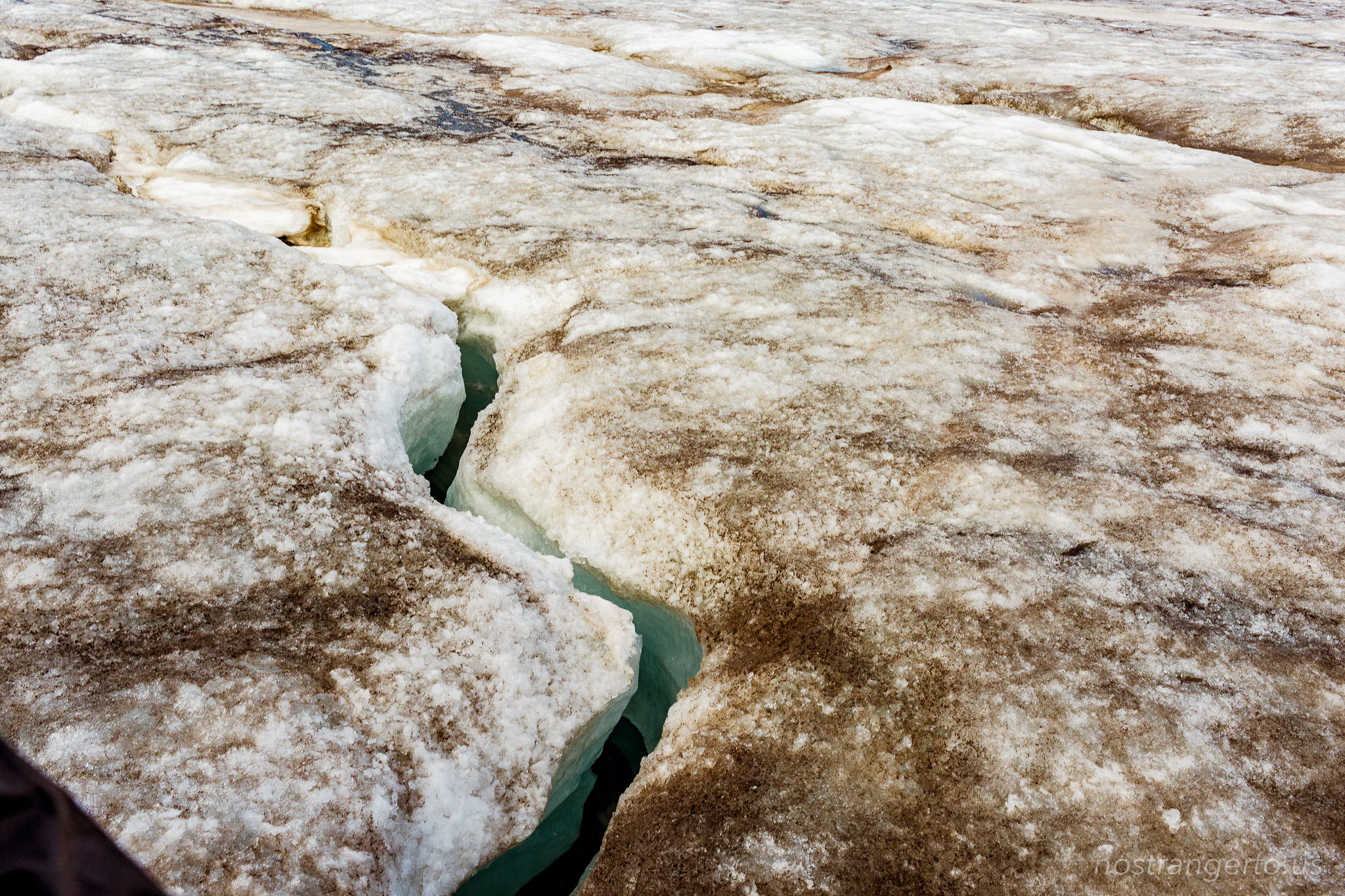
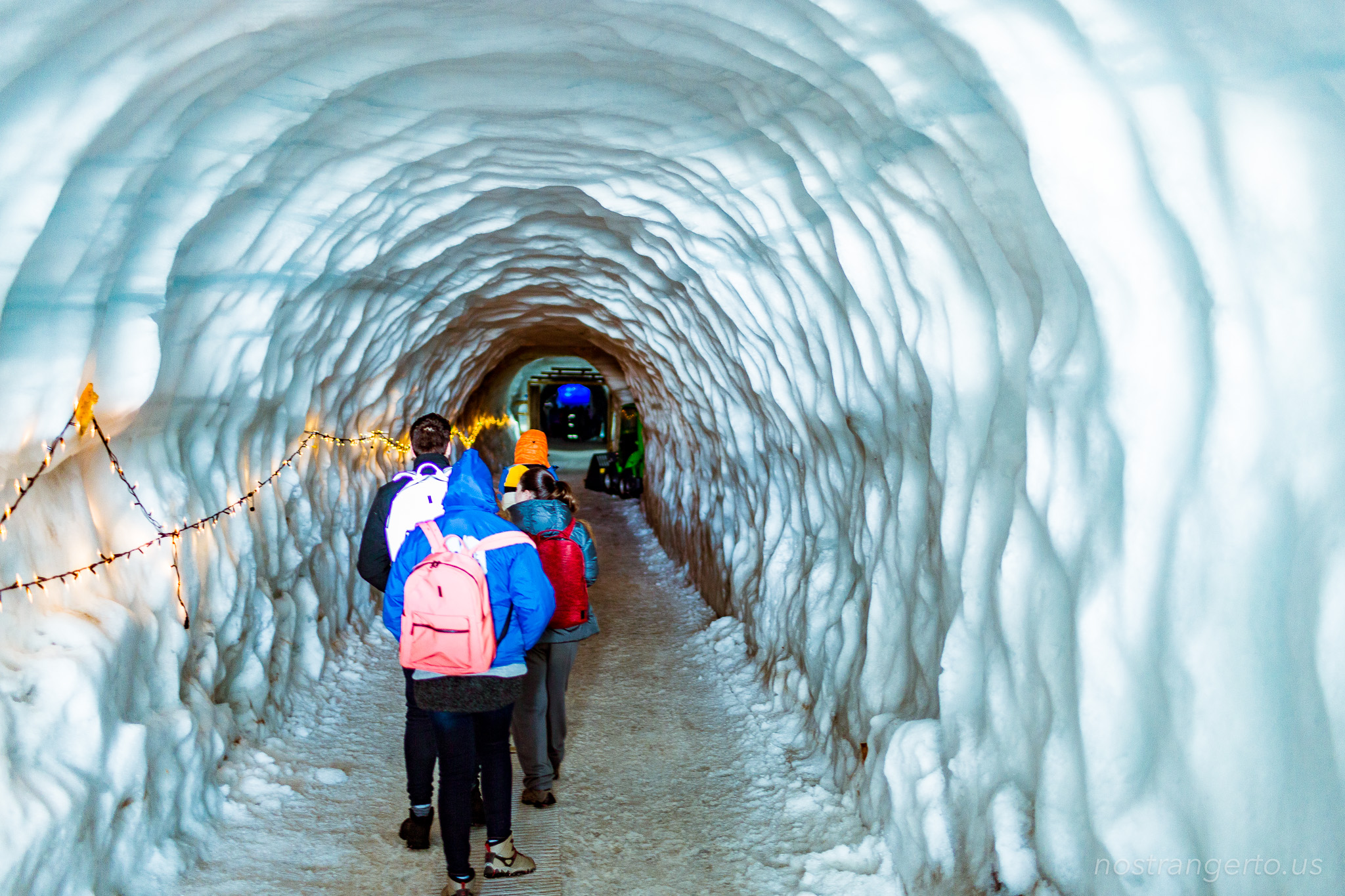
We were on top of the Langjokull, the second largest in Europe. At the top we came upon an entrance to the largest man-made ice tunnel structure of its kind. Inside we learned that 80% of Iceland’s water comes from glacier and about 60% of the U.S. water comes from glacial sources. The glaciologists estimate we only have 100 more years of glaciers on this planet due to the warming of the atmosphere. They also told us that this glacier may completely melt away in 50 years.
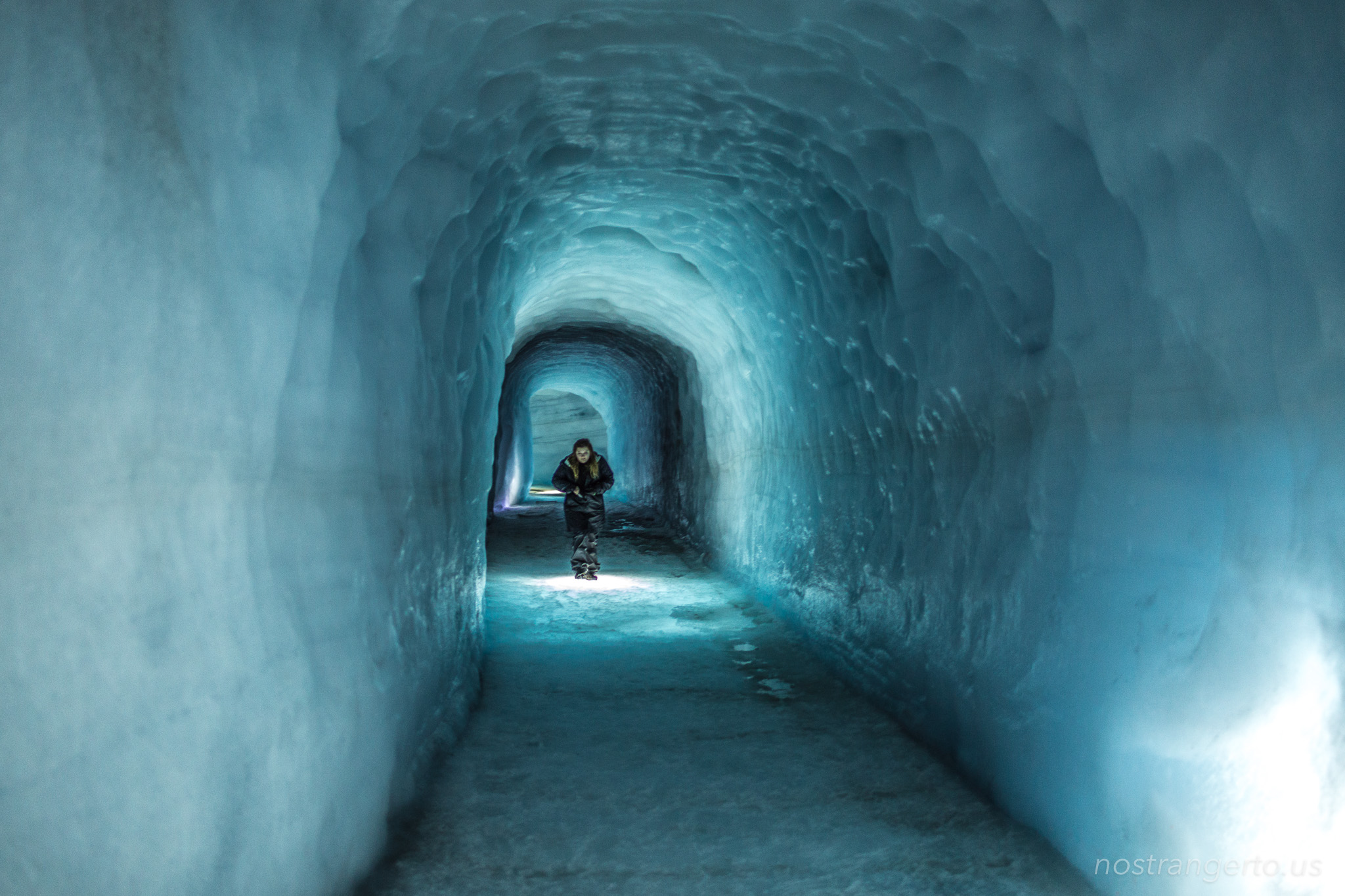
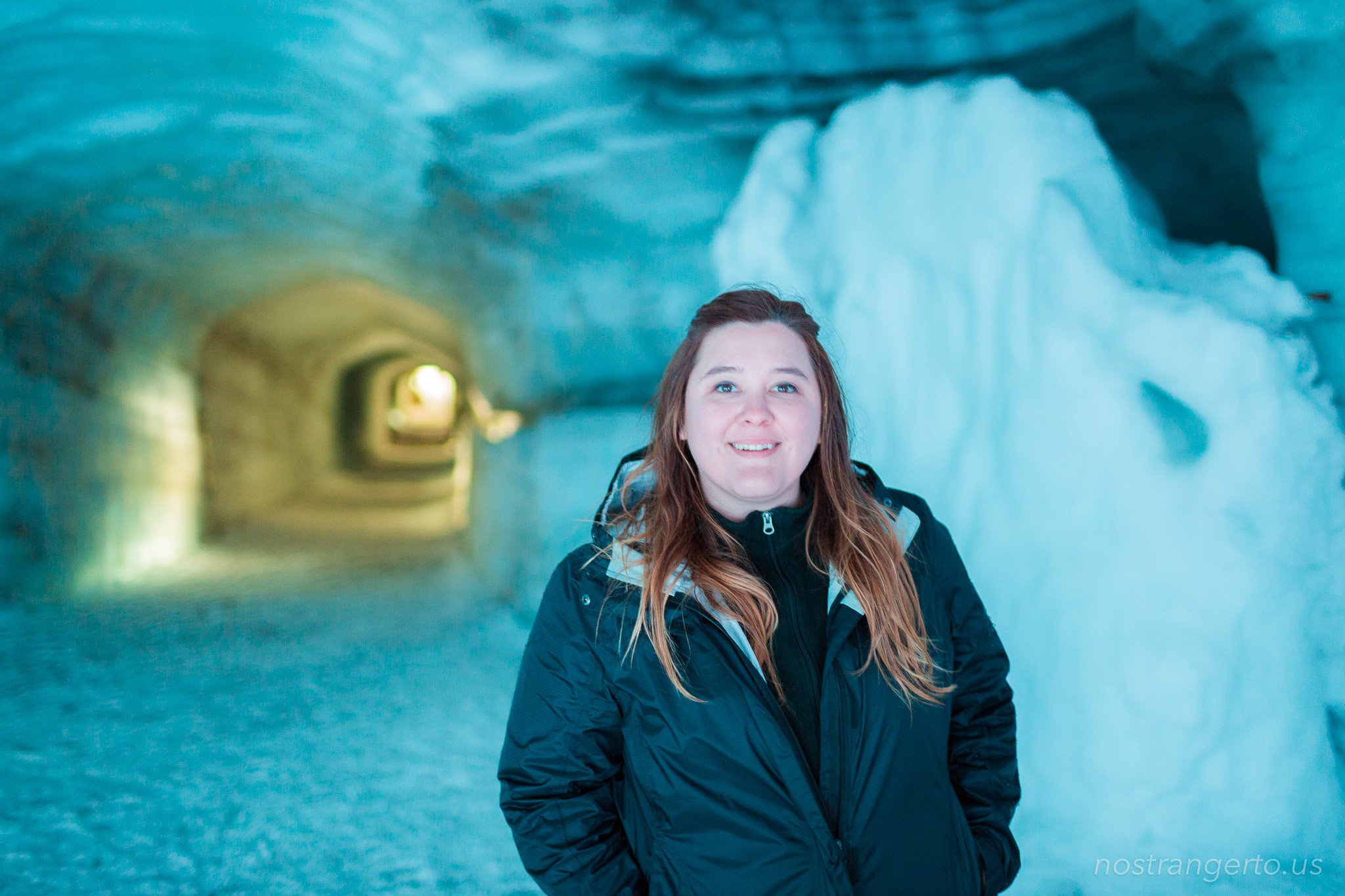
This tour was very special and we both enjoyed it as a once in a lifetime experience.
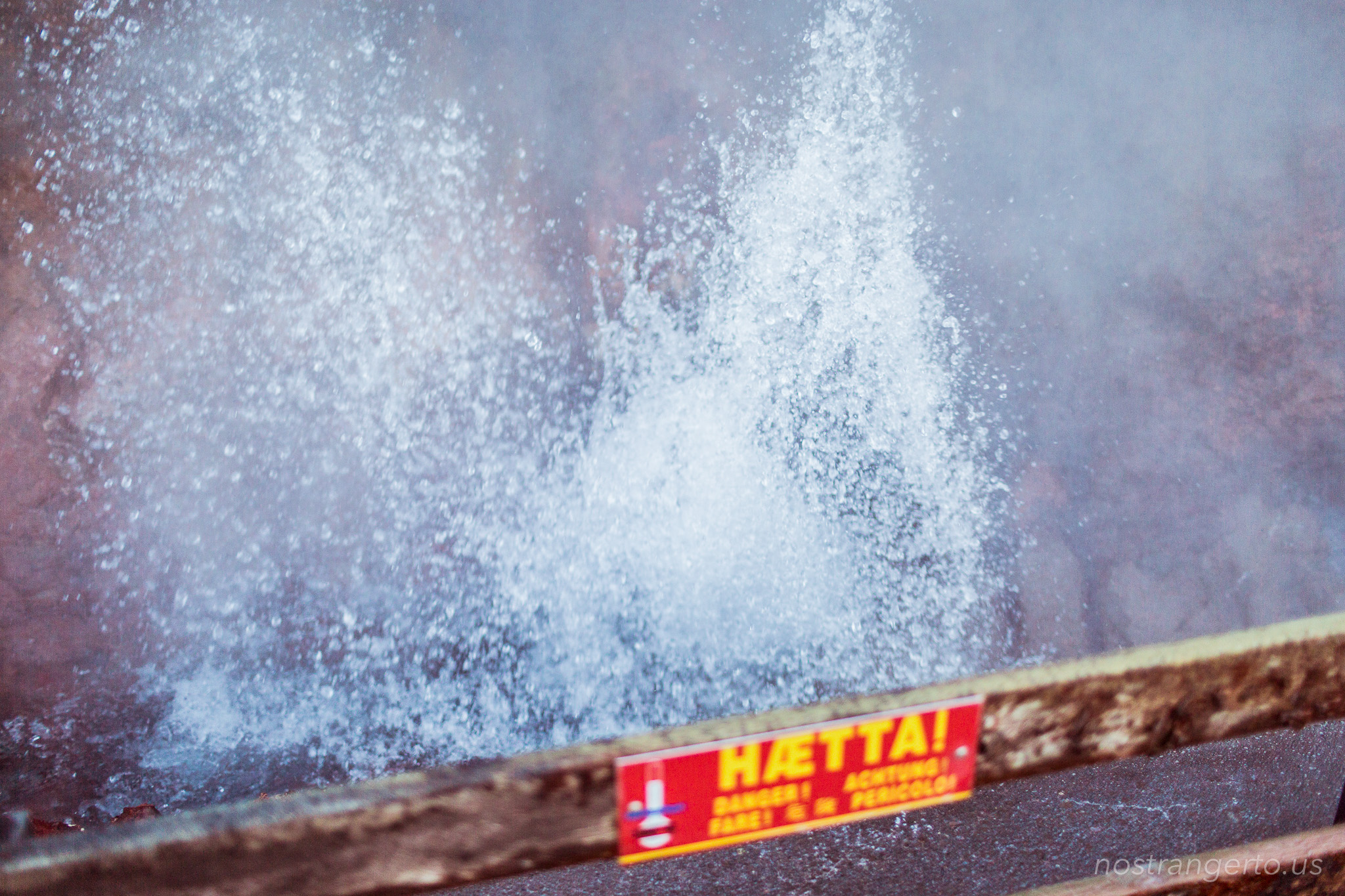
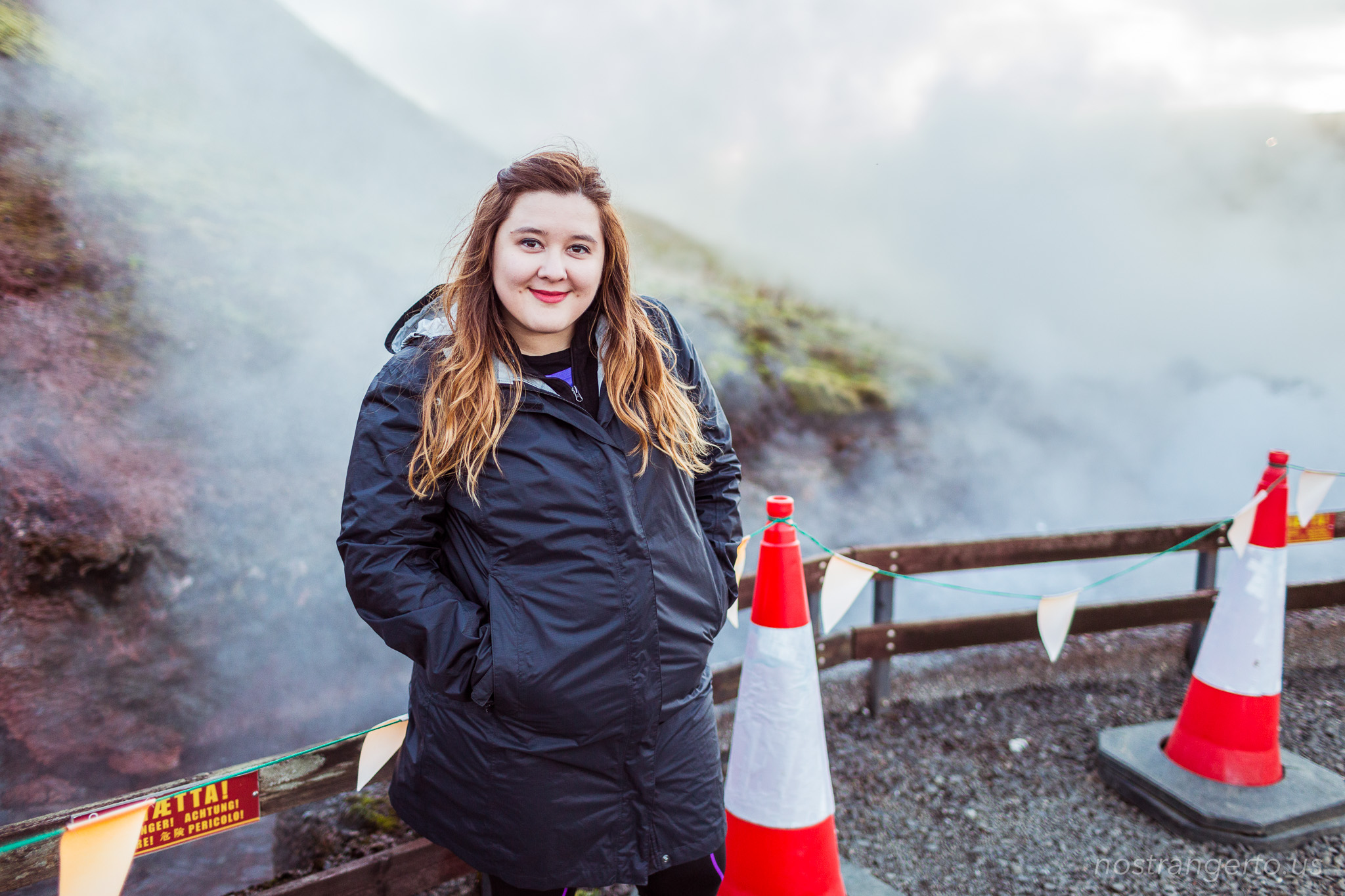
Since there was still light out (the sun sets at 11:30pm!) we drove over to the hydro-electric plant near Deildartunguhver Geothermal Area. The Deildartunguhver Hot Spring, the centerpiece of the geothermal area, is the most powerful hot spring in Europe and the one with the highest flow rate. The boiling water it produces emerges at 97 °C and is used for heating the houses in the area via a pipeline to places far away such as Borgarnes, 34 kilometers away and the town of Akranes, 64 kilometers southwest.
Day 6 – Viking Sail, Blue Lagoon, Anniversary dinner
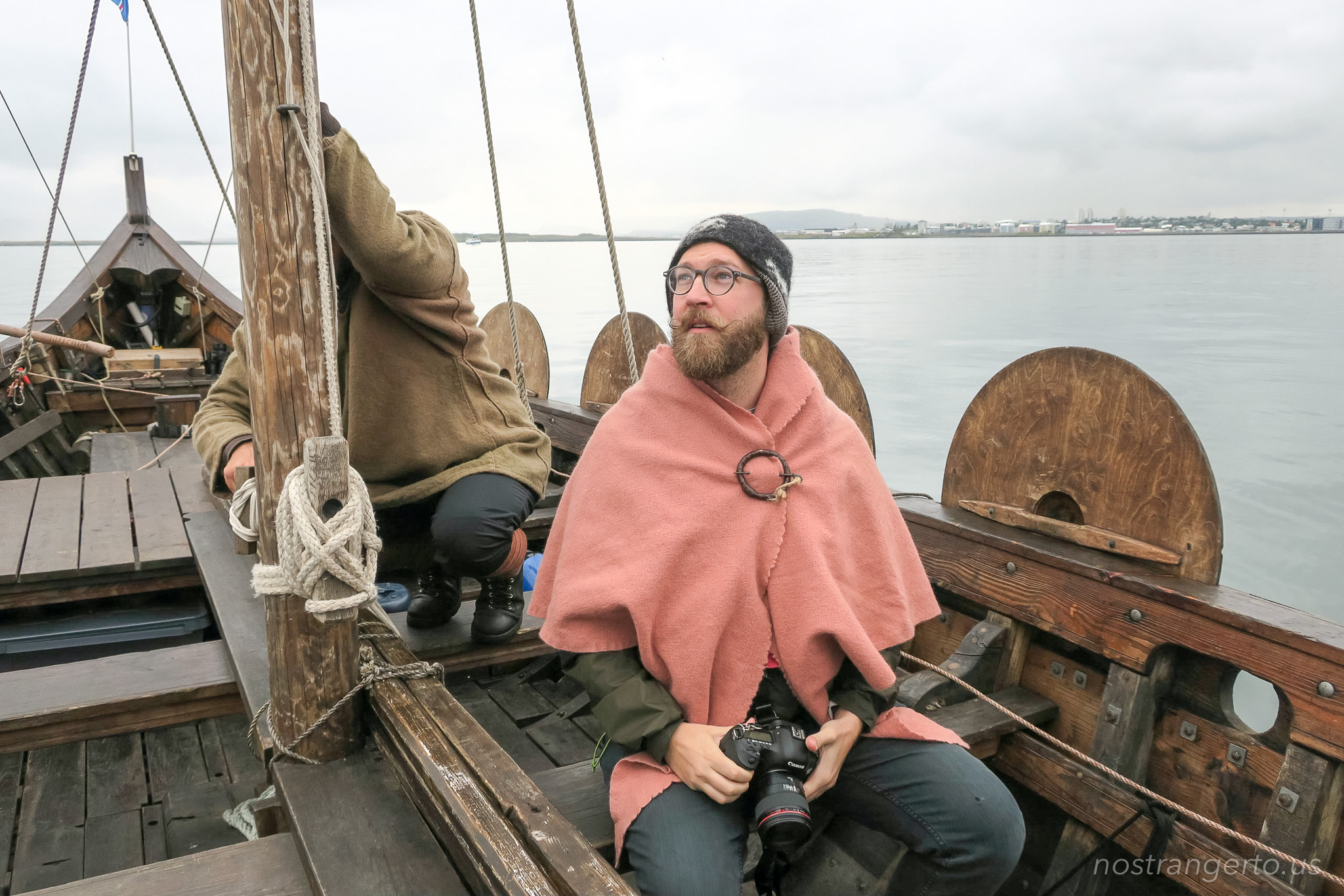
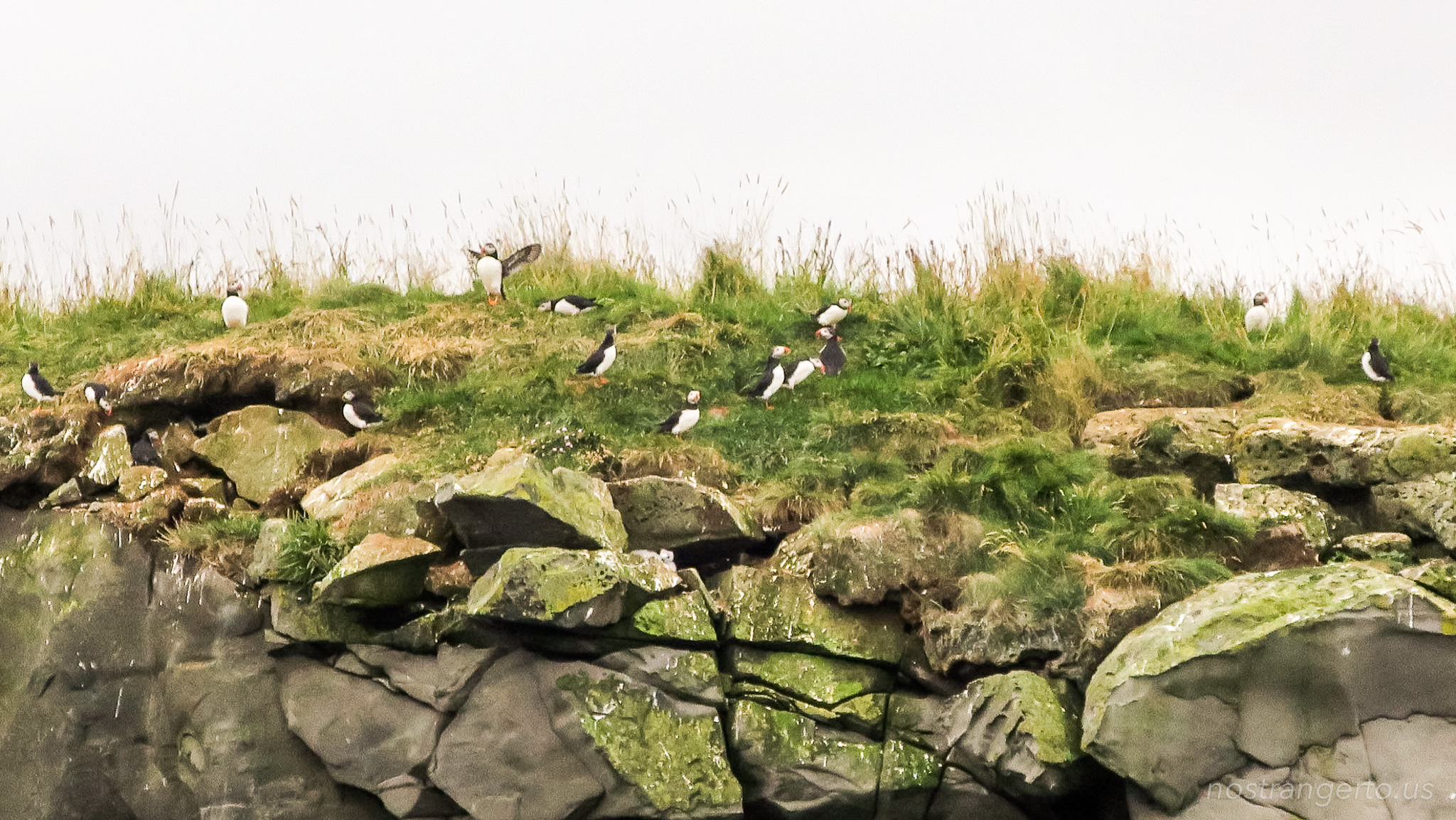
On our final day in Iceland, we celebrated our wedding anniversary. In the morning we took a private viking ship out onto the harbor in hopes of seeing puffin. Luckily, there were still some families enjoying life on a small island nearby and because we were on such a small boat we were able to get closer then the larger Puffin tour boats.
While on the boat we learned about the history of vikings from an Icelandic historian. Iceland was uninhabited until 874, until viking explores from Norway and the British isles discovered the land in the ninth century. Christianity wasn’t established in Iceland until 999 under the Norwegian king Olaf Tryggvason. We learned that the Sagas of Icelanders, also known as the family sagas are highly honored stories that were passed down from generations and covered all of the historical events that took place in 9th, 10th, and early 11th centuries.
After our boat ride we traveled to the most visited touristy attraction of our trip the Blue Lagoon geothermal spa. Located right next to the airport the Blue Lagoon is a spa, pool, and restaurant/bar. We bought tickets that included a free algae mask and alcoholic beverage. The facilities felt very luxurious and relaxing. They have a strict hygiene policy, so be prepared to take a shower before entering the warm, rich mineral lagoon water.
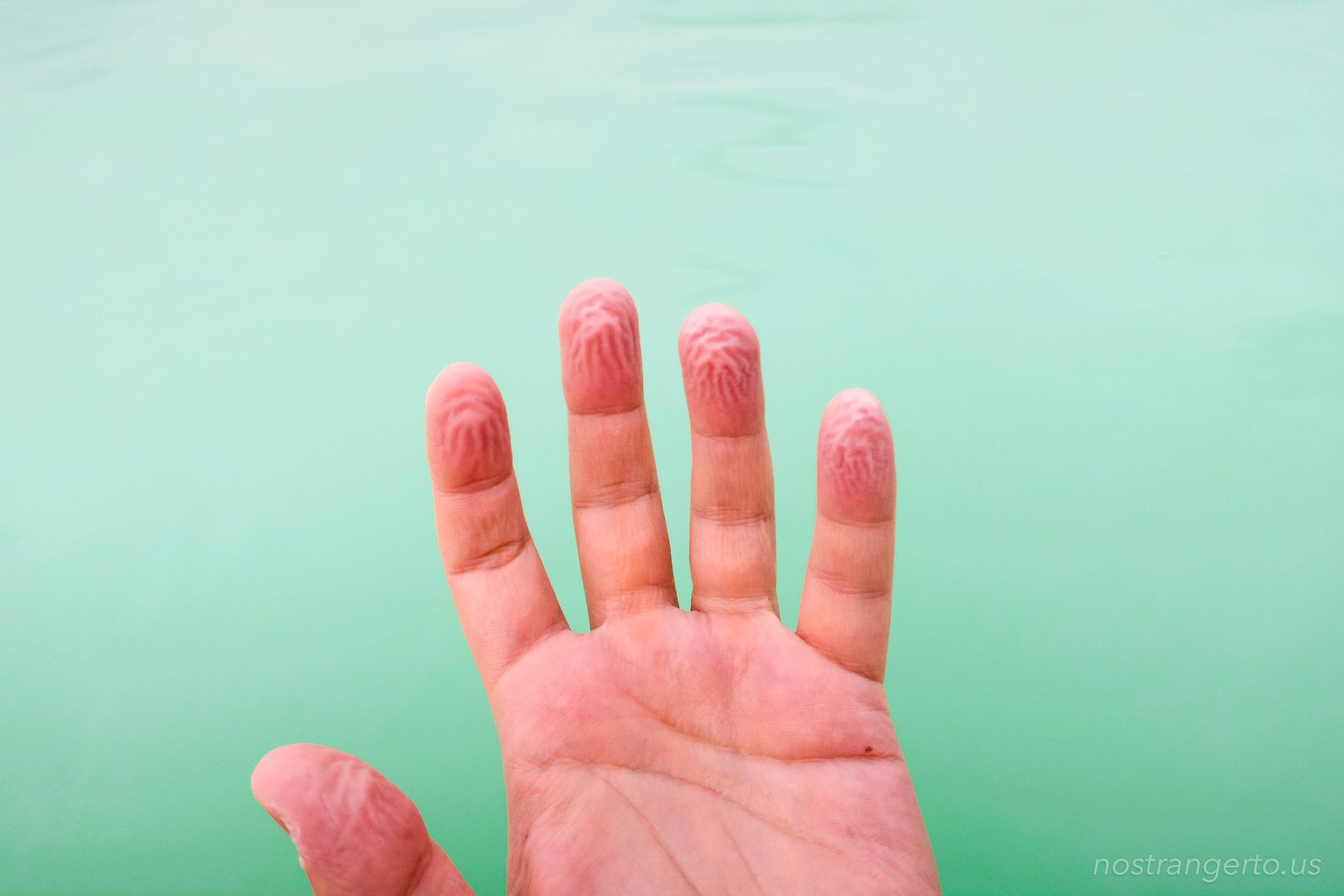
The water temperature averages 99-167 °F, and once you enter there is a swim up bar and little hut that holds different types of skin masks. We spent the afternoon relaxing and recounting some of the places we had seen the days previous both feeling melancholy about it being our last day. Cooper started getting very pruney, so we took that as a signal to head out to make our dinner reservation.
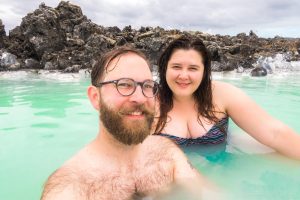
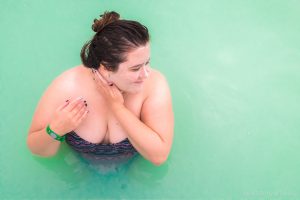
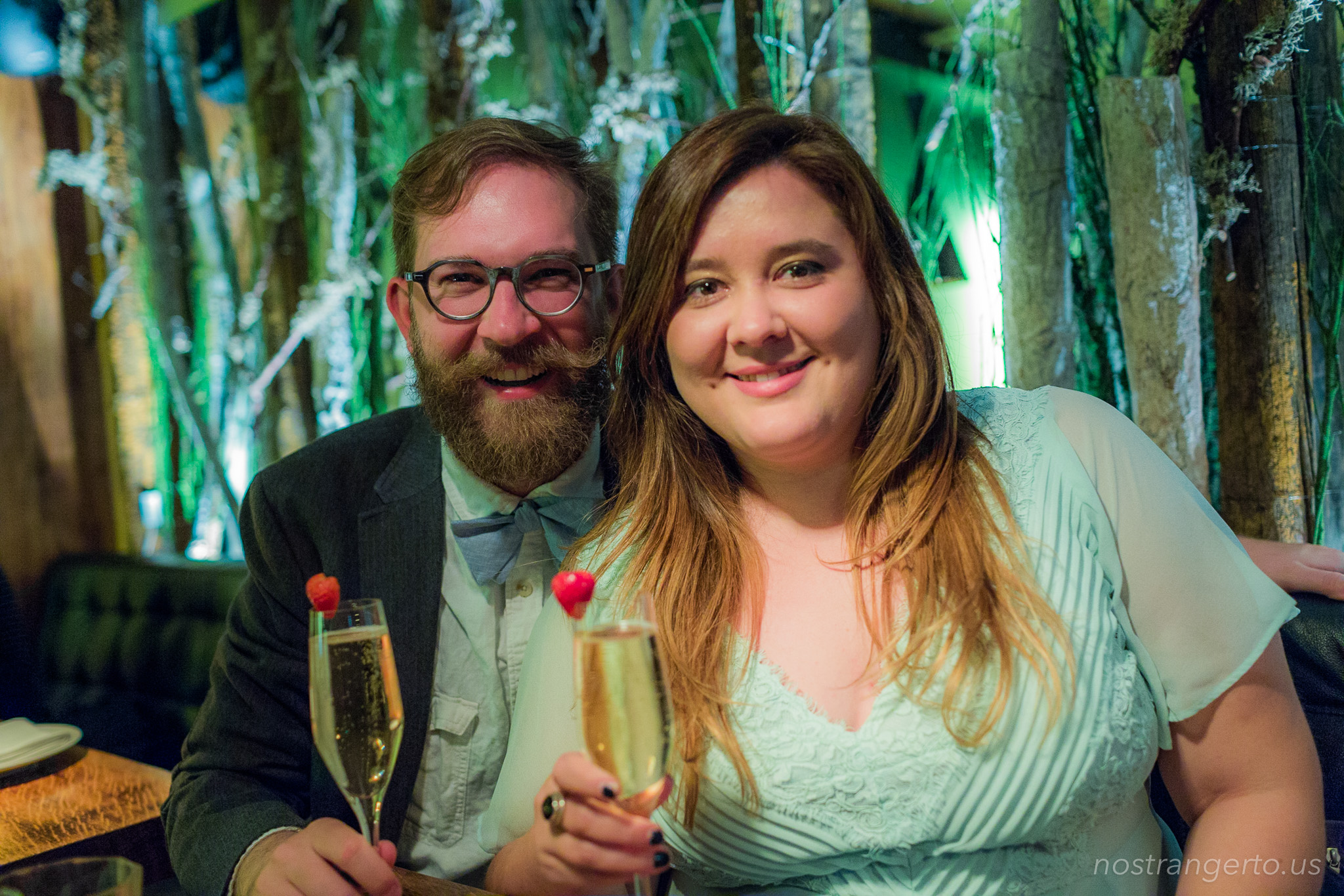
We had reservations for dinner at the Fiskmarkadurinn, or Fish Market. The restaurant is highly rated and when they heard we were celebrating our anniversary quickly brought champagne with strawberries to our table.
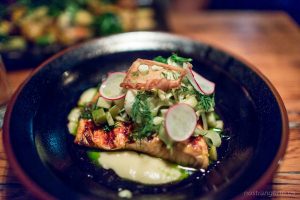
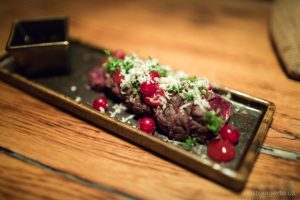
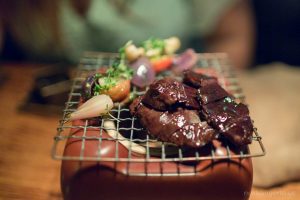
We ordered items from their tasting menu: smoked puffin, whale, and salmon (YOLO). We also met a lovely couple sitting next to us that were traveling from DC. They were also celebrating their last night in town and it was nice to share some of our stories with them.

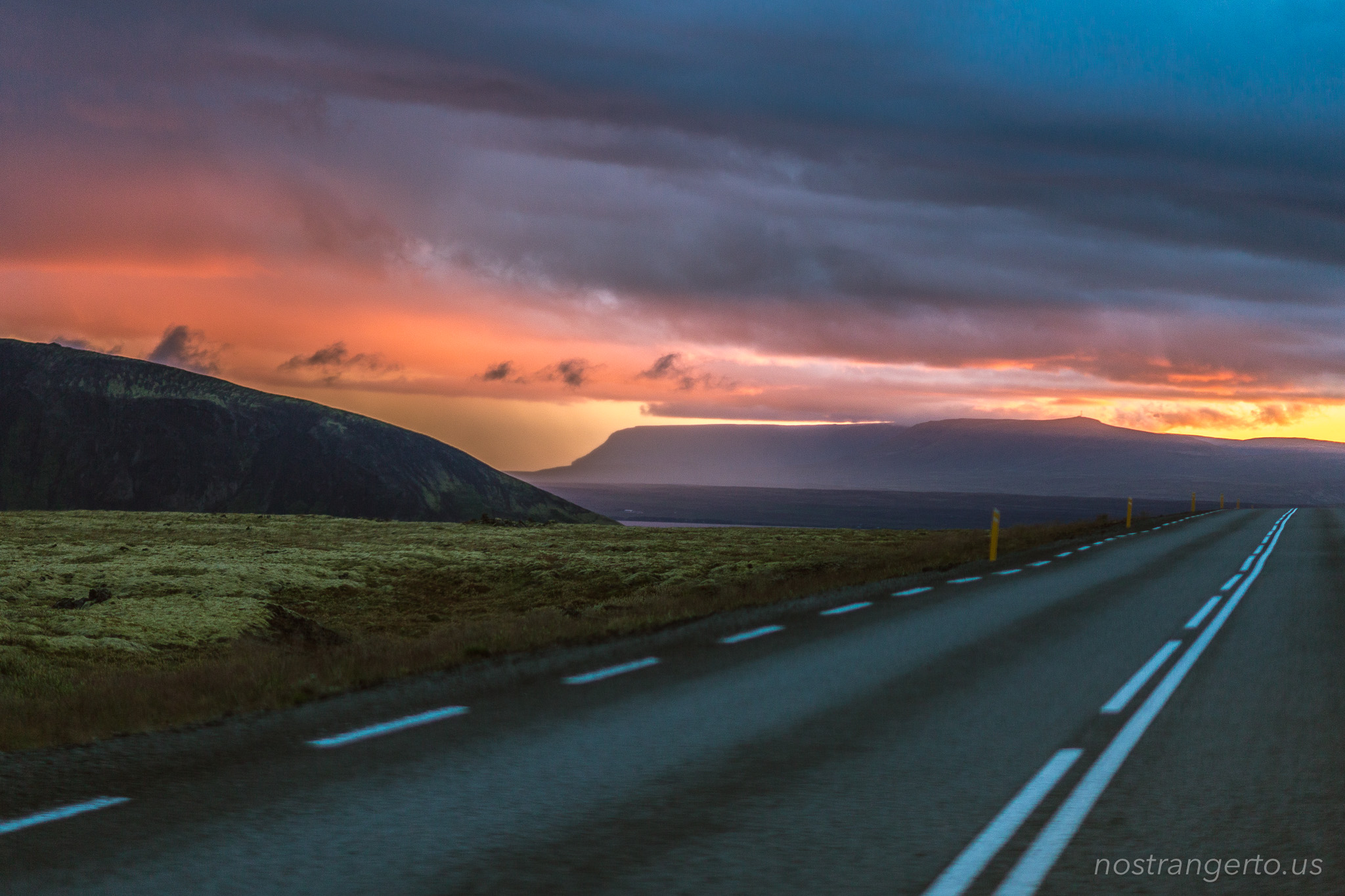
In conclusion, our trip to Iceland was phenomenal. I want to return again and see other parts of the island as well as the Northern lights.
The post Reykjavik, Iceland Trip Part 2 appeared first on No Stranger to Us.
]]>Deprecated: Creation of dynamic property WP_Term::$cat_ID is deprecated in /homepages/20/d390878058/htdocs/nostranger/home/wp-includes/category.php on line 378
Deprecated: Creation of dynamic property WP_Term::$category_count is deprecated in /homepages/20/d390878058/htdocs/nostranger/home/wp-includes/category.php on line 379
Deprecated: Creation of dynamic property WP_Term::$category_description is deprecated in /homepages/20/d390878058/htdocs/nostranger/home/wp-includes/category.php on line 380
Deprecated: Creation of dynamic property WP_Term::$cat_name is deprecated in /homepages/20/d390878058/htdocs/nostranger/home/wp-includes/category.php on line 381
Deprecated: Creation of dynamic property WP_Term::$category_nicename is deprecated in /homepages/20/d390878058/htdocs/nostranger/home/wp-includes/category.php on line 382
Deprecated: Creation of dynamic property WP_Term::$category_parent is deprecated in /homepages/20/d390878058/htdocs/nostranger/home/wp-includes/category.php on line 383
Deprecated: Creation of dynamic property WP_Term::$cat_ID is deprecated in /homepages/20/d390878058/htdocs/nostranger/home/wp-includes/category.php on line 378
Deprecated: Creation of dynamic property WP_Term::$category_count is deprecated in /homepages/20/d390878058/htdocs/nostranger/home/wp-includes/category.php on line 379
Deprecated: Creation of dynamic property WP_Term::$category_description is deprecated in /homepages/20/d390878058/htdocs/nostranger/home/wp-includes/category.php on line 380
Deprecated: Creation of dynamic property WP_Term::$cat_name is deprecated in /homepages/20/d390878058/htdocs/nostranger/home/wp-includes/category.php on line 381
Deprecated: Creation of dynamic property WP_Term::$category_nicename is deprecated in /homepages/20/d390878058/htdocs/nostranger/home/wp-includes/category.php on line 382
Deprecated: Creation of dynamic property WP_Term::$category_parent is deprecated in /homepages/20/d390878058/htdocs/nostranger/home/wp-includes/category.php on line 383
Deprecated: Creation of dynamic property WP_Term::$cat_ID is deprecated in /homepages/20/d390878058/htdocs/nostranger/home/wp-includes/category.php on line 378
Deprecated: Creation of dynamic property WP_Term::$category_count is deprecated in /homepages/20/d390878058/htdocs/nostranger/home/wp-includes/category.php on line 379
Deprecated: Creation of dynamic property WP_Term::$category_description is deprecated in /homepages/20/d390878058/htdocs/nostranger/home/wp-includes/category.php on line 380
Deprecated: Creation of dynamic property WP_Term::$cat_name is deprecated in /homepages/20/d390878058/htdocs/nostranger/home/wp-includes/category.php on line 381
Deprecated: Creation of dynamic property WP_Term::$category_nicename is deprecated in /homepages/20/d390878058/htdocs/nostranger/home/wp-includes/category.php on line 382
Deprecated: Creation of dynamic property WP_Term::$category_parent is deprecated in /homepages/20/d390878058/htdocs/nostranger/home/wp-includes/category.php on line 383
The post Our Awesome Reykjavik, Iceland Trip – Part 1 appeared first on No Stranger to Us.
]]>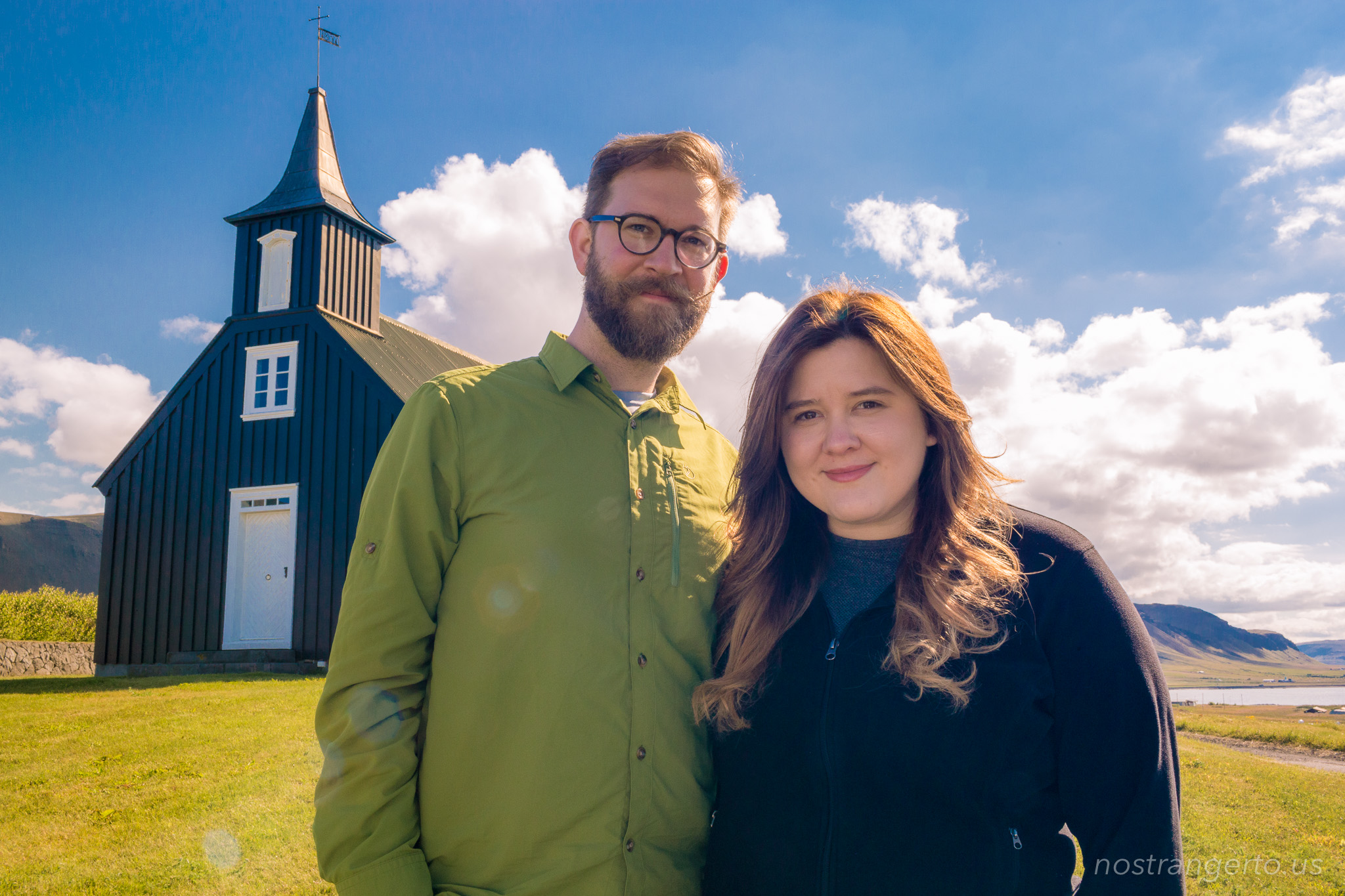 In celebration of our eighth wedding anniversary we traveled to Iceland for six days in August 2016 and because we had a limited amount of time I conducted a large amount of research on the area prior to choosing our daily activities. To say that Iceland is otherworldly is an understatement. Iceland has a unique and dramatic landscape that features hot springs, geysers, volcanoes and most noteworthy, waterfalls!
Each day was an epic adventure, and I’m so happy to have spent so much time exploring and experiencing new things with Cooper.
Day 1 – Reykjavik, Iceland Trip
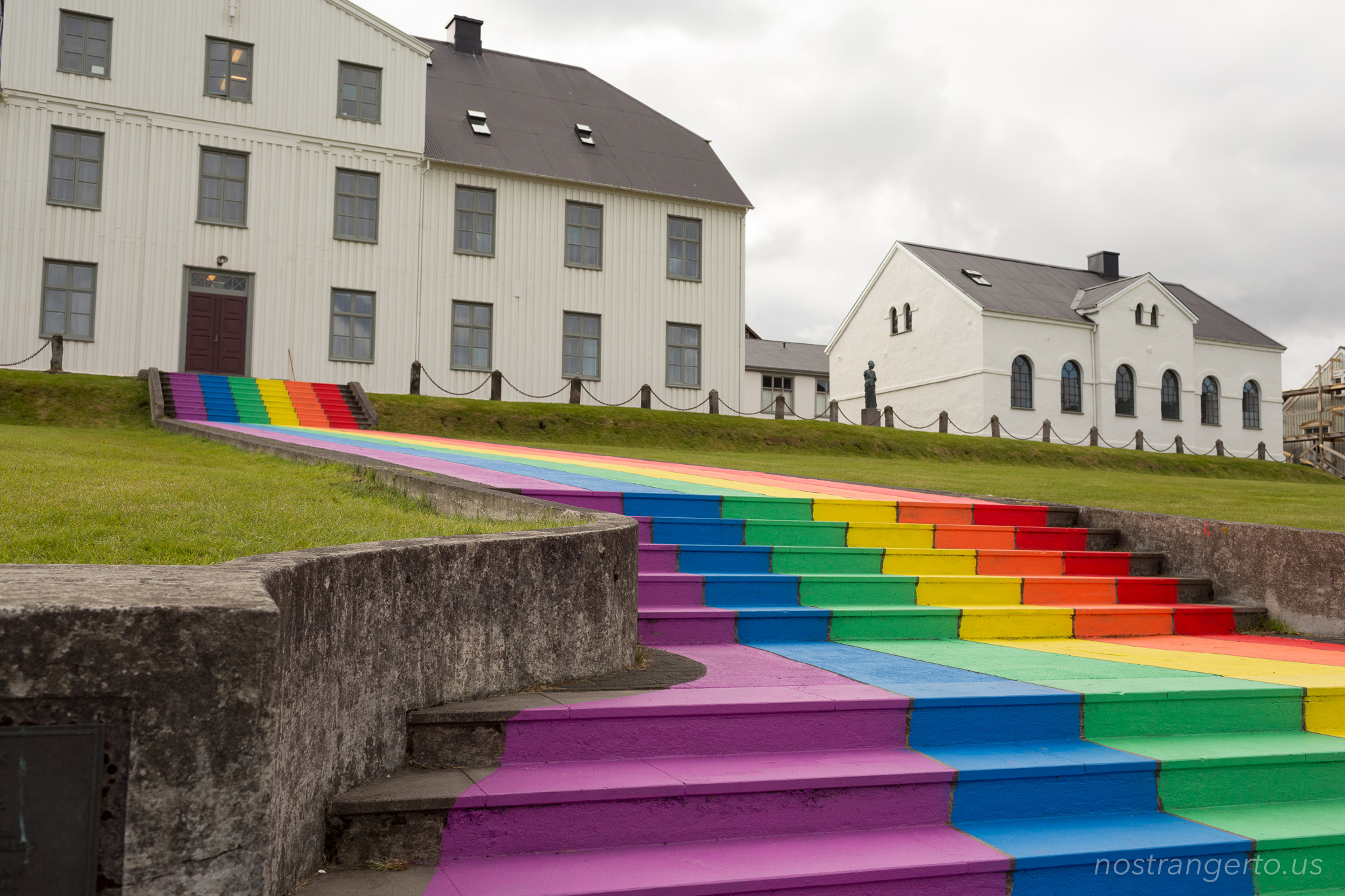
On our first day in Iceland we fought our jet leg and visited a few key sites. Reykjavik celebrated gay pride during our stay and the main government building partnered with a local artist to paint the steps in rainbow colors to support the parade.
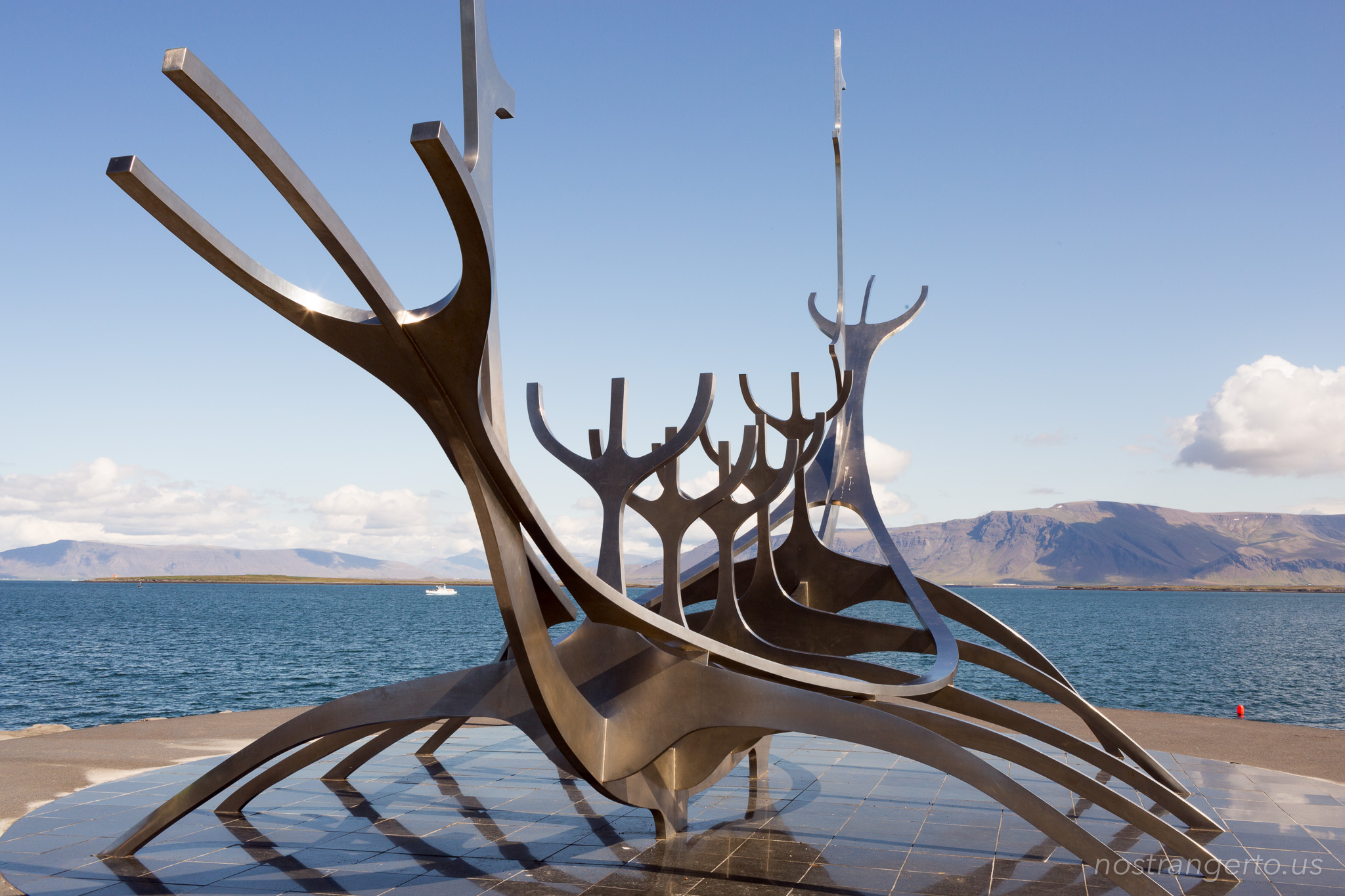
The gorgeous Atlantic ocean views near the Sólfar or the Sun Voyager, a sculpture by Jón Gunnar Árnason were the next stop on the journey. The Sun Voyager is concepted as a dreamboat, an ode to the sun. Intrinsically, it contains within itself the promise of undiscovered territory, a dream of hope, progress and freedom. I love the idea behind it’s construction, it was such a great way to kick off our trip.
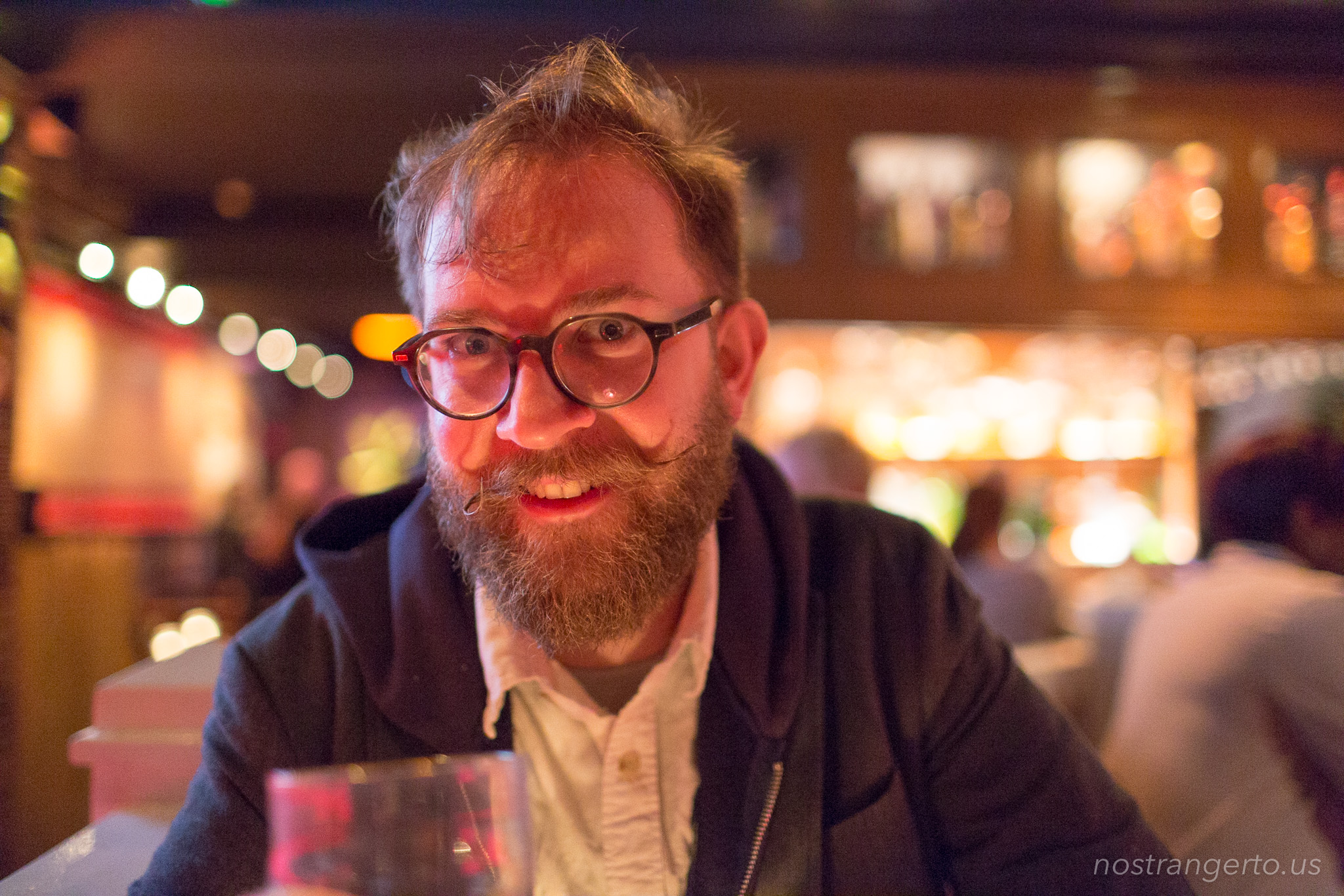
In the evening we took our own walking tour within downtown Reykjavik and saw the city lit up at night. Who knew that Reykjavík would have it’s own Big Lebowski themed bar! Give it to Iceland to take the 1998 cult classic and make it a lifestyle. The bar boasts 16 varieties of “The Dude’s” iconic drink, The White Russian. The interior of the bar is divided into four separate themes—bowling alley, a southern-style porch, a ‘50s diner, and a kind of ‘60s playboy lounge bar on the upper floor.
We could not miss grabbing a beer and hanging out with the locals. It was quite windy walking through the streets hence Cooper’s wind-blown look.
Day 2 – Hiking | Brautarholtskirkja Church, Þingvellir National Park
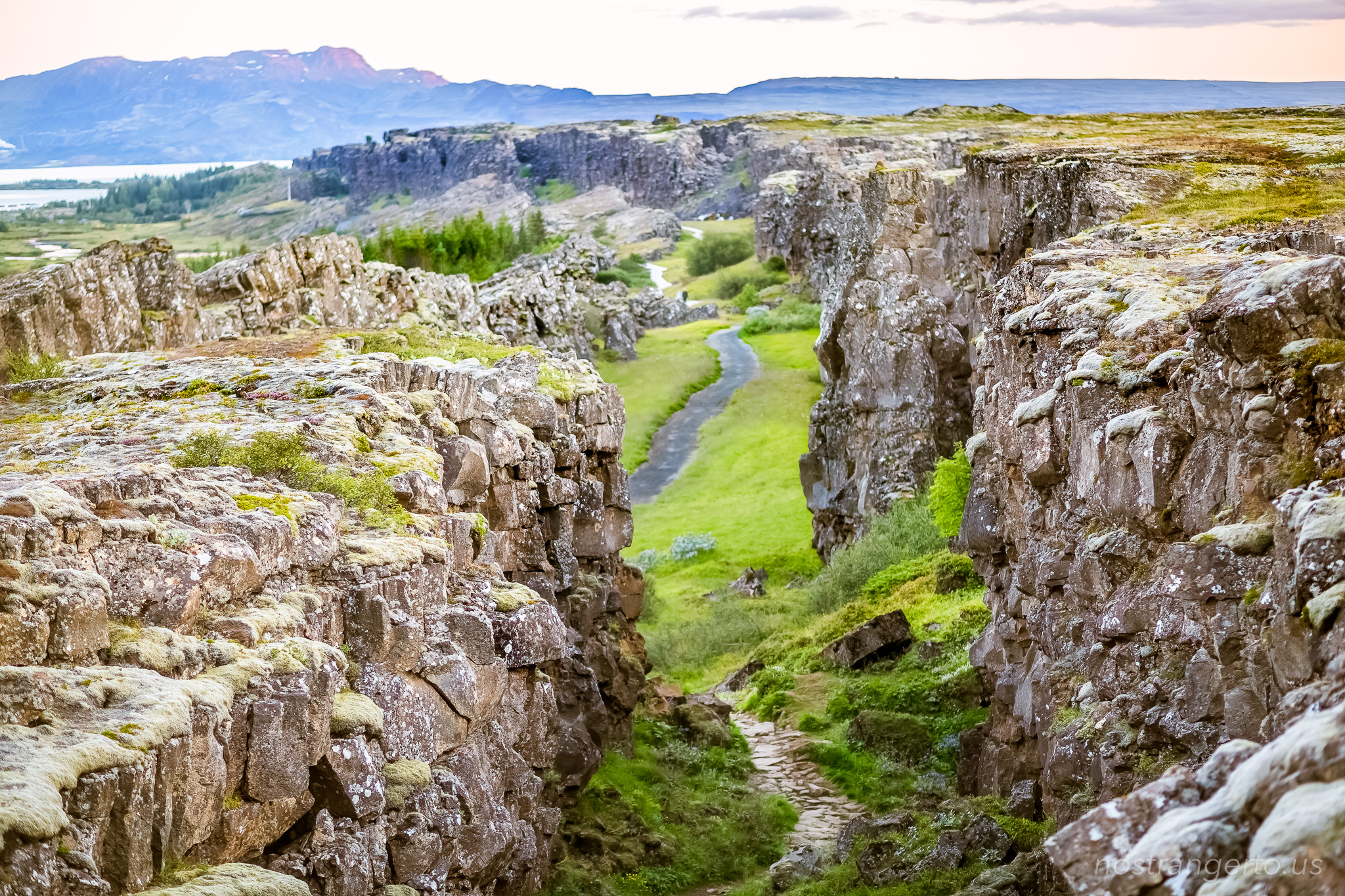
Using Reykjavik as our home base we opted to take self driving day trips to the surrounding areas. Just a 40 minute drive out of the capital we were greeted with breath-taking views in Þingvellir National Park. The park is a UNESCO World heritage site and is protected as a national park due to its unique geology and natural features. The Almannagjá canyon is formed between two tectonic plates and is a stunning visual representation of continental drift.
Next we visited Brautarholtskirkja Church, located on the small Kjalarnes Peninsula. It was built in 1857 by a local carpenter and is in fact the oldest wooden church that has been in continuous use in Iceland. The Brautaholtskirkja Church was dedicated to St. Nicholas, the patron saint of children and fishermen.
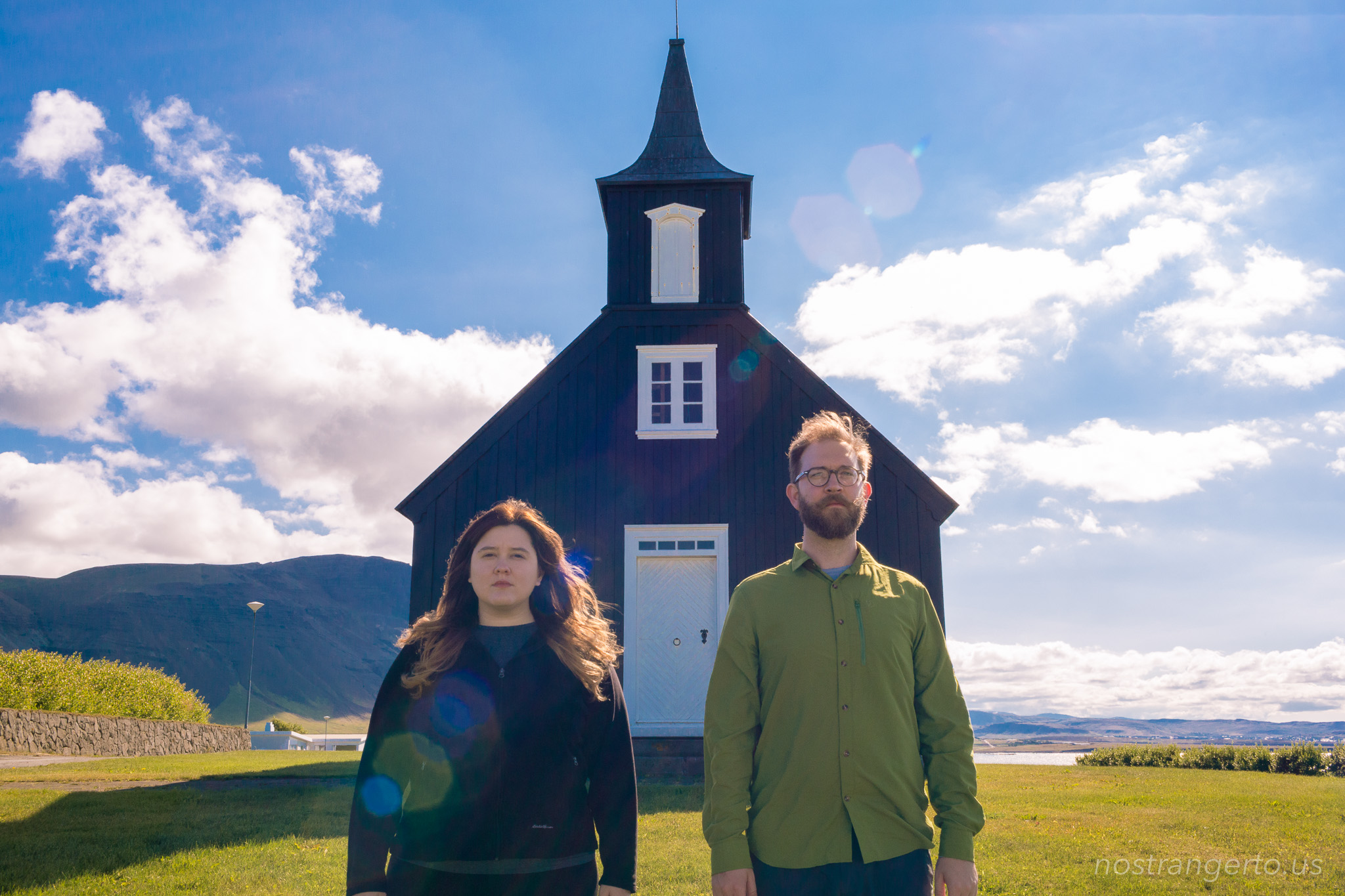
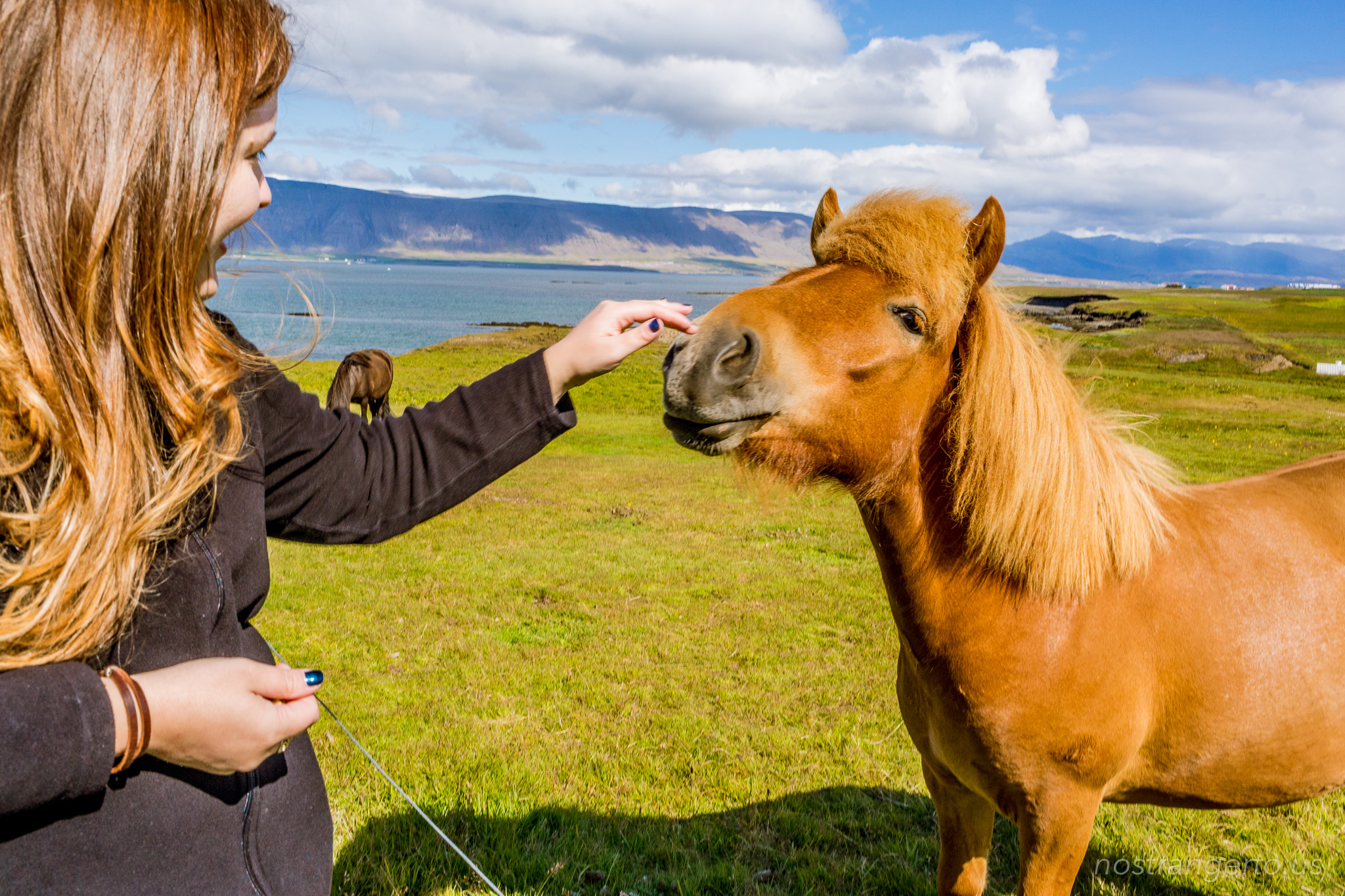
We encountered our first friendly Icelandic horses near the church, and fed them some of our trail mix. It was surreal watching these majestic creatures frolicking and playing with each other with this stunning mountainous background. 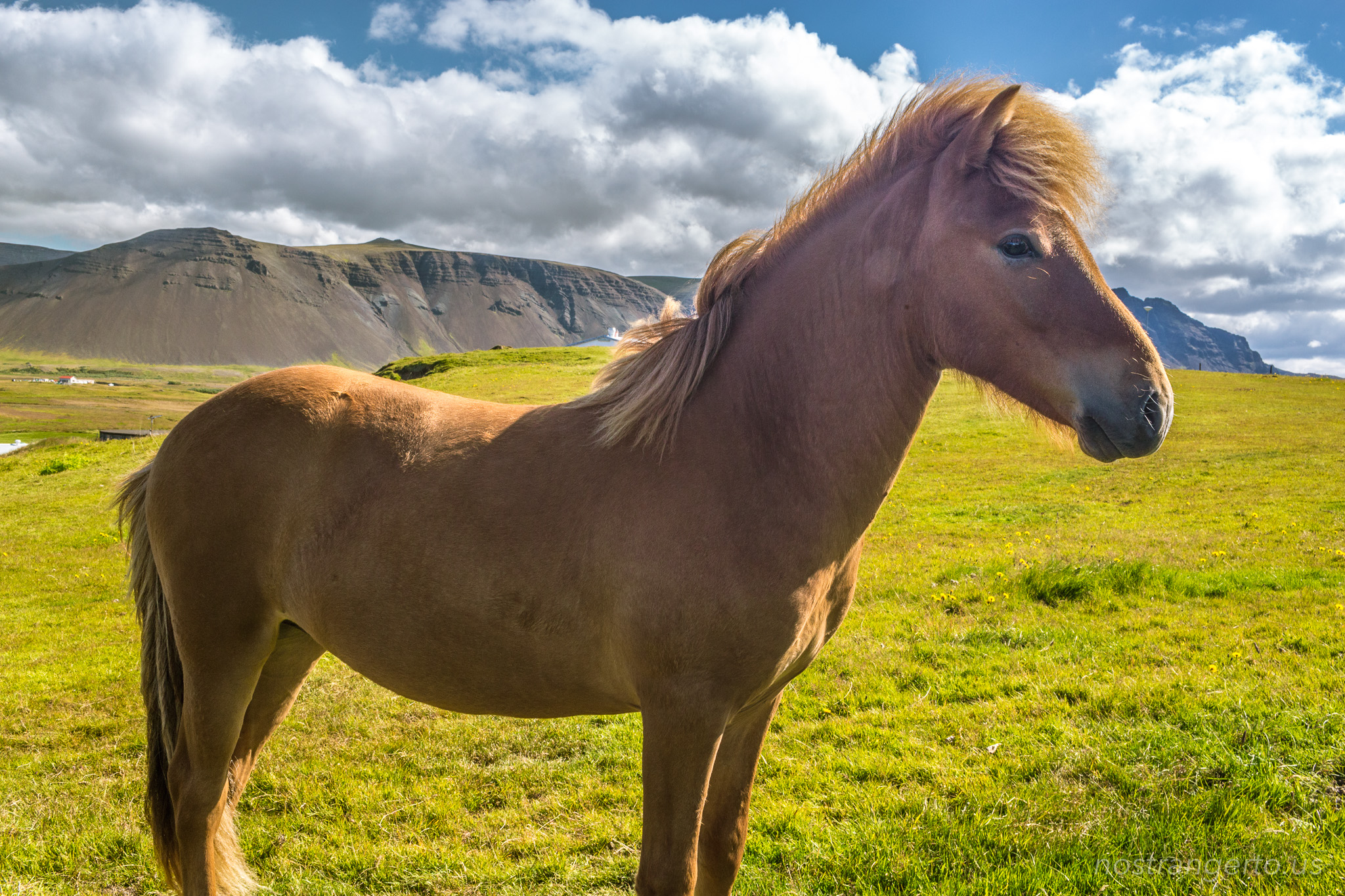
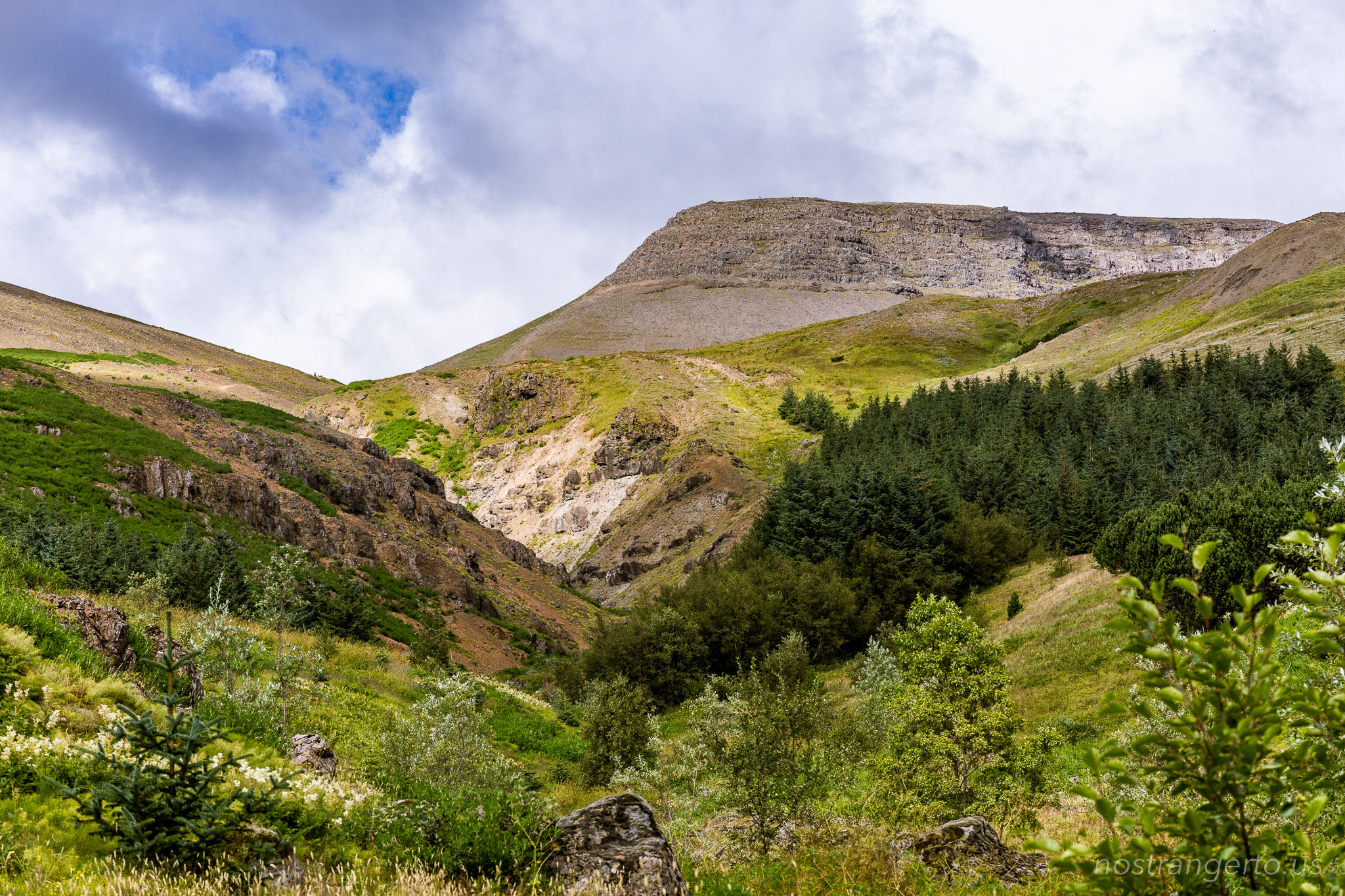
 On our return drive to Reykjavik we stopped to go on a hike through some rolling hills. We came across several beautiful babbling brooks, flora and fauna, and other friendly hikers.
While hiking we noticed vibrant purple fields of what we found out later was Alaskan lupine. These lavender like flowers bloom in the summers and were introduced to Iceland in 1945 to help with soil fertilization and combat soil erosion. The plant is also able to add atmospheric nitrogen to the soil by using bacteria in its roots.
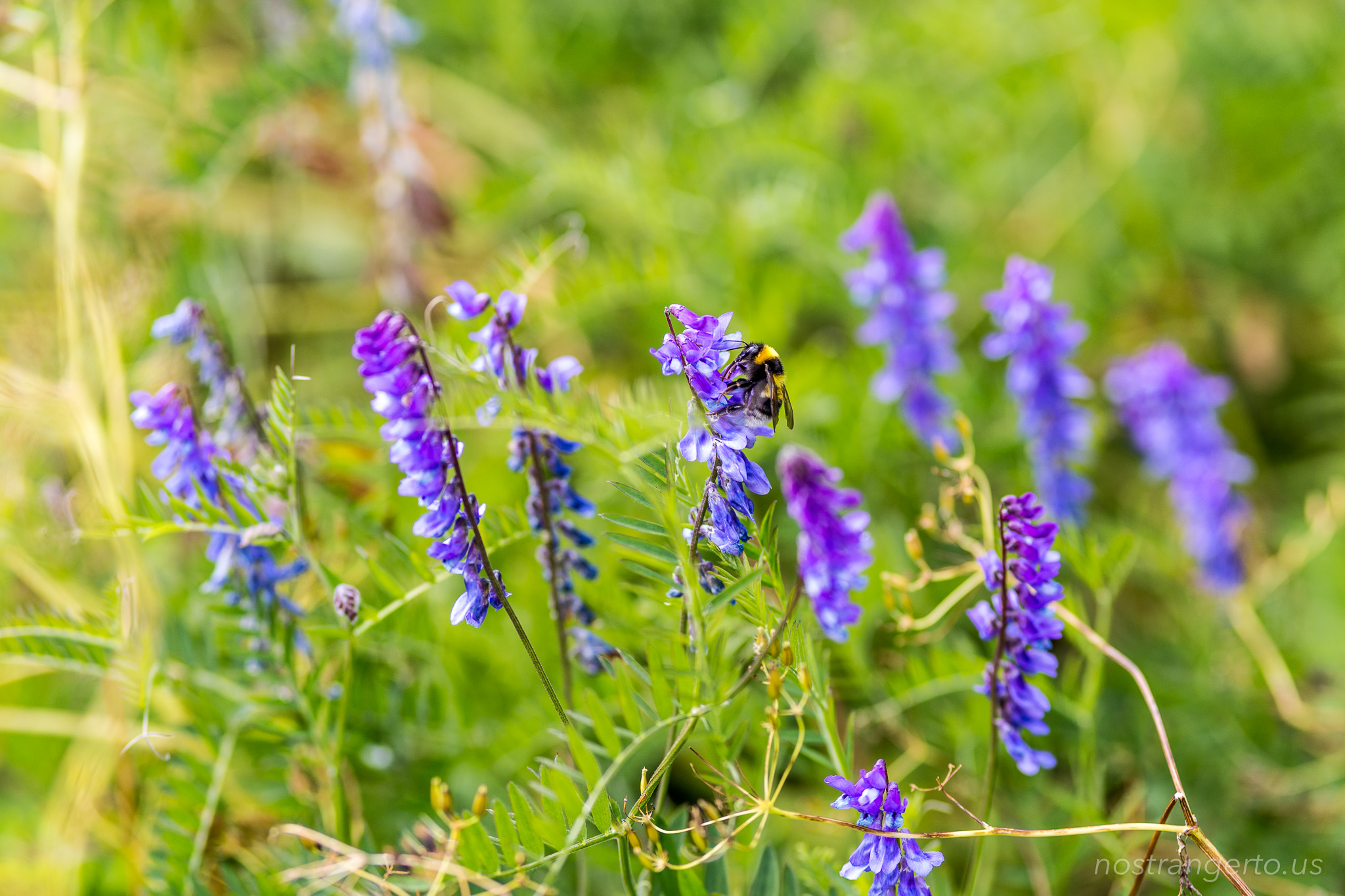
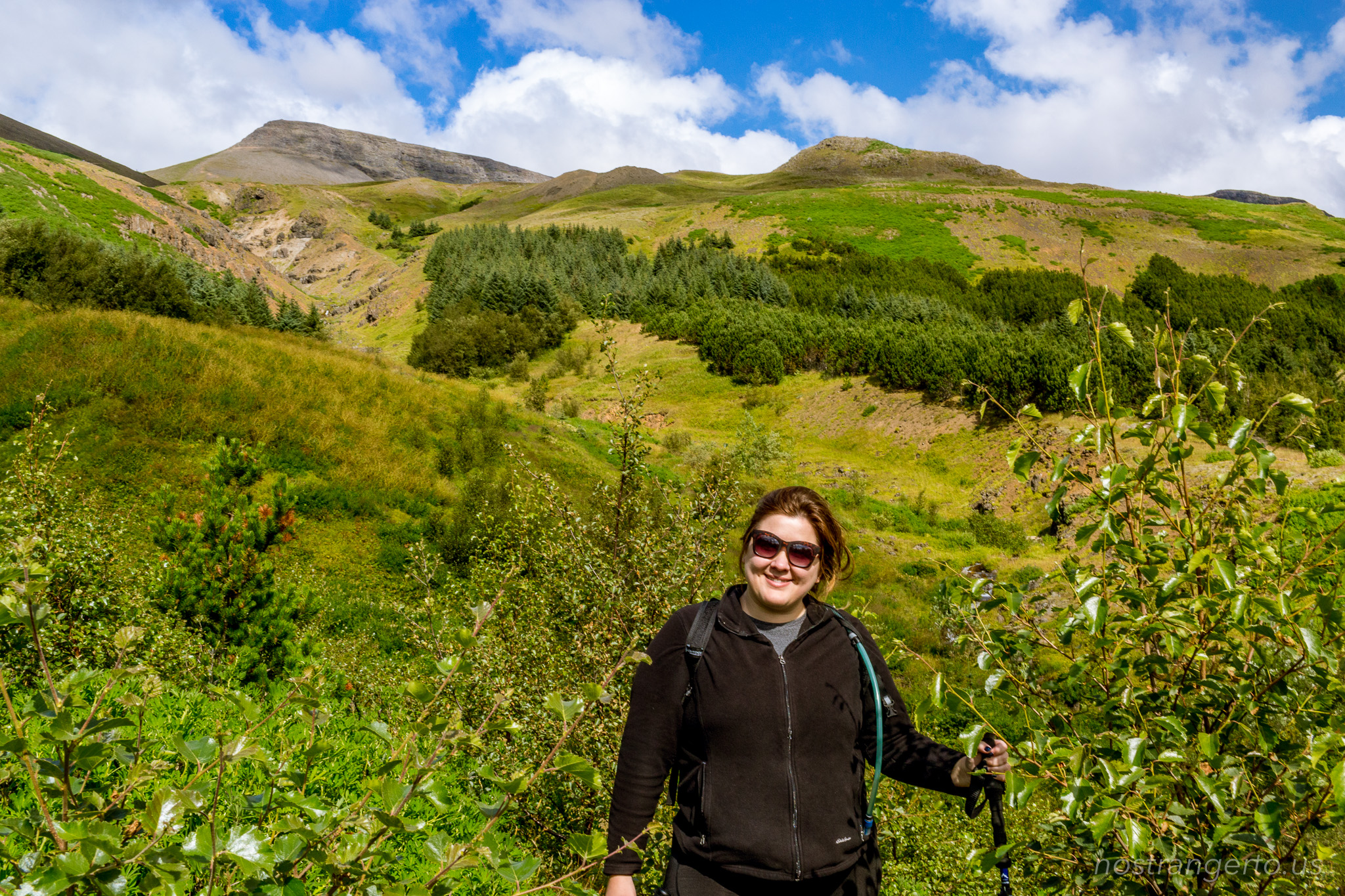
After the long hike we took pleasure in the public heated pools that Iceland has to offer because our legs were burning. These public pools are visited daily by locals as a way to wind down and soothe their bodies. They were fantastic, but we didn’t take our camera in with us.
Day 3 – Ignoring TLC, We Chased Waterfalls
Day three of our trip was very active and very wet! We woke up early grabbed an artisanal coffee from Reykjavik Roasters and hit the road determined to see the beautiful Skógafoss, Seljalandsfoss, and Bruarfoss waterfalls.
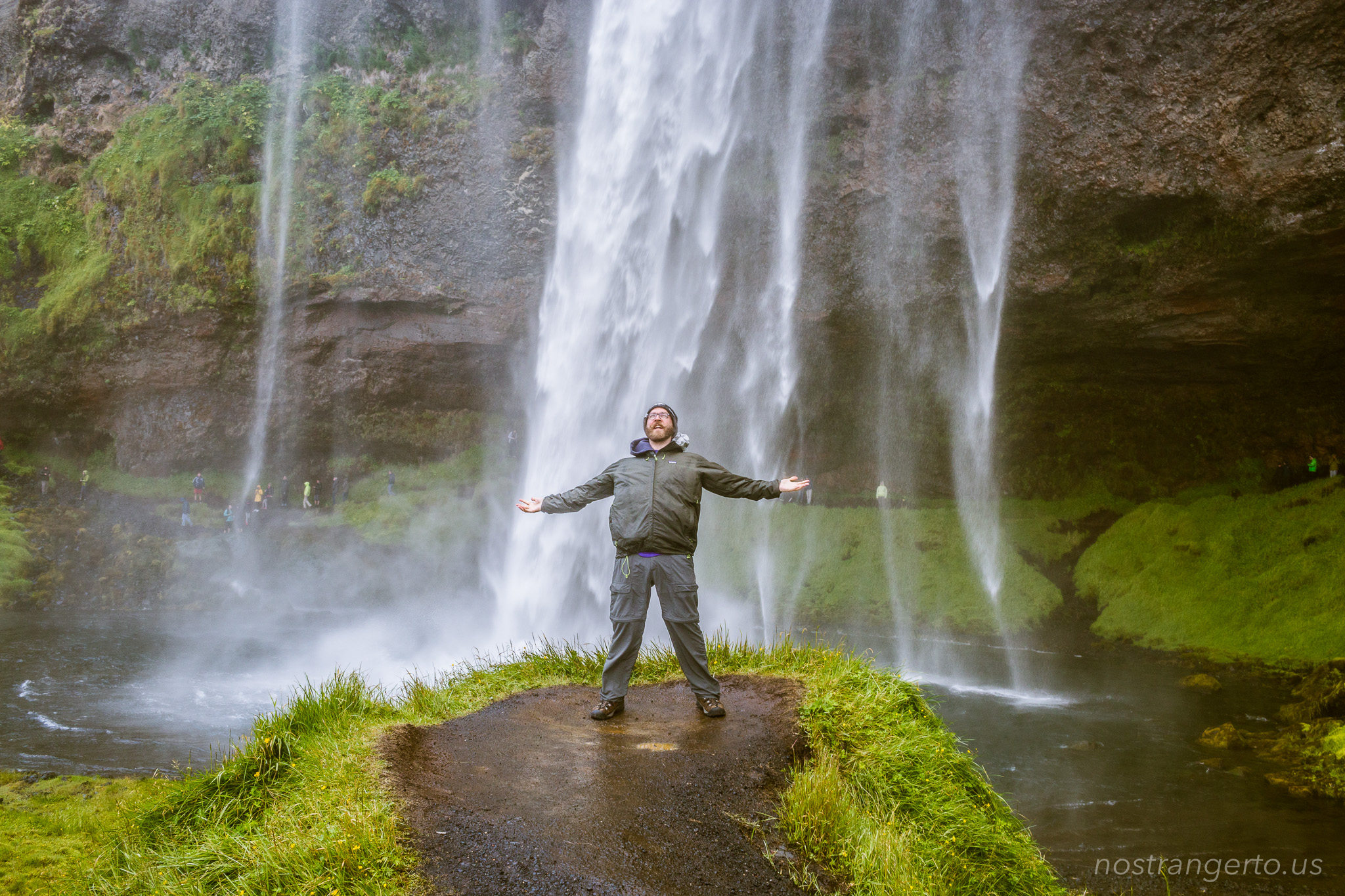
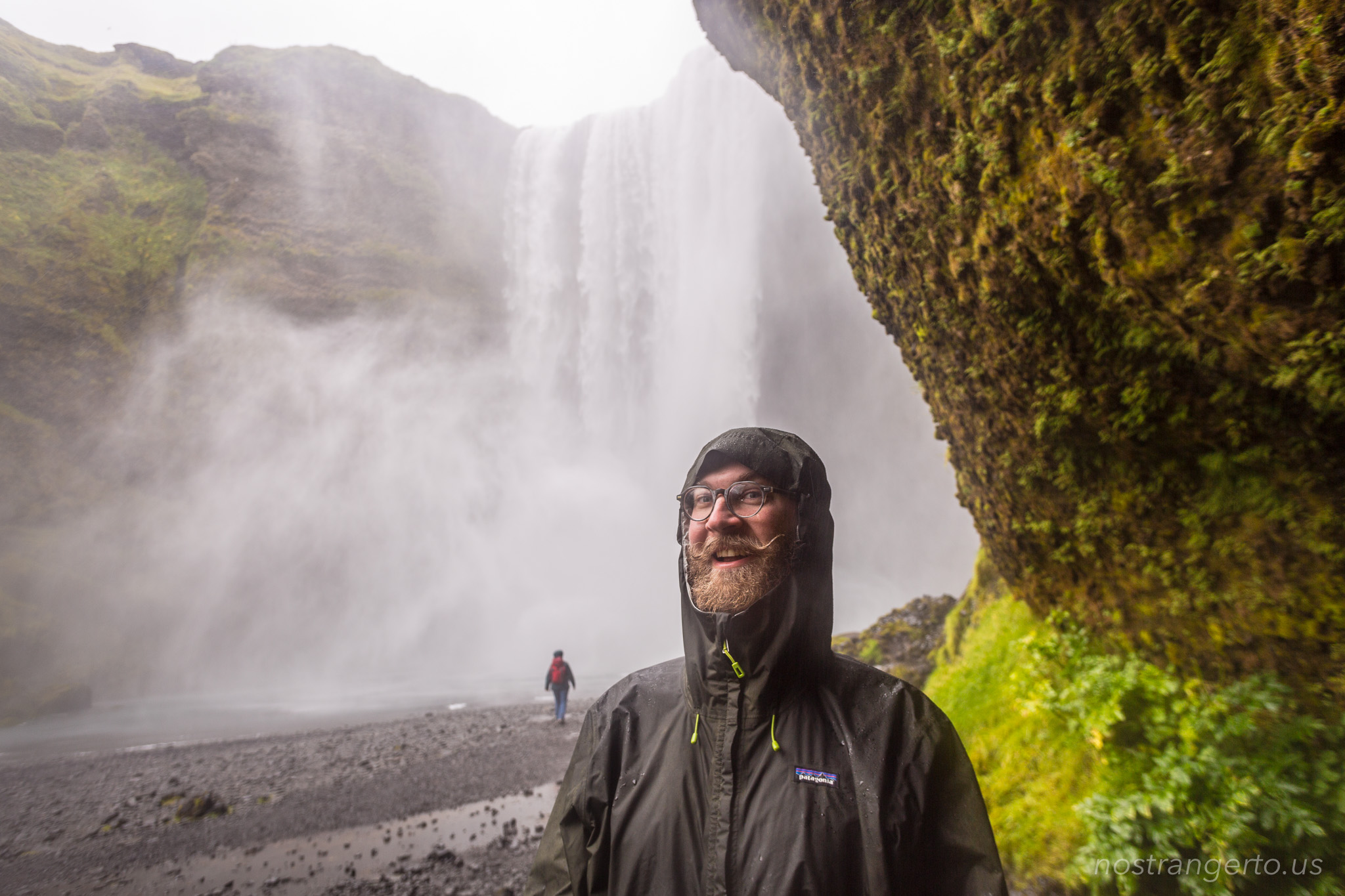 Skógafoss is massive, and we found that the best views to capture of it were from far away with a long lens or with a drone! Once we tried to walk close to it we had to zip up our rain jackets to keep from being soaked just from the spray.
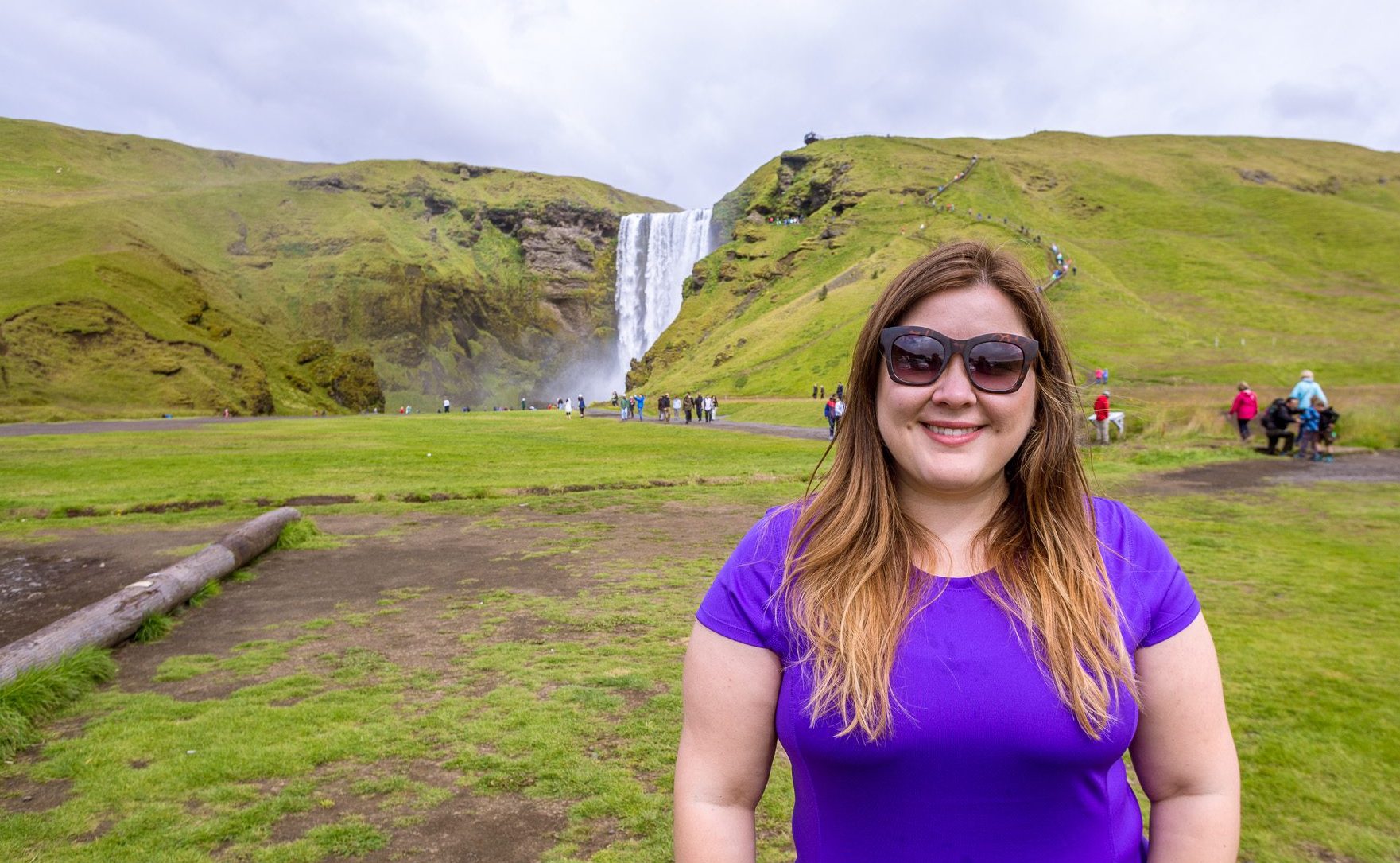
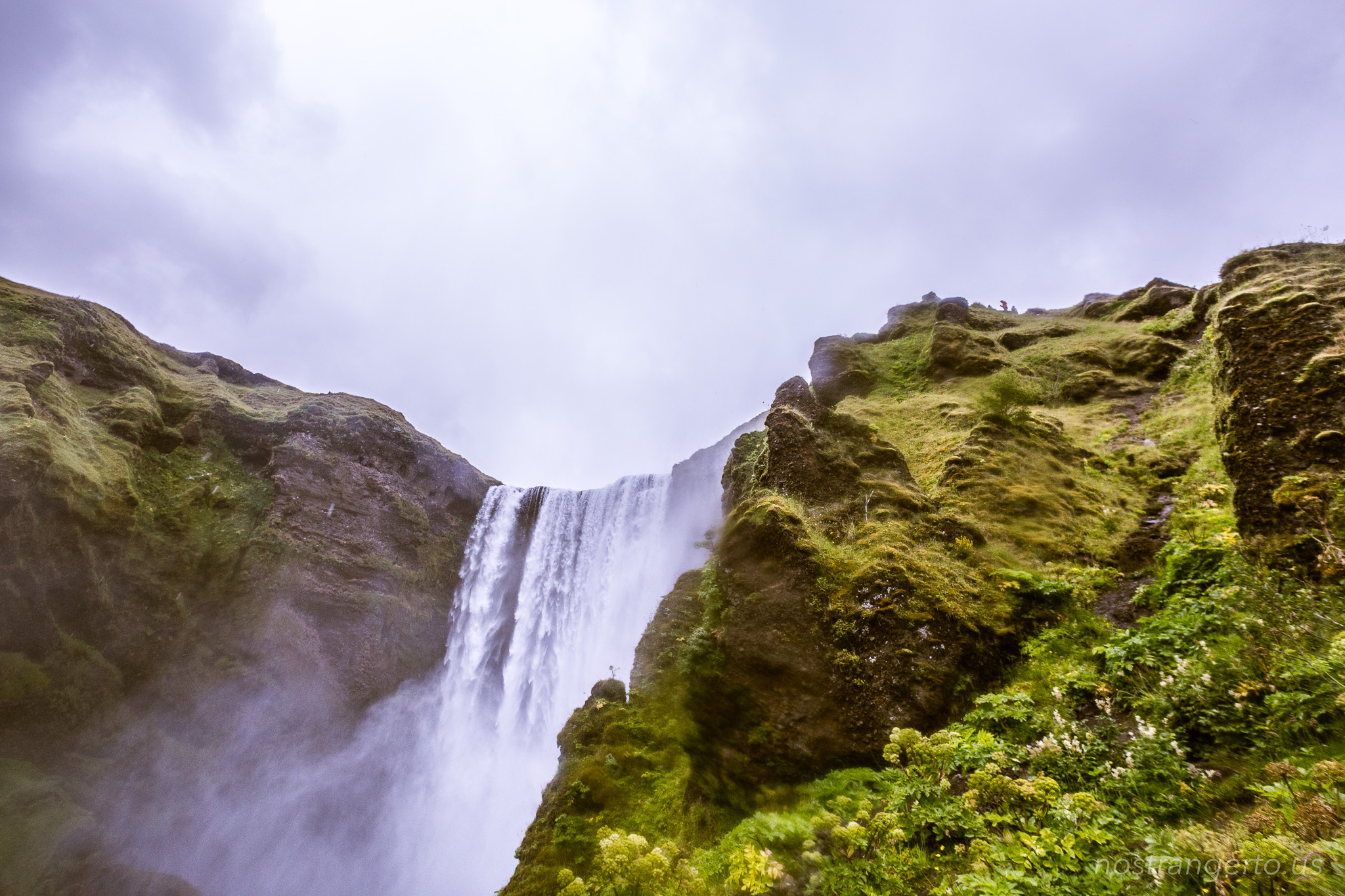
Seljalandsfoss is a waterfall out of a fairytale. One of it’s special features is that you can walk inside of an open air cave to view it from behind. We took the opportunity to shoot drone footage of both Skógafoss and Seljalandsfoss waterfalls.
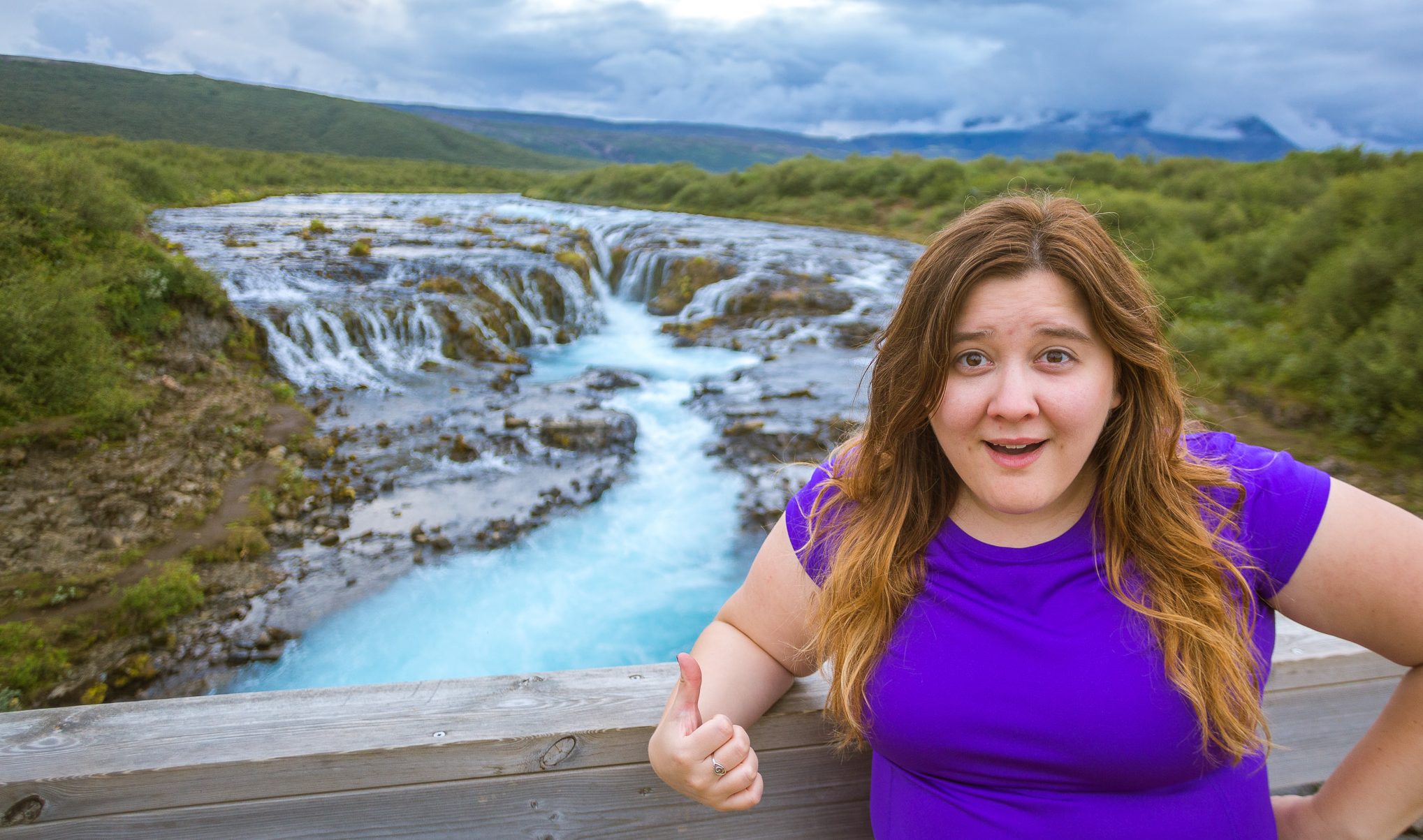
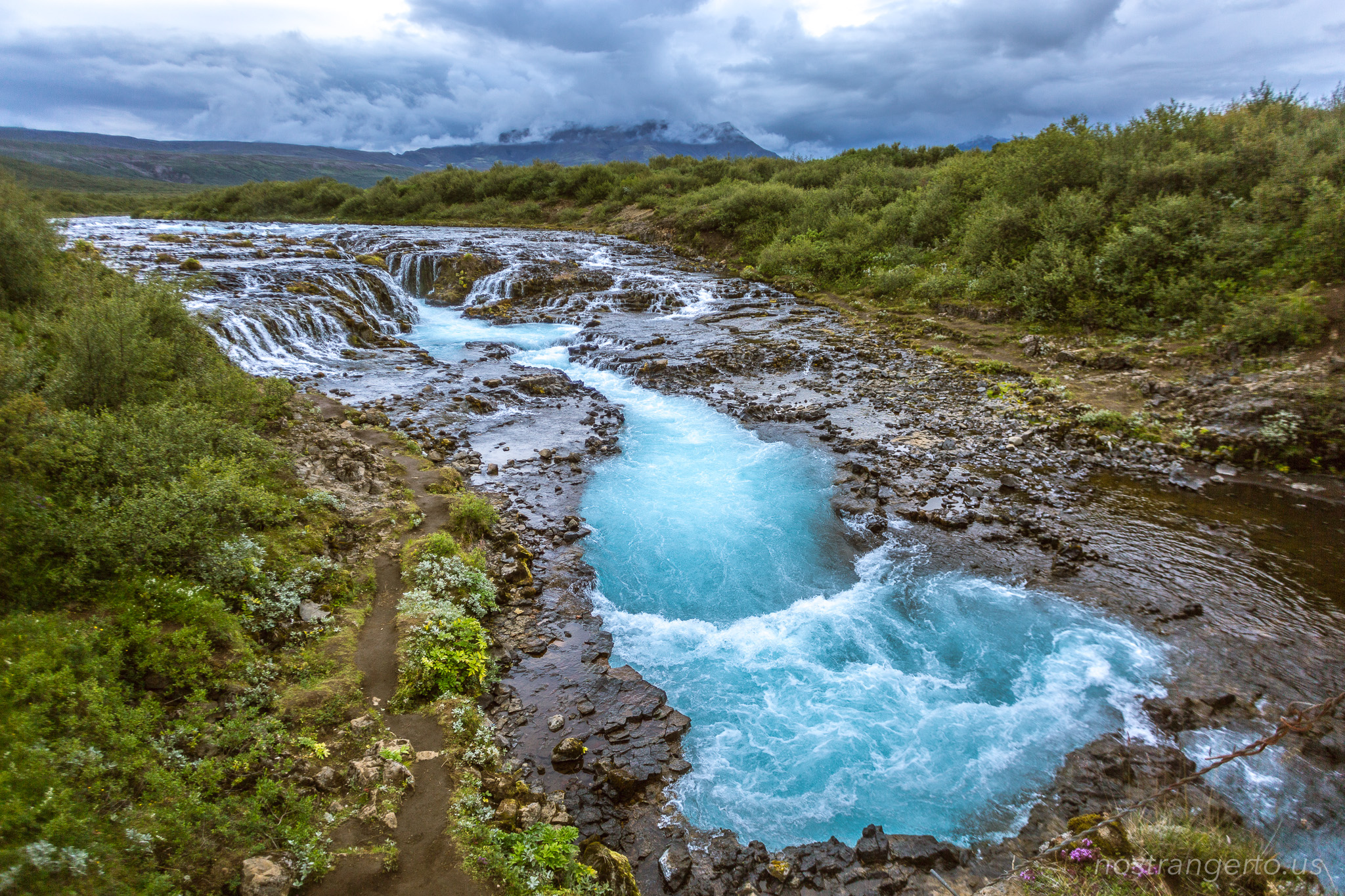
Cooper and I spent a good two hours trying to find the hidden Bruarfoss waterfall. He was surprised that I was so adventurous that day. As we stomped through overgrown grass creating our own desire path we heard the faint sound of rushing water. We came upon a small bridge and then our jaws fell open when we saw this crystal clear blue colored water flowing from a small but spectacular waterfall seemingly in the middle of nowhere.
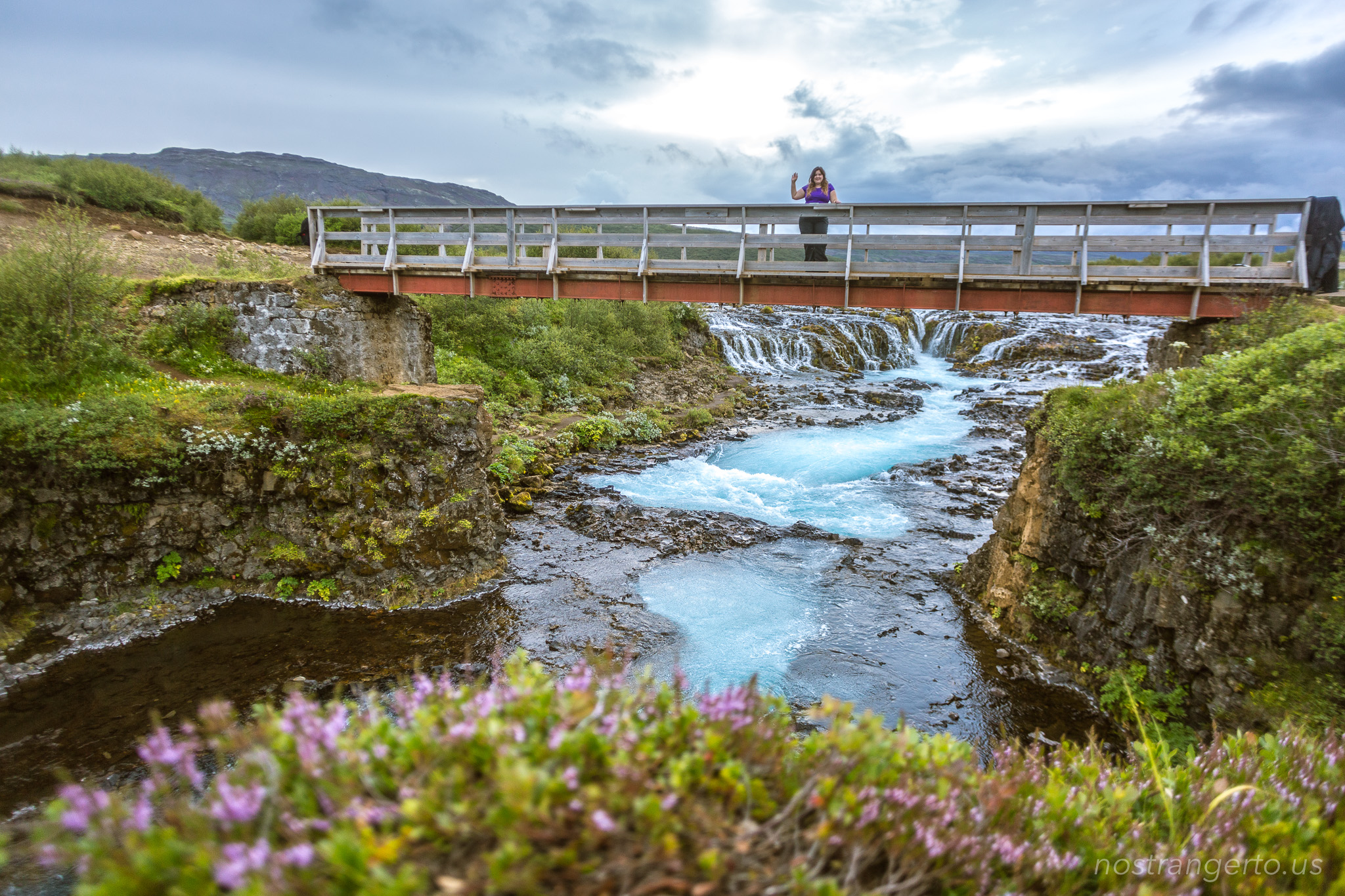
“I lift my mind to the sky, and I let it take flight. The wind carries to my ears, precious sound of life. Soon I break all ties which bind me to this earth, and all that surrounds me seems to melt into blue eternal.” – Ásgeir Trausti Einarsson
Part II
The post Our Awesome Reykjavik, Iceland Trip – Part 1 appeared first on No Stranger to Us.
]]>